Nullam dignissim, ante scelerisque the is euismod fermentum odio sem semper the is erat, a feugiat leo urna eget eros. Duis Aenean a imperdiet risus.
Nullam dignissim, ante scelerisque the is euismod fermentum odio sem semper the is erat, a feugiat leo urna eget eros. Duis Aenean a imperdiet risus.
 author
A diamond drill hole cutter is often selected by diameter first, but that is rarely enough for PCB, CFRP, and graphite machining. In real production, the bigger cost usually comes from worn cutting edges, unstable hole walls, burrs, fiber delamination, repeated tool changes, and parts that need rework. If the tool is not matched to the material and machining action, a low purchase price can turn into a higher cost per hole.
TSHZ works on CVD diamond-coated cutting tools for high-wear materials, including PCB drill bits, PCB milling cutters, graphite cutting tools, and customized tool support. For buyers, engineers, and tool distributors, the main task is not only how to choose a diamond drill hole cutter, but how to match coating, geometry, flute design, and application conditions to the actual workpiece.
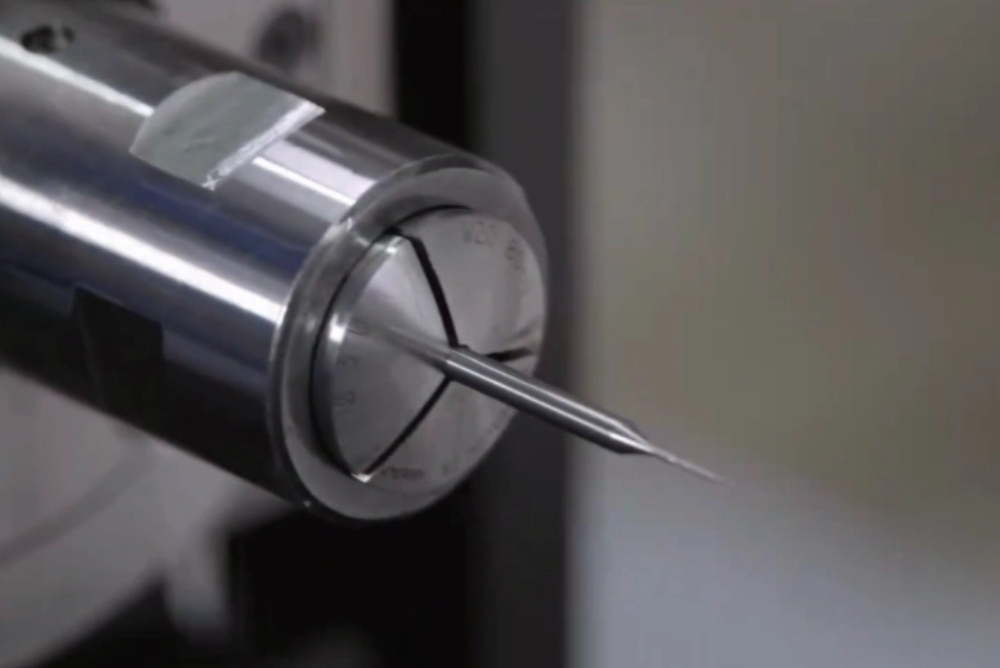
Before choosing any tool, define the job clearly. PCB, CFRP, and graphite do not damage cutting edges in the same way. PCB wears the edge through glass fiber and copper layers, CFRP raises delamination risk, and graphite causes continuous abrasive wear.
PCB materials such as FR-4, HDI boards, and multilayer boards require clean hole walls, chip evacuation, and drilling stability. CFRP requires a sharp, wear-resistant edge that can cut fibers without pulling them. Graphite requires a tool that keeps its cutting profile during long abrasive contact.
For projects described as diamond drill hole cutter for CFRP machining, the supplier still needs more information before recommending a tool. CFRP layup, hole diameter, entry and exit quality, feed conditions, and delamination tolerance all affect tool selection.
A common mistake is using one tool name for different machining actions. A drill bit is made for axial hole drilling. A milling cutter is used when the tool needs to move sideways through the PCB. A graphite end mill is selected for flat surfaces, slots, and electrode milling.
If a buyer only asks for a diamond drill hole cutter without explaining material, hole size, machining path, and quality target, the selected tool may be hard but still unsuitable for the job.
A lower-priced carbide drill may work in general materials, but abrasive materials can shorten its service life quickly. In high-wear jobs, a diamond drill hole cutter should be judged by stable output, not only by purchase price. Buyers should compare tool cost with machine uptime, rework risk, inspection pressure, and tool change frequency.
PCB drilling is often more sensitive than general CNC drilling because small tool wear can affect hole roughness, later plating quality, and drilling consistency. A diamond drill hole cutter for PCB drilling should be selected around board type, hole size, spindle condition, chip evacuation, and required hole quality.
HDI and multilayer boards need accurate hole positioning and clean hole walls. If chip evacuation is poor, heat and debris can increase drilling defects. If the edge wears too fast, hole roughness, resin smear, and burrs may become more visible.
For small hole production, buyers should not only ask about coating hardness. They should also check whether the drill geometry supports chip removal and whether the tool can keep stable hole quality during repeated drilling.
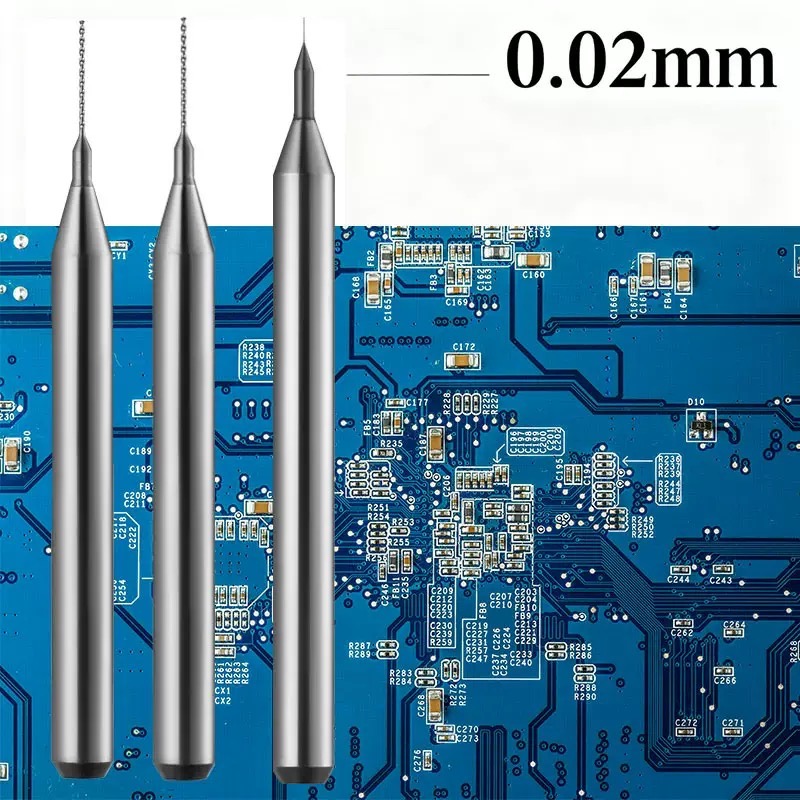
For PCB hole drilling, the PCB diamond drill bit is the first TSHZ product to evaluate. It is designed for PCB drilling applications where chip removal, hole roughness, long service life, and stable processing are key concerns.
The product page lists applications including general multilayer boards, HDI boards, FR-4, CEM-1 boards, and eco-friendly boards. Its diameter range covers 0.1–3.175 mm, which makes it relevant for buyers comparing a diamond coated micro drill for PCB holes rather than a routing or slotting tool.
Before ordering, confirm the finished hole diameter, board thickness, stack height, material type, spindle speed range, and acceptable hole wall quality. If the board is highly abrasive or the hole diameter is small, ask whether the supplier can help match the drill to the board structure and current defect problem.
A drill bit is not designed for every PCB or graphite operation. If the tool needs to cut sideways, shape an edge, mill a slot, or process a graphite electrode surface, a different tool type is usually needed.
If the process includes PCB routing, contour cutting, slotting, V-grooving, controlled-depth milling, half-hole machining, or gold finger chamfering, a PCB drill bit should not be forced into the job. These operations need side-cutting ability, edge control, and dimensional consistency.
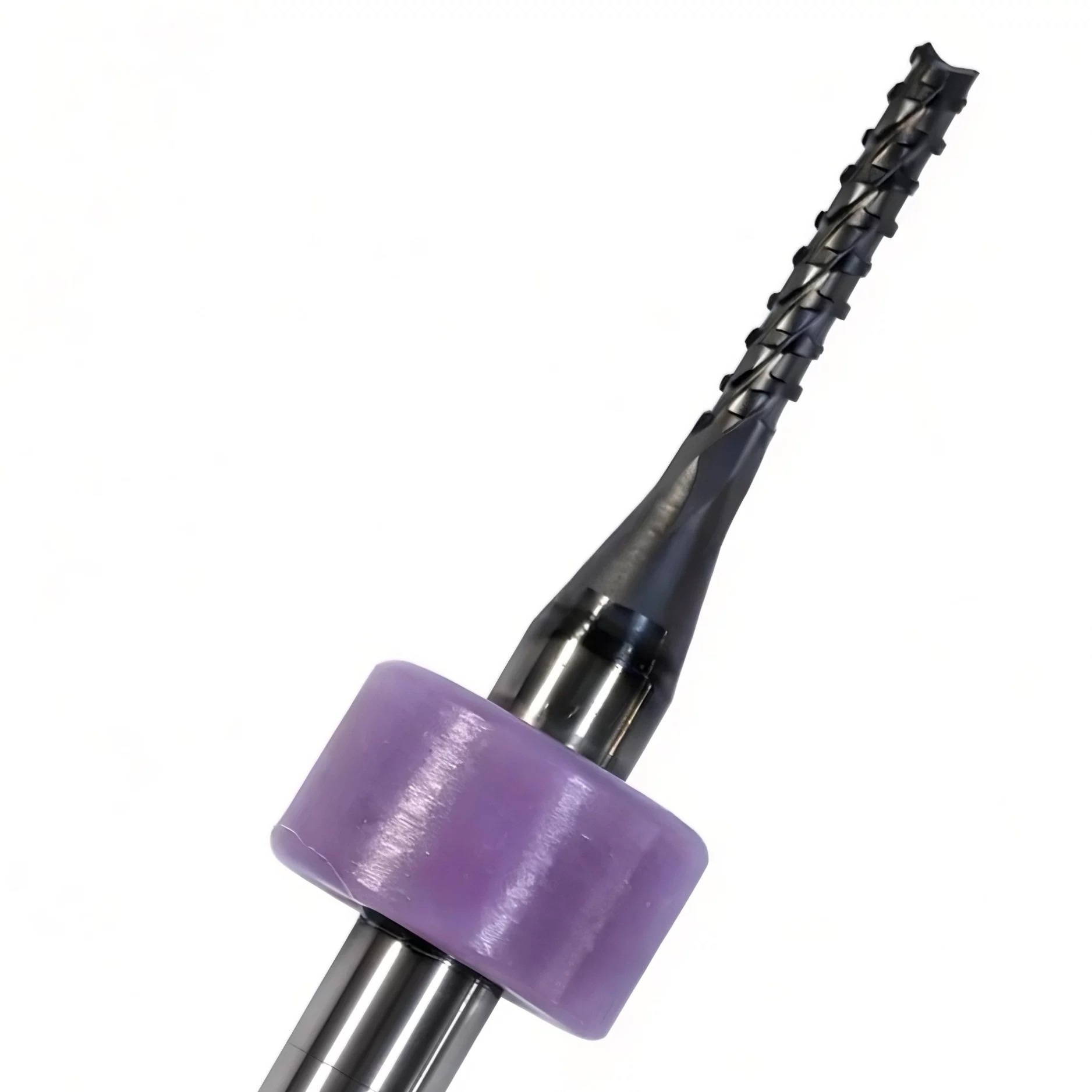
The PCB Diamond-Coated Milling Cutters are more suitable for these PCB post-processing tasks. They are useful when the factory needs clean edges, reduced burrs, and stable routing or slotting quality after drilling.

Graphite does not behave like metal. It creates abrasive dust and can wear ordinary cutting edges quickly. In mold and electrode machining, tool wear can cause slot width changes, poor flatness, and repeated tool compensation.
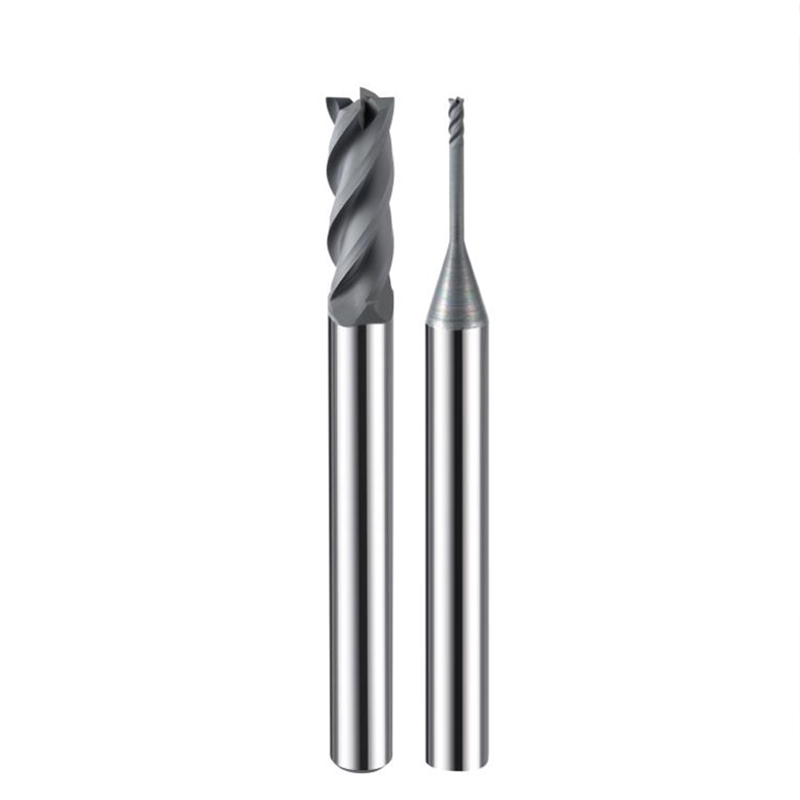
For graphite electrodes, flat surfaces, roughing, and semi-finishing, the Diamond coating Flat-bottom cylindrical end mill is more relevant than a drilling tool. It supports graphite machining without forcing a PCB drilling product into the wrong process.
| Machining Task | Recommended TSHZ Product | Main Selection Focus |
| PCB hole drilling | PCB diamond drill bit | Hole quality, chip removal, drill life |
| PCB routing and slotting | PCB Diamond-Coated Milling Cutters | Edge quality, burr control, path stability |
| V-grooving and half-hole machining | PCB Diamond-Coated Milling Cutters | Depth control, cutting consistency |
| Graphite roughing and flat-bottom milling | Diamond coating Flat-bottom cylindrical end mill | Dimensional control, abrasive wear resistance |
The question of diamond drill hole cutter vs carbide drill should not be answered by initial price alone. Carbide may be enough for low-abrasion materials or short runs. Diamond-coated tools make more sense when abrasive workpieces wear tools rapidly or when hole quality must stay stable across longer production.
| Buyer Question | Carbide Drill May Fit When | Diamond-Coated Tool Is More Suitable When |
| Is the material abrasive? | Material wear is low | PCB glass fiber, CFRP, or graphite causes fast edge wear |
| Is hole quality stable enough? | Short runs and loose tolerance | Long runs need consistent hole wall quality |
| Is downtime costly? | Tool changes are not a major issue | Frequent tool changes affect production output |
| Is the job price-sensitive? | Initial price is the main concern | Cost per hole and scrap reduction matter more |
| Is the process specialized? | General drilling | PCB micro-drilling, CFRP drilling, graphite machining |
| Information to Prepare | Why It Matters |
| Material name and structure | PCB, CFRP, and graphite wear tools in different ways |
| Hole diameter or milling width | Tool geometry must match the actual cutting action |
| Board thickness or cutting depth | Longer tools may reduce rigidity |
| Current tool problem | Helps identify wear, burrs, delamination, or chip evacuation issues |
| Required surface or hole quality | Prevents choosing only by price or coating name |
| Production volume | Affects whether tool life or initial price matters more |
For standard PCB hole drilling, start with TSHZ PCB diamond drill bit, especially when the work involves HDI boards, multilayer boards, FR-4, or small-diameter holes that need stable chip removal and hole wall quality. If the process is routing, slotting, V-grooving, half-hole machining, or gold finger chamfering, use TSHZ PCB Diamond-Coated Milling Cutters instead of forcing a drill bit into a side-cutting job. For graphite electrode roughing, flat-bottom milling, or semi-finishing, TSHZ Diamond coating Flat-bottom cylindrical end mill is the more suitable route. For CFRP, confirm the laminate structure, hole diameter, delamination tolerance, and machining method before final tool selection.
Project Selection Support
If your project involves difficult PCB boards, CFRP parts, or graphite electrodes, prepare the drawing, material name, hole diameter, cutting depth, current tool issue, and quality target before you contact TSHZ. These details help the team suggest whether the job needs a PCB diamond drill bit, PCB Diamond-Coated Milling Cutters, Diamond coating Flat-bottom cylindrical end mill, or a customized tool route.
Q: What Is a Diamond Drill Hole Cutter Used For?
A: A diamond drill hole cutter is used for hole-making tasks in abrasive materials where ordinary tools wear quickly. In this article, the most relevant uses are PCB drilling, CFRP machining, and precision applications that need clean holes and stable tool life.
Q: How Do I Choose a Tool for PCB Hole Drilling?
A: Start with board material, hole diameter, board thickness, chip evacuation, and hole wall quality. For HDI boards, multilayer boards, FR-4, and CEM-1 boards, TSHZ PCB diamond drill bit is the most relevant product because it is designed for PCB drilling rather than routing or side milling.
Q: Can One Diamond Tool Handle PCB, CFRP, and Graphite?
A: Not usually. PCB drilling, CFRP cutting, and graphite milling create different tool loads. A PCB drill bit is suitable for hole drilling. PCB Diamond-Coated Milling Cutters are better for routing and slotting. Diamond coating Flat-bottom cylindrical end mill is more suitable for graphite roughing and semi-finishing.
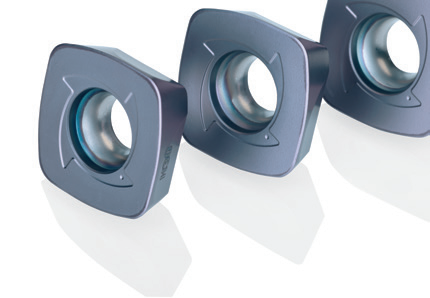
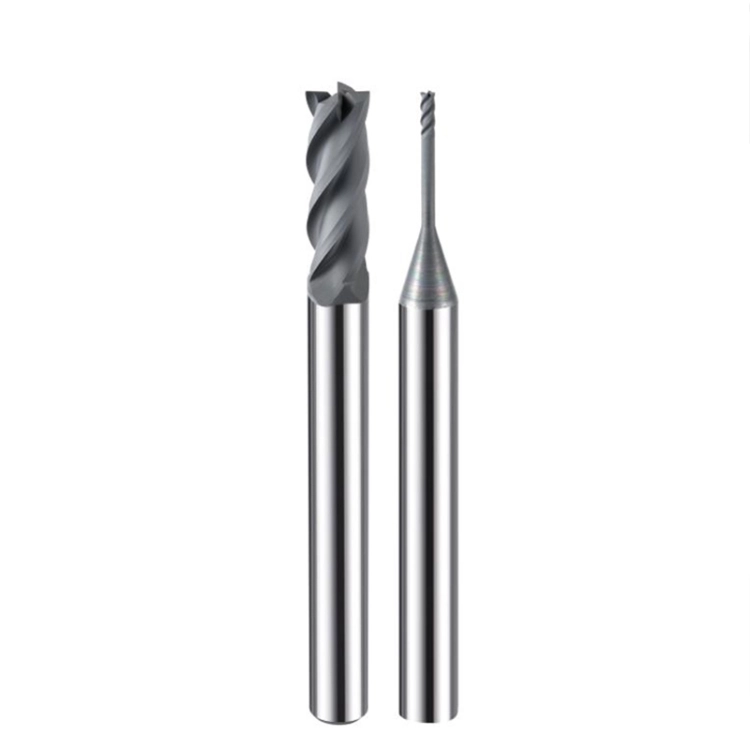
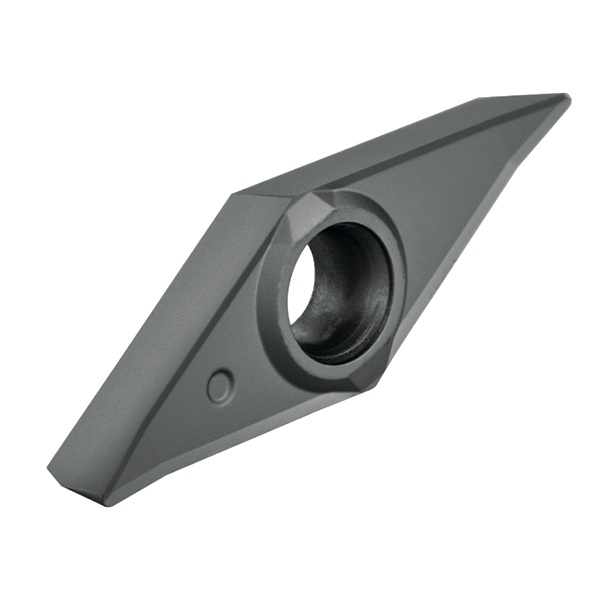
Graphite, Ceramics, and Carbon Fiber are the future, but they are “tool killers.” If you’re still using traditional coating, you’re fighting a losing battle.
Our CVD (Chemical Vapor Deposition) Diamond Coating creates a real crystalline diamond layer on the carbide substrate. This isn’t just a “finish”—it’s a shield.
Why top distributors choose our CVD series:
1.Ultra-Low Friction: Prevents chip welding and heat buildup.
2.Extreme Abrasion Resistance: Maintains sharp cutting edges $20 \times$ longer.
3.Surface Finish: Mirror-like results on the workpiece, zero secondary polishing needed.