ไม่มีศักดิ์ศรี ก่อนที่คนขี้โกงจะเกลียดชัง euismod fermentum sem semper the is erat, feugiat สิงห์ urna eget eros ดุส เอเนียน ตัดผมเพื่อเสียงหัวเราะ
ไม่มีศักดิ์ศรี ก่อนที่คนขี้โกงจะเกลียดชัง euismod fermentum sem semper the is erat, feugiat สิงห์ urna eget eros ดุส เอเนียน ตัดผมเพื่อเสียงหัวเราะ
 ผู้เขียน
โดยทั่วไปแล้ว การเลือกหัวเจาะรูเพชรมักพิจารณาจากขนาดเส้นผ่านศูนย์กลางเป็นหลัก แต่ในบางครั้งอาจไม่เพียงพอสำหรับการเจาะรูบนแผ่นวงจรพิมพ์ (PCB), วัสดุคอมโพสิตคาร์บอนไฟเบอร์เสริมแรง (CFRP) และกราไฟต์ ในการผลิตจริง ต้นทุนที่สูงขึ้นมักมาจากการสึกหรอของคมตัด ผนังรูที่ไม่มั่นคง ครีบ การแยกตัวของเส้นใย การเปลี่ยนเครื่องมือซ้ำๆ และชิ้นส่วนที่ต้องแก้ไขใหม่ หากเครื่องมือไม่เหมาะสมกับวัสดุและลักษณะการทำงาน ราคาซื้อที่ต่ำอาจกลายเป็นต้นทุนต่อรูที่สูงขึ้นได้
TSHZ บริษัทนี้ทำงานเกี่ยวกับเครื่องมือตัดเคลือบเพชร CVD สำหรับวัสดุที่มีการสึกหรอสูง รวมถึงดอกสว่าน PCB, ดอกกัด PCB, เครื่องมือตัดกราไฟต์ และอุปกรณ์เสริมเครื่องมือแบบกำหนดเอง สำหรับผู้ซื้อ วิศวกร และผู้จัดจำหน่ายเครื่องมือ งานหลักไม่ใช่แค่การเลือกดอกเจาะรูเพชร แต่ยังรวมถึงวิธีการจับคู่การเคลือบ รูปทรง การออกแบบร่อง และสภาพการใช้งานให้เข้ากับชิ้นงานจริงด้วย
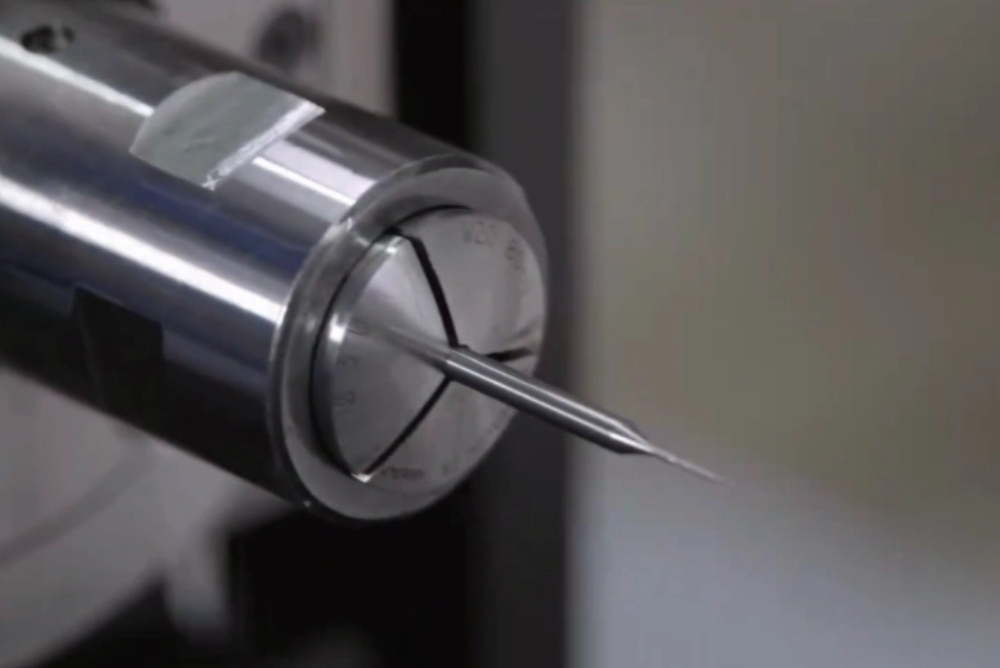
ก่อนเลือกใช้เครื่องมือใดๆ ควรระบุลักษณะงานให้ชัดเจนก่อน วัสดุ PCB, CFRP และกราไฟต์ ไม่ได้ทำให้คมตัดเสียหายในลักษณะเดียวกัน PCB จะทำให้คมตัดสึกหรอผ่านชั้นใยแก้วและทองแดง CFRP เพิ่มความเสี่ยงต่อการแยกชั้น และกราไฟต์ทำให้เกิดการสึกหรอแบบเสียดสีอย่างต่อเนื่อง
วัสดุ PCB เช่น FR-4, แผ่น HDI และแผ่นหลายชั้น ต้องการผนังรูที่เรียบสะอาด การกำจัดเศษวัสดุ และความเสถียรในการเจาะ CFRP ต้องการขอบคมที่ทนต่อการสึกหรอ สามารถตัดเส้นใยได้โดยไม่ดึงเส้นใย ส่วนกราไฟต์ต้องการเครื่องมือที่รักษาโปรไฟล์การตัดไว้ได้แม้ในระหว่างการสัมผัสกับสารกัดกร่อนเป็นเวลานาน
สำหรับโครงการที่ระบุว่าต้องการหัวเจาะรูเพชรสำหรับงานกลึง CFRP ผู้จำหน่ายยังคงต้องการข้อมูลเพิ่มเติมก่อนที่จะแนะนำเครื่องมือที่เหมาะสม ปัจจัยต่างๆ เช่น ลักษณะการวางชั้นของ CFRP เส้นผ่านศูนย์กลางของรู คุณภาพการเข้าและออก สภาวะการป้อน และค่าความคลาดเคลื่อนของการแยกชั้น ล้วนมีผลต่อการเลือกเครื่องมือ
ข้อผิดพลาดที่พบบ่อยคือการใช้ชื่อเครื่องมือเดียวกันสำหรับงานตัดเฉือนที่แตกต่างกัน ดอกสว่านใช้สำหรับเจาะรูตามแนวแกน ดอกกัดใช้เมื่อเครื่องมือต้องเคลื่อนที่ไปด้านข้างผ่านแผ่นวงจรพิมพ์ ดอกกัดปลายกราไฟต์ใช้สำหรับพื้นผิวเรียบ ร่อง และการกัดอิเล็กโทรด
หากผู้ซื้อระบุเพียงแค่ดอกสว่านเจาะรูเพชรโดยไม่กล่าวถึงวัสดุ ขนาดรู เส้นทางการเจาะ และคุณภาพที่ต้องการ เครื่องมือที่เลือกอาจแข็งแรงแต่ก็ไม่เหมาะสมกับงานนั้น
ดอกสว่านคาร์ไบด์ราคาถูกอาจใช้งานได้ดีกับวัสดุทั่วไป แต่หากใช้กับวัสดุที่มีฤทธิ์กัดกร่อนสูง อายุการใช้งานจะสั้นลงอย่างรวดเร็ว สำหรับงานที่มีการสึกหรอสูง ควรพิจารณาเลือกดอกสว่านเจาะรูเพชรจากความเสถียรของผลผลิต ไม่ใช่แค่ราคาซื้อเท่านั้น ผู้ซื้อควรเปรียบเทียบต้นทุนของเครื่องมือกับเวลาการใช้งานของเครื่องจักร ความเสี่ยงในการทำงานซ้ำ แรงกดดันในการตรวจสอบ และความถี่ในการเปลี่ยนเครื่องมือ
การเจาะรู PCB มักมีความละเอียดอ่อนมากกว่าการเจาะรูด้วยเครื่อง CNC ทั่วไป เนื่องจากรอยสึกหรอเล็กน้อยของเครื่องมืออาจส่งผลต่อความเรียบของรู คุณภาพการชุบในภายหลัง และความสม่ำเสมอในการเจาะ ควรเลือกดอกสว่านเพชรสำหรับเจาะรู PCB โดยพิจารณาจากชนิดของแผ่นวงจร ขนาดรู สภาพของแกนหมุน การระบายเศษ และคุณภาพของรูที่ต้องการ
แผ่นวงจรพิมพ์ความละเอียดสูง (HDI) และแผ่นวงจรพิมพ์หลายชั้น จำเป็นต้องมีการกำหนดตำแหน่งรูที่แม่นยำและผนังรูที่สะอาด หากการระบายเศษวัสดุไม่ดี ความร้อนและเศษวัสดุอาจทำให้เกิดข้อบกพร่องในการเจาะมากขึ้น หากคมตัดสึกเร็วเกินไป ความหยาบของรู คราบเรซิน และเสี้ยนอาจปรากฏให้เห็นชัดเจนยิ่งขึ้น
สำหรับการเจาะรูขนาดเล็ก ผู้ซื้อไม่ควรสอบถามเพียงแค่ความแข็งของสารเคลือบผิวเท่านั้น แต่ควรตรวจสอบด้วยว่ารูปทรงของดอกสว่านเอื้อต่อการกำจัดเศษวัสดุหรือไม่ และเครื่องมือสามารถรักษาคุณภาพของรูให้คงที่ได้หรือไม่ในระหว่างการเจาะซ้ำๆ
สำหรับการเจาะรูบนแผ่น PCB นั้น ดอกสว่านเพชรสำหรับ PCB เป็นผลิตภัณฑ์ TSHZ ตัวแรกที่ได้รับการประเมิน ออกแบบมาสำหรับงานเจาะ PCB ซึ่งการกำจัดเศษวัสดุ ความเรียบของรู อายุการใช้งานที่ยาวนาน และการประมวลผลที่เสถียรเป็นสิ่งสำคัญ
หน้ารายละเอียดสินค้าแสดงรายการการใช้งานต่างๆ เช่น แผงวงจรหลายชั้นทั่วไป แผงวงจร HDI แผงวงจร FR-4 แผงวงจร CEM-1 และแผงวงจรที่เป็นมิตรต่อสิ่งแวดล้อม ช่วงเส้นผ่านศูนย์กลางครอบคลุม 0.1–3.175 มม. ซึ่งทำให้เหมาะสำหรับผู้ซื้อที่เปรียบเทียบดอกสว่านขนาดเล็กเคลือบเพชรสำหรับเจาะรูบนแผงวงจรพิมพ์ มากกว่าเครื่องมือสำหรับงานเซาะร่องหรือตัด
ก่อนสั่งซื้อ โปรดยืนยันขนาดเส้นผ่านศูนย์กลางรูที่เจาะเสร็จ ความหนาของแผ่นไม้ ความสูงของกองแผ่นไม้ ประเภทวัสดุ ช่วงความเร็วรอบของแกนหมุน และคุณภาพผนังรูที่ยอมรับได้ หากแผ่นไม้มีความหยาบมากหรือขนาดรูเล็กเกินไป โปรดสอบถามผู้จำหน่ายว่าสามารถช่วยเลือกดอกสว่านให้เหมาะสมกับโครงสร้างของแผ่นไม้และปัญหาข้อบกพร่องในปัจจุบันได้หรือไม่
ดอกสว่านไม่ได้ถูกออกแบบมาสำหรับงานเจาะแผ่นวงจรพิมพ์หรือวัสดุกราไฟต์ทุกประเภท หากเครื่องมือจำเป็นต้องตัดด้านข้าง ขึ้นรูปขอบ กัดร่อง หรือแปรรูปพื้นผิวอิเล็กโทรดกราไฟต์ โดยปกติแล้วจะต้องใช้เครื่องมือประเภทอื่น
หากกระบวนการดังกล่าวเกี่ยวข้องกับการตัดแผ่นวงจรพิมพ์ (PCB routing), การตัดตามรูปทรง (contour cutting), การเซาะร่อง (slotting), การเซาะร่องตัววี (V-grooving), การกัดขึ้นรูปด้วยความลึกที่ควบคุมได้ (controlled-depth milling), การเจาะรูครึ่งวงกลม (half-hole machining) หรือการลบคมปลายนิ้วทองคำ (gold finger chamfering), ไม่ควรใช้ดอกสว่าน PCB ในการทำงานดังกล่าว เนื่องจากกระบวนการเหล่านี้ต้องการความสามารถในการตัดด้านข้าง การควบคุมคมตัด และความสม่ำเสมอของขนาด
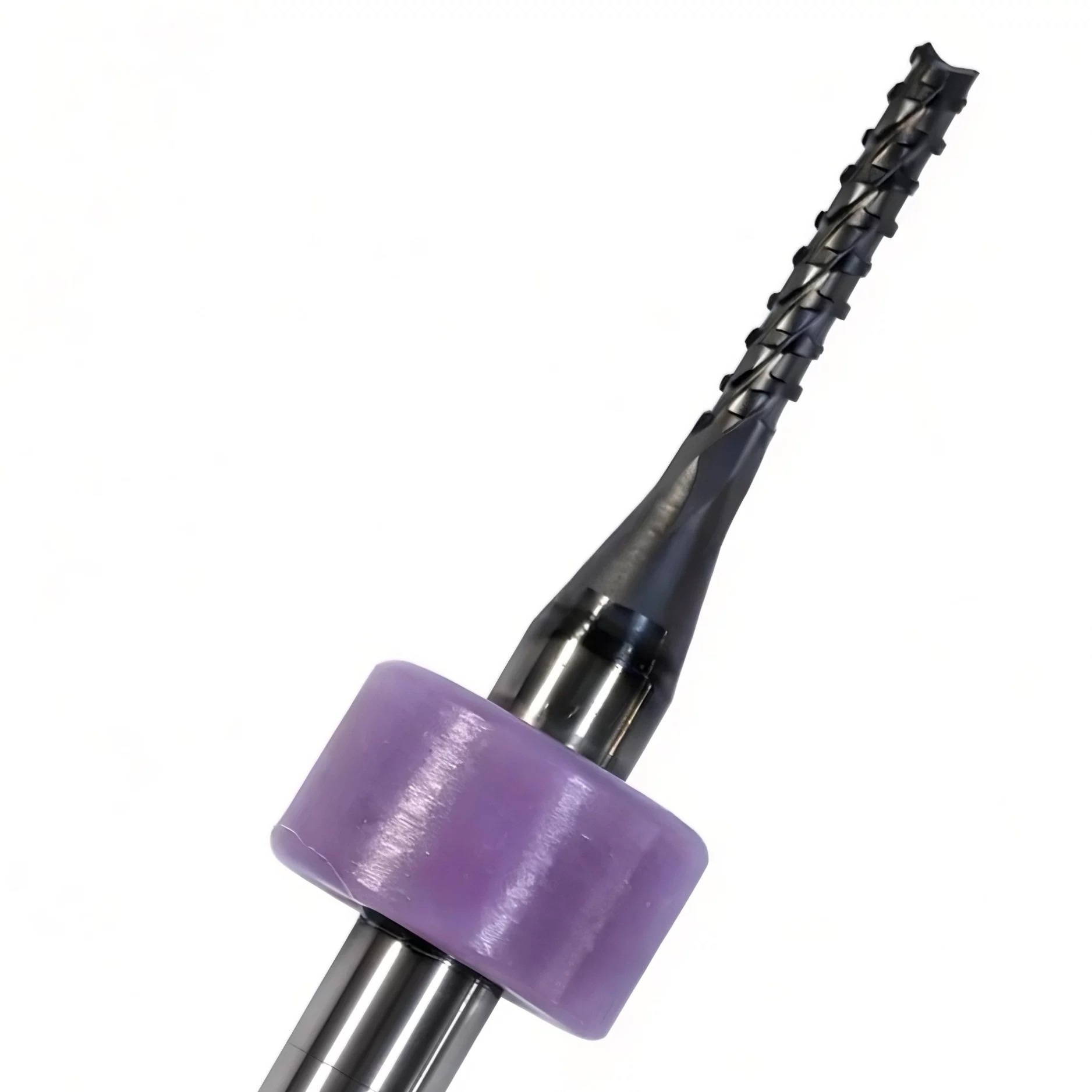
เดอะ ดอกกัดเคลือบเพชรสำหรับแผ่นวงจรพิมพ์ (PCB) เหมาะสำหรับงานตกแต่งแผ่นวงจรพิมพ์ (PCB) หลังการผลิตมากกว่า โดยมีประโยชน์เมื่อโรงงานต้องการขอบที่เรียบเนียน ลดเสี้ยน และคุณภาพการเดินสายหรือการเซาะร่องที่คงที่หลังจากการเจาะ

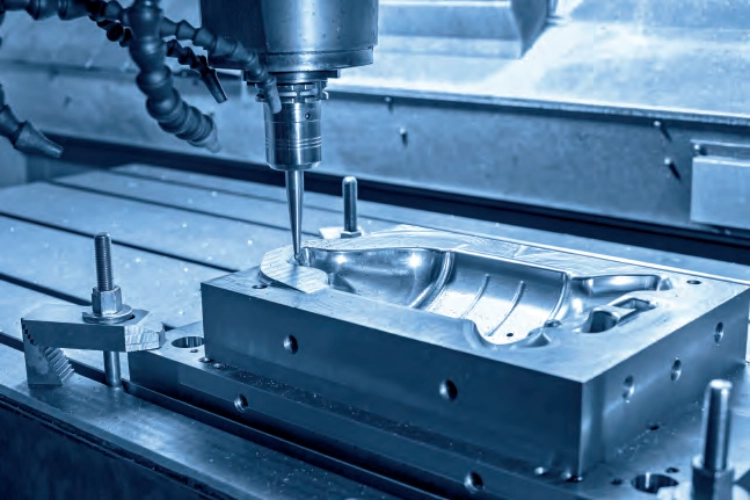
กราไฟต์มีคุณสมบัติไม่เหมือนโลหะ มันก่อให้เกิดฝุ่นกัดกร่อนและสามารถทำให้คมตัดทั่วไปสึกหรอได้อย่างรวดเร็ว ในงานขึ้นรูปแม่พิมพ์และอิเล็กโทรด การสึกหรอของเครื่องมืออาจทำให้ความกว้างของร่องเปลี่ยนแปลง ความเรียบไม่ดี และต้องปรับชดเชยเครื่องมือซ้ำๆ
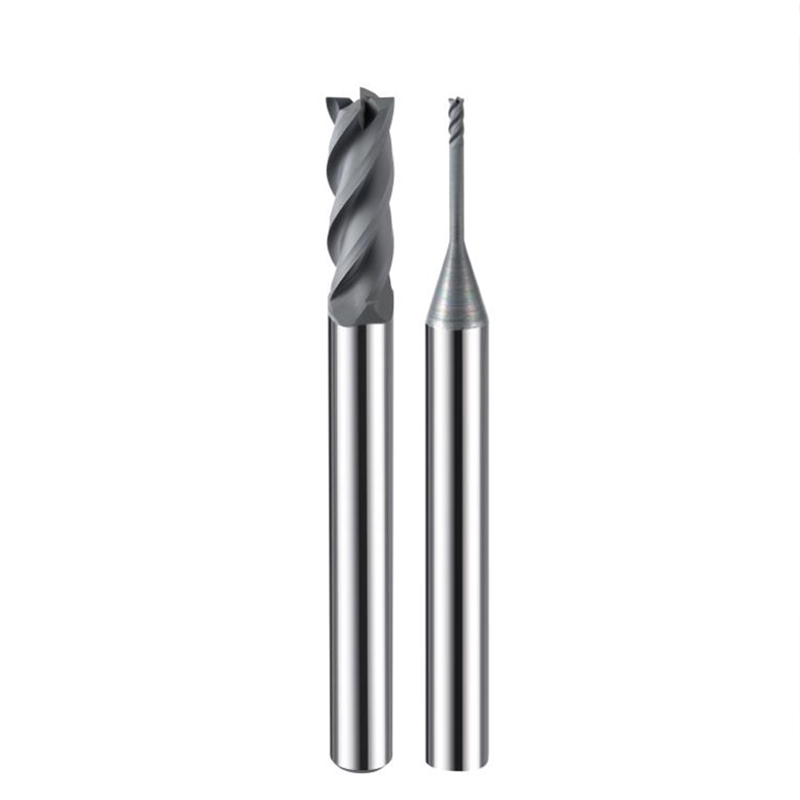
สำหรับอิเล็กโทรดกราไฟต์ พื้นผิวเรียบ การขัดหยาบ และการขัดกึ่งละเอียด ดอกกัดปลายทรงกระบอกก้นแบนเคลือบเพชร มีความสำคัญมากกว่าเครื่องมือเจาะทั่วไป มันรองรับการขึ้นรูปกราไฟต์โดยไม่ต้องบังคับให้ผลิตภัณฑ์เจาะ PCB เข้าสู่กระบวนการที่ไม่ถูกต้อง
| งานกลึง | ผลิตภัณฑ์ TSHZ ที่แนะนำ | จุดเน้นการคัดเลือกหลัก |
| การเจาะรู PCB | ดอกสว่านเพชรสำหรับ PCB | คุณภาพของรูเจาะ การกำจัดเศษวัสดุ อายุการใช้งานของดอกสว่าน |
| การกำหนดเส้นทางและการเซาะร่อง PCB | ดอกกัดเคลือบเพชรสำหรับแผ่นวงจรพิมพ์ (PCB) | คุณภาพคมมีด การควบคุมเสี้ยน ความเสถียรของเส้นทางการตัด |
| การเซาะร่องตัววีและการเจาะรูครึ่งวงกลม | ดอกกัดเคลือบเพชรสำหรับแผ่นวงจรพิมพ์ (PCB) | การควบคุมความลึก ความสม่ำเสมอในการตัด |
| การกัดหยาบกราไฟต์และการกัดแบบก้นแบน | ดอกกัดปลายทรงกระบอกก้นแบนเคลือบเพชร | การควบคุมขนาด ความทนทานต่อการสึกหรอจากการเสียดสี |
คำถามที่ว่าควรเลือกดอกสว่านเจาะรูเพชรหรือดอกสว่านเจาะรูคาร์ไบด์นั้น ไม่ควรตัดสินจากราคาเริ่มต้นเพียงอย่างเดียว ดอกสว่านคาร์ไบด์อาจเพียงพอสำหรับวัสดุที่มีการสึกหรอต่ำหรือการผลิตในปริมาณน้อย แต่เครื่องมือเคลือบเพชรจะเหมาะสมกว่าเมื่อชิ้นงานที่มีฤทธิ์กัดกร่อนทำให้เครื่องมือสึกหรออย่างรวดเร็ว หรือเมื่อคุณภาพของรูเจาะต้องคงที่ตลอดการผลิตในระยะยาว
| คำถามจากผู้ซื้อ | ดอกสว่านคาร์ไบด์อาจพอดีเมื่อ... | เครื่องมือเคลือบเพชรเหมาะสมกว่าเมื่อ... |
| วัสดุนี้มีฤทธิ์กัดกร่อนหรือไม่? | การสึกหรอของวัสดุต่ำ | เส้นใยแก้ว, CFRP หรือกราไฟต์ในแผ่นวงจรพิมพ์ (PCB) ทำให้เกิดการสึกหรอที่ขอบอย่างรวดเร็ว |
| คุณภาพของรูมีความคงที่เพียงพอหรือไม่? | การผลิตในระยะสั้นและค่าความคลาดเคลื่อนที่ยอมรับได้ค่อนข้างหลวม | การเจาะระยะยาวต้องการคุณภาพผนังรูที่สม่ำเสมอ |
| การหยุดทำงานของระบบมีค่าใช้จ่ายสูงหรือไม่? | การเปลี่ยนเครื่องมือไม่ใช่ปัญหาใหญ่ | การเปลี่ยนเครื่องมือบ่อยครั้งส่งผลกระทบต่อผลผลิต |
| งานนี้มีความอ่อนไหวต่อราคาหรือไม่? | ราคาเริ่มต้นเป็นสิ่งที่น่ากังวลที่สุด | ต้นทุนต่อหลุมและการลดเศษวัสดุมีความสำคัญมากกว่า |
| กระบวนการนี้เป็นกระบวนการเฉพาะทางหรือไม่? | การเจาะทั่วไป | การเจาะรูขนาดเล็กบนแผ่น PCB, การเจาะวัสดุ CFRP, การขึ้นรูปกราไฟต์ |
| ข้อมูลที่ต้องเตรียม | เหตุใดจึงสำคัญ |
| ชื่อและโครงสร้างของวัสดุ | เครื่องมือสึกหรอ PCB, CFRP และกราไฟต์ในรูปแบบต่างๆ |
| เส้นผ่านศูนย์กลางรูหรือความกว้างของการกัด | รูปทรงของเครื่องมือต้องสอดคล้องกับการตัดจริง |
| ความหนาของแผ่นไม้หรือความลึกในการตัด | เครื่องมือที่ยาวกว่าอาจช่วยลดความแข็งแกร่งได้ |
| ปัญหาเครื่องมือปัจจุบัน | ช่วยระบุปัญหาการสึกหรอ รอยขรุขระ การแยกชั้น หรือปัญหาการระบายเศษวัสดุ |
| คุณภาพพื้นผิวหรือรูที่ต้องการ | ป้องกันการเลือกโดยพิจารณาจากราคาหรือชื่อสารเคลือบเพียงอย่างเดียว |
| ปริมาณการผลิต | ส่งผลต่อการตัดสินใจว่าอายุการใช้งานของเครื่องมือหรือราคาเริ่มต้นมีความสำคัญมากกว่ากัน |
สำหรับการเจาะรู PCB มาตรฐาน ให้เริ่มต้นด้วยดอกสว่านเพชร TSHZ PCB โดยเฉพาะอย่างยิ่งเมื่อเกี่ยวข้องกับแผ่น HDI, แผ่นหลายชั้น, FR-4 หรือรูขนาดเล็กที่ต้องการการกำจัดเศษวัสดุที่เสถียรและคุณภาพของผนังรู หากกระบวนการเป็นการเซาะร่อง, การเซาะร่อง, การเซาะร่องตัววี, การเจาะรูครึ่งรู หรือการลบคมนิ้วทอง ให้ใช้ดอกกัดเคลือบเพชร TSHZ PCB แทนการฝืนใช้ดอกสว่านในงานตัดด้านข้าง สำหรับการกัดหยาบ การกัดแบบก้นแบน หรือการกัดกึ่งละเอียดสำหรับอิเล็กโทรดกราไฟต์ ดอกกัดปลายทรงกระบอกก้นแบนเคลือบเพชร TSHZ เป็นทางเลือกที่เหมาะสมกว่า สำหรับ CFRP ให้ตรวจสอบโครงสร้างลามิเนต เส้นผ่านศูนย์กลางรู ความคลาดเคลื่อนของการแยกชั้น และวิธีการตัดเฉือนก่อนเลือกเครื่องมือขั้นสุดท้าย
การสนับสนุนการคัดเลือกโครงการ
หากโครงการของคุณเกี่ยวข้องกับแผงวงจรพิมพ์ (PCB) ที่ซับซ้อน ชิ้นส่วน CFRP หรืออิเล็กโทรดกราไฟต์ โปรดเตรียมแบบร่าง ชื่อวัสดุ เส้นผ่านศูนย์กลางรู ความลึกของการตัด ปัญหาของเครื่องมือที่ใช้ในปัจจุบัน และเป้าหมายคุณภาพก่อนเริ่มงาน ติดต่อ TSHZ รายละเอียดเหล่านี้ช่วยให้ทีมงานสามารถแนะนำได้ว่างานนั้นต้องการดอกสว่านเพชรสำหรับ PCB, ดอกกัดเคลือบเพชรสำหรับ PCB, ดอกกัดปลายทรงกระบอกก้นแบนเคลือบเพชร หรือเส้นทางการสร้างเครื่องมือแบบกำหนดเอง
ถาม: ดอกสว่านเจาะรูเพชรใช้สำหรับอะไร?
A: ดอกสว่านเจาะรูเพชรใช้สำหรับงานเจาะรูในวัสดุที่มีฤทธิ์กัดกร่อน ซึ่งเครื่องมือทั่วไปจะสึกหรอเร็ว ในบทความนี้ การใช้งานที่เกี่ยวข้องมากที่สุดคือการเจาะแผ่นวงจรพิมพ์ (PCB) การตัดเฉือนวัสดุคอมโพสิตคาร์บอนไฟเบอร์เสริมแรง (CFRP) และงานที่ต้องการความแม่นยำสูง เช่น รูที่เจาะสะอาด และอายุการใช้งานของเครื่องมือที่ยาวนาน
ถาม: ฉันควรเลือกเครื่องมือเจาะรูสำหรับแผ่นวงจรพิมพ์ (PCB) อย่างไร?
A: เริ่มต้นด้วยวัสดุของแผ่นวงจร ขนาดรู ความหนาของแผ่นวงจร การระบายเศษชิป และคุณภาพของผนังรู สำหรับแผ่นวงจร HDI แผ่นวงจรหลายชั้น แผ่นวงจร FR-4 และแผ่นวงจร CEM-1 ดอกสว่านเพชร TSHZ PCB เป็นผลิตภัณฑ์ที่เหมาะสมที่สุด เนื่องจากได้รับการออกแบบมาสำหรับการเจาะแผ่นวงจรโดยเฉพาะ ไม่ใช่สำหรับการเซาะร่องหรือการกัดด้านข้าง
ถาม: เครื่องมือเพชรชิ้นเดียวสามารถใช้กับ PCB, CFRP และกราไฟต์ได้หรือไม่?
A: โดยปกติแล้วไม่ครับ การเจาะ PCB การตัด CFRP และการกัดกราไฟต์สร้างภาระของเครื่องมือที่แตกต่างกัน ดอกสว่าน PCB เหมาะสำหรับการเจาะรู ดอกกัดเคลือบเพชรสำหรับ PCB เหมาะกว่าสำหรับการเซาะร่องและการทำร่องลึก ดอกกัดปลายแบนทรงกระบอกเคลือบเพชรเหมาะกว่าสำหรับการกัดหยาบและกัดกึ่งละเอียดของกราไฟต์
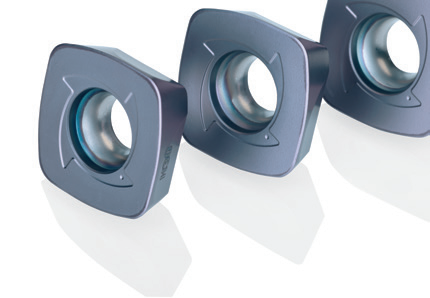
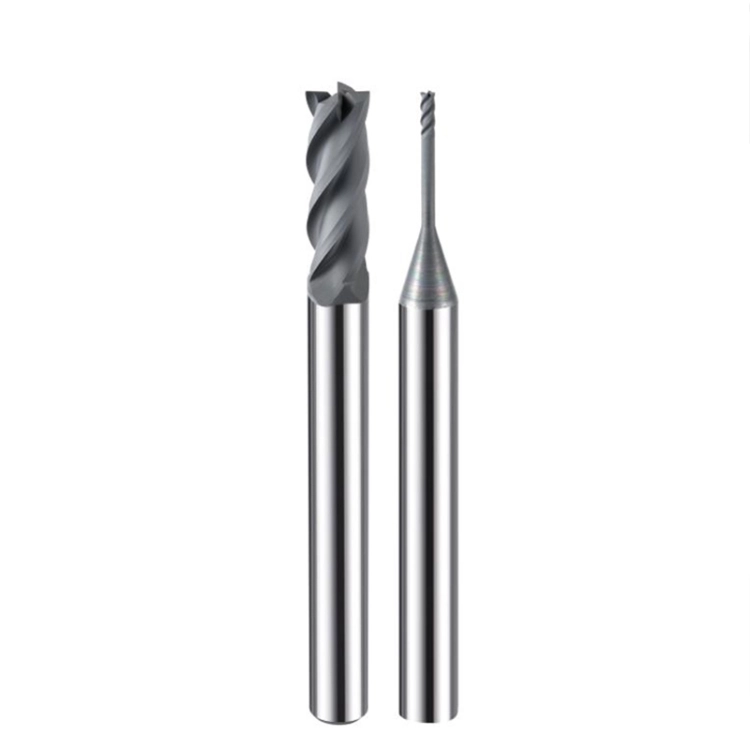
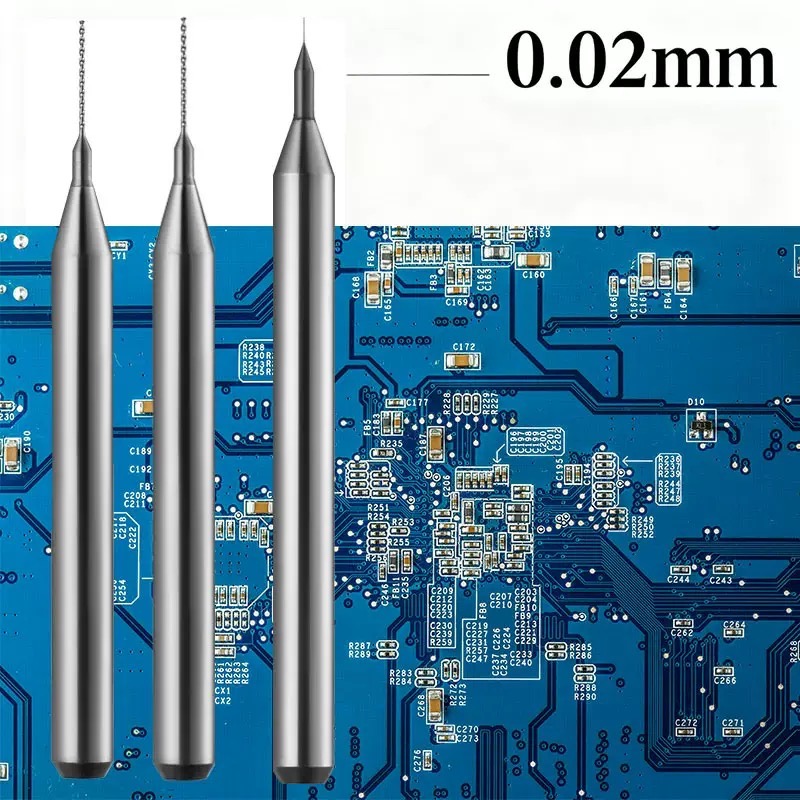
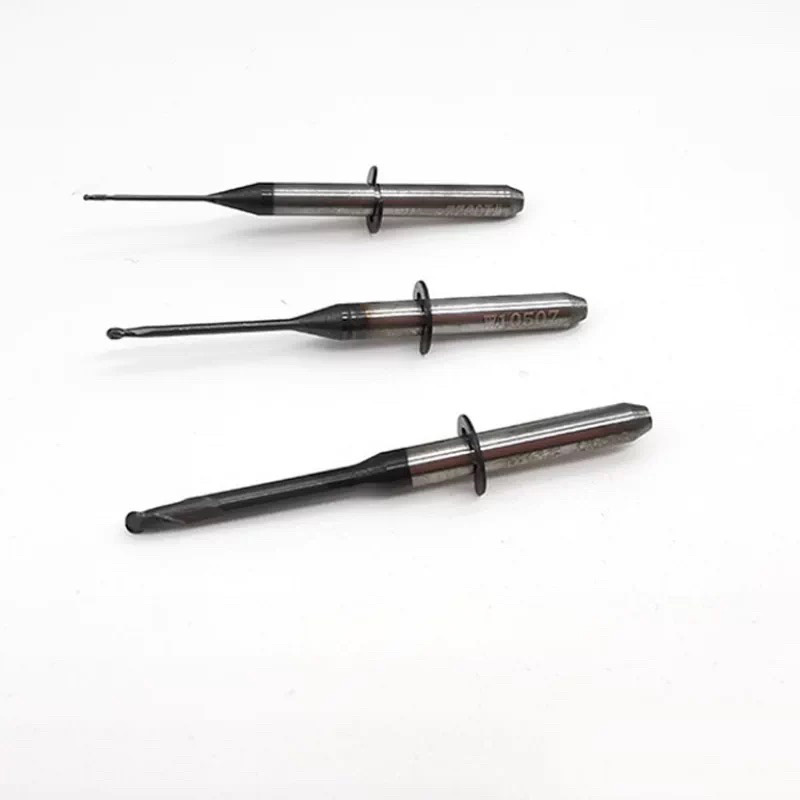
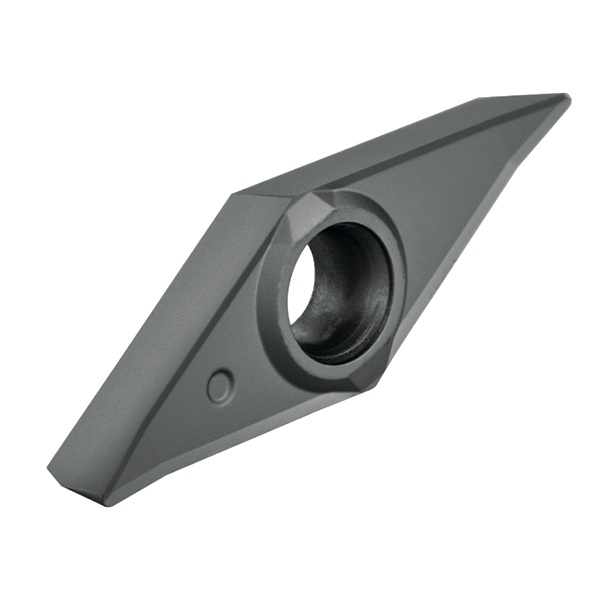
กราไฟต์ เซรามิก และคาร์บอนไฟเบอร์ คืออนาคต แต่พวกมันก็เป็น “ตัวทำลายเครื่องมือ” เช่นกัน หากคุณยังคงใช้สารเคลือบแบบดั้งเดิม คุณกำลังต่อสู้กับสิ่งที่ไม่มีวันชนะ
การเคลือบเพชรด้วยวิธี CVD (Chemical Vapor Deposition) ของเรา สร้างชั้นเพชรผลึกแท้บนพื้นผิวคาร์ไบด์ นี่ไม่ใช่แค่ "การเคลือบผิว" แต่เป็นเกราะป้องกัน
เหตุผลที่ผู้จัดจำหน่ายชั้นนำเลือกใช้ผลิตภัณฑ์ซีรี่ส์ CVD ของเรา:
1. แรงเสียดทานต่ำมาก: ป้องกันการเชื่อมติดกันของเศษโลหะและการสะสมความร้อน
2. ทนทานต่อการเสียดสีสูงเป็นพิเศษ: รักษาความคมของใบมีดได้นานกว่าถึง 20 เท่า
3. ผิวสำเร็จ: ผิวชิ้นงานเรียบลื่นเหมือนกระจก ไม่จำเป็นต้องขัดเงาซ้ำอีก