ไม่มีศักดิ์ศรี ก่อนที่คนขี้โกงจะเกลียดชัง euismod fermentum sem semper the is erat, feugiat สิงห์ urna eget eros ดุส เอเนียน ตัดผมเพื่อเสียงหัวเราะ
ไม่มีศักดิ์ศรี ก่อนที่คนขี้โกงจะเกลียดชัง euismod fermentum sem semper the is erat, feugiat สิงห์ urna eget eros ดุส เอเนียน ตัดผมเพื่อเสียงหัวเราะ
 ผู้เขียน
โดยทั่วไปแล้ว ดอกสว่านเคลือบเพชรเป็นตัวเลือกที่แข็งแรงกว่าเมื่อต้องใช้งานกับวัสดุที่มีฤทธิ์กัดกร่อน การผลิตจำนวนมาก ความสม่ำเสมอของรู และความถี่ในการเปลี่ยนเครื่องมือ ส่วนดอกสว่านคาร์ไบด์ยังคงเหมาะสมสำหรับการใช้งาน CNC ทั่วไป วัสดุที่มีฤทธิ์กัดกร่อนต่ำ ชิ้นงานต้นแบบ และการผลิตในปริมาณน้อย ซึ่งความทนทานต่อการสึกหรอที่เพิ่มขึ้นจากการเคลือบเพชรอาจไม่คุ้มค่ากับต้นทุนที่สูงกว่า ดังนั้น การตัดสินใจควรพิจารณาจากวัสดุของชิ้นงาน อายุการใช้งานของเครื่องมือที่คาดหวัง ความคลาดเคลื่อนของรู ปริมาณการผลิต และต้นทุนต่อรูที่ยอมรับได้มากกว่าความแข็งเพียงอย่างเดียว
สำหรับผู้ซื้อที่เปรียบเทียบดอกสว่านคาร์ไบด์กับดอกสว่านเพชร คำถามที่แท้จริงไม่ใช่ว่าวัสดุใดดูดีกว่าในเอกสารข้อมูลจำเพาะ แต่เป็นเครื่องมือใดที่ช่วยให้กระบวนการผลิตมีความเสถียรด้วยต้นทุนการผลิตที่ต่ำที่สุดเท่าที่จะเป็นไปได้

โดยทั่วไปแล้ว เครื่องมือทั้งสองประเภทมักถูกอธิบายว่าเป็นวัสดุที่แตกต่างกันโดยสิ้นเชิง แต่การเจาะในระดับอุตสาหกรรมนั้นมีความซับซ้อนมากกว่านั้น ดอกสว่านเคลือบเพชรมักเริ่มต้นด้วยวัสดุพื้นฐานที่เป็นคาร์ไบด์ และได้รับความทนทานต่อการสึกหรอเพิ่มเติมจากชั้นเพชร CVD ที่เคลือบอยู่บนพื้นผิวการตัด
คาร์ไบด์ซีเมนต์ยังคงถูกใช้งานบ่อยครั้งเนื่องจากความแข็งแกร่งและรูปทรงการตัดที่เฉพาะเจาะจง มีความแข็งอยู่ที่ 1400–1800 HV ซึ่งเพียงพอสำหรับการใช้งาน CNC ส่วนใหญ่ในปัจจุบัน
อย่างไรก็ตาม การใช้ดอกสว่านแบบร่องมีข้อจำกัดเมื่อชิ้นงานมีส่วนประกอบที่แข็งและมีฤทธิ์กัดกร่อน แม้ว่าเส้นใยแก้วในแผ่นลามิเนต PCB เส้นใยคาร์บอนในวัสดุคอมโพสิต และอนุภาคกัดกร่อนในกราไฟต์โดยทั่วไปจะไม่เป็นปัญหา แต่สารเหล่านี้สามารถทำให้คมตัดของดอกสว่านสึกกร่อนลงเรื่อยๆ เมื่อคมตัดสึกหรอ ขนาดของรู ปริมาณเศษโลหะที่เหลืออยู่บนชิ้นงาน และคุณภาพของพื้นผิวก็จะเริ่มเสื่อมลง
การเคลือบ CVD เพิ่มชั้นเพชรผลึกหลายเหลี่ยมลงบนเครื่องมือคาร์ไบด์ ความแข็งของเพชร CVD อยู่ที่ประมาณ 9000–10000 HV โดยมีสัมประสิทธิ์แรงเสียดทานประมาณ 0.05–0.1 และความหนาของการเคลือบที่ควบคุมได้อยู่ในช่วง 1–30 ไมโครเมตร
แน่นอนว่า ในการเลือกดอกสว่านนั้น นอกเหนือจากความทนทานต่อการแตกหักแล้ว ยังต้องพิจารณาปัจจัยอื่นๆ ด้วย ดอกสว่านที่มีการสึกหรอของคมตัดช้า แรงเสียดทานต่ำ และการนำความร้อนสูง จะช่วยให้รูปทรงการตัดคงสภาพได้นานขึ้น
TSHZ บริษัทพัฒนาเครื่องมือตัดแข็งพิเศษโดยใช้พื้นฐานคาร์ไบด์และการเคลือบ CVD ผลิตภัณฑ์ของบริษัทประกอบด้วยดอกสว่านขนาดเล็กสำหรับงาน PCB เครื่องมือกราไฟต์ ดอกกัด ดอกเจาะฟัน รวมถึงเครื่องมือเคลือบเพชรแบบกำหนดเองจำนวนมากสำหรับวัสดุขัดถู การเคลือบไม่ได้ถูกมองว่าเป็นการอัพเกรดแบบทั่วไป แต่เป็นส่วนประกอบที่ขึ้นอยู่กับฟังก์ชัน โดยการเลือกใช้ผลิตภัณฑ์ขึ้นอยู่กับวัสดุชิ้นงาน การออกแบบเครื่องมือ และข้อกำหนดในการผลิต
สำหรับผู้ใช้งานที่กำลังประเมินดอกสว่านเคลือบเพชร CVD ความแตกต่างนี้มีความสำคัญอย่างยิ่ง การเคลือบช่วยปรับปรุงพฤติกรรมของพื้นผิวของเครื่องมือคาร์ไบด์ที่ออกแบบมาอย่างเหมาะสม แต่ไม่ได้ขจัดความจำเป็นในการใช้รูปทรงเรขาคณิตที่เหมาะสม การระบายเศษ และพารามิเตอร์การตัดเฉือนที่เหมาะสม
การเคลือบด้วยเพชรเหมาะสำหรับวัสดุที่ไม่ใช่เหล็กและไม่ใช่โลหะที่มีฤทธิ์กัดกร่อนสูง เช่น กราไฟต์ CFRP แผ่นลามิเนต PCB เซรามิก และอะลูมิเนียมที่มีซิลิคอนสูง
ไม่ควรใช้เพชรเป็นวัสดุทดแทนคาร์ไบด์ได้ทุกอย่าง เนื่องจากเพชรมีพฤติกรรมทางเคมีที่ไม่เหมาะสมกับเหล็กที่อุณหภูมิการตัดสูง ดังนั้นวัสดุที่มีธาตุเหล็กเป็นองค์ประกอบ เช่น เหล็กกล้าชุบแข็งและเหล็กกล้าไร้สนิม จึงต้องใช้กลยุทธ์การเลือกใช้เครื่องมือที่แตกต่างออกไป
ด้วยเหตุนี้จึงควรเลือกดอกสว่านสำหรับวัสดุที่มีฤทธิ์กัดกร่อนโดยพิจารณาจากชิ้นงานเป็นหลัก ไม่ใช่พิจารณาจากความแข็งของสารเคลือบผิวเพียงอย่างเดียว
ข้อได้เปรียบจะชัดเจนยิ่งขึ้นเมื่อการสึกหรอของเครื่องมือเริ่มส่งผลต่อความเสถียรของกระบวนการ กรณีที่เห็นได้ชัดเจนที่สุดมักจะเป็นวัสดุที่มีฤทธิ์กัดกร่อน การผลิตซ้ำ และการใช้งานที่การเปลี่ยนแปลงเล็กน้อยในสภาพของคมตัดอาจทำให้เกิดข้อบกพร่องของรูที่ก่อให้เกิดค่าใช้จ่ายสูง
ในการใช้งาน PCB บางประเภท เครื่องมือเคลือบเพชร CVD สามารถใช้งานได้ยาวนานกว่าเครื่องมือคาร์ไบด์ทั่วไปอย่างมาก ข้อมูลการใช้งานของ TSHZ ระบุว่ากรณีการใช้งาน PCB สามารถใช้งานได้นานกว่าเครื่องมือคาร์ไบด์ทั่วไปถึง 20-30 เท่า ในขณะที่ตัวอย่างการตัดเฉือนกราไฟต์มีอายุการใช้งานประมาณ 3-18 เท่า ตัวเลขเหล่านี้ควรพิจารณาว่าเป็นค่าเฉพาะของการใช้งานมากกว่าค่าทั่วไป เนื่องจากเส้นผ่านศูนย์กลาง โครงสร้างของลามิเนต สภาพของแกนหมุน และรูปทรงของเครื่องมือ ล้วนส่งผลต่ออายุการใช้งานจริง
นี่คือเหตุผลที่ดอกสว่านเคลือบเพชรสำหรับงานกลึง CNC จึงมีความน่าสนใจในเชิงพาณิชย์ ช่วงเวลาการตัดที่ยาวขึ้นหมายถึงการเปลี่ยนเครื่องมือที่น้อยลง และการเบี่ยงเบนของขนาดที่เกิดจากการสึกหรอของคมตัดที่ลดลง
มีรายงานว่าเพชรมีค่าการนำความร้อนประมาณ 2000 วัตต์/(เมตร·เคลวิน) ในขณะที่พื้นผิว CVD มีค่าสัมประสิทธิ์แรงเสียดทานต่ำมาก
สำหรับงานเจาะ คุณสมบัติเหล่านี้ช่วยได้สองทางในทางปฏิบัติ แรงเสียดทานที่ต่ำลงช่วยลดแรงต้านการตัดและการเกาะติดของเศษโลหะ ส่วนการนำความร้อนสูงช่วยระบายความร้อนออกจากบริเวณการตัดได้รวดเร็วยิ่งขึ้น
เรื่องนี้มีความสำคัญในแผ่นวัสดุที่มีเรซินเป็นส่วนประกอบและวัสดุคอมโพสิตอื่นๆ ที่ไวต่อความร้อน เนื่องจากเครื่องมือที่สึกหรอหรือร้อนเกินไปอาจทำให้วัสดุเสียหาย ผนังรูไม่เรียบ หรือการเจาะไม่เสถียร
FR-4 ประกอบด้วยเส้นใยแก้ว เรซิน และแผ่นฟอยล์ทองแดง เส้นใยแก้วจะเร่งการสึกหรอ ในขณะที่ความคมของขอบที่ลดลงอาจนำไปสู่ปัญหาต่างๆ เช่น ครีบ หัวตะปู การเบี่ยงเบนของตำแหน่งรู และผนังรูที่ไม่เรียบ
สำหรับงานที่ต้องการความละเอียดสูงหลายชั้นและงาน HDI ที่ต้องการประสิทธิภาพสูง TSHZ คือคำตอบ ดอกสว่านเพชรสำหรับ PCB ผลิตภัณฑ์ในกลุ่มนี้ได้แก่ ซีรี่ส์ TS-A01UC การใช้งานหลักคือการดูดเศษชิปและการตกแต่งรูในแผงวงจรหลายชั้นและแผงวงจร HDI โดย TS-A01UC มีขนาดเส้นผ่านศูนย์กลางตั้งแต่ประมาณ 0.2 ถึง 1.2 มม.
สำหรับงานผลิตประเภทนี้ ดอกสว่านเคลือบเพชรมีคุณค่าอย่างยิ่ง เนื่องจากมีจุดประสงค์เพื่อรักษาความคงตัวของคมตัดได้นานกว่า แทนที่จะเพียงแค่เจาะได้เร็วขึ้นเท่านั้น

การเคลือบผิวที่แพงกว่าไม่ได้หมายความว่าจะคุ้มค่ากว่าเสมอไป ผู้ซื้อควรพิจารณาก่อนว่าการสึกหรอของเครื่องมือเป็นปัจจัยจำกัดกระบวนการในปัจจุบันหรือไม่
สำหรับวัสดุที่มีการสึกหรอต่ำ การเจาะทั่วไป และการใช้งานที่ต้องการคุณภาพรูเจาะไม่สูงมากนัก คาร์ไบด์อาจมีอายุการใช้งานที่เพียงพอแล้ว
หากดอกสว่านคาร์ไบด์ทำงานได้ครบชุดโดยไม่มีการสึกหรอของคมตัด การเบี่ยงเบนของขนาด หรือการเปลี่ยนเครื่องมือบ่อยเกินไป การเปลี่ยนไปใช้ดอกสว่านเคลือบเพชรอาจเพิ่มต้นทุนโดยไม่ได้แก้ปัญหาที่แท้จริง
การผลิตต้นแบบและการผลิตจำนวนน้อยมักนิยมใช้คาร์ไบด์ เนื่องจากปริมาณการตัดอาจไม่เพียงพอที่จะชดเชยต้นทุนเพิ่มเติมของการเคลือบผิว
การคำนวณจะเปลี่ยนแปลงไปในกระบวนการผลิตต่อเนื่อง หากการเปลี่ยนชิ้นส่วนบ่อยครั้งทำให้แกนหมุนหยุดทำงาน ต้องตั้งค่าเครื่องมือ หรือทำให้การตรวจสอบหยุดชะงัก ช่วงเวลาการทำงานที่ยาวนานขึ้นของเครื่องมือเคลือบผิวจึงมีความสำคัญมากขึ้น
สำหรับเหล็กและชิ้นงานที่มีธาตุเหล็กเป็นส่วนประกอบหลัก การเลือกใช้เพชรไม่ควรทำเพียงเพราะว่ามันแข็งกว่า
ความเข้ากันได้ของวัสดุต้องมาก่อน ข้อจำกัดนี้มีความสำคัญอย่างยิ่งสำหรับทีมจัดซื้อที่จัดหาดอกสว่านสำหรับวัสดุที่มีฤทธิ์กัดกร่อน เนื่องจากคำว่า "มีฤทธิ์กัดกร่อน" เพียงอย่างเดียวไม่ได้หมายความว่าการเคลือบด้วยเพชรจะเหมาะสมเสมอไป
กระบวนการคัดเลือกที่มีประสิทธิภาพควรพิจารณาทั้งคุณสมบัติของวัสดุ ปริมาณการผลิต รูปทรงของรู และต้นทุนของกระบวนการ การเปรียบเทียบเฉพาะราคาเครื่องมือมักให้คำตอบที่ไม่สมบูรณ์
| สถานการณ์การกลึง | ดอกสว่านคาร์ไบด์ | สว่านเคลือบเพชร |
| การตัดเฉือนทั่วไปที่มีการเสียดสีต่ำ | ใช้ได้จริง | มักไม่จำเป็น |
| ต้นแบบและการผลิตจำนวนน้อย | โดยทั่วไปแล้วประหยัด | ขึ้นอยู่กับประโยชน์ด้านอายุการใช้งานของเครื่องมือ |
| การผลิต PCB มาตรฐาน | เหมาะสมในหลายกรณี | มีประโยชน์ในกรณีที่การสึกหรอจำกัดผลผลิต |
| แผงวงจรพิมพ์หลายชั้น HDI และสารกัดกร่อน | การสึกหรอที่เร็วขึ้นอาจกลายเป็นปัญหาได้ | ผู้สมัครที่มีคุณสมบัติเหมาะสม |
| CFRP และวัสดุคอมโพสิตที่มีฤทธิ์กัดกร่อน | ต้องตรวจสอบการสึกหรออย่างใกล้ชิด | มักจะเหมาะสมกว่า |
| กราไฟต์ | การสึกหรอจากการเสียดสีอาจเกิดขึ้นอย่างรวดเร็ว | ผู้สมัครที่มีคุณสมบัติเหมาะสม |
สำหรับดอกสว่านเคลือบเพชรสำหรับเจาะแผ่นวงจรพิมพ์ (PCB) ปริมาณการผลิตมีความสำคัญเกือบเท่ากับชนิดของวัสดุเคลือบ เครื่องมือที่มีราคาซื้อสูงกว่าอาจคุ้มค่ากว่าหากสามารถเจาะรูได้คุณภาพดีกว่าก่อนที่จะต้องเปลี่ยนใหม่
TSHZ แบ่งช่วงขนาดรูเจาะ PCB ตามการใช้งาน แทนที่จะเสนอขนาดรูเจาะแบบเดียวสำหรับบอร์ดทุกประเภท
ชุดดอกสว่าน TS-A01UC เหมาะสำหรับการเจาะวัสดุหลายชั้นและวัสดุ HDI ส่วน TS-A02 ST เหมาะสำหรับวัสดุทั่วไป เช่น แผ่น FR-4 และ CEM-E และ TS-A03 ครอบคลุมความต้องการรูขนาดใหญ่ รวมถึงขนาดเส้นผ่านศูนย์กลางดอกสว่านสูงสุดถึง 6.5 มม.
ขนาดเส้นผ่านศูนย์กลางของรูต้องคำนึงถึงข้อกำหนดขั้นสุดท้ายและค่าเผื่อการชุบด้วย สำหรับรูที่มีขนาดใหญ่กว่า 0.5 มม. คำแนะนำในการเลือกที่มีอยู่จะระบุช่วงการชดเชยการชุบโดยทั่วไปอยู่ที่ประมาณ 0.03–0.05 มม. แม้ว่าค่าสุดท้ายจะต้องเป็นไปตามกระบวนการผลิต PCB จริงก็ตาม
วิธีการคำนวณการจัดซื้อที่มีประโยชน์อย่างหนึ่งคือ:
ต้นทุนต่อรูเจาะ = ต้นทุนเครื่องมือ ÷ จำนวนรูเจาะที่ยอมรับได้ทั้งหมด
ต้นทุนเฉพาะเครื่องมือยังไม่รวมเวลาหยุดทำงานเพื่อเปลี่ยนเครื่องมือ การหยุดชะงักของเครื่องจักร การปรับค่าชดเชย การตรวจสอบ หรือเศษวัสดุที่เกิดจากดอกสว่านที่สึกหรอมากเกินไป
ในการใช้งานบางประเภท เครื่องมือเคลือบ CVD ช่วยลดต้นทุนรวมของเครื่องมือลงได้ประมาณ 20-30% และลดเวลาในการเปลี่ยนเครื่องมือลงได้ประมาณ 90% ตัวเลขเหล่านี้เป็นผลลัพธ์จากการใช้งานจริง ไม่ใช่ตัวเลขที่รับประกันได้ แต่แสดงให้เห็นว่าเหตุใดจึงควรประเมินดอกสว่านเคลือบเพชรโดยพิจารณาจากต้นทุนการผลิตแทนที่จะพิจารณาจากราคาซื้อเพียงอย่างเดียว
เมื่อทราบข้อกำหนดด้านวัสดุและการผลิตแล้ว ขั้นตอนต่อไปคือการเลือกโครงสร้างดอกสว่านให้เหมาะสมกับกระบวนการจริง TSHZ รองรับทั้งการเจาะ PCB มาตรฐานและเครื่องมือ CVD เฉพาะสำหรับการใช้งานต่างๆ
เดอะ ดอกสว่านเพชรสำหรับ PCB ช่วงค่าความต้านทานมีความสำคัญมากที่สุดในกรณีที่แผ่นวงจรพิมพ์แบบ FR-4, แผ่นวงจรพิมพ์หลายชั้น, โครงสร้าง HDI หรือแผ่นลามิเนต PCB ที่มีฤทธิ์กัดกร่อนอื่นๆ ทำให้เกิดการสึกหรอที่ขอบอย่างรวดเร็ว
TS-A01UC เหมาะอย่างยิ่งสำหรับการเจาะรูขนาดเล็กที่ต้องการความแม่นยำสูง ในขณะที่ TS-A02 ST และ TS-A03 ครอบคลุมความต้องการด้านแผ่นวงจรและขนาดเส้นผ่านศูนย์กลางที่แตกต่างกัน ทำให้การเลือกผลิตภัณฑ์ง่ายกว่าการมองงานเจาะแผ่นวงจรพิมพ์ทุกงานเป็นงานประเภทเดียวกัน
สำหรับโครงการที่นอกเหนือไปจากการเจาะแผ่น PCB แล้ว TSHZ ยังมีบริการอื่นๆ อีกด้วย เครื่องมือตัดเคลือบเพชร CVD สำหรับวัสดุต่างๆ เช่น กราไฟต์, CFRP, อะลูมิเนียมซิลิคอนสูง และชิ้นงานที่ไม่ใช่เหล็กหรืออโลหะที่มีฤทธิ์กัดกร่อนอื่นๆ
คำถามที่สำคัญไม่ใช่ว่าเพชรแข็งกว่าคาร์ไบด์หรือไม่ แต่เป็นว่าสารเคลือบนั้นสามารถรักษาคุณสมบัติทางเรขาคณิตและสภาพการตัดที่ต้องการได้นานกว่าภายใต้ภาระของวัสดุจริงหรือไม่
เครื่องมือมาตรฐานในแคตตาล็อกไม่สามารถครอบคลุมขนาดเส้นผ่านศูนย์กลางรู ระยะการเข้าถึง รูปทรงร่อง หรือโครงสร้างชิ้นงานทุกแบบได้ สำหรับกรณีเหล่านั้น TSHZ จึงมีตัวเลือกเพิ่มเติม บริการสร้างโปรไฟล์แบบกำหนดเอง โดยพิจารณาจากคุณลักษณะของวัสดุ สภาพการตัดเฉือน ข้อกำหนดด้านมิติ และประสิทธิภาพที่คาดหวังของเครื่องมือ
ก่อนเลือกใช้เครื่องมือแบบกำหนดเอง ควรเตรียมข้อมูลเกี่ยวกับวัสดุชิ้นงาน เส้นผ่านศูนย์กลางและความลึกของรูที่ต้องการ ค่าความคลาดเคลื่อน อายุการใช้งานของเครื่องมือคาร์ไบด์ในปัจจุบัน สภาพของแกนหมุน และขนาดของชุดการผลิตที่คาดหวัง รายละเอียดเหล่านี้จะช่วยให้ทีมวิศวกรรมมีข้อมูลพื้นฐานที่มีประโยชน์มากขึ้นสำหรับการเลือกเครื่องมือ
หากดอกสว่านคาร์ไบด์ที่คุณใช้อยู่สึกหรอเร็วเกินไป เจาะรูไม่สม่ำเสมอ หรือต้องเปลี่ยนดอกสว่านบ่อย โปรดแจ้งข้อมูลวัสดุ ขนาดรูเจาะ ขนาดชุดการผลิต และอายุการใช้งานของดอกสว่านปัจจุบันผ่านทาง TSHZ ติดต่อ ช่องสัญญาณนี้ช่วยในการพิจารณาว่า การเจาะรู PCB มาตรฐาน การกำหนดค่า CVD อื่นๆ หรือโปรไฟล์แบบกำหนดเอง เป็นวิธีที่เหมาะสมกว่ากัน
ดอกสว่านเคลือบเพชรดีกว่าดอกสว่านคาร์ไบด์เสมอหรือไม่?
ไม่ ดอกสว่านเคลือบเพชรมีประโยชน์มากที่สุดสำหรับวัสดุที่ไม่ใช่เหล็กหรือวัสดุที่ไม่ใช่โลหะที่มีฤทธิ์กัดกร่อน และสำหรับการผลิตในปริมาณมาก ดอกสว่านคาร์ไบด์อาจประหยัดกว่าสำหรับการกลึงทั่วไป การผลิตในปริมาณน้อย และการใช้งานที่การสึกหรอไม่ใช่ปัจจัยจำกัดกระบวนการ
วัสดุใดบ้างที่เหมาะสมสำหรับดอกสว่านเคลือบเพชร?
การใช้งานทั่วไป ได้แก่ แผ่นลามิเนต PCB, กราไฟต์, CFRP, เซรามิก และอะลูมิเนียมที่มีซิลิคอนสูง อย่างไรก็ตาม ต้องตรวจสอบองค์ประกอบทางเคมีของวัสดุด้วย เนื่องจากโดยทั่วไปแล้วการเคลือบด้วยเพชรไม่ได้ออกแบบมาสำหรับวัสดุที่มีธาตุเหล็กสูง เช่น เหล็กกล้า
เหตุใดจึงใช้ดอกสว่านเคลือบเพชรในการเจาะแผ่นวงจรพิมพ์ (PCB)?
เส้นใยแก้วในแผ่นวงจรพิมพ์ชนิด FR-4 รวมถึงแผ่นวงจรพิมพ์หลายชั้นนั้นมีฤทธิ์กัดกร่อนสูงมาก ดอกสว่านเคลือบเพชรสำหรับเจาะแผ่นวงจรพิมพ์จะรักษาความคมได้นานกว่า ทำให้สามารถควบคุมการเกิดครีบ ความหนาของผนังรู หัวตะปู ฯลฯ และลดความถี่ในการเปลี่ยนเครื่องมือในระหว่างการผลิตจำนวนมากได้
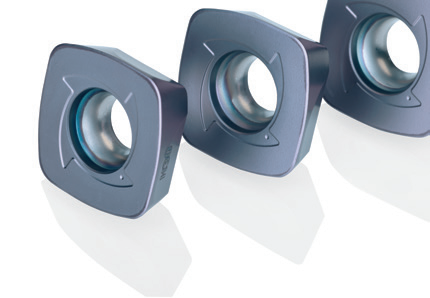
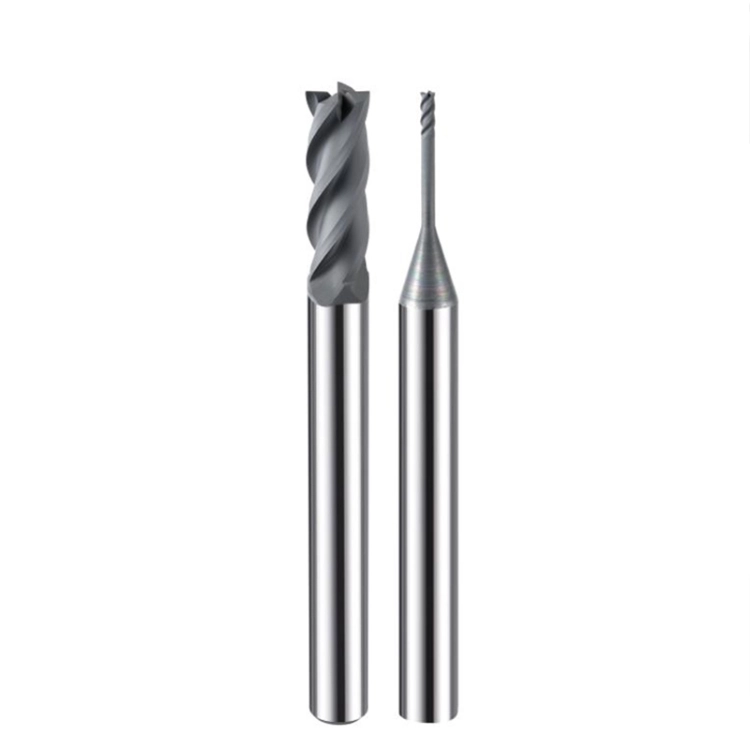
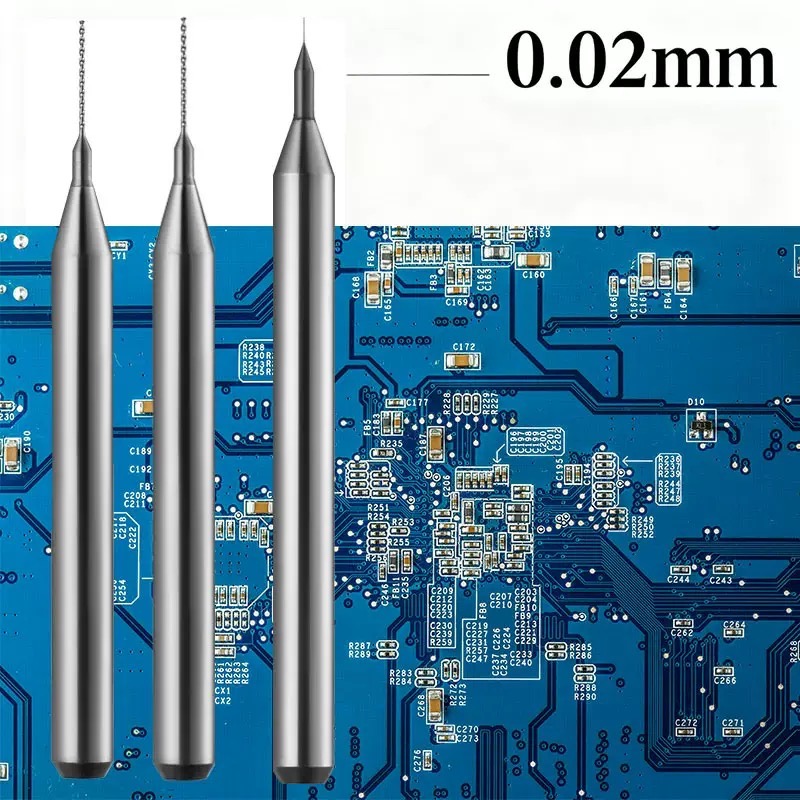
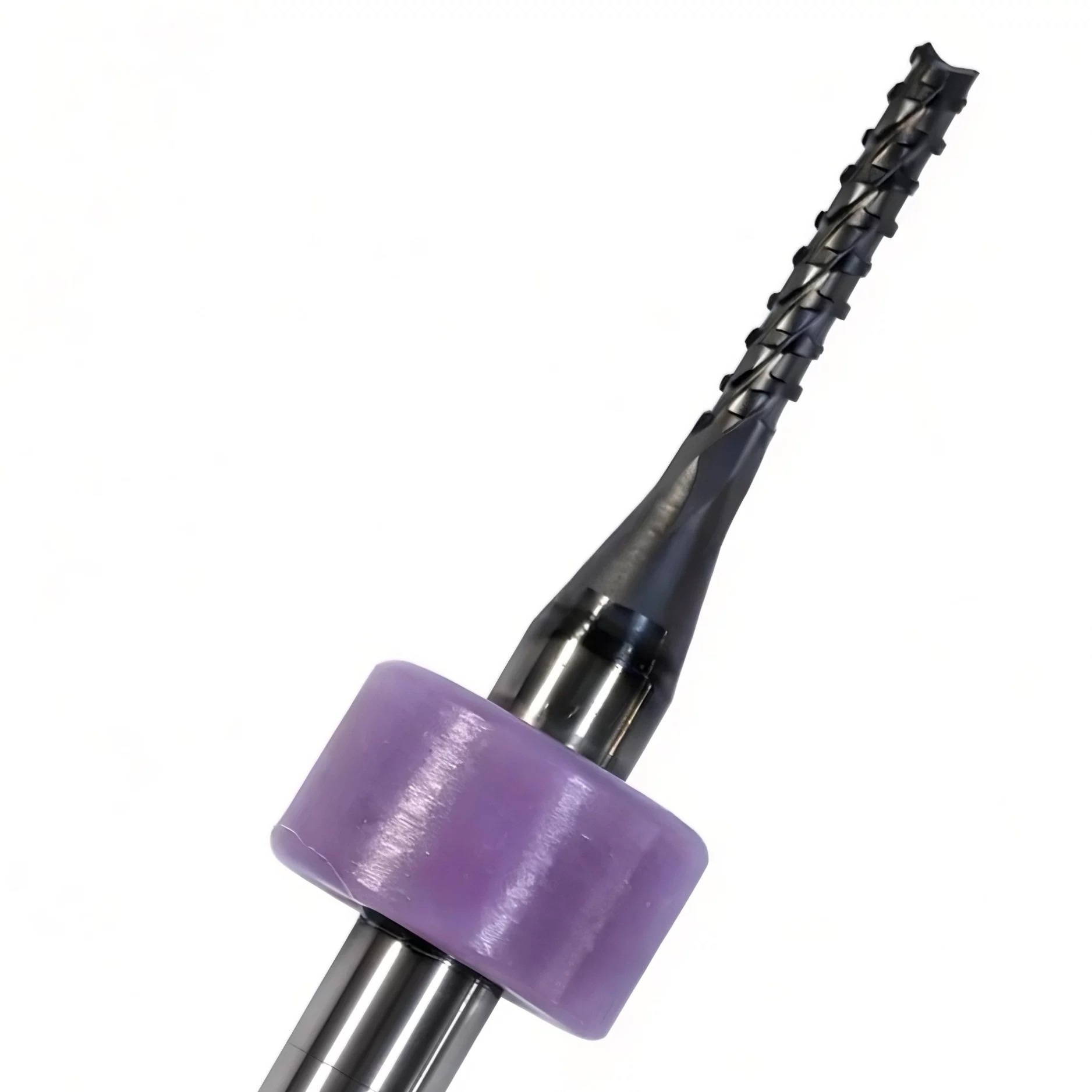
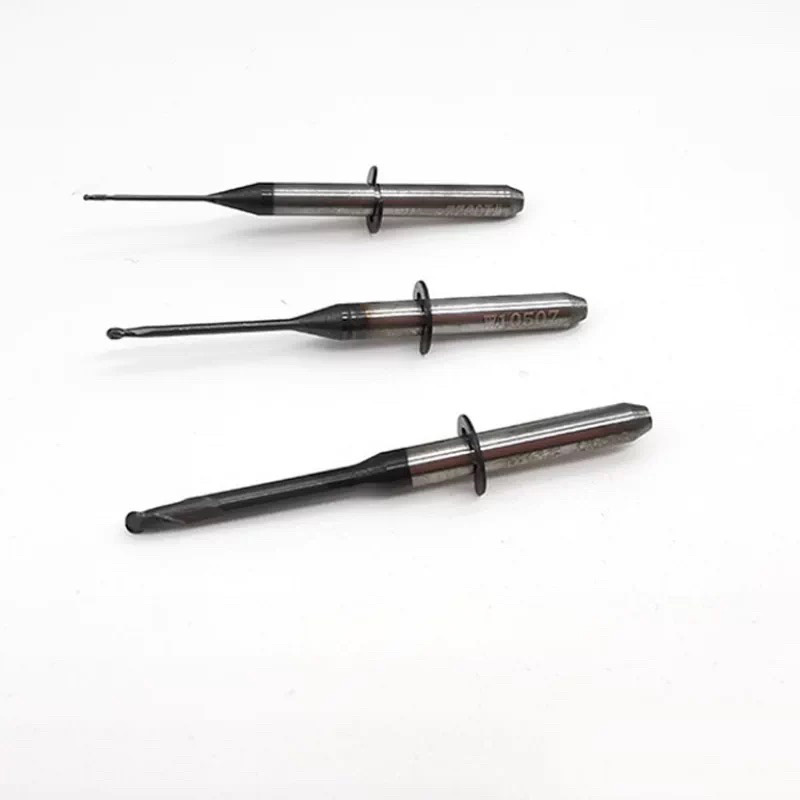
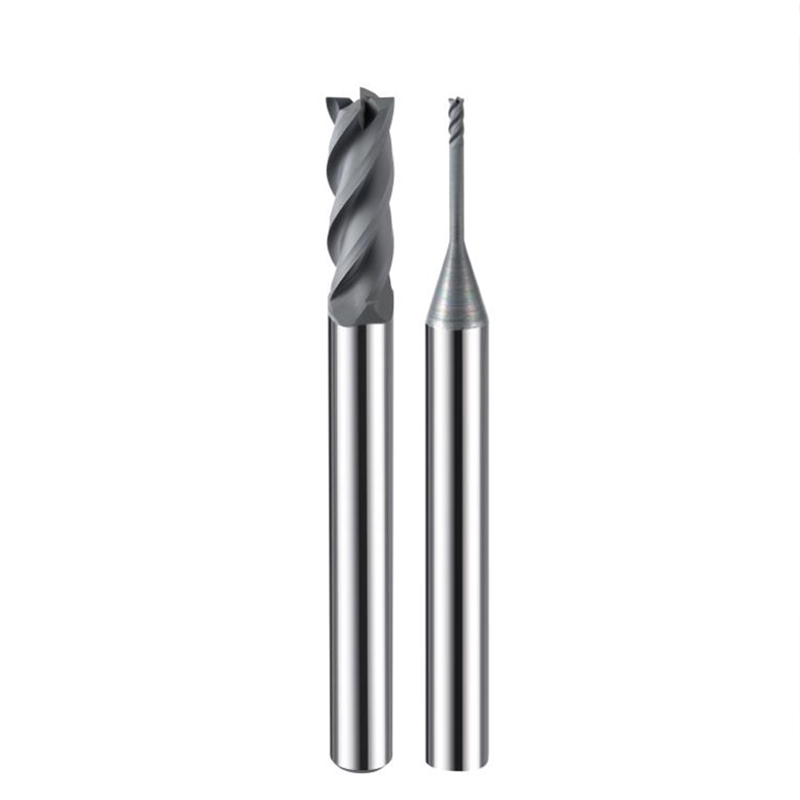
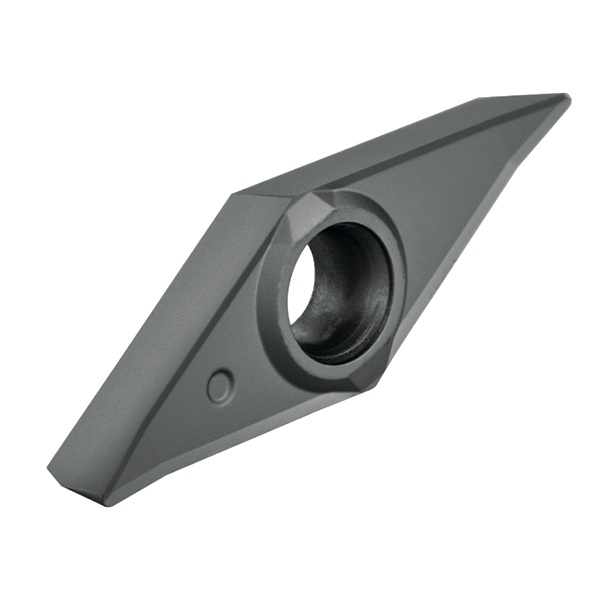
กราไฟต์ เซรามิก และคาร์บอนไฟเบอร์ คืออนาคต แต่พวกมันก็เป็น “ตัวทำลายเครื่องมือ” เช่นกัน หากคุณยังคงใช้สารเคลือบแบบดั้งเดิม คุณกำลังต่อสู้กับสิ่งที่ไม่มีวันชนะ
การเคลือบเพชรด้วยวิธี CVD (Chemical Vapor Deposition) ของเรา สร้างชั้นเพชรผลึกแท้บนพื้นผิวคาร์ไบด์ นี่ไม่ใช่แค่ "การเคลือบผิว" แต่เป็นเกราะป้องกัน
เหตุผลที่ผู้จัดจำหน่ายชั้นนำเลือกใช้ผลิตภัณฑ์ซีรี่ส์ CVD ของเรา:
1. แรงเสียดทานต่ำมาก: ป้องกันการเชื่อมติดกันของเศษโลหะและการสะสมความร้อน
2. ทนทานต่อการเสียดสีสูงเป็นพิเศษ: รักษาความคมของใบมีดได้นานกว่าถึง 20 เท่า
3. ผิวสำเร็จ: ผิวชิ้นงานเรียบลื่นเหมือนกระจก ไม่จำเป็นต้องขัดเงาซ้ำอีก