< img height="1" width="1" style="display:none" src="https://www.facebook.com/tr?id=26825290190466607&ev=PageView&noscript=1" />

Nullam dignissim, ante scelerisque the is euismod fermentum odio sem semper the is erat, a feugiat leo urna eget eros. Duis Aenean a imperdiet risus.
Home

Our Products:

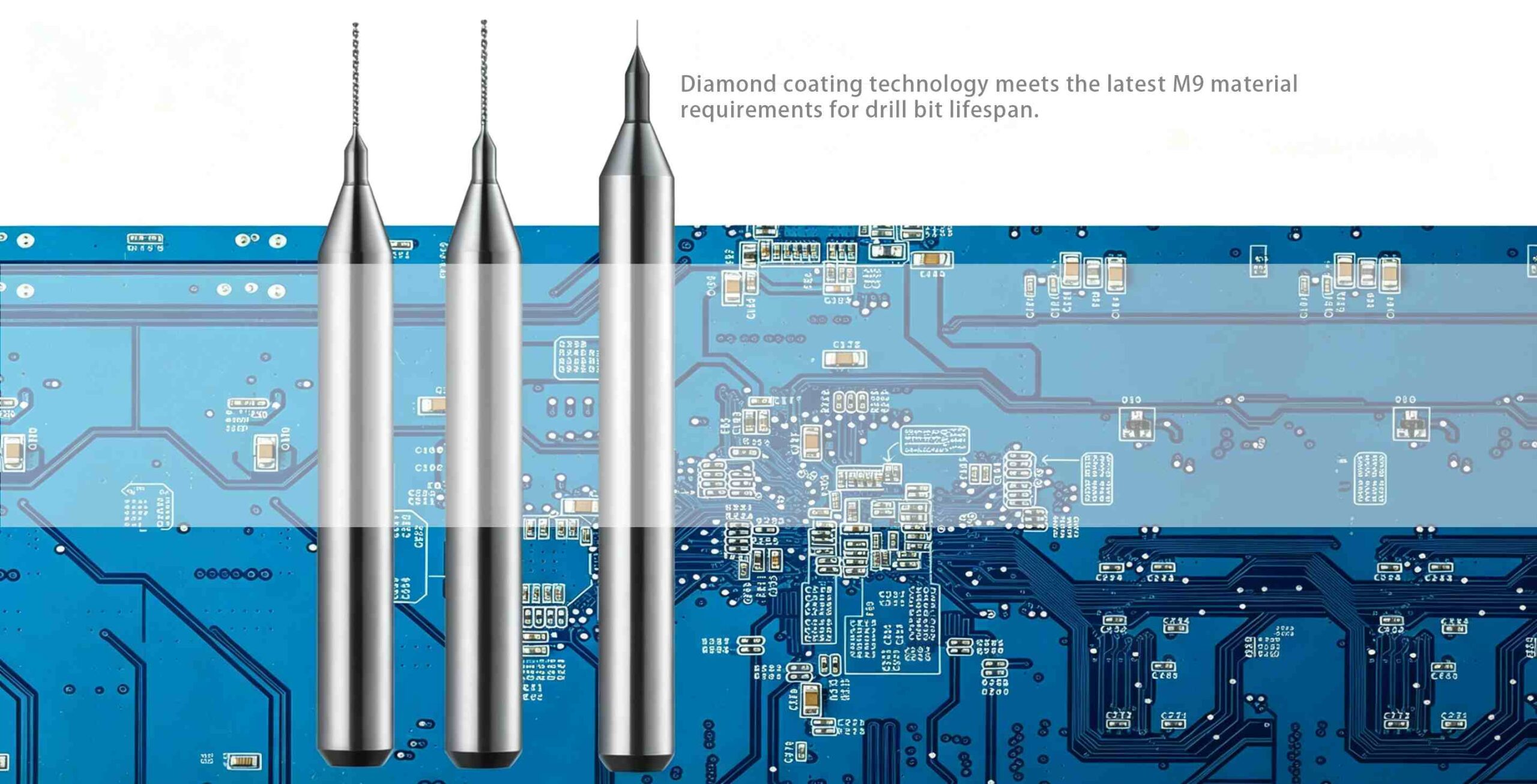
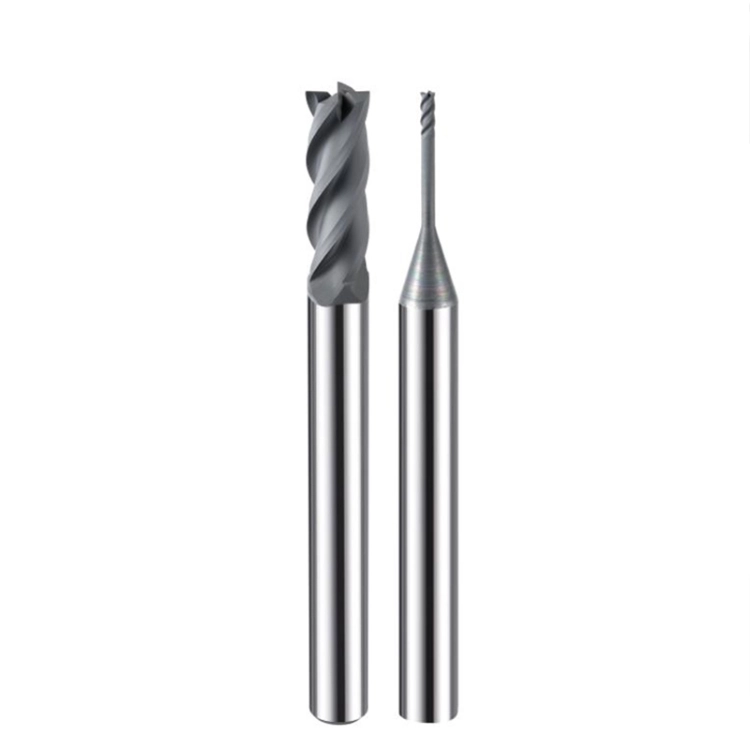
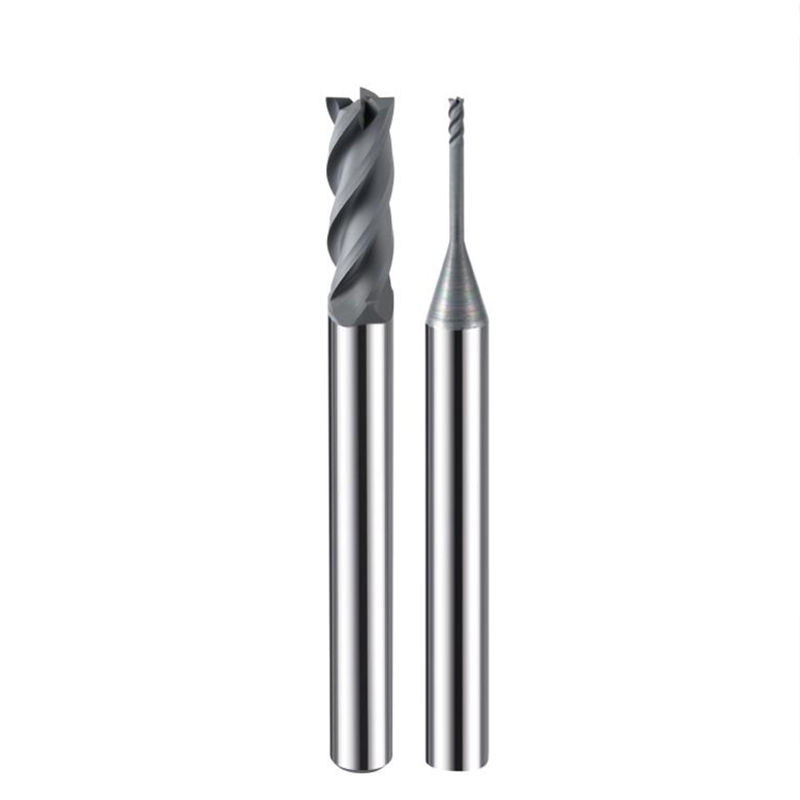
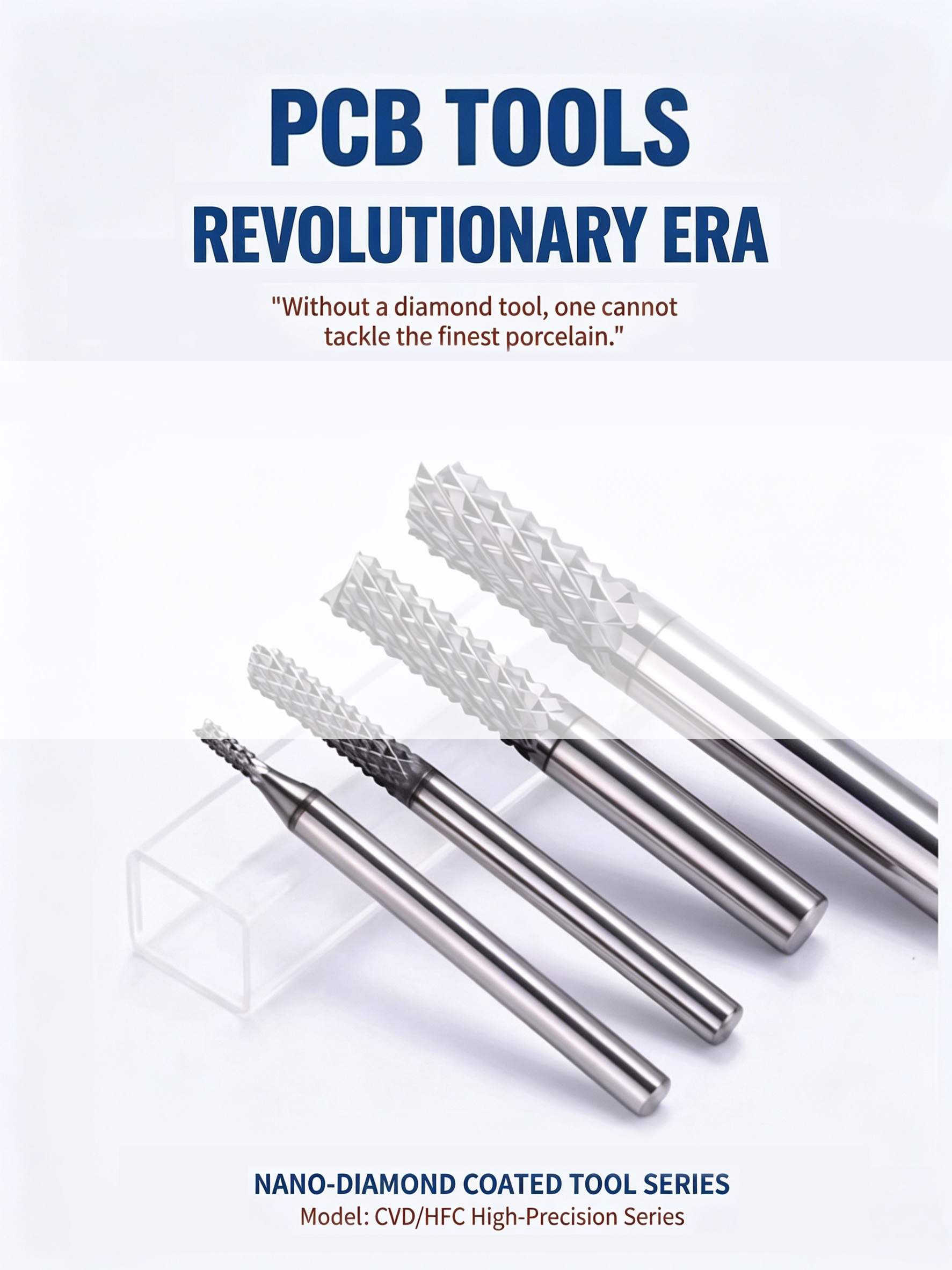
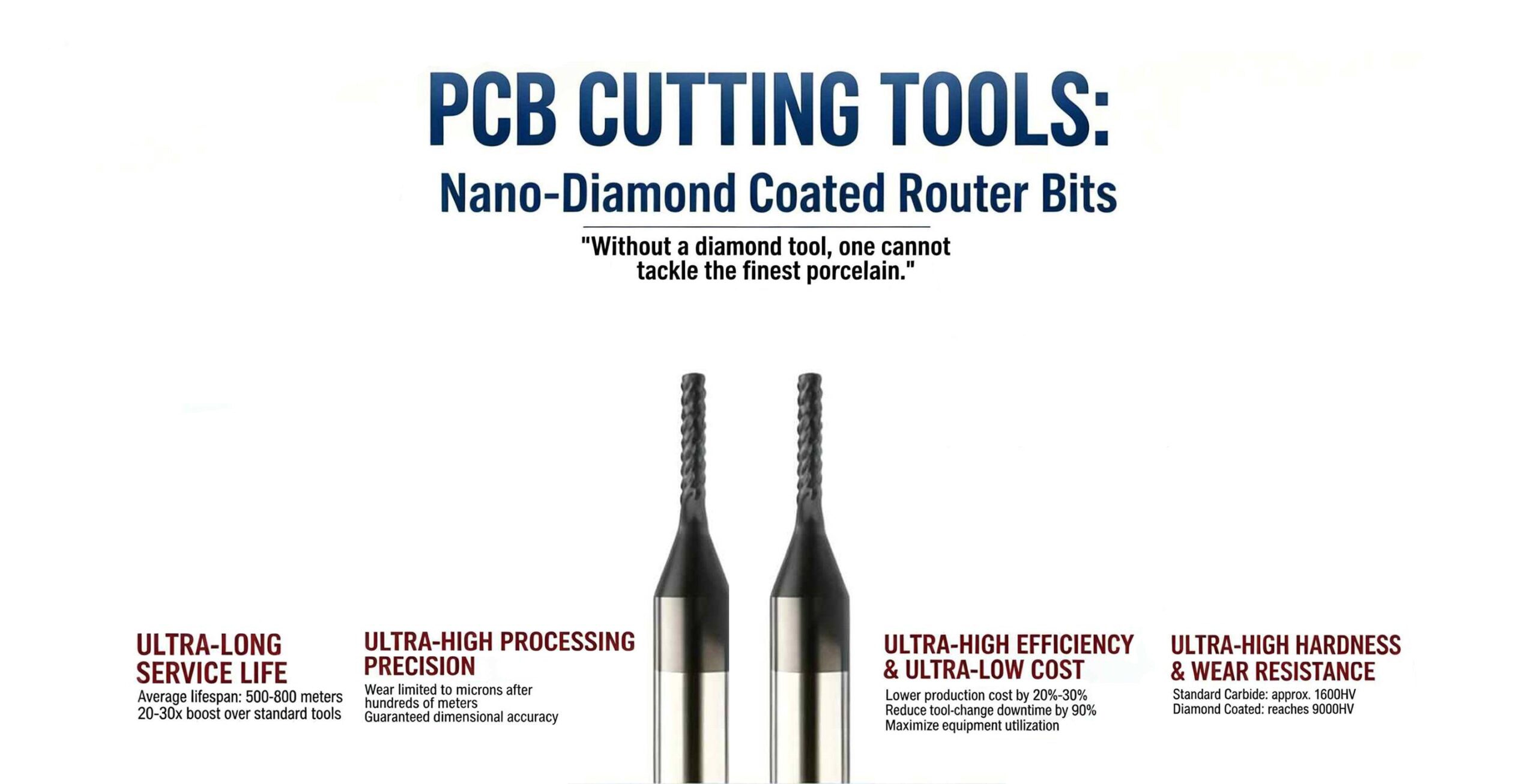
Our CVD Diamond Coated Tools aren’t just "harder." They are a 20X life-extender for your production line.PCB cutting length exceeds 500 meters

Our Products:

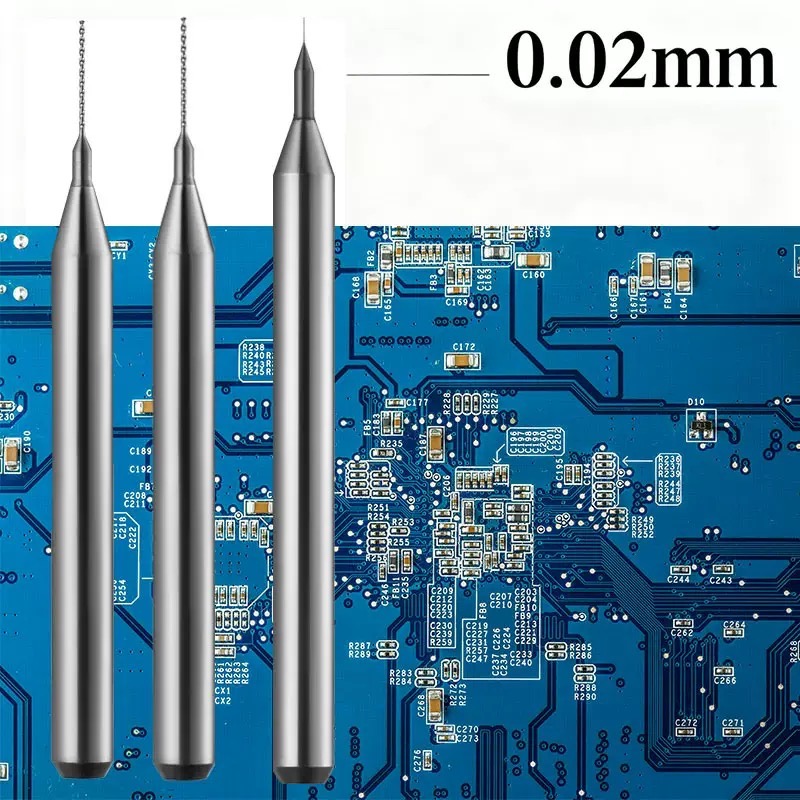
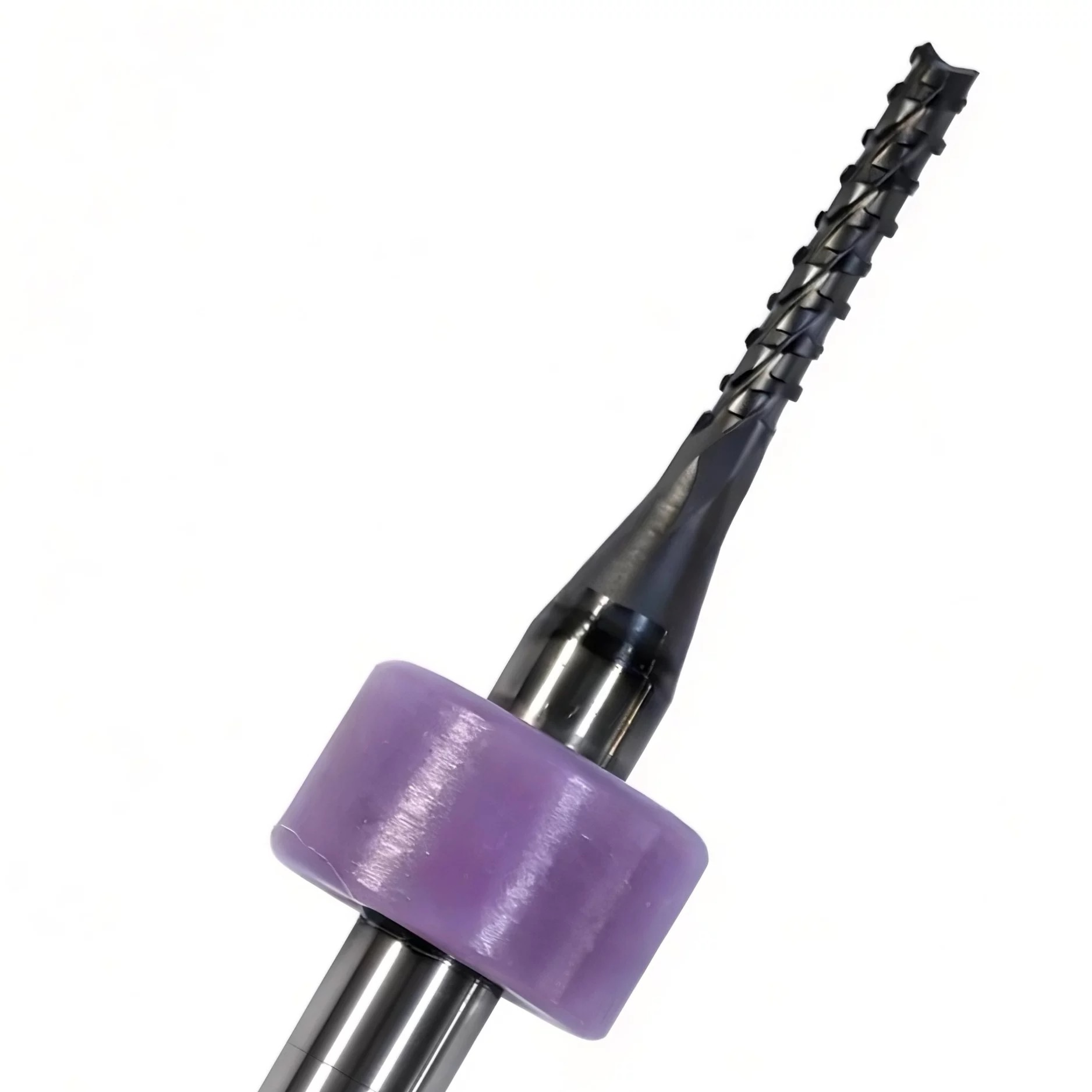
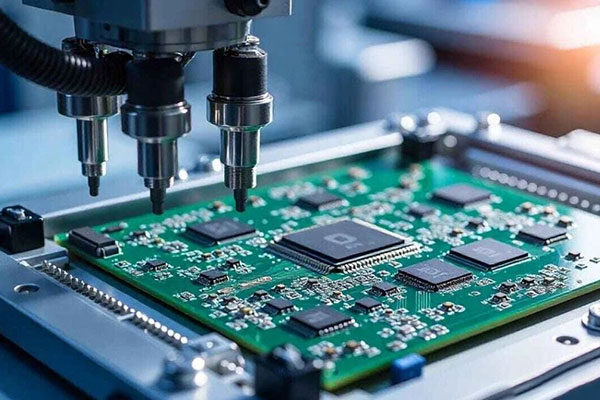
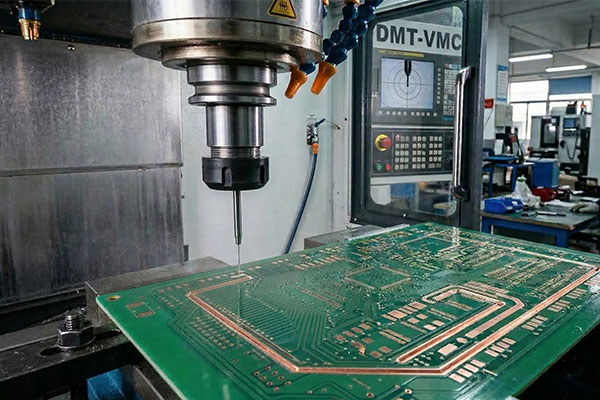
Our CVD coating is the perfect solution for difficult-to-machine PCBs,Over 20 times longer lifespan.

PCB Drill Bit Challenges

Our coating technology performs exceptionally well on high-layer-count AI server boards and high-frequency, high-speed boards (such as M9 and PTFE).

Our Products:

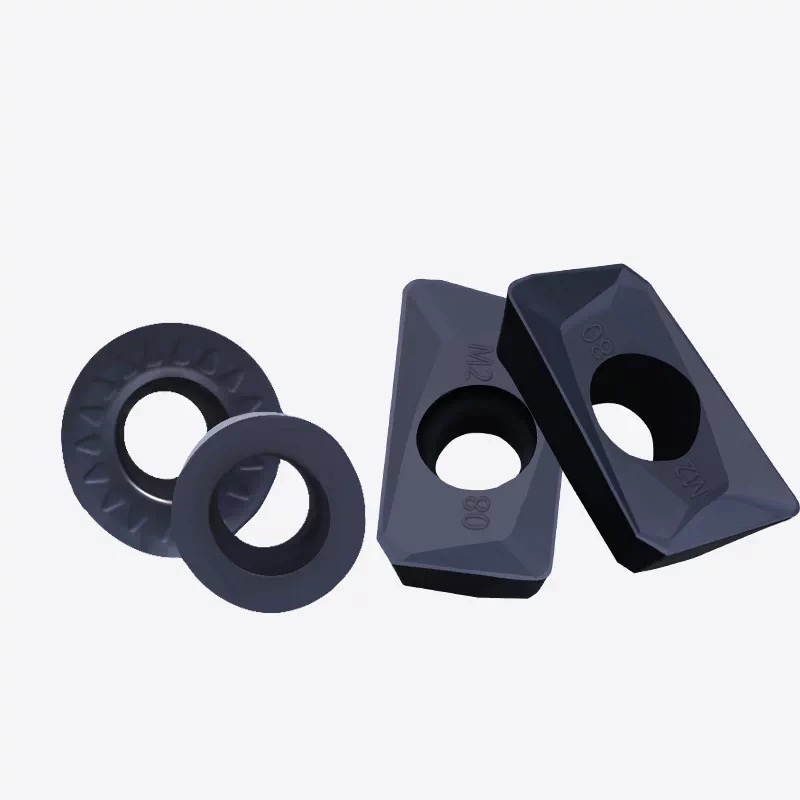
Ultra-low friction, 20 times more wear-resistant, and excellent surface finish— provide your customers with tools that make competitors look like they're still stuck in the 90s.

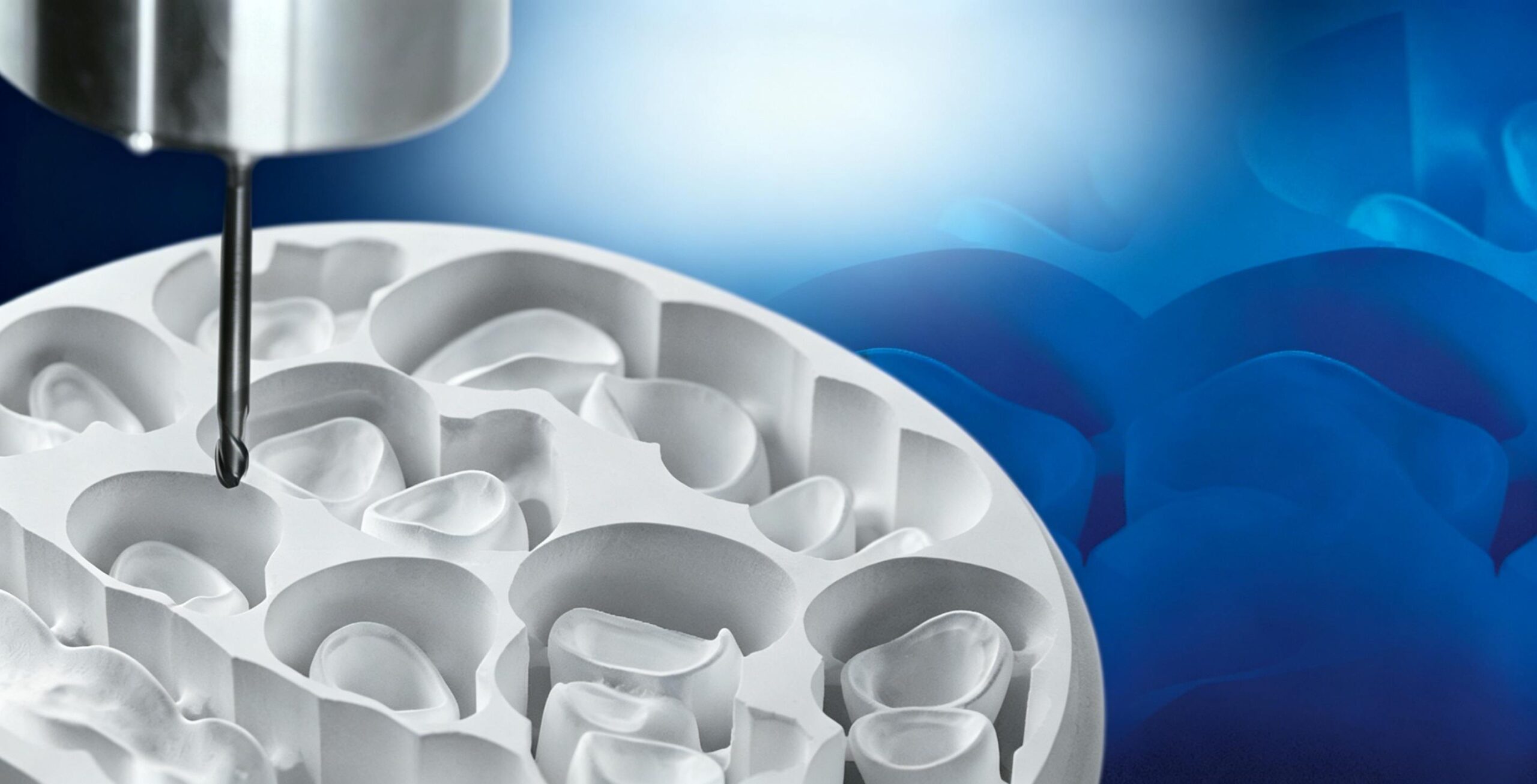
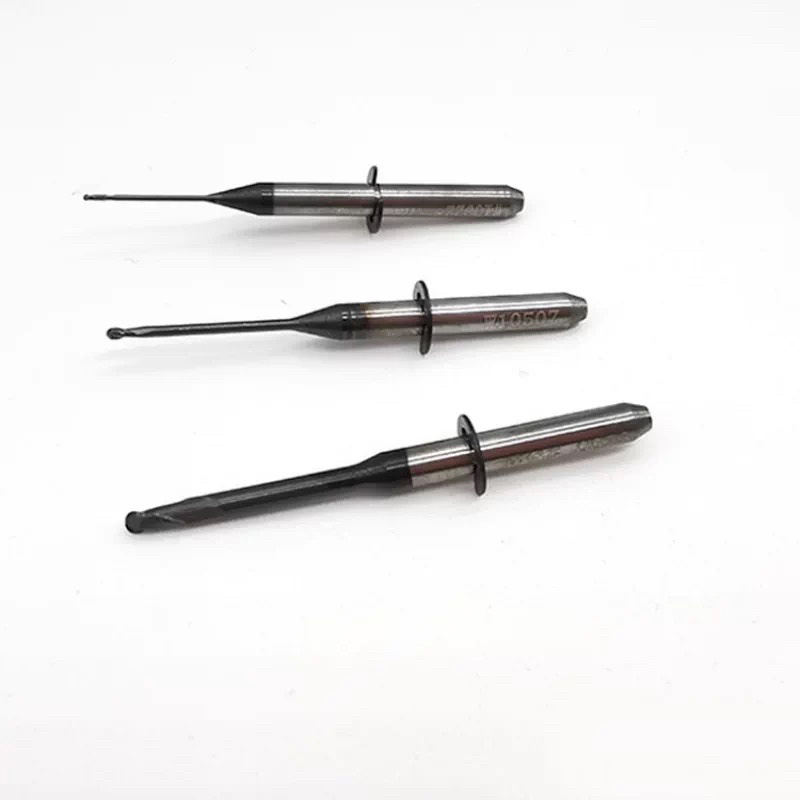
Diamond Burs, Precision for Dentistry.

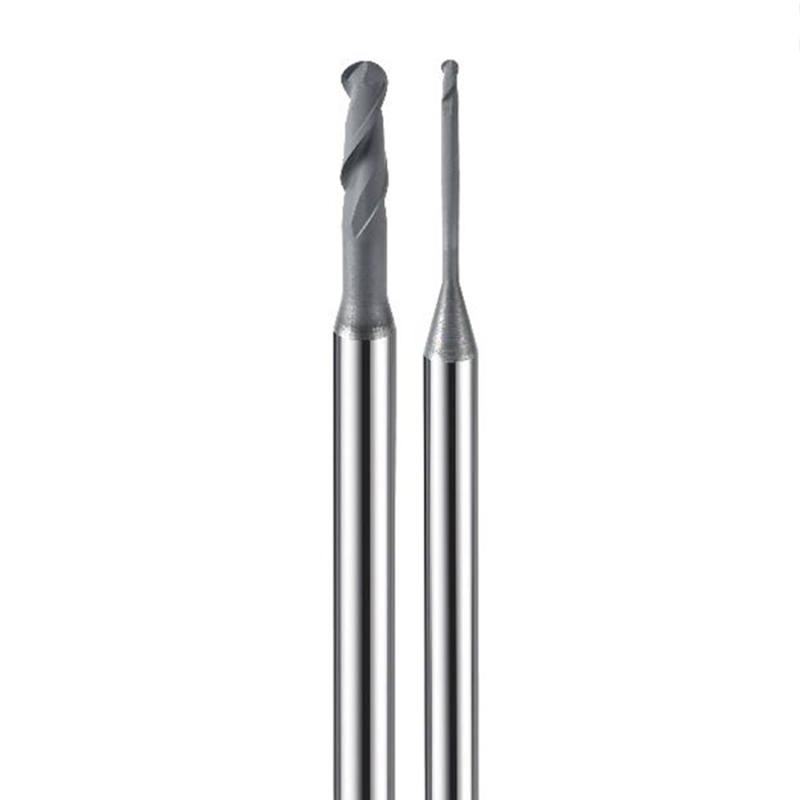
It’s 9000 HV hard. Choose our diamond burs, make dental work easier!Smooth trimming for all-ceramic and zirconia restorations,Provides over 1,500 processed lifespan.

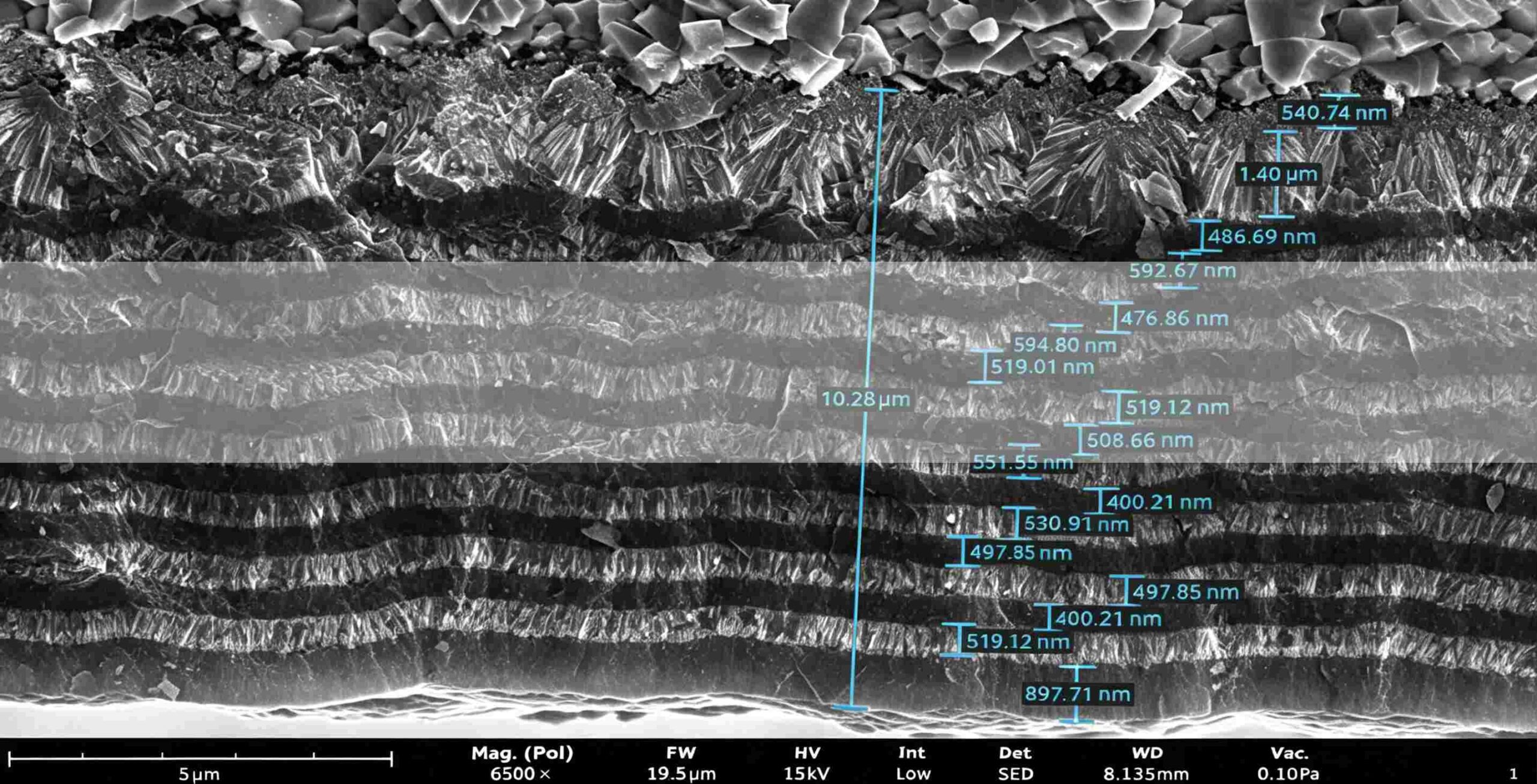
Coating within the micrometer range

Our CVD diamond coating features a multi-layer composite structure on carbide substrates, based on 30 years of technological expertise from Shanghai Jiao Tong University.

The Math:

One CVD tool replaces 20 standard tools. You save 19 setups, 19 tool offsets, and hours of idle machine time.

In the microscale world, flatness determines yield.

TSHZ diamond coating exceeds hardness limits, making every cut mirror-smooth. Professional engineers choose only reliability.

Best-selling products

  • All Products
  • PCB Diamond tools Series
  • Diamond Dental Bur Series
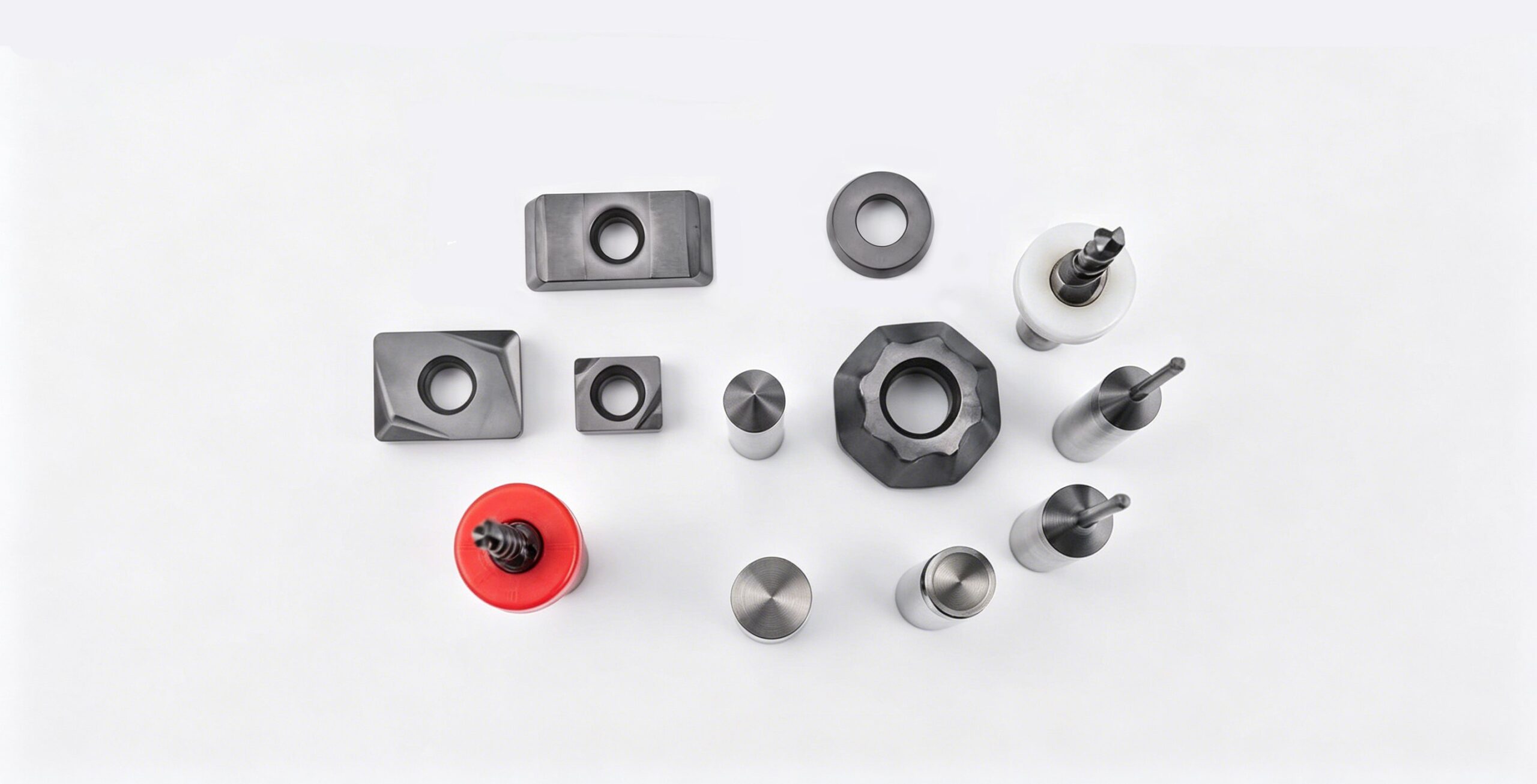
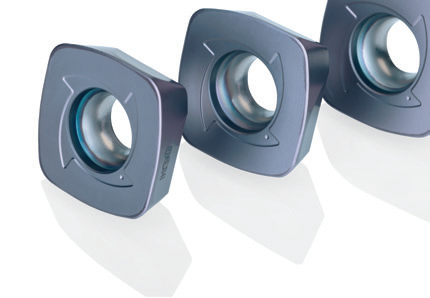
  • Diamond-Coated Insert Series
  • Diamond and Graphite Cutting Tool Series
benefits-v1-bg

our service

jimeng-2025-07-10-8056--300x197

We’re recruiting agents worldwide!

2026 Global Recruitment: The Last “Blue Ocean” in Manufacturing—Are You Ready to Lead? I. The Shift: From “Consumable Logic” to “Efficiency Logic” In today’s hyper-competitive global manufacturing landscape, most tool distributors are still bleeding profits in the price wars of $5 carbide end mills. However, visionary agents have noticed a massive shift: AI server boards, high-silicon aluminum aerospace components, and semiconductor graphite molds are rapidly abandoning traditional tools. Why? Because standard tools have become the bottleneck of the production line. CVD Diamond Coating is no longer an optional upgrade; it is the “Only Entry Ticket” to high-end manufacturing. This is a multi-billion dollar blue ocean market at the brink of explosion. II. The Product: Tiansheng Hengzuan (TSHZ) — Hardcore Performance We don’t just sell “tools”; we sell “Uninterrupted Spindle Time.” The Hardness Gap: Real diamond crystal growth with a hardness of $8000-10000 HV$. This isn’t a spray-on coating; it’s “Armor” grown directly on the tool tip. 20X Tool Life: One TSHZ diamond drill outlasts 20 standard carbide drills. For factory owners, this isn’t just saving on tool costs—it’s eliminating the labor costs of 19 tool changes and recovering massive machine uptime. Thermal Miracles: Diamond’s extreme thermal conductivity ensures “Zero Smear & Zero Residue” when processing high-layer PCB boards—a technical ceiling that low-end DLC coatings can never reach. III. The Market: Global Expansion — Your Window for “Market Seizing” The global market is currently in the “Dawn of Recognition”: Import Substitution Opportunity: While German and Japanese brands are priced out of reach with months-long lead times, TSHZ delivers “German Quality, China Speed.” This is your sharpest weapon to capture existing high-end market share. Material Revolution: The mass production of carbon fiber, ceramic composites, and 5G/6G high-frequency boards is just beginning. Clients are searching the globe for “God-tier tools” to solve these processing nightmares. Exclusive Territory Protection: We are now recruiting our first batch of core global partners. Opportunity knocks only once—we reserve one territory for one winner who understands the trend. IV. Support: The TSHZ “Partner Empowerment” Plan We know you don’t need a factory that just pushes orders; you need a strategic backbone: Elite Profit Margins: Escape the low-price red ocean and enter a high-value, high-margin niche. Full Marketing Arsenal: From Facebook ad creatives and professional LinkedIn copy to our 2026 Technical White Papers, we provide all the “ammunition” you need. Expert Backing: Our engineering team provides 24/7 remote technical support to help you tackle complex client requirements and close big deals. V. Conclusion: Will You Be a Witness or a Stakeholder? In 2026, CVD Diamond technology is redefining “Advanced Manufacturing.” Tiansheng Hengzuan (TSHZ) is now officially accepting applications for regional distributors. If you have established channels in industrial tools or deep roots in PCB, Aerospace, or Automotive sectors, contact us immediately. The opportunity is singular. While your competitors are still pitching 1800HV carbide tools, you could be harvesting the market with an 8000HV Diamond Sword.

Latest Case

Case

View More
Industry-News-3

From Tooling to Engineering: How Tiansheng’s “Atomic Edge” Saved a European CNC Giant’s Production Line 1. The Paradox of Precision: When 0.01mm Becomes a Wall In the world of high-end CNC machining, German and Japanese engineering are legendary. Yet, even the most sophisticated machines face a common nemesis: the thermal limits of cutting tools. A leading European aerospace component supplier recently hit a bottleneck. While machining ultra-hard coatings for next-gen turbine blades, traditional tungsten carbide tools failed within 15 minutes due to thermal deformation. Without a sharper, harder “tooth,” the multi-million dollar CNC machines were essentially paralyzed. 2. Collaborative Disruption: Engineering the “Ultimate Tooth” Shenzhen Tiansheng Hengzhuan (via its Jiujiang National Lab) stepped in not as a vendor, but as a co-engineering partner. By leveraging our proprietary CVD Diamond Growth technology, we provided customized Polycrystalline Diamond (PCD) and monocrystalline substrates specifically engineered for the partner’s high-frequency spindle requirements. Atomic-Level Heat Dissipation: We fine-tuned the diamond’s crystal orientation to achieve a thermal conductivity of $2200 W/m·K$. This ensures that heat is dissipated at the speed of sound, preserving the tool’s atomic-grade geometry. Surface Modification: Using plasma-enhanced modification, we reduced the coefficient of friction to near-zero, eliminating the “built-up edge” issue that plagues aerospace machining. 3. The Performance Audit: Quantifiable Results (SEO Dry Goods) The integration of Tiansheng’s diamond tech led to a paradigm shift in the partner’s manufacturing metrics: Tool Life Extension (30x – 50x): What used to require hourly tool changes now runs for days without degradation, reducing total cost of ownership by over $70\%$. Nano-Grade Surface Finish (Ra): Our high-purity monocrystalline substrates allow for a surface finish so smooth that it eliminates the need for secondary Chemical Mechanical Polishing (CMP). 400% Efficiency Gain: Higher cutting speeds became possible, significantly shortening lead times for critical aerospace components. 4. The New Reality: Empowering Global Manufacturing This partnership signifies a shift in the global industrial hierarchy. Tiansheng Hengzhuan is no longer just a supplier of raw materials; we are a provider of “Micro-Level Competitiveness.” In the race for ultra-precision, the world is realizing that the next leap in CNC performance doesn’t come from the machine itself, but from the lab-grown crystals forged in Jiangxi.
Successful-Collaboration-Case-two

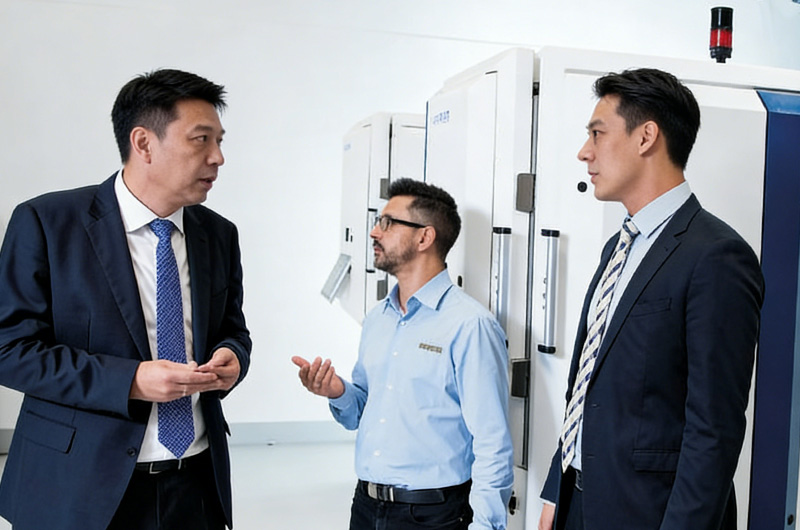
Background of Collaboration and Customer Pain Points: Huilian Electronics, a leading enterprise in the PCB micro-cutting tool industry, specializes in the R&D and manufacturing of PCB end mills with diameters ranging from 0.1 mm to 0.5 mm. Its customers include global top-100 PCB manufacturers such as Foxconn and AT&S. With surging demand for high-precision products—including IC substrates and chip packaging substrates—the limitations of conventional coated micro-diameter tools have become increasingly evident: frequent tool breakage, rapid edge wear, poor coating adhesion, and non-uniform coating coverage on small-diameter sections—resulting in substandard machining accuracy for fine grooves, persistently high tool-breakage rates, and delays in fulfilling high-end precision orders. There is an urgent need to overcome technical bottlenecks in micro-diameter tool coating technologies. Customized Collaboration Solution: Targeting the core challenges of precision machining with micro-diameter tools, this solution employs nanocrystalline CVD diamond coating technology. Coating thickness is precisely controlled to maximize retention of cutting-edge sharpness; deposition process parameters are optimized to ensure uniform, full-coverage coating over the entire micro-diameter cutting edge, significantly enhancing coating chipping resistance and adhesion. Tailored specifically for IC substrate and high-precision PCB machining conditions, the coating features low friction and superior wear resistance. In addition, comprehensive services—including one-on-one technical support, rapid sample iteration, and full-chain quality control for batch coating—are provided to meet the stringent requirements of high-precision, minimal-stock-removal machining. Collaboration Outcomes and Benefits: Tool breakage rates for micro-diameter end mills decreased by 85%; tool service life increased 22-fold; machining accuracy for fine grooves and isolation slots fully meets the stringent tolerance requirements of IC substrates. The product successfully passed mass-production validation with multiple high-end customers, reinforcing Huilian Electronics’ global market leadership in PCB micro-diameter cutting tools. Revenue contribution from high-end cutting tools rose by 30%, successfully breaking the foreign technological monopoly on coated cutting tools.
Successful-Collaboration-Case-One

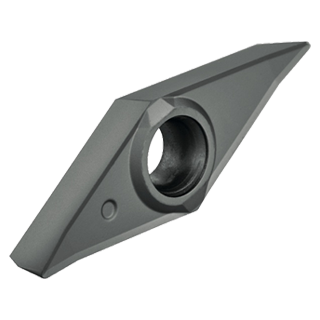
Background of Collaboration and Customer Pain Points: As a domestic specialized, sophisticated, and innovative manufacturer of precision PCB cutting tools, Vietnam Yongxin Precision Tool Co., Ltd. primarily produces standard tungsten carbide PCB end mills. However, with the continuous surge in orders for high-end 5G communication boards, high-Tg thick boards, and aluminum-based boards, the shortcomings of conventional uncoated tungsten carbide end mills—rapid wear and short service life—have become increasingly pronounced. A single tool’s continuous machining time falls short of two hours, resulting in frequent tool changes, high production line downtime rates, and persistently high tool consumption costs. Moreover, machined boards exhibit excessive edge burrs and significant dimensional inaccuracies, failing to meet the stringent shipment standards required for high-end substrates—making an upgrade to advanced tool coating solutions imperative. Customized Collaboration Plan: Following in-depth technical alignment between both parties, a tailored solution was developed for Yongxin Precision’s mainstream PCB end mills with shank diameters of 1.0 mm, 1.5 mm, and 2.0 mm, utilizing microwave plasma-assisted chemical vapor deposition (CVD) diamond coating technology. Ultrafine-grained cemented carbide substrates were selected and paired with a proprietary titanium-chromium interlayer to significantly enhance coating adhesion and prevent coating delamination during high-speed machining. Precise control over coating thickness and grain density ensures an optimal balance between cutting edge sharpness and wear resistance. Throughout the entire process—from sample testing and small-batch trial production to full-scale mass manufacturing—the solution fully aligns with Yongxin’s tool production capacity and quality inspection standards. Comprehensive post-coating quality assurance and process optimization support are also provided. Collaboration Outcomes and Benefits: After the customized CVD diamond-coated end mills entered formal production, tool service life increased by over 25-fold, with stable continuous machining time exceeding 24 hours per tool. Tool change frequency decreased substantially, boosting overall production efficiency by 65%; the yield rate for high-end substrate processing improved from 88% to 99.5%. Overall tool usage costs declined by 52%, enabling Yongxin Precision to secure long-term, large-volume orders from multiple leading PCB manufacturers. The company has successfully penetrated the high-end PCB cutting tool supply chain, simultaneously enhancing its product competitiveness and market share.
about01
About Us

TSHZ — Enduring Quality, Everlasting Strength.

Tiansheng Hengzuan is an innovative enterprise specializing in the research, development, production, and sales of premium superhard cutting tools. Leveraging world-class chemical vapor deposition (CVD) diamond coating technology, we are committed to delivering efficient machining solutions for the aerospace, electronics (3C), mold manufacturing, and automotive industries. We not only supply standard-sized diamond-coated end mills but also possess robust capabilities for custom-made (non-standard) tools. By selecting high-quality imported cemented carbide substrates and employing high-precision five-axis grinding machines for cutting-edge processing, we ensure every tool meets stringent industrial-grade standards. We are not just your supplier; we are your partner in achieving flawless production.

100 +

Benchmark Enterprise in the Service Industry

15 X

Average lifespan multiplier

0.002 MM

Ultimate Manufacturing Precision

24 h

Response time for non-standard solutions
Latest blog

Check out our blog

View More
How to Choose Diamond Coated Tools for CFRP Machining Without Delamination
22 , October

How to Choose Diamond Coated Tools for CFRP Machining Without Delamination

CFRP delamination raises machining costs. Select diamond-coated tools by edge geometry, cutting parameters, tool life, dust control, and laminate structure.
How to Choose Diamond Coated Inserts for High-Silicon Aluminum Machining
15 , October

How to Choose Diamond Coated Inserts for High-Silicon Aluminum Machining

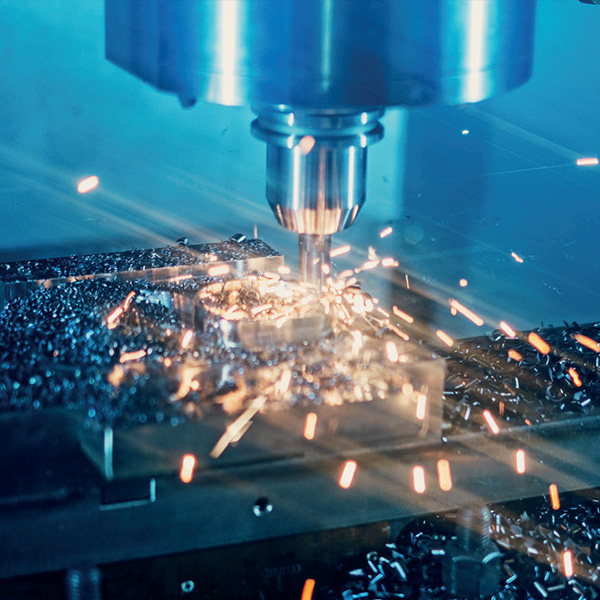
Silicon-containing aluminum materials are easier to cut than steel but by no means easy to machine as tooling materials. The silicon in these materials acts as a hard abrasive while the aluminum forms a sticky matrix to the cutting edge which can quickly form a built-up edge. Prior to that however, there is very quick degradation in surface finish and dimension. Aluminum solution with diamond coated inserts CVD starts with the alloy, the machining task and the surface finish required. While the CVD diamond coating is able to withstand abrasive stress and to reduce friction, the ideal cutting insert, its preparation and the machine settings are the key to a successful production. TSHZ supplies CVD diamond coated cutting tools and custom profiles for non-ferrous alloys and other abrasive materials. Why Silicon-Rich Aluminum Needs a Different Insert Alloys with high silicon content can cause the silicon to cut into the tool edge with every pass. The aluminum matrix can also weld to a hot edge. The result is a combination of wear on the flank of the tool, crater like wear, built-up edge and a dull surface finish. At first glance the soft workpiece does not give rise to any problems. Tool wear can start off slowly but soon pick up speed once the cutting edge has started to round off. Monitoring finish, burrs and dimensions of parts produced, rather than just the quantity produced, is crucial in establishing a stable process. What CVD Diamond Does in Aluminum Cutting TSHZ product information specifies CVD diamond with 9,000-10,000 HV hardness, a friction coefficient of 0.05-0.1 and a thermal conductivity of approximately 2,000 W/(m·K). This information is relevant to the high-silicon aluminum phases since the hard surface contacts the silicon phases and low friction prevents excessive rubbing and built-up edge. TSHZ materials are deposited as a coating on the tool substrate by means of CVD process. The coating thickness can be easily controlled within a range of 1 μm to 30 μm on complex cutting tool edges. The insert geometry must remain sufficient to grant appropriate clearances, adequate chip control and sufficient edge sharpness after coating. Choose the Insert by Operation Turning and facing For turning, consider starting with the surface already machined, and cut in the direction of the principal cutting force. A sharp positive cutting edge helps to reduce cutting force and prevents aluminum from sticking to the insert. Also be sure that the insert is securely clamped in the holder – vibration will show up as repeated scratches on the surface. The CVD diamond coated cutting inserts page shows the direct TSHZ product for non-ferrous metal machining. Check insert shape, nose radius, substrate and coating specification on the drawing against the shown product. Milling pockets and faces By milling, you are generating interrupted cuts that vary in chip thickness. Keep your tooling as short as possible and make sure your workholding is solid. Check to see if chips will clear your pocket cavity without re-cutting them. If not, a harder insert will only increase heat and rubbing caused by poor evacuation of the previously generated chips. A custom profile is useful for a special shoulder, form or small radius. TSHZ’s custom CVD diamond tool service supports non-standard geometries when an off-the-shelf insert does not hold the required profile. High-finish components High gloss aluminum surfaces have very sensitive edges and require a consistent nose radius. Finish light and keep the settings the same for the finishing pass. Do not run mixes of tools with different edge preparation in production and measure the first part off and the part that is produced near the tool’s planned replacement. Geometry and Edge Preparation Checks Do not select an insert from the material name alone. List out Alloy grade, Silicon % and Stock allowance and Toolholder & Spindle rpm & Feed per tooth or Feed per revolution & Radial depth of cut & Coolant/Air etc. These parameters define whether the edge is cutting or rubbing. A larger nose radius will help to provide a smoother surface but may increase cutting force. Very sharp edges cut well but are not so good when there is any vibration or the cutting is intermittent. The nose radius and edge finish must be chosen to match the work being machined and the machine that is being used to do the work. CVD coating should be uniform. Thickness of the coating as well as edge radius of coating should be inspected. For repeated orders, same reference for inspection should be used for the first as well as for the last batch to ensure same behavior of the first and last part of the order. Controlling Built-Up Edge and Heat Built-up edge is often a sign of friction, heat or a cutting edge that is no longer sharp. Start by checking chip flow and cleaning the holder. Use air or suitable coolant according to the machine and alloy process. Keep the cutting edge engaged consistently; rubbing at the bottom of a pocket can create more heat than a heavier but stable cut. Cloudy surface? Check edge under magnification before changing all cutting parameters. A small deposit can often be removed by improving the chip removal. A rounded edge or coating damage requires a new insert. Cost per Part Is the Useful Measure Diamond-coated inserts cost more than standard carbide inserts. The comparison should include insert price, usable parts per edge, changeover time, surface rework, scrap and machine availability. A controlled trial is best. Run the same alloy, same toolpaths, same inspection methods and measure things like percentage of good parts, average surface finish, dimension shift and time spent in swapping out or modifying inserts. Then purchasing and production have a basis for their decision that the other can understand. A Simple Trial Plan for a New Insert Start testing with a meaningful part section, not with a small test coupon that doesn’t reproduce the realistic process conditions for heat and chip load. Note the alloy temper, silicon content, stock allowance, etc. as well as the toolholder used for testing. Make sure the toolholder is clean and the spindle is checked for runout before the first cut to rule out any potential setup problems that could be misinterpreted as insert wear. The first part should be inspected for surface quality, burrs and dimensions. The same checks should be repeated after a certain number of parts have been produced. Subsequently, the check should be repeated when the surface starts to change. The cutting data must remain unchanged for the comparison. Only with supplier’s documented change to the cutting data the results can also be used by production and purchasing. Photo the edge before cleaning any stick-on if there is any. A soft aluminum-like deposit with a rounded edge and coating damage is likely to have one of several causes. Thus matching the correction to the cause is more likely to save time than reduce speed and change inserts prematurely. When Custom TSHZ Inserts Make Sense Request a custom insert when the part needs an unusual nose radius, a special form, a small feature or a coating thickness matched to a tight tolerance. Provide the alloy chemistry, drawing, machine, holder, cutting data and current failure mode. TSHZ’s diamond coated insert product page and custom profile service provide the right starting points for a technical review. For a sample or application recommendation, send the drawing through the TSHZ contact page. FAQ Are CVD diamond inserts suitable for all aluminum alloys? They are intended for abrasive non-ferrous materials, but alloy chemistry, silicon content, interrupted cutting and machine rigidity still matter. Confirm the insert grade and edge preparation on the actual alloy. How can I reduce built-up edge in high-silicon aluminum? Keep the edge sharp, control heat, improve chip evacuation and avoid rubbing at low engagement. Inspect the insert before making large changes to speed or feed. How often should diamond coated inserts be replaced? Use surface finish, burrs and dimensional drift as the replacement criteria. A fixed part count is only a starting point because alloy, engagement and machine condition change tool life.
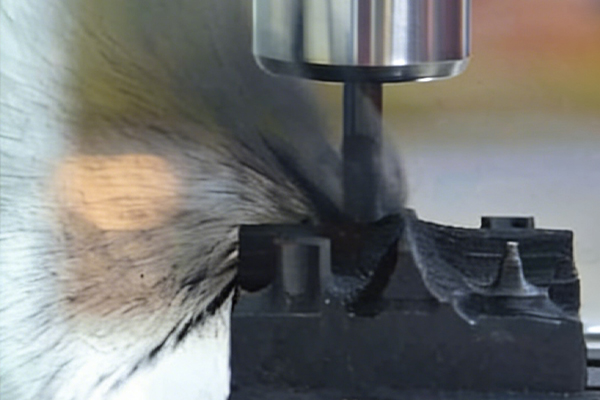
diamond tools for graphite machining
8 , October

How to Select CVD Diamond Tools for Graphite Machining

Reduce graphite tool wear and edge chipping by matching CVD diamond coatings, flute count and cutter geometry to roughing, finishing and small features.
Products
Contacts
WhatsApp
Email