Nullam dignissim, ante scelerisque the is euismod fermentum odio sem semper the is erat, a feugiat leo urna eget eros. Duis Aenean a imperdiet risus.
Nullam dignissim, ante scelerisque the is euismod fermentum odio sem semper the is erat, a feugiat leo urna eget eros. Duis Aenean a imperdiet risus.
 author

Everyone is obsessing over Nvidia’s GPUs and HBM memory. But here is the cold truth about 2026: The biggest threat to global AI server delivery isn’t a chip shortage or a lack of light modules. It is a needle—a micro-drill bit less than 0.2mm in diameter.
Think about it. We are building “Cathedrals of Computation” that cost billions, yet their survival depends on whether we can drill 100,000 perfect holes in a high-density backplane without snapping a single needle. In the world of AI, 0.01mm of deviation isn’t an error; it’s a total system collapse.
Why is this happening now? Because Nvidia’s new architectures (Rubin/Rubin Ultra) have pushed PCB materials to the physical limit. We’ve moved from standard FR-4 to M9 high-frequency materials filled with 99.99% silica—essentially drilling through quartz.
The tool life has plummeted from 2,000 holes to barely 200. This is no longer “manufacturing”; it is atomic-scale carving.
If your tool provider doesn’t understand the micro-physics of CVD coatings, your production line is a ticking time bomb.
1.Aspect Ratio Mastery (50:1): For 8mm thick boards, you need a 50x aspect ratio. Only a handful of companies globally can maintain verticality at this scale. Ensure your supplier uses Gradient CVD Diamond Coatings to manage the thermal shock that exceeds 800℃ at the tip.
2.Equipment Autonomy: The global lead time for Swiss-made high-precision grinders is now 18 months. If your supplier doesn’t manufacture their own CNC grinding equipment, they cannot scale with your demand. Vertical integration is the only hedge against supply chain paralysis.
3.Substrate Decobaltization Depth: Check the chemical treatment of the tungsten steel substrate. For AI-grade M9 materials, you need a precise decobaltization depth to ensure the diamond coating doesn’t peel under high-frequency friction. The AI revolution is loud, but the real winners are those mastering the silence of the laboratory.
But the reality is extremely cruel and absurd: in 2026, the fate of global AI computing power will be determined by a “toothpick” with a diameter of less than 0.2 millimeters, thinner than a human hair. This is an extremely pathological phenomenon. We can design a GPU capable of trillions of operations per second, yet often a $5 diamond drill bit deviating by just 0.01 millimeters during drilling can cause an entire AI server backplane, worth a fortune, to be scrapped. This is not precision manufacturing; it’s like defusing a bomb in the microscopic world.

In 2026, the biggest failure for a PCB Procurement Director isn’t paying too much—it’s buying “garbage” that kills the factory’s yield. Most people don’t realize that the AI server boards for NVIDIA aren’t just “thicker”; they are physically “hostile” to traditional tools. When you use a standard tungsten needle on M9 high-frequency material, you aren’t manufacturing; you are committing “industrial suicide.” A deviation of 0.01mm—the width of a ghost—and a 50,000 backplane becomes scrap metal. In this era, “cheap” is the most expensive mistake you can make.
4.In the age of AI, the Procurement Director is the factory’s “Technical Firewall.” The battle for AGI isn’t just about silicon; it’s about that unbreakable, 0.2mm needle forged in a vacuum.
At TSHZ (Tiansheng Hengzhuan), we don’t sell consumables; we sell the “Skeletal Support” for the world’s most powerful servers. If you’re tired of explaining scrap rates to your boss, let’s talk. Real solutions aren’t found in the “lowest price” column—they are grown in the lab, atom by atom.
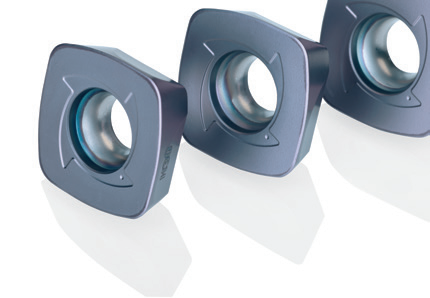
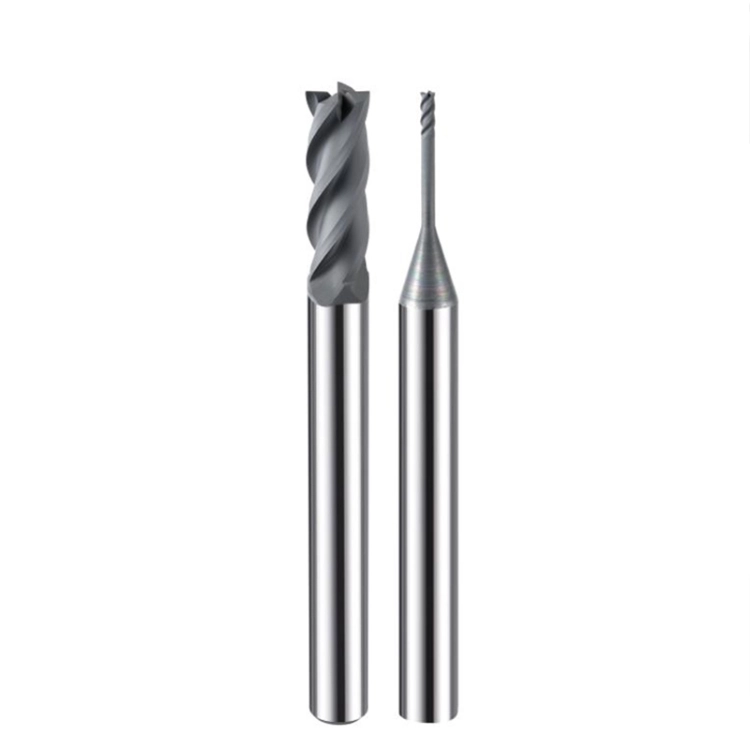
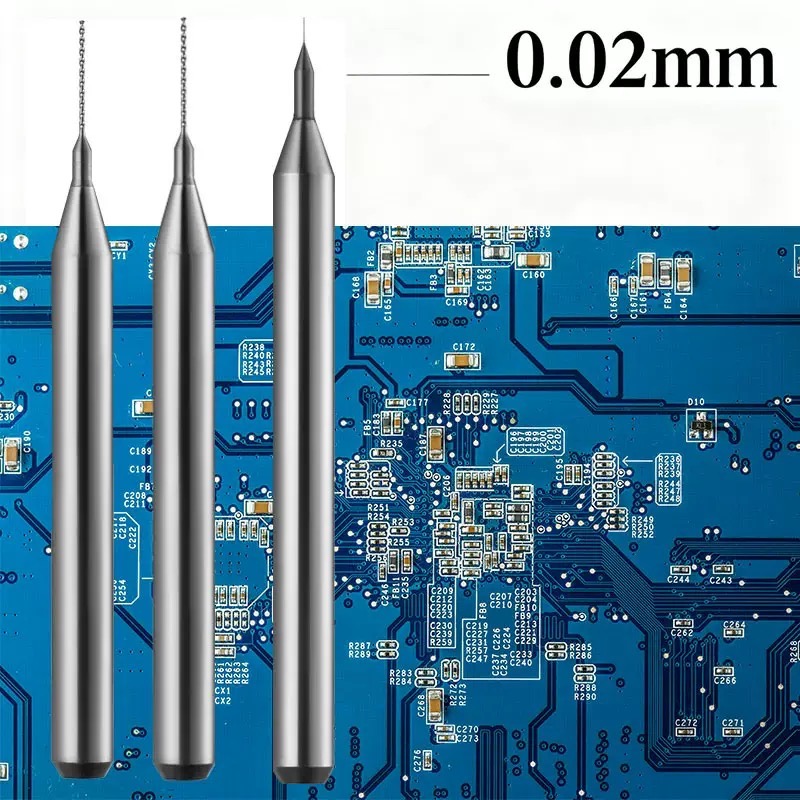
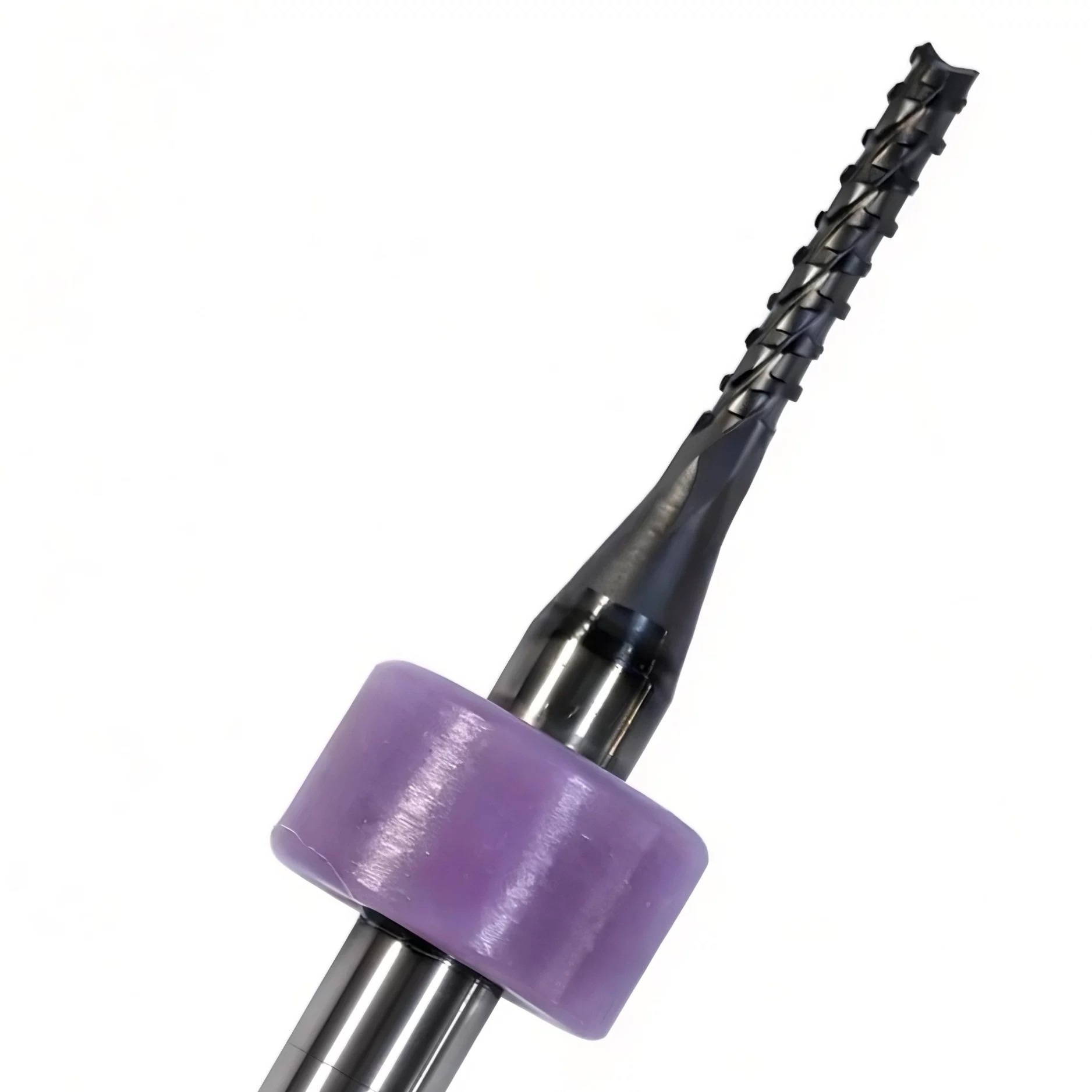
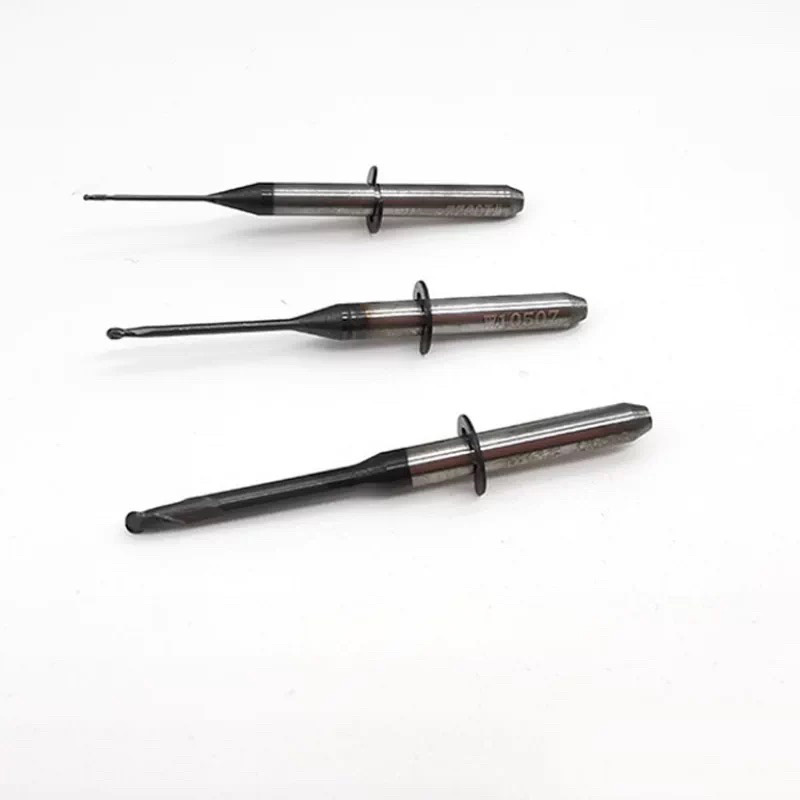
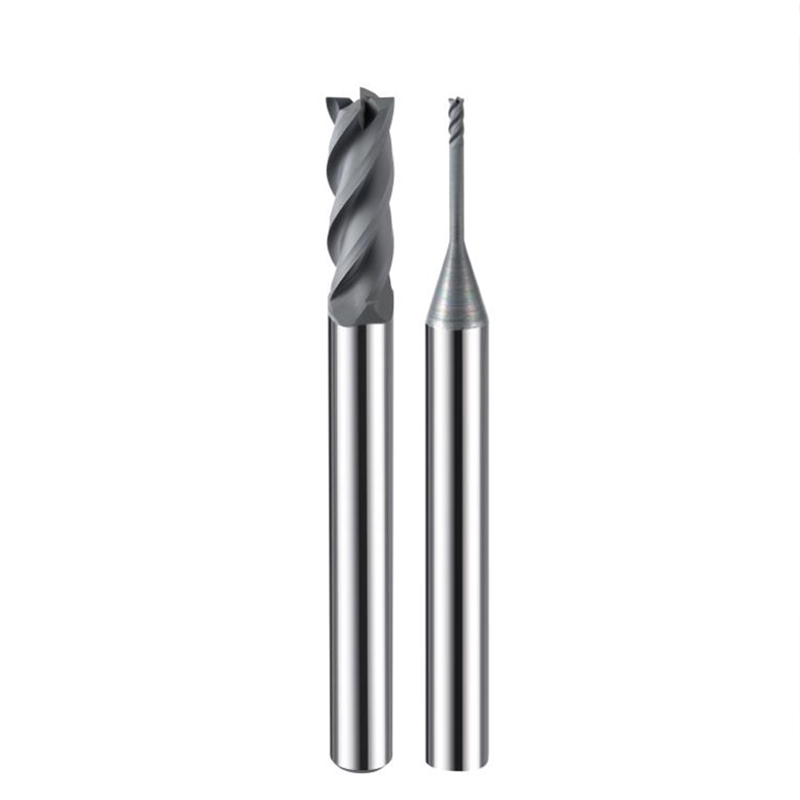
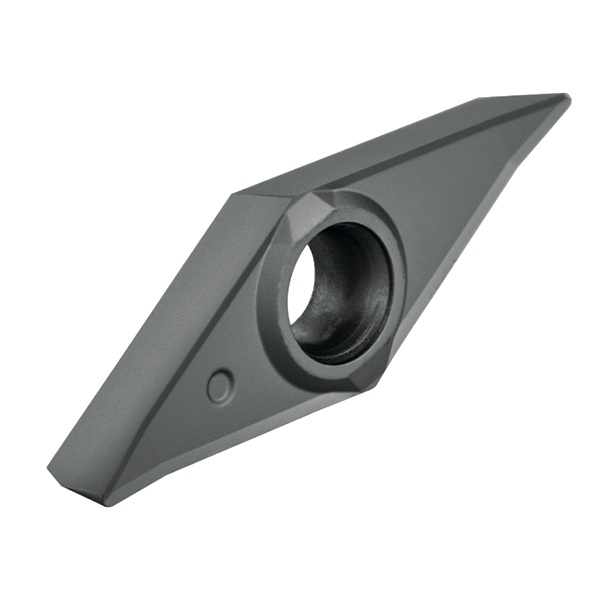
Graphite, Ceramics, and Carbon Fiber are the future, but they are “tool killers.” If you’re still using traditional coating, you’re fighting a losing battle.
Our CVD (Chemical Vapor Deposition) Diamond Coating creates a real crystalline diamond layer on the carbide substrate. This isn’t just a “finish”—it’s a shield.
Why top distributors choose our CVD series:
1.Ultra-Low Friction: Prevents chip welding and heat buildup.
2.Extreme Abrasion Resistance: Maintains sharp cutting edges $20 \times$ longer.
3.Surface Finish: Mirror-like results on the workpiece, zero secondary polishing needed.