Nullam dignissim, ante scelerisque the is euismod fermentum odio sem semper the is erat, a feugiat leo urna eget eros. Duis Aenean a imperdiet risus.
Nullam dignissim, ante scelerisque the is euismod fermentum odio sem semper the is erat, a feugiat leo urna eget eros. Duis Aenean a imperdiet risus.
 author
Choosing precision cutting tools is often where machining cost starts to change. A wrong tool may still cut well at the beginning, but the real problem appears later: burrs increase, slot width drifts, graphite edges chip, composite fibers pull out, or operators need to stop the machine for correction. For buyers working with PCB substrates, graphite, CFRP, aluminum alloy, and other abrasive or non-ferrous materials, tool selection should begin with the material and the failure mode, not only the unit price.
TSHZ focuses on superhard cutting tools and CVD diamond coating technology for demanding machining tasks. They supply PCB milling cutters, graphite endmills, diamond coated inserts as well as customized cutting tools. The following guide will explain how to select precision cutting tools for your specific application. It will explain how to choose the right cutting tool by matching material, process, tool type, coating characteristics and many real production problems.
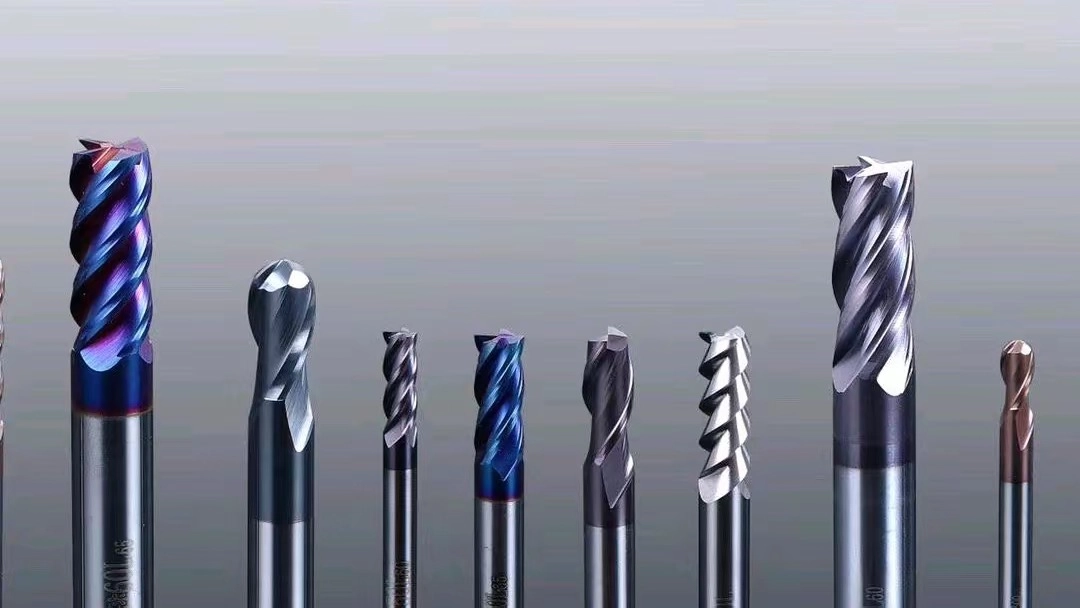
Material is the first filter in tool selection because it decides how the cutting edge wears. Machine accuracy and cutting parameters matter, but a tool that works well on soft non-abrasive materials may fail quickly on glass fiber, graphite dust, carbon fiber, or ceramic-filled boards.
Hardness matters, but edge retention, coating adhesion, chip clearance, and friction control decide whether the tool stays stable in production. This is why many machining teams review diamond coated precision cutting tools when conventional carbide tools lose accuracy too quickly.
Graphite can be aggressive on flank wear and the bottom edge of the tool. PCB substrates may cause burrs, delamination, edge chipping, and unstable slot width. Composite materials may cause fiber pull-out, fraying, and heat-related surface damage. These are different problems, so buyers should not expect one tool type to solve every machining issue.
A tool with longer service life is useful only if it also maintains the required surface finish and dimensional stability. For production buyers, the better question is not “How much does one tool cost?” but “How stable is the process across the cutting length?” Tool life, rejected parts, correction time, and machine downtime should be reviewed together.
PCB machining needs clean edges, stable routing paths, and controlled slot quality. If the tool wears too fast, the board edge may show burrs, cracks, fiber protrusion, or profile deviation. These issues can create inspection pressure, rework, or scrap.
For precision cutting tools for PCB machining, buyers should first confirm the exact process: contour cutting, slotting, depth-controlled milling, V-grooving, half-hole machining, or gold finger chamfering. Each operation puts different stress on the cutting edge.
TSHZ PCB Diamond-Coated Milling Cutters are suitable for PCB post-processing tasks such as routing, slotting, V-grooving, half-hole machining, and gold finger chamfering. They are more relevant for PCB materials than general metal milling tools, so buyers should confirm board material, routing path, slot width, and edge quality target before selection.
Burrs are not only a surface problem. In high-density boards, poor edge quality can affect inspection and downstream assembly. A cheaper tool may become expensive if it causes frequent tool changes, unstable finishing, or more manual checking. For PCB production, tool cost should be judged together with routing quality, cutting length, and board yield.
Graphite can look easy to cut because it does not behave like steel, but it is highly abrasive. The cutting edge may wear faster than expected, especially during electrode roughing, semi-finishing, flat surface machining, and slot milling.
For precision cutting tools for graphite machining, buyers should check bottom-edge strength, chip clearance, and wear behavior before comparing price. A tool that loses its edge early may affect flatness, verticality, and electrode details.
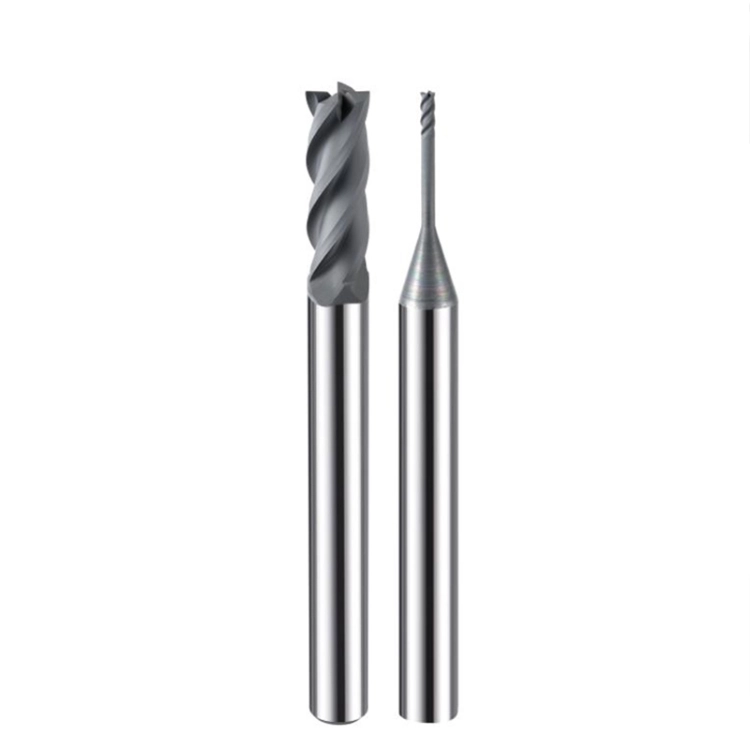
TSHZ Diamond coating Flat-bottom cylindrical end mill is suitable for graphite electrode roughing and semi-finishing, especially for flat surfaces, steps, and slots. It is more relevant for roughing, semi-finishing, flat surfaces, and slot work. For complex 3D finishing, buyers may need to review other end mill geometries.
Graphite dust can increase rubbing if chip removal is poor. Once the edge becomes rounded, the tool may still cut, but the surface and dimensional control may decline. Buyers should describe whether the current issue is bottom-edge chipping, poor flatness, tapered slot walls, or short tool life.

Composite and non-ferrous materials often require clean cutting rather than heavy cutting force. CFRP may delaminate or fray. Aluminum alloy may create built-up edge. Graphite and PCB-related materials can attack the cutting edge through abrasion.
For precision cutting tools for composite machining, the main target is clean shearing, stable edge condition, and reduced surface damage. The tool format should follow the actual process, not only the material name.
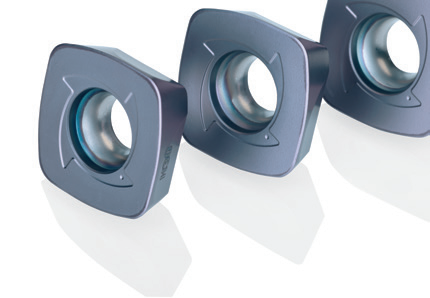
TSHZ Diamond-coated cutting inserts are suitable for graphite, aluminum alloy, CFRP, PCB-related materials, and other non-ferrous applications. These inserts are more suitable when the process is turning, facing, profiling, or finishing, rather than PCB routing or micro-slot milling.
| Wrong Selection | Likely Production Problem | Better Direction |
| Using general carbide tools for abrasive PCB routing | Burrs, edge chipping, unstable slot width, frequent tool changes | Use PCB Diamond-Coated Milling Cutters for routing and slotting tasks |
| Using a tool with poor chip clearance for graphite milling | Dust packing, rubbing, bottom-edge wear, poor flatness | Use Diamond coating Flat-bottom cylindrical end mill with suitable flute design |
| Using one tool type for all composite and non-ferrous tasks | Delamination, fiber pull-out, built-up edge, inconsistent finish | Match milling cutters or Diamond-coated cutting inserts to the process |
| Choosing only by unit price | Higher scrap risk, downtime, repeated correction | Compare tool life, surface quality, cutting stability, and total machining cost |
A useful tool inquiry should include material grade, machining method, current tool life, failure mode, tolerance target, and surface finish requirement. With this information, the supplier can judge whether a standard tool is enough or whether special geometry, coating, or edge preparation should be reviewed.
Before placing an order, buyers should describe the failure mode instead of only asking for a tool model. For PCB routing, the issue may be burrs, delamination, slot width variation, edge chipping, or short cutting length. For graphite milling, it may be bottom-edge chipping, tapered slot walls, poor flatness, or fast flank wear. For composite or non-ferrous machining, it may be fiber pull-out, built-up edge, surface scratches, or unstable finish.
For PCB routing, slotting, V-grooving, half-hole machining, or gold finger chamfering, buyers can start with TSHZ PCB Diamond-Coated Milling Cutters. For graphite electrode roughing, semi-finishing, flat surface milling, or slotting, TSHZ Diamond coating Flat-bottom cylindrical end mill is more suitable. For turning, facing, profiling, or finishing graphite, aluminum alloy, CFRP, and other non-ferrous materials, TSHZ Diamond-coated cutting inserts are worth reviewing.
This first selection does not replace testing, but it helps buyers avoid choosing by coating name alone. A harder coating only helps when the tool geometry, substrate, flute design, and workpiece material are matched correctly. That matching process is where precision cutting tools can reduce tool changes, surface defects, and hidden machining cost.
If your team is comparing tools for PCB routing, graphite electrodes, CFRP trimming, aluminum alloy finishing, or non-standard geometry, prepare the material grade, drawing, tool size, machining method, current tool life, and main failure mode first. TSHZ can review whether PCB Diamond-Coated Milling Cutters, Diamond coating Flat-bottom cylindrical end mill, Diamond-coated cutting inserts, or a custom tool route fits the project better. Use the contact page when you need product matching, technical documents, or purchase communication for a specific machining task.
Q: How Do I Know if Diamond-Coated Tools Are Needed for My Material?
A: If your current tool wears quickly, causes burrs, loses dimensional stability, or performs poorly on graphite, PCB substrates, CFRP, ceramic-filled boards, or non-ferrous materials, diamond coating is worth reviewing. TSHZ can match the precision cutting tools you require with the material and process you are utilizing, rather than choosing a tool blind based on tool type.
Q: Which Tool Should I Use for PCB Slotting and Contour Cutting?
A: For PCB slotting, contour cutting, V-grooving, half-hole machining, and similar routing tasks, TSHZ PCB Diamond-Coated Milling Cutters are more relevant than general-purpose cutters. They are designed for PCB post-processing tasks where edge quality and dimensional consistency matter.
Q: Are the Same Tools Suitable for Graphite and Composite Machining?
A: Not always. Graphite milling may need TSHZ Diamond coating Flat-bottom cylindrical end mill for roughing, semi-finishing, slots, or flat surfaces. Composite or non-ferrous parts may need milling cutters or TSHZ Diamond-coated cutting inserts depending on whether the process is routing, turning, facing, profiling, or finishing.
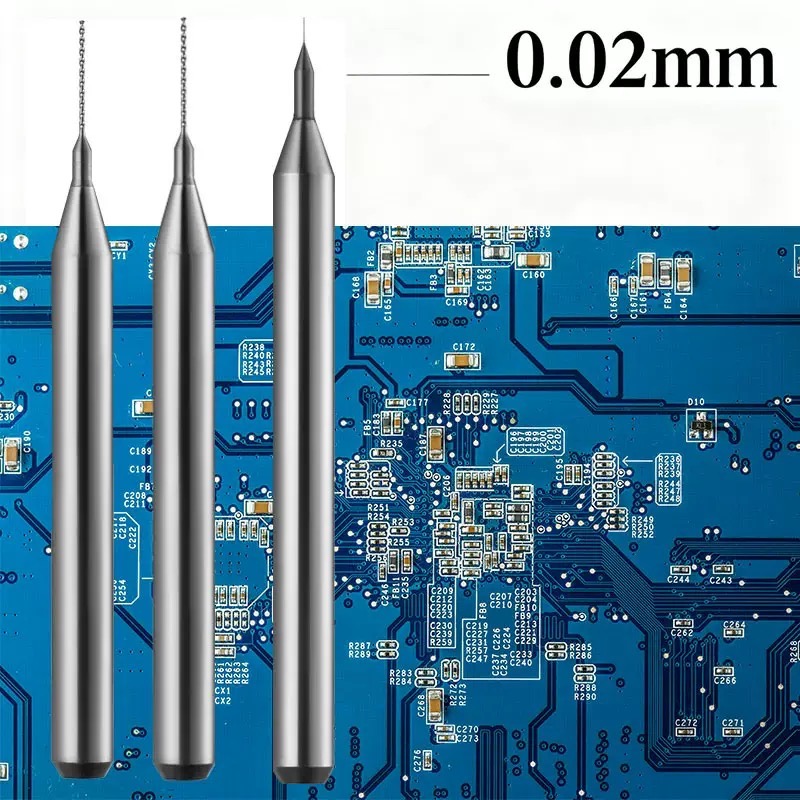
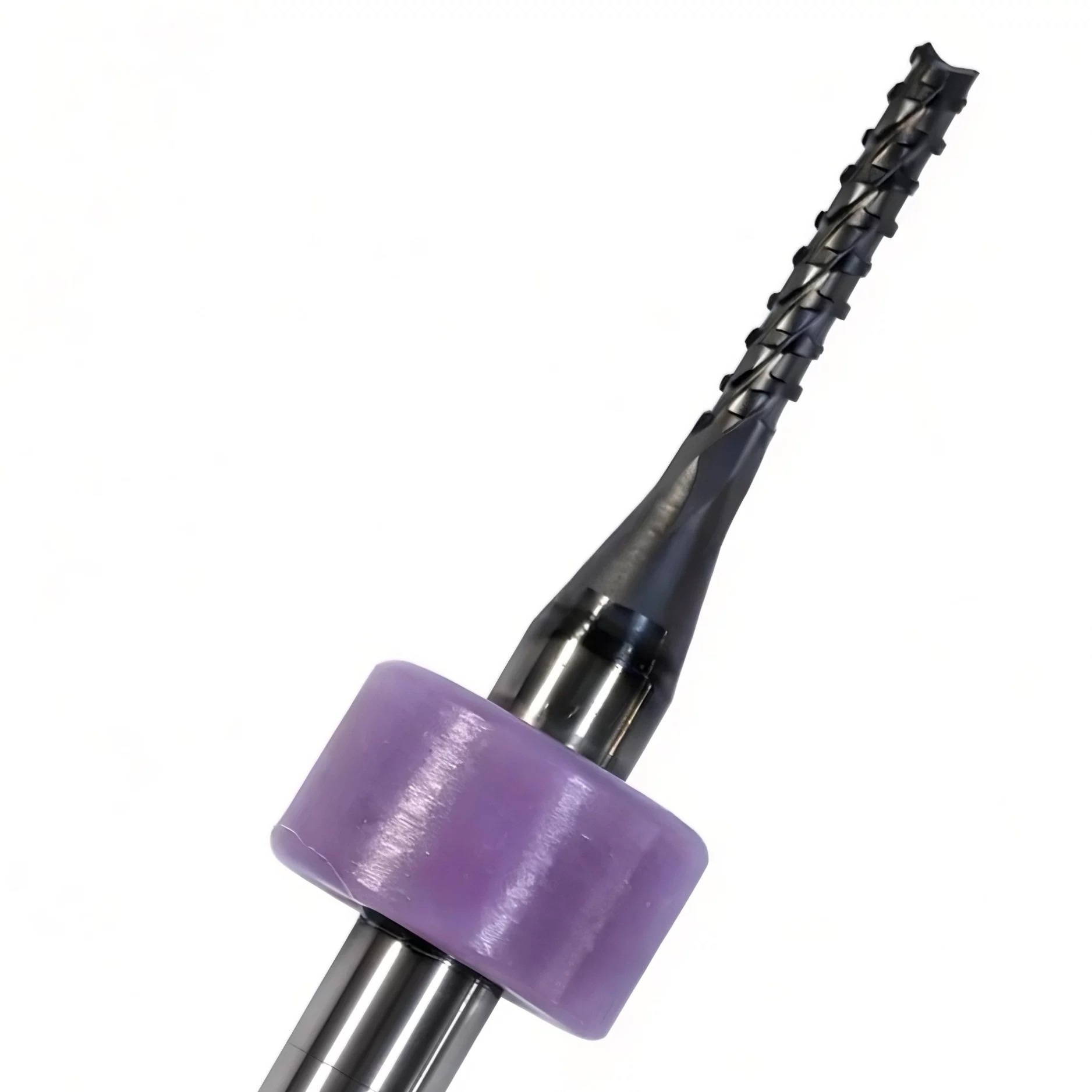
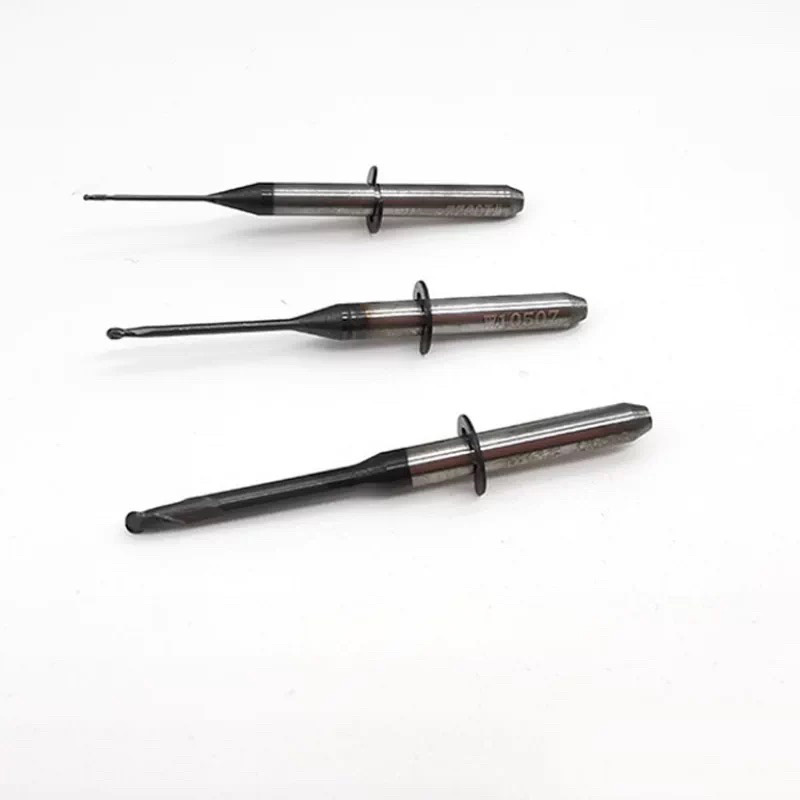
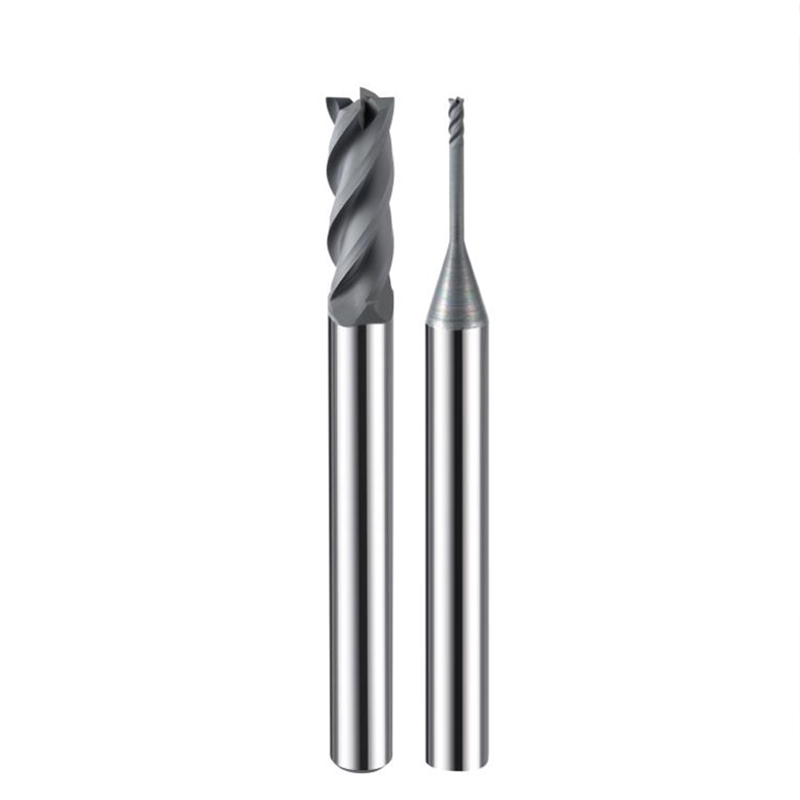
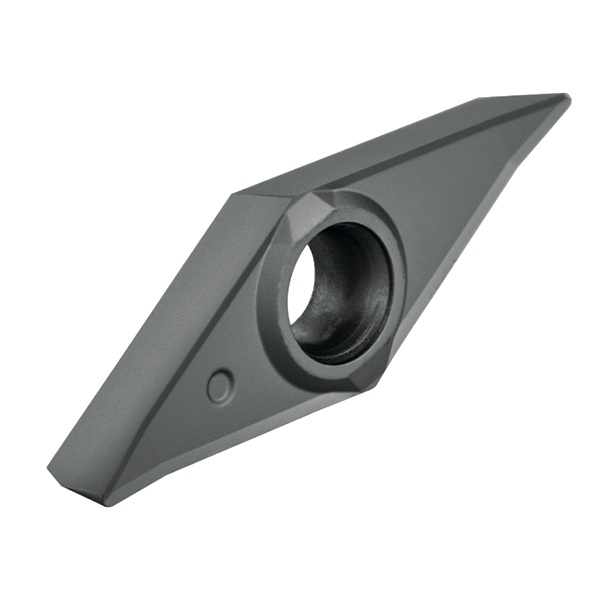
Graphite, Ceramics, and Carbon Fiber are the future, but they are “tool killers.” If you’re still using traditional coating, you’re fighting a losing battle.
Our CVD (Chemical Vapor Deposition) Diamond Coating creates a real crystalline diamond layer on the carbide substrate. This isn’t just a “finish”—it’s a shield.
Why top distributors choose our CVD series:
1.Ultra-Low Friction: Prevents chip welding and heat buildup.
2.Extreme Abrasion Resistance: Maintains sharp cutting edges $20 \times$ longer.
3.Surface Finish: Mirror-like results on the workpiece, zero secondary polishing needed.