Nullam dignissim, ante scelerisque the is euismod fermentum odio sem semper the is erat, a feugiat leo urna eget eros. Duis Aenean a imperdiet risus.
Nullam dignissim, ante scelerisque the is euismod fermentum odio sem semper the is erat, a feugiat leo urna eget eros. Duis Aenean a imperdiet risus.
 author
Graphite is easy to cut only when the tool is suited to it. Its fine abrasive dust wears an ordinary carbide edge quickly, and its brittle structure can chip at corners, thin walls and narrow ribs. Once the edge starts to wear, an electrode or mold can drift out of size even when the machine program has not changed.
The right diamond tools for graphite machining are selected by the operation first: roughing, finishing, slotting, corner work or a small feature. A CVD diamond-coated milling tool is most useful when abrasive wear, surface finish and stable dimensions matter more than the lowest tool price.
Graphite dust is abrasive. During milling it enters the cutting zone and works against the edge and flute. The material is also brittle, so an unstable edge can chip the workpiece instead of producing a clean cut. In electrode work, a small change in tool diameter can become a dimensional error in the finished mold.
The problem becomes harder with deep cavities, thin ribs and narrow slots. A long, flexible tool may deflect, while an overfilled flute can recut dust and raise cutting temperature. Tool selection therefore needs to cover edge material, flute space, total length and the shape of the feature.
CVD diamond provides a hard, wear-resistant cutting surface. The TSHZ knowledge base describes hardness around 9,000–10,000 HV, a friction coefficient around 0.05–0.1 and high thermal conductivity. These properties help the edge resist abrasive wear and reduce frictional heat while the tool removes graphite.
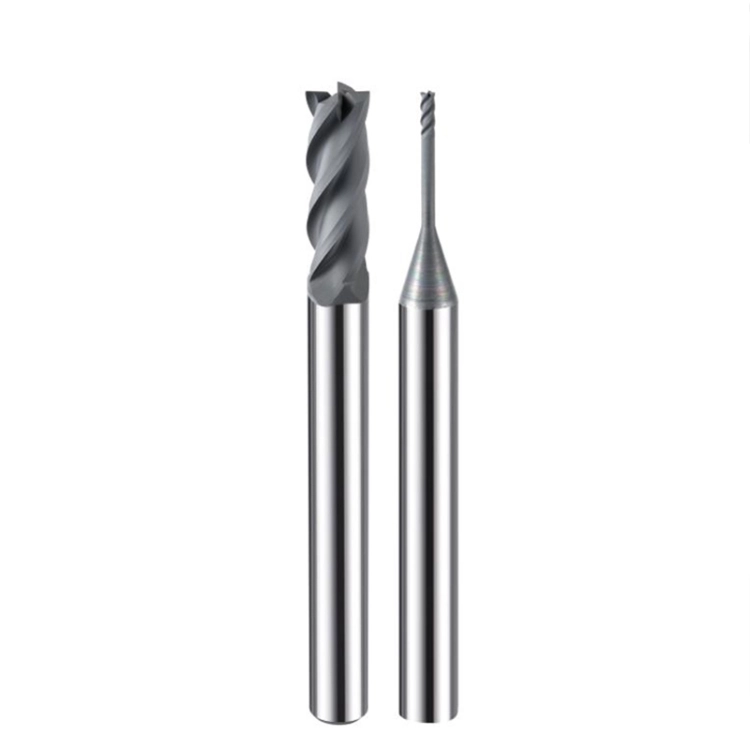
The Flat Bottom Cylindrical End Mill page gives a clear application example. TSHZ lists a standard 2-flute/4-flute design with sharp edges and large chip-clearance space for roughing and semi-finishing graphite electrodes. The page also states a 9,800–10,000 HV surface hardness and a claimed 10–20 times longer life than carbide in graphite machining. Treat that as a product reference, not a universal result: grade, tool diameter, cutting data and machine rigidity still control actual life.
Flute count changes the balance between chip space and finishing behavior.
Two flutes leave more room for chip and dust evacuation. They are useful for deep slots, roughing and small-diameter tools where a crowded flute would increase recutting. If the tool diameter is small or the cavity is deep, clearance can matter more than a very fine finish.
Four flutes provide more cutting edges and can support a smoother finishing pass when the machine and workholding are stable. They are often a better fit for finishing or harder graphite grades where surface quality is a priority. Do not choose four flutes by default if the tool cannot clear dust effectively.
A flat-bottom tool suits pockets, planar areas and efficient material removal. A round-nose tool can reduce corner damage and support a controlled radius. A ball-nose tool is used for curved surfaces and 3D electrode features. The Diamond and Graphite Cutting Tool Series groups these geometries so the selection can follow the part rather than force one cutter into every operation.

Roughing removes stock. The tool needs enough flute space, stiffness and edge protection to maintain a stable removal rate. A flat-bottom 2-flute design can be a sensible starting point for large pockets and electrode blanks.
Finishing has a different goal. It must protect small radii, thin walls and visible surfaces. Use a shorter tool when the cavity permits, keep the toolholder clean and leave a controlled finishing allowance. If a corner is chipping, changing to a round-nose or ball-nose geometry may solve more than increasing the coating thickness.
Micro features require a separate check. A 0.1 mm tool has little margin for runout and deflection. Measure tool projection, check the spindle and use a cutting condition that does not force the edge into the graphite. A coating cannot rescue a tool that is bent, poorly held or too long.
The unit price of a CVD diamond milling cutter is only one line in the cost calculation. Include tool life, changeover time, dimensional drift, rejected electrodes, secondary polishing and machine availability. The TSHZ knowledge base reports longer life in graphite and lower changeover frequency as key value points. Confirm the improvement with a controlled trial using the same graphite grade and program.
Track four simple results: usable cutting time, final dimensional error, surface condition and cost per finished part. If the diamond-coated tool lasts longer but creates a poor surface, the trial is not a success. If it holds the edge and avoids rework, the higher purchase price may be justified.
The first mistake is choosing the longest tool because it reaches the cavity. Use the shortest projection that clears the workpiece. The second is choosing flute count without checking dust evacuation. The third is ignoring workholding and machine runout. A stable tool in a weak setup will still produce unstable graphite features.
Do not assume a coated tool should be reground like a standard carbide cutter. Regrinding can remove the diamond layer and expose the substrate. Inspect the edge and follow a replacement rule based on size drift, surface quality and visible wear.
Custom tooling is useful when the part has a non-standard profile, a very small radius, a deep narrow slot or a repeatability requirement that standard geometry cannot meet. TSHZ states that it provides non-standard customization alongside standard diamond-coated tools. Its graphite application page addresses electrode machining, dust-related wear, thin-wall dimensional drift and surface requirements.
Provide the graphite grade, drawing, tool diameter, flute count, reach, machine model and current failure mode. TSHZ can then assess geometry and coating together. The brand TSHZ focuses on CVD diamond-coated cutting tools and related custom solutions. For a drawing or trial discussion, use the verified contact page.
They can be suitable for many abrasive graphite applications, but the geometry and cutting data still need to match the grade, feature and machine. Test the selected tool on the actual material before a large release.
Regrinding is generally not recommended for diamond-coated tools because it can remove the functional coating. Use wear and dimensional checks to define replacement timing.
Two flutes provide more chip-clearance space and often suit roughing, deep slots and small diameters. Four flutes provide more cutting edges and can suit finishing when dust evacuation, rigidity and machine conditions are adequate.
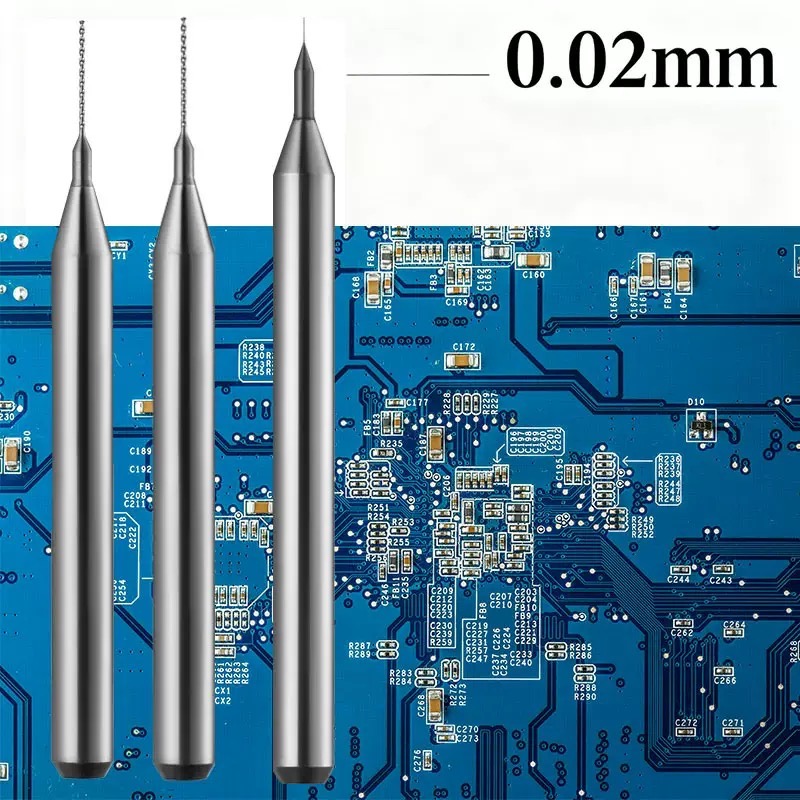
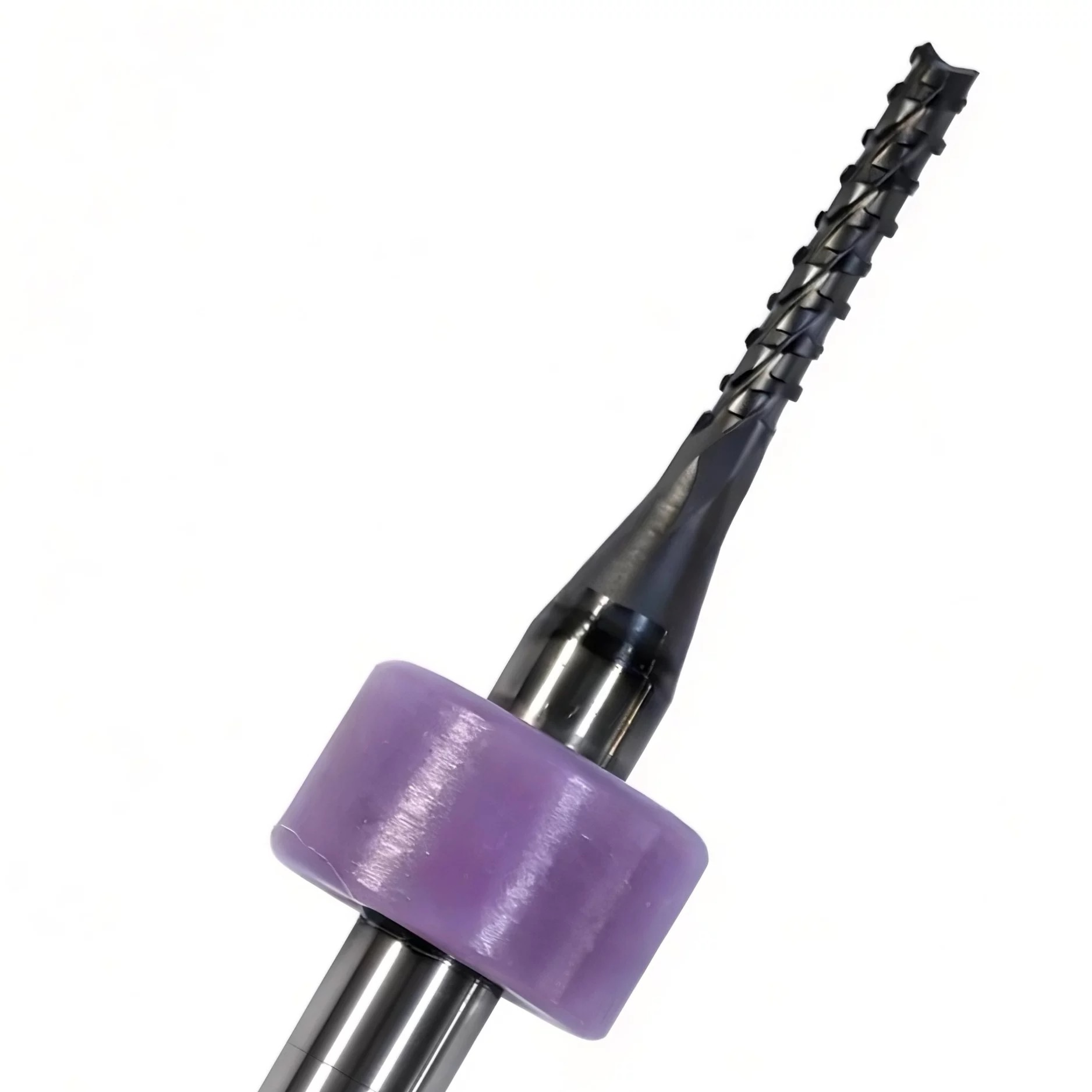
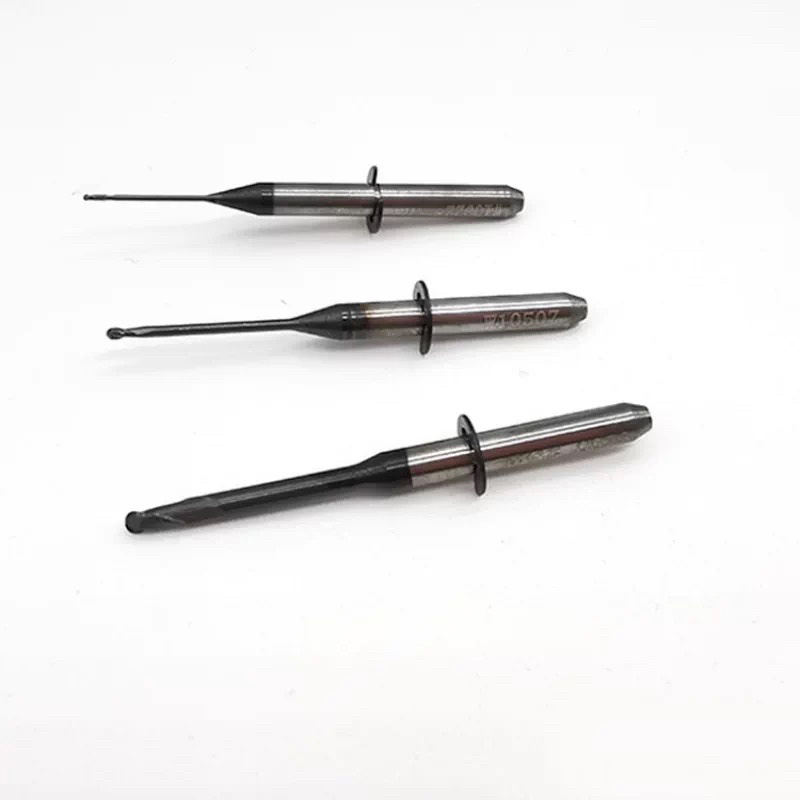
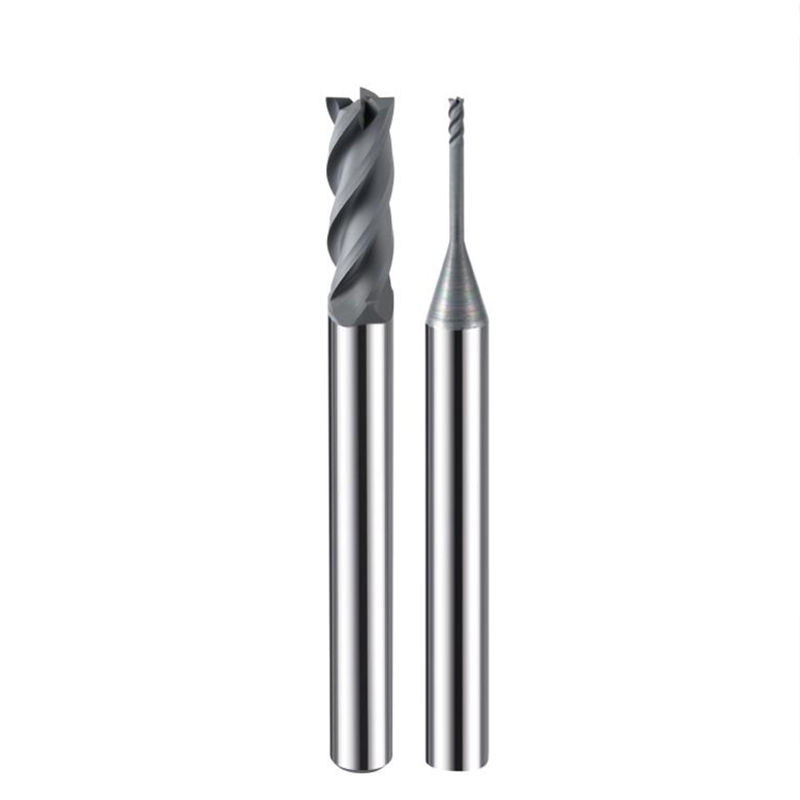
Graphite, Ceramics, and Carbon Fiber are the future, but they are “tool killers.” If you’re still using traditional coating, you’re fighting a losing battle.
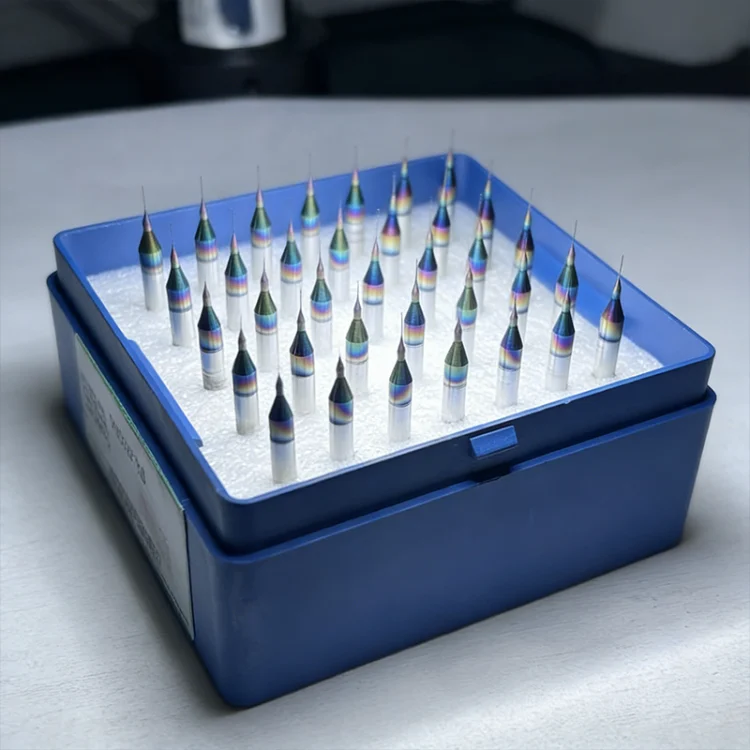
Our CVD (Chemical Vapor Deposition) Diamond Coating creates a real crystalline diamond layer on the carbide substrate. This isn’t just a “finish”—it’s a shield.
Why top distributors choose our CVD series:
1.Ultra-Low Friction: Prevents chip welding and heat buildup.
2.Extreme Abrasion Resistance: Maintains sharp cutting edges $20 \times$ longer.
3.Surface Finish: Mirror-like results on the workpiece, zero secondary polishing needed.