ไม่มีศักดิ์ศรี ก่อนที่คนขี้โกงจะเกลียดชัง euismod fermentum sem semper the is erat, feugiat สิงห์ urna eget eros ดุส เอเนียน ตัดผมเพื่อเสียงหัวเราะ
ไม่มีศักดิ์ศรี ก่อนที่คนขี้โกงจะเกลียดชัง euismod fermentum sem semper the is erat, feugiat สิงห์ urna eget eros ดุส เอเนียน ตัดผมเพื่อเสียงหัวเราะ
 ผู้เขียน
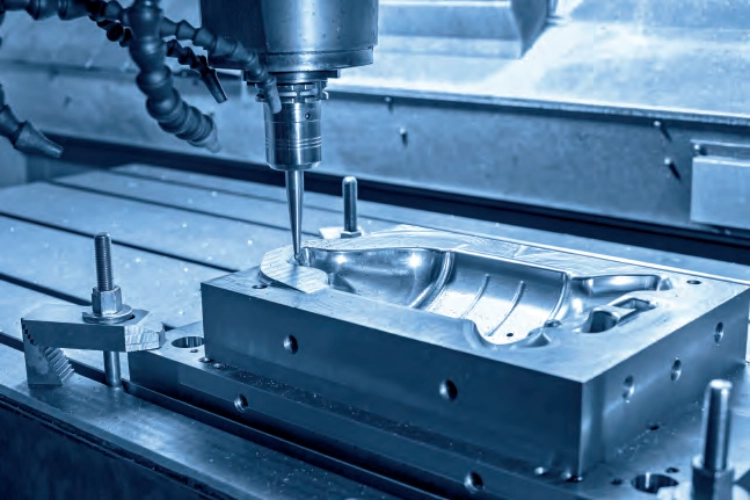
ประสิทธิภาพของหัวกัดความแม่นยำสูงไม่ได้ขึ้นอยู่กับแค่การเคลือบผิวหรือวัสดุเท่านั้น รูปทรงของเครื่องมือควบคุมวิธีการที่หัวกัดเข้าสู่ชิ้นงาน วิธีที่เศษวัสดุออกจากรอยตัด และลักษณะของพื้นผิวหลังการตัด การเคลือบผิวแบบเดียวกันอาจให้ประสิทธิภาพที่แตกต่างกันเมื่อรูปทรงของเครื่องมือเปลี่ยนไป
สำหรับผู้ซื้อ รูปทรงเรขาคณิตเป็นทางเลือกในการผลิตที่ใช้งานได้จริง มันส่งผลต่อว่าเครื่องจักรทำงานได้อย่างราบรื่นหรือไม่ ผู้ปฏิบัติงานจำเป็นต้องทำการตัดซ้ำหลายครั้งหรือไม่ และชิ้นส่วนที่ออกจากเครื่องจักรพร้อมสำหรับกระบวนการต่อไปหรือไม่
TSHZ มีตัวเลือกหัวตัดเคลือบเพชรสำหรับงานกลึงที่ต้องการความแม่นยำสูง สำหรับผู้ซื้อแล้ว วิธีที่เหมาะสมที่สุดคือการเลือกรูปทรงของหัวตัดให้เหมาะสมกับพื้นผิว วัสดุ และเส้นทางการกลึง แทนที่จะมองว่าหัวตัดทุกแบบสามารถใช้แทนกันได้
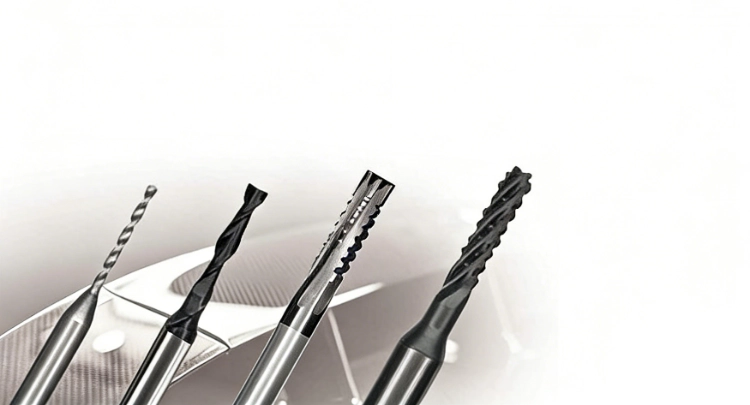
คำศัพท์ทางเรขาคณิตข้อใดสำคัญที่สุดในการออกแบบดอกกัด?
เรขาคณิตของเครื่องมืออธิบายถึงรูปร่างและพฤติกรรมการตัดของเครื่องมือ ซึ่งส่งผลต่อพื้นที่สัมผัส ทิศทางแรง การไหลของเศษวัสดุ และความเรียบของพื้นผิว
รูปทรงปลายใบมีด
รูปทรงของปลายใบมีดเป็นตัวกำหนดว่าใบมีดจะสัมผัสกับวัสดุอย่างไร ปลายใบมีดแบบแบน ทรงกลม หรือปลายกลม จะให้การตัดที่แตกต่างกันและรูปแบบพื้นผิวที่แตกต่างกัน
การเปลี่ยนแปลงรูปทรงเพียงเล็กน้อยก็สามารถเปลี่ยนความรู้สึกโดยรวมของการตัดเฉือนได้ หัวตัดอาจดันวัสดุแตกต่างกัน ทิ้งรอยแตกต่างกัน หรือต้องใช้เส้นทางการเคลื่อนที่ของเครื่องมือที่แตกต่างกันเพื่อให้ได้พื้นผิวเป้าหมายเดียวกัน
พฤติกรรมการสัมผัสขอบ
หัวตัดที่มีพื้นที่สัมผัสกว้างกว่าอาจให้ความรู้สึกมั่นคงกว่าในบางการใช้งาน ในขณะที่พื้นที่สัมผัสที่เล็กกว่าอาจช่วยในการขึ้นรูปที่ละเอียดกว่า ผู้ซื้อควรพิจารณาพฤติกรรมนี้ให้สอดคล้องกับงานกลึง
ประสบการณ์ของผู้ใช้งานมีความสำคัญมาก เครื่องมือที่ส่งเสียงดังเอี๊ยดอ๊าด เสียดสี หรือทิ้งรอยไม่สม่ำเสมอ จะถูกตำหนิอย่างรวดเร็ว แม้ว่าสเปคตอนซื้อจะดูถูกต้องก็ตาม ผู้ซื้อควรสอบถามผู้ใช้งานเครื่องจักรว่าประสบปัญหาอะไรมากที่สุด: รอยเครื่องมือ การสึกหรอของคมตัด ความร้อน การอุดตันของเศษโลหะ หรือขนาดที่ไม่คงที่
ในการตัดและตกแต่งชิ้นงานด้วยเครื่อง CNC ที่มีความแม่นยำสูงนั้น รูปทรงเรขาคณิตไม่ได้จำกัดอยู่แค่เพียงรูปทรงของโปรไฟล์เท่านั้น ข้อกำหนดพื้นฐานที่สำคัญ ได้แก่ ค่าความคลาดเคลื่อนรัศมีรวม (TIR) ที่ต้องต่ำกว่า ≤0.003 มม. เพื่อป้องกันการรับน้ำหนักของร่องตัดที่ไม่สม่ำเสมอ ควบคู่ไปกับมุมเกลียวที่ปรับให้เหมาะสมกับการใช้งาน (เช่น 30° สำหรับการดีดเศษวัสดุที่สมดุล เทียบกับ 45° สำหรับความต้านทานการตัดต่ำในอะลูมิเนียมและกราไฟต์) การควบคุมรูปทรงเรขาคณิตระดับไมโคร เช่น การลับคมคมตัดและมุมคลายตัวหลัก จะช่วยลดการโก่งตัวของเครื่องมือและกำจัดรอยสั่นสะเทือนขนาดเล็กบนพื้นผิวที่มีความคลาดเคลื่อนต่ำได้โดยตรง
ผลกระทบของเส้นทางการตัด
เส้นทางการเคลื่อนที่ของเครื่องมือที่วางแผนไว้จะเปลี่ยนแปลงรูปทรงเรขาคณิตที่เหมาะสม เครื่องมือที่ใช้ได้ผลดีกับการกัดพื้นผิวเรียบ อาจไม่ได้ผลลัพธ์เดียวกันบนพื้นผิวโค้งหรือพื้นผิวที่มีรูปทรงต่างๆ
ด้วยเหตุนี้ ผู้ซื้อจึงควรแจ้งเป้าหมายในการขึ้นรูปชิ้นงานให้ทราบ แทนที่จะส่งเฉพาะขนาดเส้นผ่านศูนย์กลางของหัวตัดเท่านั้น การขึ้นรูปชิ้นงานที่มีก้นช่อง ผนังด้านข้าง รูปทรงสามมิติ และขอบที่โค้งมน ล้วนต้องการลักษณะการสัมผัสที่แตกต่างกัน
รูปทรงมีผลต่อความเรียบของพื้นผิวและการควบคุมการบิ่นอย่างไร?
รูปทรงของชิ้นงานมีผลต่อวิธีการกำจัดวัสดุและการระบายความร้อนออกจากบริเวณที่ตัด ซึ่งส่งผลโดยตรงต่อความเรียบของพื้นผิวและการสึกหรอของเครื่องมือ
ผิวเรียบเนียน
สำหรับงานที่ต้องการความแม่นยำในการตัด เครื่องมือควรช่วยลดรอยตัดที่รุนแรงและรักษาความคมของคมมีดให้คงที่ รูปทรงที่ไม่เข้ากันอาจทำให้เกิดรอยที่มองเห็นได้ชัดเจน แม้ว่าการเคลือบผิวจะเหมาะสมแล้วก็ตาม
พื้นผิวที่เสร็จสมบูรณ์ไม่ได้เป็นเพียงผลลัพธ์ทางเทคนิคเท่านั้น แต่ยังส่งผลต่อความรู้สึกของชิ้นงานในขั้นตอนต่อไป ว่าชิ้นส่วนนั้นจำเป็นต้องขัดเงาเพิ่มเติมหรือไม่ และลูกค้าจะเชื่อมั่นในชิ้นส่วนนั้นตั้งแต่การตรวจสอบครั้งแรกหรือไม่ การเลือกรูปทรงเรขาคณิตที่ดีขึ้นสามารถลดการแก้ไขงานซ้ำซึ่งมีค่าใช้จ่ายสูงแต่ถูกมองข้ามได้ง่ายในระหว่างการเสนอราคา
การอพยพชิปที่เสถียร
การระบายเศษวัสดุมีความสำคัญ เพราะเศษวัสดุที่ติดอยู่สามารถเสียดสีกับชิ้นงานและทำให้ขอบเสียหายได้ รูปทรงของเครื่องจักรควรเอื้อต่อการกำจัดวัสดุอย่างสะอาด โดยเฉพาะอย่างยิ่งในการตัดเฉือนซ้ำๆ
หากเศษวัสดุตกค้างอยู่ในบริเวณการตัด ผู้ปฏิบัติงานอาจลดความเร็วหรือหยุดการทำงานบ่อยขึ้นเพื่อป้องกันชิ้นงาน ซึ่งจะลดคุณค่าของเครื่องตัดที่มีความแม่นยำสูงลง แม้ว่าวัสดุของเครื่องมือจะเหมาะสมก็ตาม
การจัดการความร้อน
ความร้อนจะสะสมเมื่อเศษวัสดุไม่ถูกกำจัดออกไปอย่างทั่วถึง หรือเมื่อเครื่องมือเสียดสีแทนที่จะตัด รูปทรง ความเร็วในการป้อน และการเคลือบผิว ควรทำงานร่วมกันเพื่อลดความเสี่ยงดังกล่าว
ปัญหาเรื่องความร้อนมักปรากฏในรูปแบบของอายุการใช้งานของเครื่องมือที่สั้นลง ผิวงานที่เรียบเนียนขึ้น หรือขนาดที่ไม่คงที่ ผู้ซื้อไม่ควรคาดหวังว่าการเคลือบผิวเพียงอย่างเดียวจะแก้ปัญหานี้ได้ รูปทรงของใบมีด เส้นทางการเคลื่อนที่ของเครื่องมือ และการตั้งค่าการตัดเฉือนทั้งหมดต้องเอื้อต่อการตัดที่สะอาด แทนที่จะบังคับให้เครื่องมือเสียดสีกับชิ้นงาน
รูปทรงของใบมีดแบบไหนเหมาะกับวัสดุแบบใด?
รูปทรงของหัวตัดแต่ละแบบเหมาะกับพื้นผิวและเป้าหมายการตัดเฉือนที่แตกต่างกัน ผู้ซื้อควรเลือกเครื่องมือตามประเภทของการตัดก่อนเป็นอันดับแรก
กรณีการใช้งานแบบฐานแบน
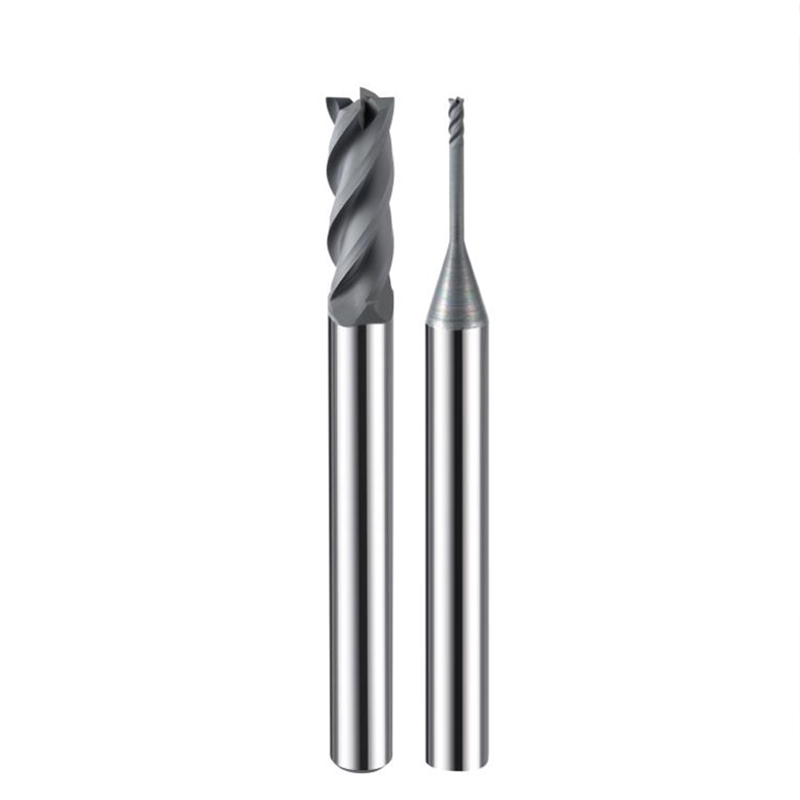
ดอกกัดปลายทรงกระบอกก้นแบน เหมาะสมเมื่อต้องการพื้นผิวเรียบ ขอบสะอาด และการสัมผัสขอบที่ควบคุมได้ ควรเลือกให้เหมาะสมกับพื้นผิวและวัสดุที่ต้องการใช้งาน
กรณีการใช้งานของหัวบอล
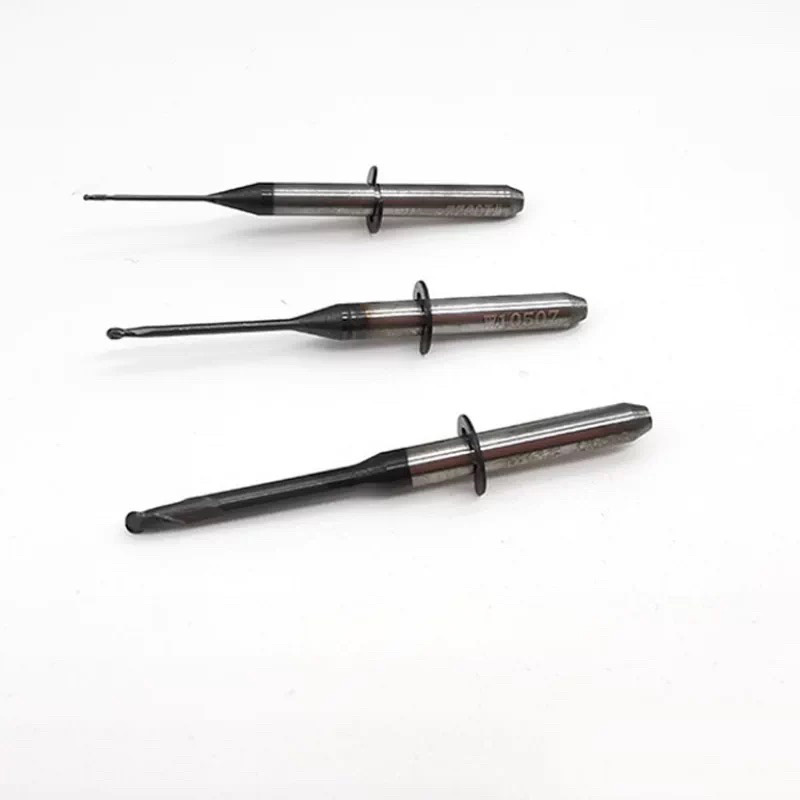
ดอกกัดปลายกลม มีประโยชน์เมื่อชิ้นส่วนมีพื้นผิวโค้งหรือเป็นรูปทรงต่างๆ รูปทรงนี้ช่วยให้การเปลี่ยนผ่านในการขึ้นรูปพื้นผิว 3 มิติราบรื่นยิ่งขึ้น ผู้ซื้อควรปรับรัศมี อัตราป้อน และระยะการเคลื่อนให้เหมาะสมกับพื้นผิวเป้าหมาย เนื่องจากหัวตัดแบบหัวกลมอาจทิ้งรอยได้หากเส้นทางการเคลื่อนที่ของเครื่องมือหยาบเกินไป
กรณีการใช้งานสำหรับจมูกทรงกลม
ดอกกัดปลายกลม สามารถใช้ได้ในกรณีที่รูปทรงของใบมีดตัดต้องการโปรไฟล์โค้งมนเพื่อการสัมผัสที่ราบรื่นยิ่งขึ้น หรือเพื่อลักษณะการเคลื่อนที่ของเครื่องมือที่เฉพาะเจาะจง

ผู้ซื้อควรตรวจสอบอะไรบ้างก่อนสั่งซื้อ?
การตัดสินใจขั้นสุดท้ายควรพิจารณารูปทรงของใบมีดให้สอดคล้องกับสภาพของเครื่องจักรและเป้าหมายการผลิต ใบมีดที่ดีก็อาจไม่ใช่ตัวเลือกที่ดีหากรูปทรงไม่เหมาะสมกับงาน
การประกอบเครื่องจักร
หัวตัดต้องเหมาะสมกับสภาพของเครื่องจักร ตัวจับยึด และแกนหมุน หัวตัดที่มีความแม่นยำสูงไม่สามารถชดเชยความแข็งแรงที่ไม่ดีหรือการจับยึดที่ไม่ถูกต้องได้
ความเข้ากันได้ของวัสดุ
วัสดุของชิ้นงานมีผลต่อการสึกหรอของคมตัด ความร้อน และลักษณะการเกิดเศษวัสดุ ผู้ซื้อควรแจ้งข้อมูลวัสดุก่อนเลือกรูปทรงของใบมีดตัด
หากวัสดุนั้นมีฤทธิ์กัดกร่อน รูปทรงและการเคลือบผิวต้องช่วยปกป้องขอบ หากวัสดุนั้นตัดง่ายแต่ไวต่อรอยขีดข่วน ผู้ซื้ออาจให้ความสำคัญกับคุณภาพพื้นผิวมากกว่าอายุการใช้งาน
ความสามารถในการทำซ้ำ
หากงานนั้นต้องทำซ้ำ ผู้ซื้อควรตรวจสอบว่าเครื่องมือสามารถรักษาคุณภาพผิวงานและขนาดที่คาดหวังได้ตลอดการทำงานหรือไม่ ความสามารถในการทำซ้ำได้นั้นมักเป็นคุณค่าที่แท้จริงของเครื่องมือกัดความแม่นยำสูง
ส่วนแรกนั้นยังไม่เพียงพอต่อการพิสูจน์ ผู้ซื้อควรตรวจสอบส่วนที่อยู่ใกล้ช่วงท้ายของการผลิตด้วย เพราะการสึกหรอที่ขอบและความร้อนอาจเปลี่ยนแปลงผลลัพธ์ได้หลังจากกระบวนการผลิตเข้าที่เข้าทางแล้ว
ผู้ซื้อควรเลือกรูปทรงของใบมีดตัดให้เหมาะสมกับงานอย่างไร?
การกำหนดรูปทรงควรเป็นไปตามพื้นผิวของชิ้นส่วนและลักษณะการเคลื่อนที่ของหัวตัดผ่านวัสดุ
พื้นผิวเรียบ
เครื่องมือตัดแบบก้นแบนเหมาะที่สุดเมื่อต้องการพื้นผิวด้านล่างที่ควบคุมได้ หรือขอบที่คมชัดกว่า การเลือกใช้เครื่องมือประเภทนี้จะง่ายกว่าเมื่อเส้นทางการตัดเฉือนไม่ซับซ้อน และพื้นผิวเป้าหมายเรียบ
ผู้ซื้อควรตรวจสอบลักษณะการเข้ามุมและการสึกหรอของเครื่องมือบริเวณขอบอยู่เสมอ เครื่องมือแบบก้นแบนอาจให้พื้นผิวที่เรียบเนียน แต่การป้อนวัสดุที่ไม่ถูกต้องหรือการตั้งค่าที่ไม่มั่นคงอาจทำให้เกิดรอยที่ต้องทำการตกแต่งเพิ่มเติม
พื้นผิวโค้ง
เครื่องมือปลายกลมมักมีประโยชน์เมื่อชิ้นส่วนมีส่วนโค้ง รูปทรง หรือพื้นผิวที่เชื่อมต่อกัน ปลายที่โค้งมนช่วยให้การเปลี่ยนผ่านในงาน 3 มิติราบรื่นยิ่งขึ้น
เส้นทางสัมผัสแบบโค้งมน
เครื่องมือปลายมนสามารถอยู่ระหว่างลักษณะปลายแบนและปลายกลมได้ เมื่อต้องการขอบสัมผัสที่เรียบลื่นกว่าสำหรับการตัด แต่ไม่ต้องการปลายที่กลมสนิท
บทสรุป
รูปทรงของเครื่องมือมีผลต่อประสิทธิภาพของหัวกัดความแม่นยำสูง เนื่องจากเปลี่ยนแปลงการสัมผัส การไหลของเศษวัสดุ ความร้อน และความเรียบของพื้นผิว ตัวเลือกหัวกัดแบบฐานแบน หัวกลม และหัวทรงกลมของ TSHZ ช่วยให้ผู้ซื้อเลือกเส้นทางที่แตกต่างกันสำหรับเป้าหมายการตัดเฉือนที่แตกต่างกัน การเลือกที่ถูกต้องเริ่มต้นจากพื้นผิวของชิ้นงานและวัสดุที่ใช้ จากนั้นจึงพิจารณารายละเอียดการเคลือบและการสั่งซื้อ
คำถามที่พบบ่อย
เหตุใดรูปทรงเรขาคณิตของหัวกัดจึงมีความสำคัญ?
มันส่งผลต่อวิธีที่ใบมีดสัมผัสกับวัสดุ วิธีที่เศษวัสดุออกจากรอยตัด และความเรียบเนียนของพื้นผิวสุดท้าย
ผู้ซื้อควรใช้ดอกกัดปลายกลมเมื่อใด?
เทคนิคนี้มักมีประโยชน์สำหรับพื้นผิวโค้งหรือพื้นผิวที่มีรูปทรงตามต้องการการขึ้นรูป 3 มิติที่เรียบเนียนกว่า
ผู้ซื้อควรตรวจสอบอะไรบ้างก่อนสั่งซื้อเครื่องตัด?
พวกเขาควรตรวจสอบวัสดุ เป้าหมายพื้นผิว การตั้งค่าเครื่องจักร รูปทรงของใบมีด ความต้องการในการเคลือบผิว พฤติกรรมของเศษวัสดุ ค่าเผื่อการตกแต่ง และความสามารถในการทำซ้ำที่คาดหวัง
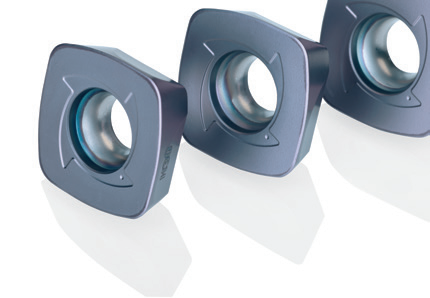
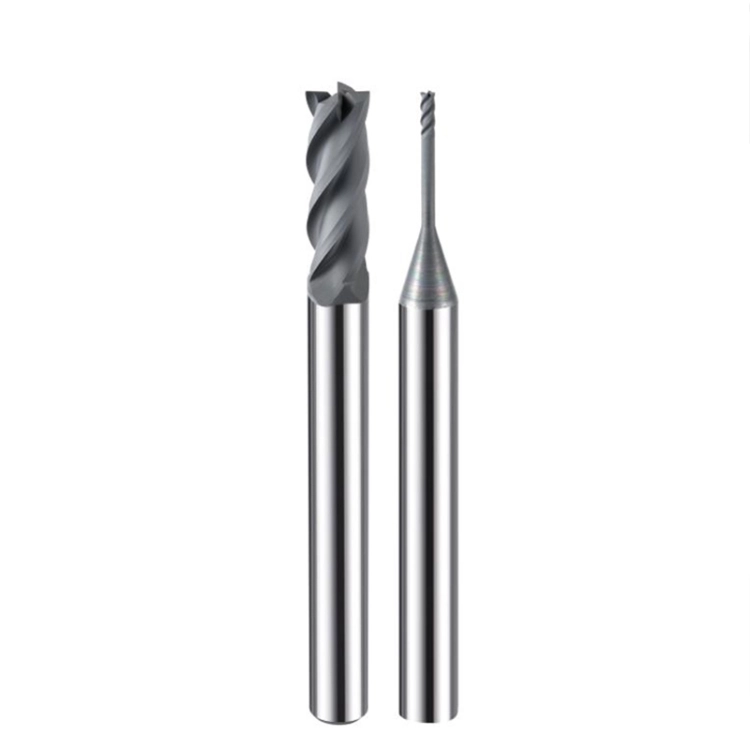
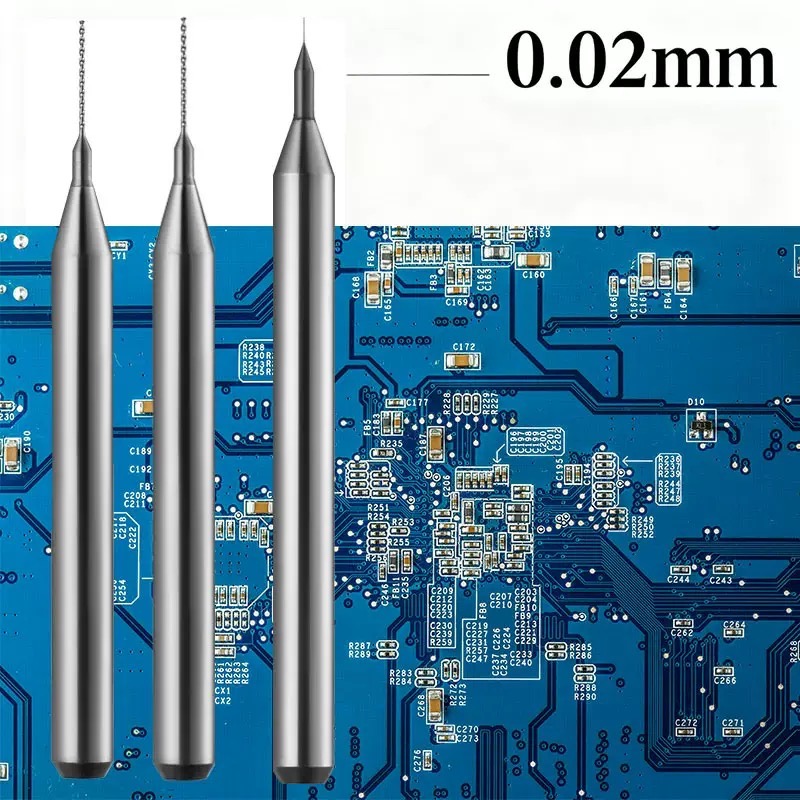
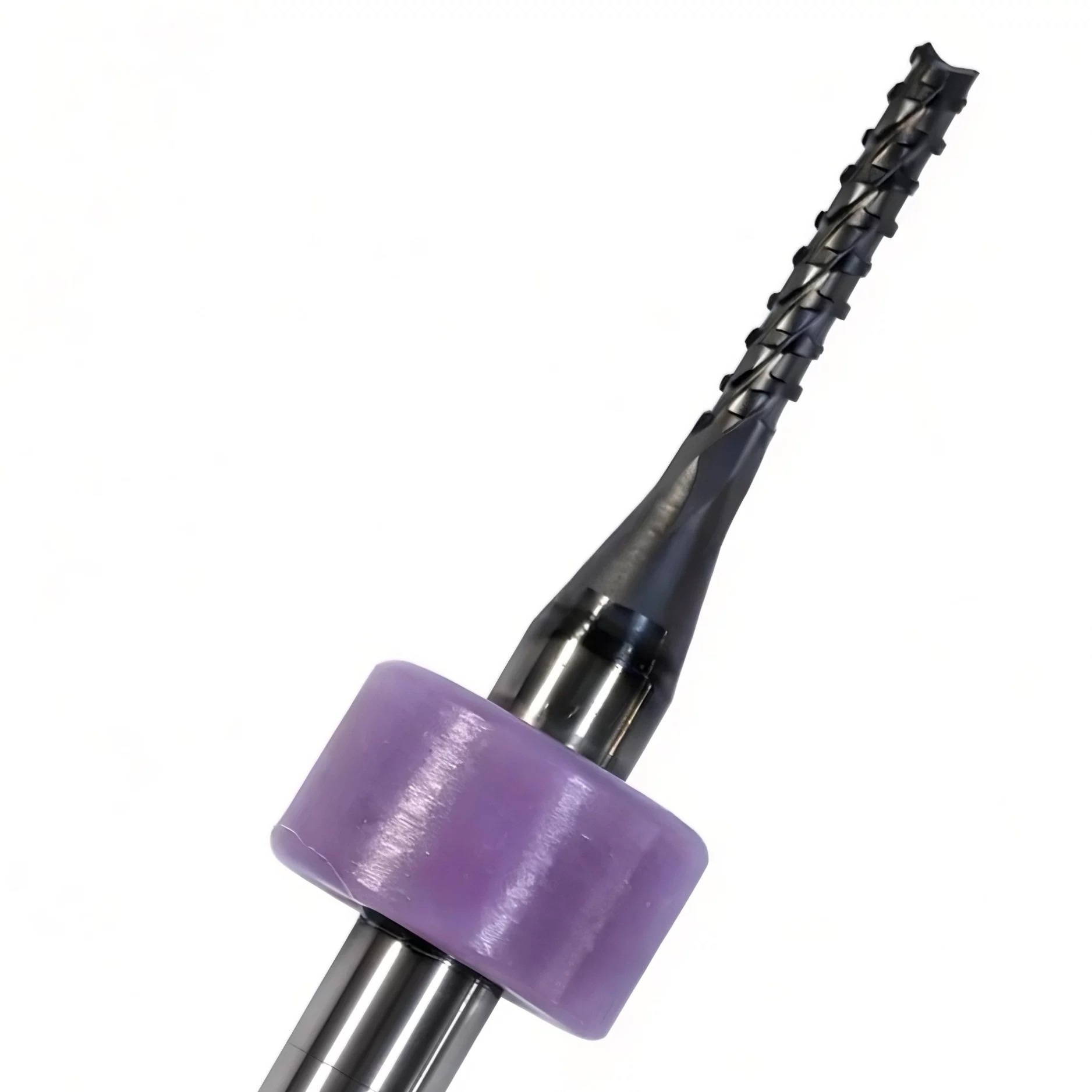
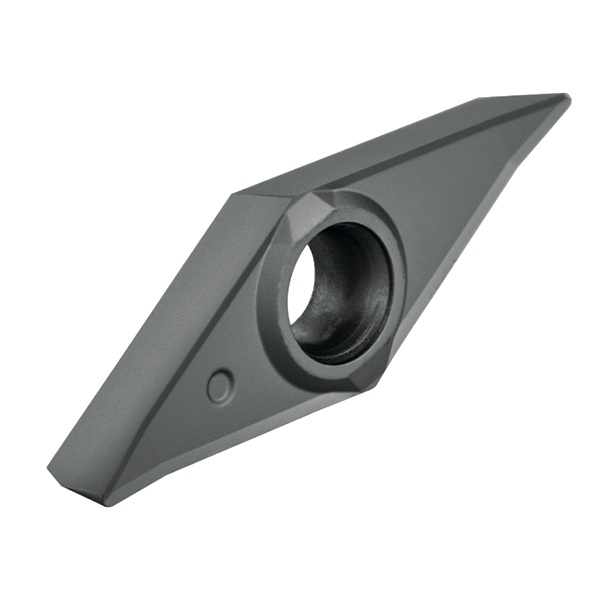
กราไฟต์ เซรามิก และคาร์บอนไฟเบอร์ คืออนาคต แต่พวกมันก็เป็น “ตัวทำลายเครื่องมือ” เช่นกัน หากคุณยังคงใช้สารเคลือบแบบดั้งเดิม คุณกำลังต่อสู้กับสิ่งที่ไม่มีวันชนะ
การเคลือบเพชรด้วยวิธี CVD (Chemical Vapor Deposition) ของเรา สร้างชั้นเพชรผลึกแท้บนพื้นผิวคาร์ไบด์ นี่ไม่ใช่แค่ "การเคลือบผิว" แต่เป็นเกราะป้องกัน
เหตุผลที่ผู้จัดจำหน่ายชั้นนำเลือกใช้ผลิตภัณฑ์ซีรี่ส์ CVD ของเรา:
1. แรงเสียดทานต่ำมาก: ป้องกันการเชื่อมติดกันของเศษโลหะและการสะสมความร้อน
2. ทนทานต่อการเสียดสีสูงเป็นพิเศษ: รักษาความคมของใบมีดได้นานกว่าถึง 20 เท่า
3. ผิวสำเร็จ: ผิวชิ้นงานเรียบลื่นเหมือนกระจก ไม่จำเป็นต้องขัดเงาซ้ำอีก