<img height="1" width="1" style="display:none" src="https://www.facebook.com/tr?id=26825290190466607&ev=PageView&noscript=1" >

尊厳なんてない、セリリスクの前にはeuismod fermentumの憎しみがある sem semper はerat、feugeat leo urna eget erosです。デュイス・アネアン 笑いのためのヘアカット。

How Tool Geometry Affects High Precision Milling Cutter Performance

  • How Tool Geometry Affects High Precision Milling Cutter Performance 著者
  • 10th 9月 2026

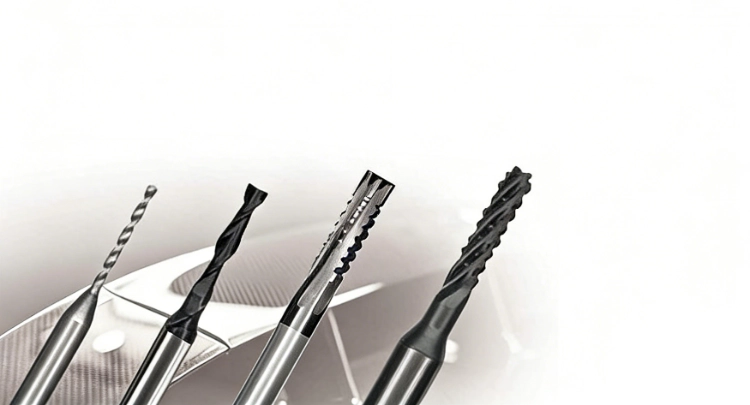
High precision milling cutter performance depends on more than coating or material. Tool geometry controls how the cutter enters the workpiece, how chips leave the cut, and how the surface looks afterward. The same coating can perform differently when the tool shape changes.

For buyers, geometry is a practical production choice. It affects whether the machine runs smoothly, whether the operator needs extra passes, and whether the part leaves the machine ready for the next process.

TSHZ offers diamond-coated cutter options for precision machining needs. For buyers, the practical route is to choose the cutter shape according to the surface, material, and machining path rather than treating all milling cutters as interchangeable.

How Tool Geometry Affects High Precision Milling Cutter Performance

What Geometry Terms Matter Most in Milling Cutters?

Tool geometry describes the shape and cutting behavior of the tool. It affects contact area, force direction, chip flow, and surface finish.

Cutter Tip Shape

The tip shape decides how the cutter meets the material. A flat, ball, or round nose shape produces a different cutting action and a different surface pattern.

A small shape change can change the whole feel of machining. The cutter may push material differently, leave a different mark, or require a different tool path to reach the same surface target.

Edge Contact Behavior

A cutter with a wider contact area may feel more stable in some operations, while a smaller contact area may help in more detailed shaping. The buyer should connect this behavior to the machining job.

The operator’s experience matters here. A tool that chatters, rubs, or leaves uneven marks will be blamed quickly even if the purchase spec looked correct. Buyers should ask what the machine operator struggles with most: tool marks, edge wear, heat, chip packing, or unstable dimensions.

In high-precision CNC routing and finishing, geometry goes beyond profile contours. Essential baseline specs include a total radial runout (TIR) held under ≤0.003 mm to prevent uneven flute loading, paired with application-tailored helix angles (e.g., 30° for balanced chip ejection vs. 45° for low cutting resistance in aluminum and graphite). Controlling micro-geometry—such as edge honing and primary relief angles—directly suppresses tool deflection and eliminates micro-chatter marks across tight-tolerance surfaces.

Cutting Path Impact

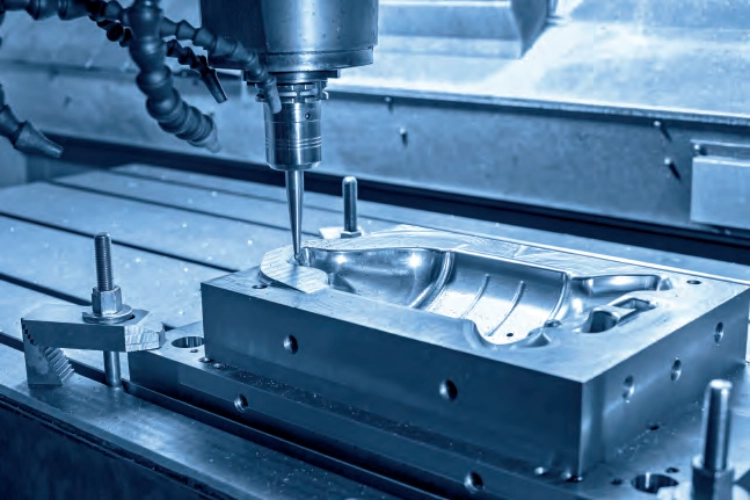
The planned tool path changes which geometry is practical. A tool that works in flat-bottom milling may not give the same result on curved or contoured surfaces.

This is why the buyer should share the machining goal instead of sending only the cutter diameter. Pocket bottoms, side walls, 3D contours, and blended edges all call for different contact behavior.

How Does Shape Affect Surface Finish and Chip Control?

Shape affects how material is removed and how heat moves away from the cut. That directly changes both surface finish and tool wear.

Smooth Finishing

For controlled surface work, the tool should reduce harsh cutting marks and maintain a stable edge. A mismatched shape can create visible marks even when the coating is suitable.

A finished surface is not only a technical result. It affects how the next process feels, whether the part needs extra polishing, and whether the customer trusts the component at first inspection. Better geometry selection can reduce rework that is expensive but easy to overlook during quotation.

Stable Chip Evacuation

Chip evacuation matters because trapped chips can rub the workpiece and damage the edge. Geometry should support clean material removal, especially in repeated machining.

If chips stay in the cutting area, the operator may lower speed or stop more often to protect the part. That reduces the value of a precision cutter even when the tool material is suitable.

Heat Management

Heat builds when chips do not clear well or when the tool rubs instead of cuts. Geometry, feed, speed, and coating should work together to reduce that risk.

Heat problems often appear as shorter tool life, poorer surface finish, or unstable dimensions. A buyer should not expect coating alone to solve this. The cutter form, tool path, and machining setup all need to support clean cutting instead of forcing the tool to rub.

Which Cutter Forms Fit Which Materials?

Different cutter forms fit different surfaces and machining goals. The buyer should select the tool by cut type first.

Flat-Bottom Use Cases

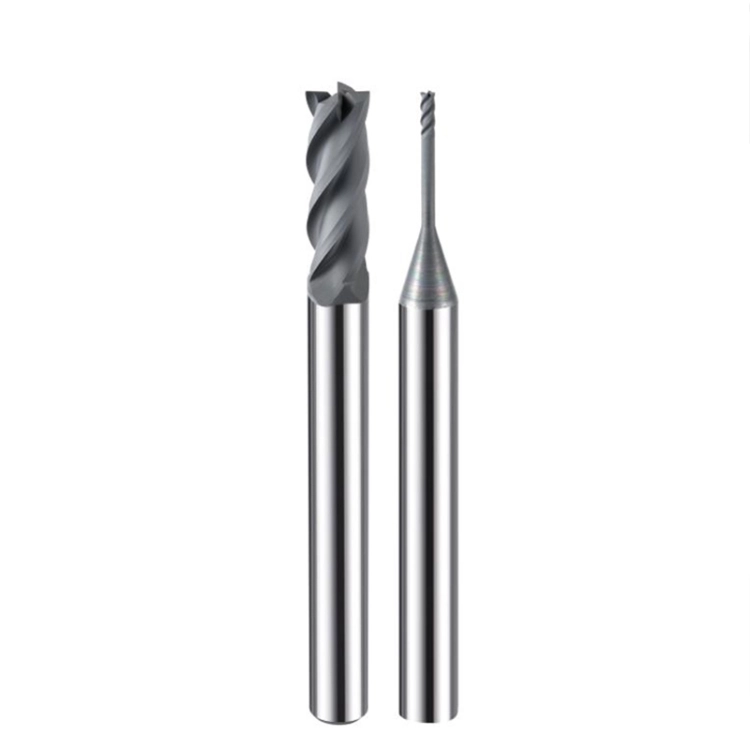
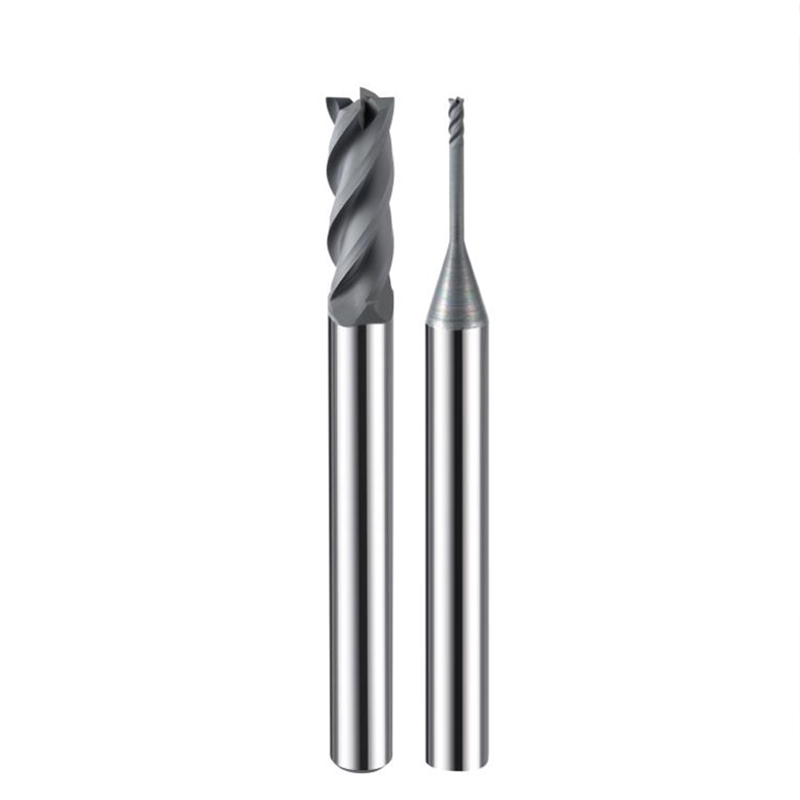
Flat Bottom Cylindrical End Mill is relevant when the job needs flat features, clean bottoms, and controlled edge contact. It should be matched to the required surface and work material.

Ball Nose Use Cases

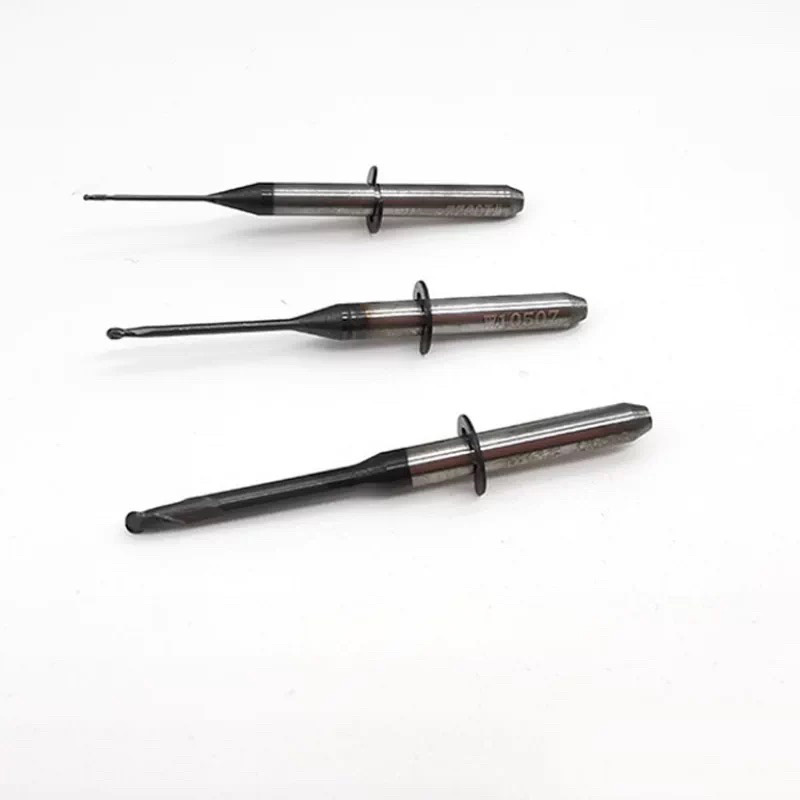
ボールノーズエンドミル is useful when the part has curved or contoured surfaces. The shape supports smoother transitions in 3D surface machining. Buyers should still match radius, feed, and stepover to the surface target because a ball nose cutter can also leave marks if the tool path is too rough.

Round Nose Use Cases

丸ノーズエンドミル can be used where the cutter shape needs a rounded profile for smoother contact or specific tool path behavior.

Flat Bottom Cylindrical End Mill

購入者は注文前に何をチェックすべきか?

The final decision should connect cutter shape to machine condition and production goal. A good cutter is still a poor choice if the geometry does not fit the job.

Machine Fit

The cutter must suit the machine, holder, and spindle condition. A precision cutter cannot compensate for poor rigidity or wrong clamping.

Material Compatibility

The workpiece material affects edge wear, heat, and chip behavior. Buyers should provide the material before selecting the cutter geometry.

If the material is abrasive, the geometry and coating have to protect the edge. If the material is easier to cut but sensitive to finish marks, the buyer may care more about surface quality than wear life.

Repeatability

If the job repeats, the buyer should check whether the tool can maintain the expected finish and dimension across the run. Repeatability is often the real value of a precision milling cutter.

The first part is not enough proof. Buyers should look at the part near the end of a run as well, because edge wear and heat can change the result after production has settled into rhythm.

How Should Buyers Match Cutter Shape to the Job?

The shape decision should follow the part surface and the way the cutter moves through the material.

Flat Surfaces

Flat-bottom tools work best when the job needs a controlled bottom surface or clearer edge definition. They are easier to select when the machining path is simple and the surface target is flat.

Buyers should still check corner behavior and tool wear near the edge. A flat-bottom tool can give a clean surface, but the wrong feed or unstable setup may leave marks that require extra finishing.

Curved Surfaces

Ball nose tools usually help when the part has curves, contours, or blended surfaces. The rounded tip allows smoother transitions in 3D work.

Rounded Contact Paths

Round nose tools can sit between flat and ball nose behavior when the cutting path needs a smoother contact edge but not a fully spherical tip.

結論

Tool geometry affects high precision milling cutter performance because it changes contact, chip flow, heat, and surface finish. TSHZ’s flat-bottom, ball nose, and round nose cutter options give buyers different paths for different machining goals. The right choice starts with the part surface and work material, then moves to coating and ordering details.

よくある質問

Why does milling cutter geometry matter?

It affects how the cutter contacts the material, how chips leave the cut, and how smooth the final surface becomes.

When should buyers use a ball nose end mill?

It is often useful for curved or contoured surfaces where smoother 3D machining is needed.

What should buyers confirm before ordering a cutter?

They should confirm material, surface goal, machine setup, cutter form, coating need, chip behavior, finishing allowance, and expected repeatability.

タグ:

目次

よくある質問

「価格は支払う金額、コストは失う金額です。20万ドルの機械を2時間ごとに停止させる15ドルのツールは、工場内で最も高価なものです。当社のCVDツールは、40時間の連続稼働時間を確保できるため、価格は高くなります。月末までにどちらがより多くのコスト削減につながるでしょうか?」
私は懐疑的な人が大好きです。そういう人はたいてい、私たちの最高の顧客になります。G5グラファイトや18%シリコンアルミニウムでは、標準的な炭化物は数分で摩耗してしまいます。しかし、当社の8000ドルHVダイヤモンド結晶層は、文字通りその摩耗を無視します。これは単なる主張ではなく、それを裏付ける微細摩耗試験レポートもご用意しています。比較ビデオをご覧になりたいですか?
ちょっと待ってください。工具を販売したいのはやまやまですが、ダイヤモンドと鉄は高温では「敵対関係」(化学的親和性)にあります。鋼材には当社のAlTiNシリーズをご使用ください。しかし、グラファイト、CFRP、セラミックスを切断する場合は、当社のCVDが間違いなく最高です。当社は金属だけでなく、ソリューションも提供しています。
これがDLC(ダイヤモンドライクカーボン)と真のCVDの違いです。安価な「ダイヤモンド」工具のほとんどは、単なる薄膜です。当社のCVDは、炭化物基板に化学的に成長させています。単に表面に付着しているのではなく、工具の一部なのです。剥離の心配はなく、純粋な切削加工が可能です。
実際には、性能が向上します。ダイヤモンド層は超滑らかで、刃の切れ味が20倍長持ちするため、切れ味の鈍い工具で起こりがちな「引き裂き」現象を防ぐことができます。100個目の部品でも、1個目と同じように鏡面仕上げを実現できます。
工具を売るのではなく、「機械の生産能力」を売るのです。顧客にこう言ってください。「工具を1つ買って一晩中稼働させるのと、工具を20個買って、誰かに工具交換をしてもらうのと、どちらが良いですか?」人件費の削減だけでも、工具代は十分に元が取れます。
「ダイヤモンドはスピードを愛します。高回転数こそがダイヤモンドの真価を発揮する場所です。ご注文ごとに、お客様専用の切削データシートをご提供いたします。ご不明な点がございましたら、材料グレードをお送りいただければ、最適なVcとFzを計算いたします。私たちは単に工具をお届けするだけでなく、お客様の成功をお届けします。」
当社はコーティング厚さを±2μmの精度で制御しています。高精度グラファイト電極加工においては、ミクロン単位の精度が重要であることを当社は理解しています。各バッチごとに作成される品質管理レポートにより、工具番号1から100まで、オフセットが常に一定に保たれることを保証します。
標準サイズは在庫しており、即日発送可能です。配送にはDHL/FedExを使用し、通常4~7日でお客様のお手元にお届けします。機械の故障は深刻な問題であり、私たちはその出血を迅速に止めるためにここにいます。
条件を満たした店舗様には「性能保証」サンプルをご提供しています。ハイエンド技術にはコストがかかるため、無料提供はしておりませんが、もしお手持ちのツールより少なくとも10倍の性能を発揮しない場合は、次回のサンプルは弊社負担となります。いかがでしょうか?
化学気相成長法(CVD)を用いて、炭化物基板の表面に純粋なダイヤモンド薄膜を「成長」させる。この薄膜は天然ダイヤモンドに近い特性を示し、工具に優れた硬度と耐摩耗性をもたらす。
CVDダイヤモンドコーティングの硬度は最大9000HVに達し、現在業界で入手可能な最も硬い工具コーティングの1つとなっている。
グラファイト材料の加工では、工具寿命は通常3~18倍に延び、プリント基板加工では、寿命が20~30倍に延びることがあります。
グラファイトは研磨性が高く脆いため、従来の工具では急速に摩耗します。一方、ダイヤモンドコーティングは高い硬度を持つため、摩耗を効果的に抑制し、刃先の欠けを防ぎます。
4枚刃:仕上げ研磨や硬質グラファイト研磨に適しており、より優れた表面仕上げを実現します。 2枚刃:深い溝加工や小径工具(D2以下)に最適で、十分な切りくず排出スペースを確保し、工具の破損を防ぎます。
原則として、ドリル径=仕上がり穴径-めっき銅厚補正値となります。一般的には、仕上がり穴径が0.5mmを超える場合は、0.03~0.05mmの補正値を加えることが推奨されています。
グラファイト加工でもプリント基板加工でも、全長を短くすることで剛性が向上し、振れが低減され、加工中の工具破損のリスクが最小限に抑えられます。
これは、ドリルの摩耗や、銅箔を引き抜く際の引っ張り作用によって、ドリル穴の内壁に生じる変形を指します。CVDダイヤモンドコーティング工具を使用することで、釘頭の発生を大幅に抑制し、穴壁の品質を向上させることができます。
再研磨は推奨されません。形状を変えるとダイヤモンドコーティングが損傷し、硬度の低い基材が露出して性能が著しく低下します。
通常、穴壁の品質が低下した場合(例えば、バリや釘頭が50μmを超える場合)、顕微鏡でエッジの摩耗が確認できる場合、または加工量が推奨工具寿命の80~90%に達した場合は、工具を交換してください。
単価は通常、標準的な超硬工具の3~5倍高いものの、寿命が長いため穴あけあたりのコストが低くなり、長期的にはより経済的となる。
高い摩耗性:プリント基板材料に含まれるガラス繊維は非常に硬く脆いため、標準的なドリルビットの摩耗が急速に進行します。 バリや釘頭:銅箔は延性が高いため、穴の入口でバリが発生したり、出口で「釘頭」状の欠陥が生じたりしやすく、結果として穴壁の品質が低下します。 放熱に関する問題:樹脂は熱伝導率が低いため、局所的な過熱によって工具が軟化する可能性があります。
超高耐摩耗性:コーティング硬度は9000HVに達し、従来の超硬ドリルに比べて20~30倍の長寿命を実現します。 欠陥の低減:非常に鋭利な刃先により、バリや釘頭の形成が大幅に最小限に抑えられます。 熱安定性:ダイヤモンドは優れた熱伝導性を持ち、効率的な放熱を可能にし、穴壁への樹脂の焼損を防ぎます。
HDI/多層基板:チップ排出性能に優れた特殊なUCフルート設計を採用したTS-A01UCシリーズを推奨します。高密度マイクロホールに最適です。 標準FR-4/CEM基板:コストパフォーマンスに優れたTS-A02 ST標準シリーズをお勧めします。 大径・厚板の場合:ドリル径よりもシャンク径が大きいTS-A03シリーズをお勧めします。このシリーズは最大6.50mm径までの穴あけが可能です。
出口バリ:基板の下に0.3~0.5mmのアルミ製裏板を追加し、リトラクションパラメータを最適化してください。 入口部のバリ:入口部の送り速度を落とすか、より鋭利なダイヤモンドコーティングされたドリルビットに交換してください。
最新製品

当社の製品をご覧ください

もっと見る
PCB drilling bit

PCB用ダイヤモンドドリルビット

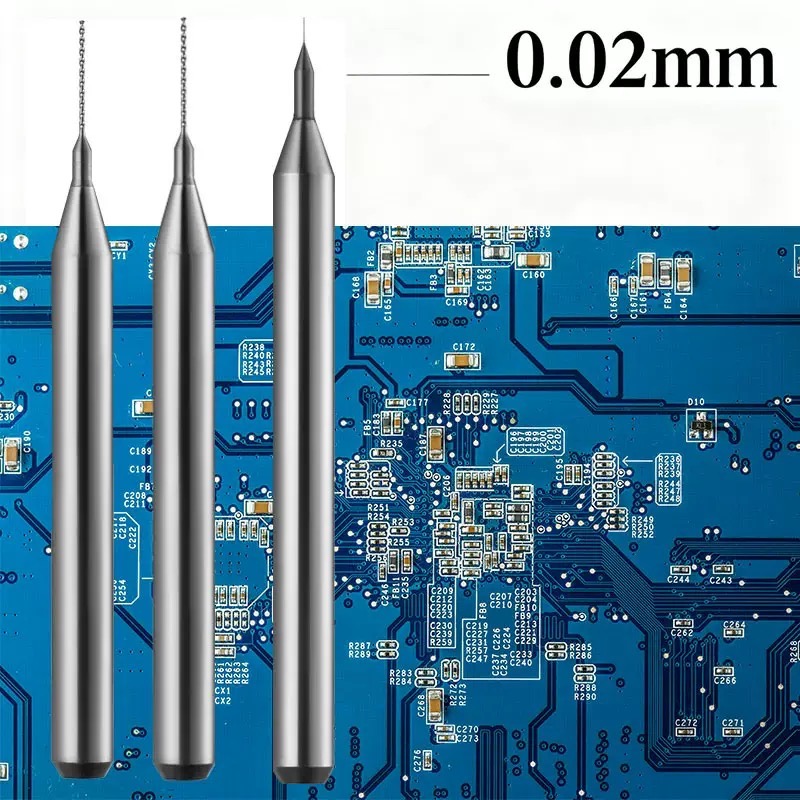
優れた切りくず除去能力と穴粗さ、長い耐用年数を備えたPCBドリルビット。一般的な多層基板、HDI基板、FR-4基板、CEM-1基板、および環境配慮型基板の穴あけに適しています。 直径範囲:0.1~3.175 mm。最新のPCB基板では、ダイヤモンドコーティングドリルビットを使用することで、1ビットあたり3,000個以上の穴あけが可能です。
続きを読む
Diamond-coated PCB tool

PCB用ダイヤモンドコーティングフライス

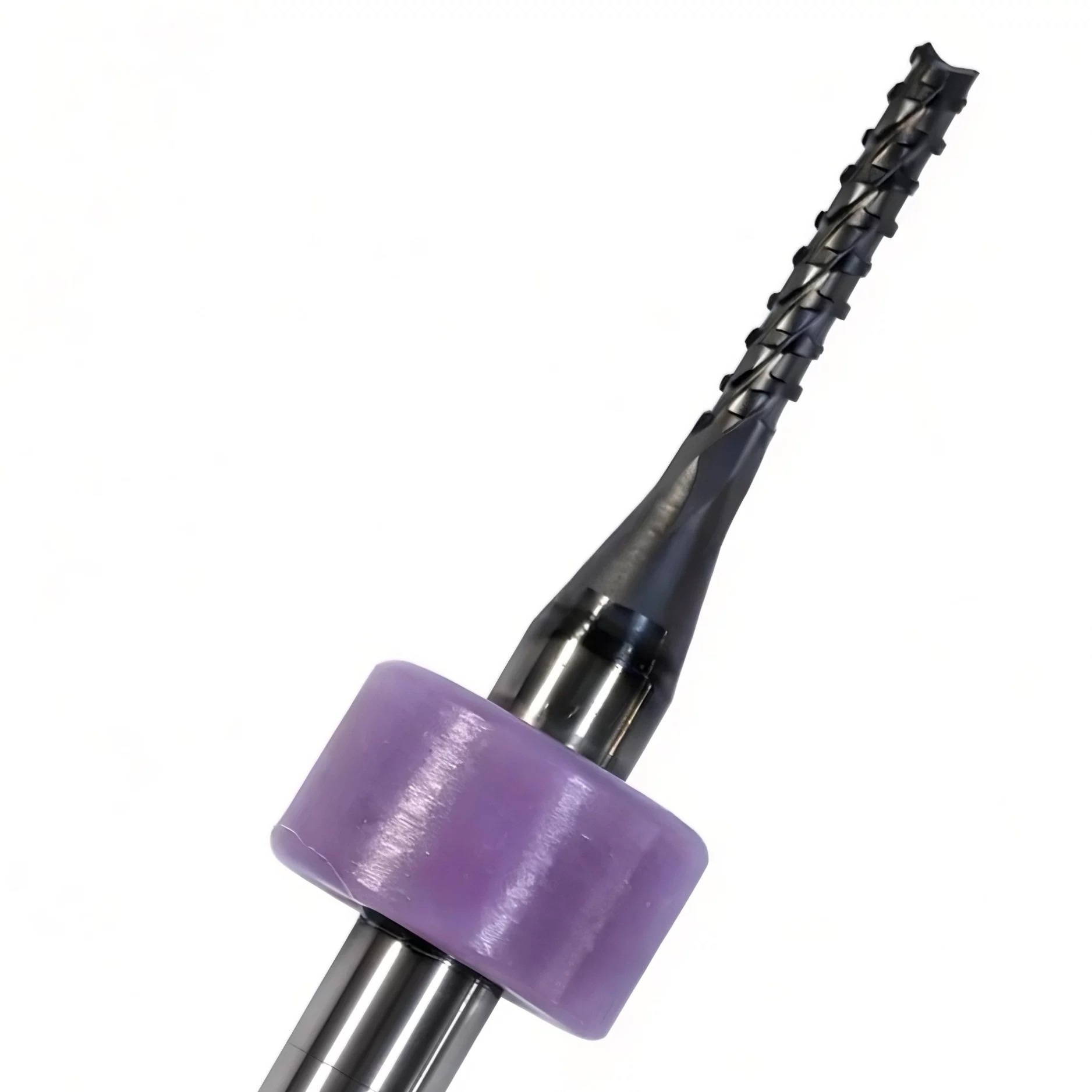
PCB用ダイヤモンドコーティングフライス(PCBルーティングカッター、プリント基板フライス、彫刻カッターとも呼ばれる)は、主にPCBの輪郭切削、溝加工、深さ制御フライス加工、V溝加工、半穴加工、金フィンガー面取りなどに使用され、PCB製造後の工程で最も一般的に使用される超硬工具です。
続きを読む
Dental-burs-1

CVDダイヤモンド歯科用バー

ミクロンレベルの精密切削により、究極の耐摩耗性と優しい臨床体験のバランスを実現したこの歯科用バーシリーズは、高純度一体型ステンレス鋼/超硬合金基板に、高度なCVDナノダイヤモンド(または高密度天然ダイヤモンド粒子電気めっき)をコーティングしています。歯の形成、窩洞へのアクセス、虫歯の除去、審美修復(ベニア形成)、クラウン/ブリッジの切削など、高強度の臨床処置向けに設計されています。超硬質で均一に分布したダイヤモンドコーティングは、歯髄を保護するために摩擦熱を最小限に抑えながら、積極的な切削効率を実現し、現代のデジタル歯科医療における最高級の選択肢となっています。
続きを読む
Flat-bottom-cylindrical-end-mill-1

ダイヤモンドコーティング平底円筒形エンドミル

標準的な2枚刃/4枚刃設計で、鋭利な刃先と広い切りくず排出スペースを備え、黒鉛電極の効率的な粗加工および半仕上げ加工に適しています。
続きを読む
Get Standed
あなたの工具は「難削材加工」の時代に対応できていますか?

伝言を残す

グラファイト、セラミック、カーボンファイバーは未来の素材だが、同時に「工具を駆逐する」存在でもある。もしあなたがまだ従来型のコーティングを使っているなら、負け戦を強いられていることになるだろう。
当社のCVD(化学気相成長法)ダイヤモンドコーティングは、炭化物基板上に本物の結晶ダイヤモンド層を形成します。これは単なる「表面処理」ではなく、保護膜としての役割を果たします。

トップディストリビューターが当社のCVDシリーズを選ぶ理由:
1.超低摩擦:切削屑の溶着や熱の蓄積を防ぎます。
2. 極めて高い耐摩耗性:切れ味の鋭さを20倍長く維持します。
3.表面仕上げ:加工対象物は鏡面仕上げとなり、二次研磨は不要です。


    あなたの名前*

    メール

    電話

    WhatsApp*

    メッセージ

    製品
    連絡先
    WhatsApp
    メール