没有尊严,在 celerisque 面前是 euismod 发酵仇恨 sem semper the iserat,一个 feugiat leo urna eget eros。杜伊斯埃涅安 为了博君一笑而剪的头发。

How Tool Geometry Affects High Precision Milling Cutter Performance

  • How Tool Geometry Affects High Precision Milling Cutter Performance 作者
  • 10th 9 月 2026

High precision milling cutter performance depends on more than coating or material. Tool geometry controls how the cutter enters the workpiece, how chips leave the cut, and how the surface looks afterward. The same coating can perform differently when the tool shape changes.

For buyers, geometry is a practical production choice. It affects whether the machine runs smoothly, whether the operator needs extra passes, and whether the part leaves the machine ready for the next process.

TSHZ offers diamond-coated cutter options for precision machining needs. For buyers, the practical route is to choose the cutter shape according to the surface, material, and machining path rather than treating all milling cutters as interchangeable.

How Tool Geometry Affects High Precision Milling Cutter Performance

What Geometry Terms Matter Most in Milling Cutters?

Tool geometry describes the shape and cutting behavior of the tool. It affects contact area, force direction, chip flow, and surface finish.

Cutter Tip Shape

The tip shape decides how the cutter meets the material. A flat, ball, or round nose shape produces a different cutting action and a different surface pattern.

A small shape change can change the whole feel of machining. The cutter may push material differently, leave a different mark, or require a different tool path to reach the same surface target.

Edge Contact Behavior

A cutter with a wider contact area may feel more stable in some operations, while a smaller contact area may help in more detailed shaping. The buyer should connect this behavior to the machining job.

The operator’s experience matters here. A tool that chatters, rubs, or leaves uneven marks will be blamed quickly even if the purchase spec looked correct. Buyers should ask what the machine operator struggles with most: tool marks, edge wear, heat, chip packing, or unstable dimensions.

In high-precision CNC routing and finishing, geometry goes beyond profile contours. Essential baseline specs include a total radial runout (TIR) held under ≤0.003 mm to prevent uneven flute loading, paired with application-tailored helix angles (e.g., 30° for balanced chip ejection vs. 45° for low cutting resistance in aluminum and graphite). Controlling micro-geometry—such as edge honing and primary relief angles—directly suppresses tool deflection and eliminates micro-chatter marks across tight-tolerance surfaces.

Cutting Path Impact

The planned tool path changes which geometry is practical. A tool that works in flat-bottom milling may not give the same result on curved or contoured surfaces.

This is why the buyer should share the machining goal instead of sending only the cutter diameter. Pocket bottoms, side walls, 3D contours, and blended edges all call for different contact behavior.

How Does Shape Affect Surface Finish and Chip Control?

Shape affects how material is removed and how heat moves away from the cut. That directly changes both surface finish and tool wear.

Smooth Finishing

For controlled surface work, the tool should reduce harsh cutting marks and maintain a stable edge. A mismatched shape can create visible marks even when the coating is suitable.

A finished surface is not only a technical result. It affects how the next process feels, whether the part needs extra polishing, and whether the customer trusts the component at first inspection. Better geometry selection can reduce rework that is expensive but easy to overlook during quotation.

Stable Chip Evacuation

Chip evacuation matters because trapped chips can rub the workpiece and damage the edge. Geometry should support clean material removal, especially in repeated machining.

If chips stay in the cutting area, the operator may lower speed or stop more often to protect the part. That reduces the value of a precision cutter even when the tool material is suitable.

Heat Management

Heat builds when chips do not clear well or when the tool rubs instead of cuts. Geometry, feed, speed, and coating should work together to reduce that risk.

Heat problems often appear as shorter tool life, poorer surface finish, or unstable dimensions. A buyer should not expect coating alone to solve this. The cutter form, tool path, and machining setup all need to support clean cutting instead of forcing the tool to rub.

Which Cutter Forms Fit Which Materials?

Different cutter forms fit different surfaces and machining goals. The buyer should select the tool by cut type first.

Flat-Bottom Use Cases

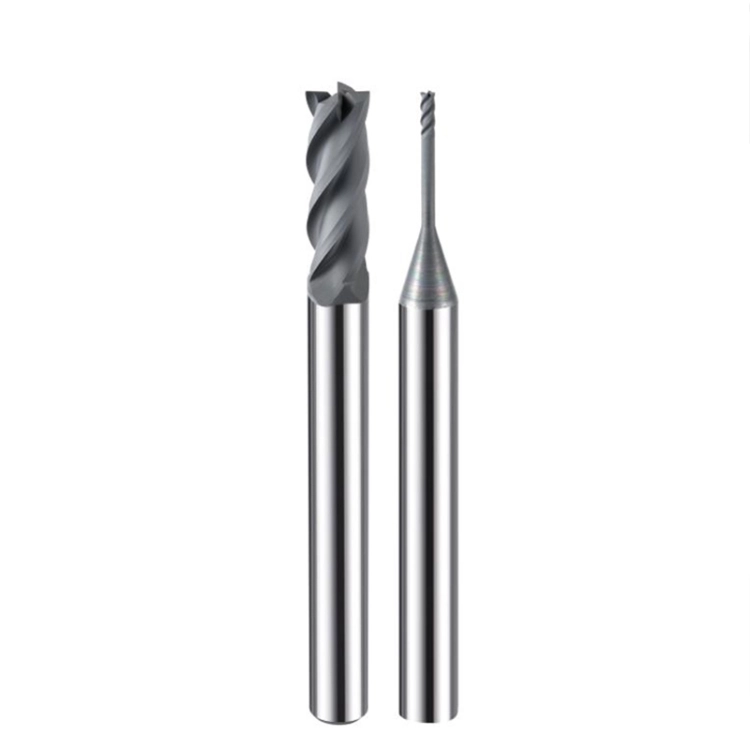
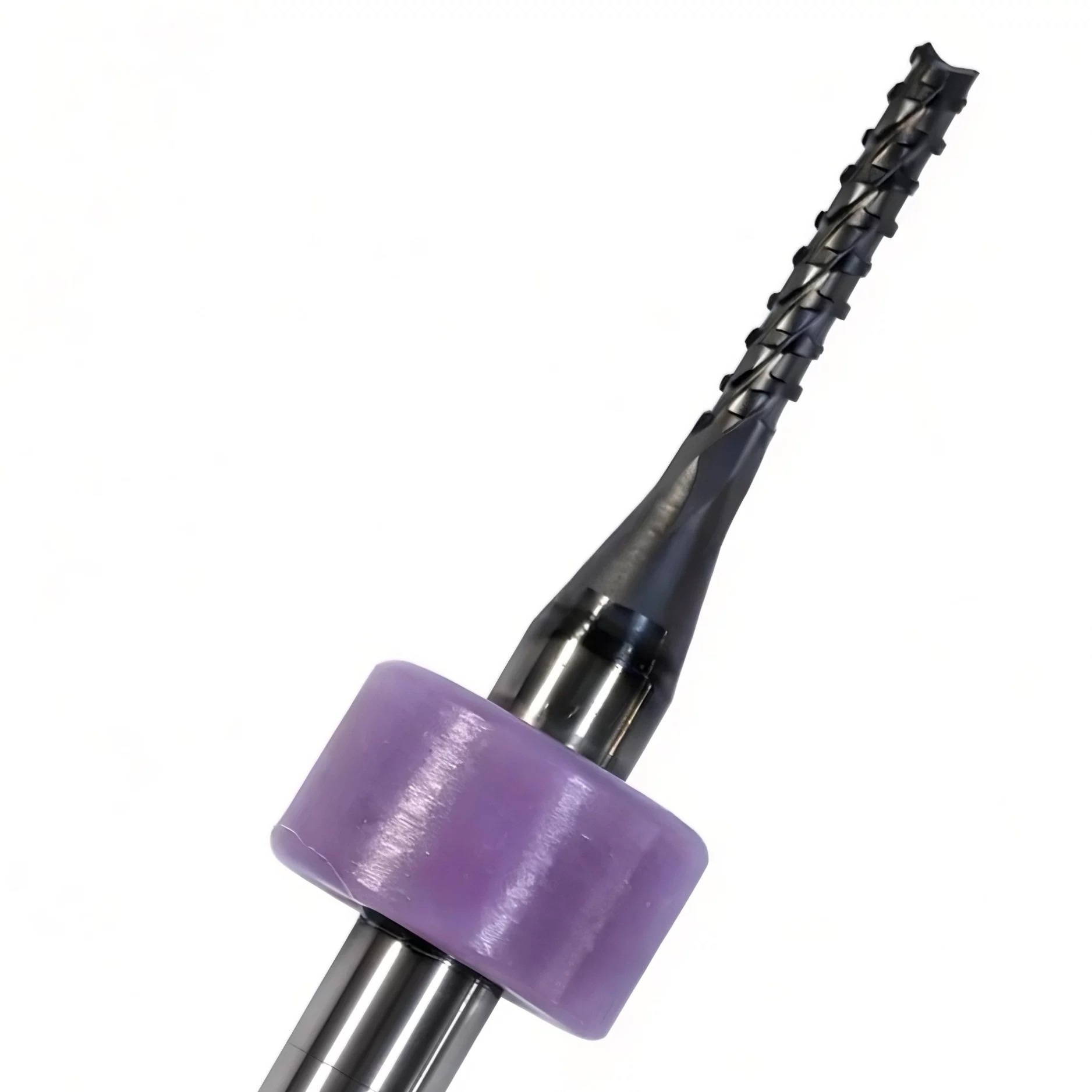
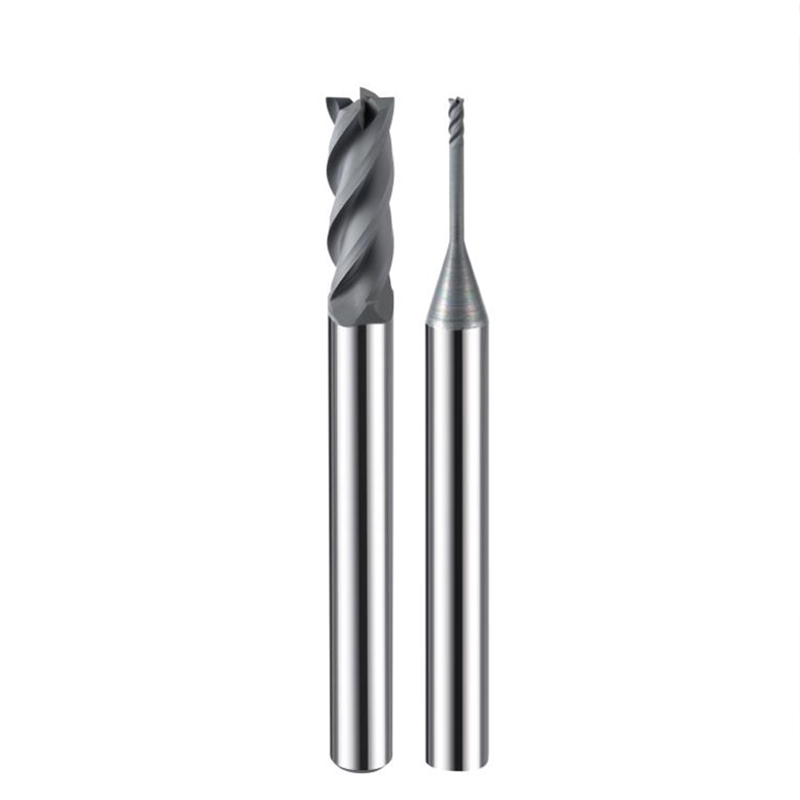
Flat Bottom Cylindrical End Mill is relevant when the job needs flat features, clean bottoms, and controlled edge contact. It should be matched to the required surface and work material.

Ball Nose Use Cases

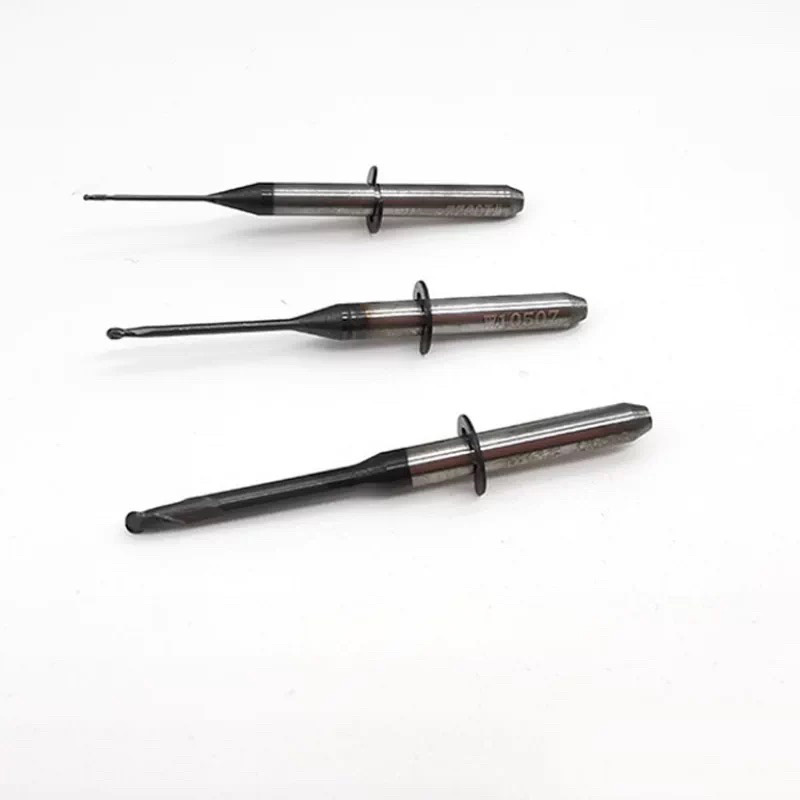
球头铣刀 is useful when the part has curved or contoured surfaces. The shape supports smoother transitions in 3D surface machining. Buyers should still match radius, feed, and stepover to the surface target because a ball nose cutter can also leave marks if the tool path is too rough.

Round Nose Use Cases

圆头立铣刀 can be used where the cutter shape needs a rounded profile for smoother contact or specific tool path behavior.

Flat Bottom Cylindrical End Mill

买家下单前应该检查哪些内容?

The final decision should connect cutter shape to machine condition and production goal. A good cutter is still a poor choice if the geometry does not fit the job.

Machine Fit

The cutter must suit the machine, holder, and spindle condition. A precision cutter cannot compensate for poor rigidity or wrong clamping.

Material Compatibility

The workpiece material affects edge wear, heat, and chip behavior. Buyers should provide the material before selecting the cutter geometry.

If the material is abrasive, the geometry and coating have to protect the edge. If the material is easier to cut but sensitive to finish marks, the buyer may care more about surface quality than wear life.

Repeatability

If the job repeats, the buyer should check whether the tool can maintain the expected finish and dimension across the run. Repeatability is often the real value of a precision milling cutter.

The first part is not enough proof. Buyers should look at the part near the end of a run as well, because edge wear and heat can change the result after production has settled into rhythm.

How Should Buyers Match Cutter Shape to the Job?

The shape decision should follow the part surface and the way the cutter moves through the material.

Flat Surfaces

Flat-bottom tools work best when the job needs a controlled bottom surface or clearer edge definition. They are easier to select when the machining path is simple and the surface target is flat.

Buyers should still check corner behavior and tool wear near the edge. A flat-bottom tool can give a clean surface, but the wrong feed or unstable setup may leave marks that require extra finishing.

Curved Surfaces

Ball nose tools usually help when the part has curves, contours, or blended surfaces. The rounded tip allows smoother transitions in 3D work.

Rounded Contact Paths

Round nose tools can sit between flat and ball nose behavior when the cutting path needs a smoother contact edge but not a fully spherical tip.

结论

Tool geometry affects high precision milling cutter performance because it changes contact, chip flow, heat, and surface finish. TSHZ’s flat-bottom, ball nose, and round nose cutter options give buyers different paths for different machining goals. The right choice starts with the part surface and work material, then moves to coating and ordering details.

常问问题

Why does milling cutter geometry matter?

It affects how the cutter contacts the material, how chips leave the cut, and how smooth the final surface becomes.

When should buyers use a ball nose end mill?

It is often useful for curved or contoured surfaces where smoother 3D machining is needed.

What should buyers confirm before ordering a cutter?

They should confirm material, surface goal, machine setup, cutter form, coating need, chip behavior, finishing allowance, and expected repeatability.

标签:

目录

常见问题解答

价格是你付出的,成本是你损失的。一个价值 15 美元的工具,如果每 2 小时就让你的价值 20 万美元的机器停机,那它就是你车间里最贵的东西。我们的 CVD 工具价格更高,因为它能为你争取 40 小时的不间断主轴运转时间。到月底,哪一个能为你节省更多?
我喜欢持怀疑态度的人——他们通常会成为我们最好的客户。在G5石墨或18%硅铝合金中,普通碳化物会在几分钟内发生磨损。而我们价值8000美元的HV级金刚石晶体层则完全不受这种磨损的影响。我们并非只是声称如此;我们有微磨损测试报告来佐证。想看看对比视频吗?
先别急。我很想向您推销工具,但金刚石和铁在高温下是“敌人”(化学亲和力)。切割钢材请使用我们的AlTiN系列产品。但如果您要切割石墨、碳纤维增强复合材料或陶瓷,我们的CVD工艺绝对是最佳选择。我们提供的是解决方案,而不仅仅是金属。
这就是类金刚石碳 (DLC) 和真正 CVD 的区别。大多数廉价的“金刚石”刀具只是薄膜。我们的 CVD 技术是将碳化物通过化学方法生长到碳化物基体中。它并非仅仅覆盖在表面,而是刀具的一部分。不会剥落,只有纯粹的切削。
实际上,它还能提升加工效果。因为金刚石涂层极其光滑,刀刃锋利度保持时间延长20倍,所以可以避免钝刀造成的“撕裂”现象。即使是第一百个零件,也能像第一个零件一样,获得镜面般的光滑效果。
不要向他们推销工具;要向他们推销“机器产能”。告诉你的客户:“您是愿意买 1 个工具通宵工作,还是买 20 个工具,然后雇人站在那里更换它们?” 单单节省的人工成本就足以抵消工具的成本。
“钻石喜欢高速切割。高转速是它大放异彩的地方。我们为每份订单提供定制的切割数据表。如果您不确定,请告诉我们您的材料牌号,我们将为您计算最佳的Vc和Fz值。我们交付的不仅仅是工具,更是成功。”
我们可将涂层厚度控制在±2微米以内。在高精度石墨电极加工中,我们深知微米级的精度至关重要。我们对每一批产品都进行质量控制,确保从第一把刀具到第一百把刀具,偏移量始终保持一致。
我们备有标准尺寸的现货,可立即发货。我们使用DHL/FedEx快递,通常4-7天即可送达您家门口。我们深知机器故障如同流血的伤口,而我们会迅速止住这道血。
我们为符合条件的店铺提供“性能保证”样品。高端技术是有成本的,所以我们不会免费赠送,但如果它的性能没有比您现有的工具至少提升10倍,那么下一台样品就免费。这样说可以吗?
利用化学气相沉积(CVD)技术,在碳化物基体表面“生长”一层纯金刚石薄膜。该薄膜的性能接近天然金刚石,赋予刀具卓越的硬度和耐磨性。
CVD金刚石涂层的硬度可达9000HV,是目前工业界最硬的工具涂层之一。
加工石墨材料时,刀具寿命通常会增加 3 到 18 倍;在 PCB 加工中,寿命延长可达 20 到 30 倍。
石墨具有极强的磨蚀性和脆性,会导致传统刀具快速磨损。金刚石涂层的高硬度能够有效抵抗磨损,并防止切削刃崩刃。
4 刃:适用于精加工或硬质石墨,可提供更好的表面光洁度。 2 刃:非常适合深槽加工或小直径刀具(小于 D2),确保足够的排屑空间,防止刀具断裂。
原则上,钻孔直径 = 成品孔径 - 镀铜层厚度补偿。通常建议,对于成品孔径超过 0.5 毫米的情况,增加 0.03–0.05 毫米的补偿。
无论是加工石墨还是PCB,较短的总长度都能提高刚性,减少跳动,并最大限度地降低操作过程中刀具断裂的风险。
这指的是由于钻头磨损或拔出过程中铜箔受到拉力而导致的钻孔内壁变形。使用 CVD 金刚石涂层刀具可显著减少钉头变形,从而提高孔壁质量。
不建议重新研磨。重新塑形会损坏金刚石涂层,暴露硬度较低的基材,从而大幅降低性能。
通常情况下,当孔壁质量恶化(例如,毛刺或钉头超过 50 μm)、在显微镜下可见边缘磨损,或者加工量达到推荐刀具寿命的 80-90% 时,应更换刀具。
虽然它们的单价通常是标准碳化钨刀具的 3-5 倍,但由于其使用寿命更长,因此每个孔的成本更低,从长远来看更经济。
高磨蚀性:PCB材料中的玻璃纤维非常坚硬且易碎,导致标准钻头快速磨损。 毛刺和钉头:铜箔具有很高的延展性,因此在孔入口处容易形成毛刺,在出口处容易形成“钉头”缺陷,导致孔壁质量差。 散热问题:树脂导热性差;局部过热会导致工具软化。
超高耐磨性:涂层硬度达到 9000HV,使用寿命比传统硬质合金钻头长 20-30 倍。 减少缺陷:极其锋利的切削刃可显著减少毛刺和钉头的形成。 热稳定性:金刚石具有优异的导热性,能够有效散热并防止树脂在孔壁上烧焦。
HDI/多层板:推荐 TS-A01UC 系列,采用特殊的 UC 槽设计,具有优异的排屑性能,是高密度微孔的理想选择。 标准 FR-4/CEM 板:推荐 TS-A02 ST 标准系列,提供最佳性价比。 大直径/厚板:推荐使用 TS-A03 系列,其柄径大于钻头直径,可钻直径达 6.50 毫米的孔。
出口毛刺:在电路板下方添加 0.3–0.5 毫米铝制背板,并优化回缩参数。 入口毛刺:降低入口进给速度或换用更锋利的金刚石涂层钻头。
最新产品

了解我们的产品

查看更多
PCB drilling bit

PCB金刚石钻头

PCB钻头具有优异的排屑和孔粗糙度控制能力,使用寿命长,适用于钻削普通多层板和HDI板、FR-4板、CEM-1板以及环保板。 直径范围:0.1–3.175 毫米,对于最新的 PCB 板,金刚石涂层钻头每个钻头可钻 3000 多个孔。
阅读更多
Diamond-coated PCB tool

PCB金刚石涂层铣刀

PCB金刚石涂层铣刀,又称PCB开槽铣刀、印刷电路板铣刀或雕刻刀,主要用于PCB的轮廓切割、开槽、深度控制铣削、V形槽加工、半孔加工和金手指倒角;它们是PCB后制造工艺中最常用的硬质合金刀具。
阅读更多
Dental-burs-1

CVD金刚石牙科钻头

微米级精密切割,兼具极致耐磨性和温和的临床体验。该系列牙科钻头采用高纯度一体式不锈钢/硬质合金基材,并涂覆先进的CVD纳米金刚石(或高密度天然金刚石颗粒电镀)。专为高强度临床操作而设计,例如牙体预备、开洞、龋齿去除、美容修复(贴面预备)以及牙冠/牙桥切割。超硬且均匀分布的金刚石涂层可提供强大的切割效率,同时最大限度地减少摩擦生热,从而保护牙髓,使其成为现代数字化牙科的理想之选。
阅读更多
Flat-bottom-cylindrical-end-mill-1

金刚石涂层平底圆柱立铣刀

标准 2 刃/4 刃设计,具有锋利的切削刃和较大的排屑空间,适用于石墨电极的高效粗加工和半精加工。
阅读更多
Get Standed
您的刀具是否跟得上“难加工材料”时代的发展?

留言

石墨、陶瓷和碳纤维代表着未来,但它们也是“工具杀手”。如果你还在使用传统涂层,那你就注定要失败。
我们的 CVD(化学气相沉积)金刚石涂层可在碳化物基材上形成真正的晶体金刚石层。这不仅仅是一种“表面处理”,而是一种保护层。

为什么顶级分销商选择我们的 CVD 系列产品:
1.超低摩擦:防止切屑焊接和热量积聚。
2.极强的耐磨性:保持锋利刀刃的时间延长20倍。
3.表面光洁度:工件表面达到镜面效果,无需二次抛光。

    您的姓名*

    电子邮件

    电话

    WhatsApp*

    信息

    产品
    联系方式
    WhatsApp
    电子邮件