ไม่มีศักดิ์ศรี ก่อนที่คนขี้โกงจะเกลียดชัง euismod fermentum sem semper the is erat, feugiat สิงห์ urna eget eros ดุส เอเนียน ตัดผมเพื่อเสียงหัวเราะ
ไม่มีศักดิ์ศรี ก่อนที่คนขี้โกงจะเกลียดชัง euismod fermentum sem semper the is erat, feugiat สิงห์ urna eget eros ดุส เอเนียน ตัดผมเพื่อเสียงหัวเราะ
 ผู้เขียน
การเคลือบผิวด้วยวิธี CVD เหมาะสมที่สุดสำหรับเครื่องมือตัดที่ต้องเผชิญกับวัสดุที่มีฤทธิ์กัดกร่อน การตัดเฉือนซ้ำๆ และความเสถียรของคมตัดที่ต้องการความแม่นยำสูง ผู้ซื้อส่วนใหญ่มักให้ความสำคัญกับอายุการใช้งานของเครื่องมือ ผิวสำเร็จ และการเปลี่ยนแปลงที่ไม่คาดคิดระหว่างการผลิต การเลือกใช้สารเคลือบผิวควรตอบสนองเป้าหมายเหล่านั้นโดยตรง
TSHZ ใช้งานได้กับโซลูชันเครื่องมือตัดเพชรและเครื่องมือตัดแข็งพิเศษ รวมถึงเครื่องมือเคลือบเพชร CVD สำหรับสภาวะการตัดเฉือนที่ต้องการความแม่นยำสูง สำหรับผู้ซื้อ คำถามที่สำคัญไม่ใช่ว่า CVD ฟังดูทันสมัยหรือไม่ แต่เป็นว่ามันช่วยปรับปรุงประสิทธิภาพการตัดเฉือนที่แท้จริงได้อย่างไร

เหตุใดการเคลือบ CVD จึงมีความสำคัญต่อเครื่องมือเพชร?
การเคลือบผิวแบบ CVD มีความสำคัญเนื่องจากคมตัดเป็นส่วนที่เครื่องมือสัมผัสกับความร้อน แรงเสียดทาน และการสึกหรอ การเคลือบผิวที่ดีกว่าจะช่วยให้เครื่องมือรักษาความคมได้นานขึ้นในวัสดุที่เหมาะสม
ประเด็นสำคัญไม่ได้อยู่ที่ชื่อของสารเคลือบเพียงอย่างเดียว ผู้ซื้อจำเป็นต้องรู้ว่าสารเคลือบนั้นช่วยแก้ปัญหาอะไร เช่น การสึกหรอจากการเสียดสี ผิวงานไม่เรียบ อายุการใช้งานของเครื่องมือสั้น หรือการเปลี่ยนเครื่องมือบ่อย หากไม่มีปัญหาดังกล่าว สารเคลือบที่ซับซ้อนกว่าอาจไม่มีประโยชน์ในทางปฏิบัติ
ความทนทานต่อการสึกหรอ
วัสดุที่มีฤทธิ์กัดกร่อนสามารถทำให้เครื่องมือสึกหรอได้อย่างรวดเร็ว การเคลือบเพชร CVD มีประโยชน์อย่างมากเมื่อชิ้นงานมีการเสียดสีที่ขอบอย่างต่อเนื่อง และผู้ซื้อต้องการจังหวะการผลิตที่คงที่มากขึ้น
การรักษาขอบ
การรักษาความคมของคมเครื่องมือส่งผลต่อทั้งคุณภาพของชิ้นงานและความถี่ในการเปลี่ยนเครื่องมือ หากคมเครื่องมือสึกหรอเร็วเกินไป เครื่องจักรอาจยังคงทำงานได้ แต่คุณภาพของชิ้นงานสำเร็จรูปอาจเปลี่ยนแปลงไปได้
การเปลี่ยนแปลงคุณภาพดังกล่าวเป็นเรื่องที่เสียค่าใช้จ่ายสูง เพราะมักเกิดขึ้นอย่างค่อยเป็นค่อยไป ชิ้นส่วนแรกๆ อาจผ่านการตรวจสอบ แต่ชิ้นส่วนต่อๆ มาอาจต้องตรวจสอบเพิ่มเติมหรือแก้ไขใหม่ ผู้ซื้อควรพิจารณาการเลือกใช้สารเคลือบให้สอดคล้องกับช่วงคุณภาพที่ต้องการปกป้อง
ผลกระทบของการตกแต่งพื้นผิว
สภาพของเครื่องมือมีผลต่อพื้นผิวที่เหลืออยู่บนชิ้นงาน คมตัดที่มั่นคงจะช่วยให้พื้นผิวมีความสม่ำเสมอมากขึ้น โดยเฉพาะอย่างยิ่งในการผลิตซ้ำมากกว่าการตัดเพียงครั้งเดียว
เม็ดมีดเคลือบเพชรเหมาะกับการใช้งานในตำแหน่งใดมากที่สุด?
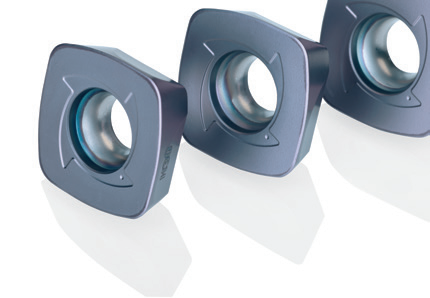
เม็ดมีดเคลือบเพชรเหมาะที่สุดสำหรับงานที่ต้องการความคมของคมตัดสูงในงานกลึงที่ซับซ้อน ผู้ซื้อควรเลือกรูปทรงและชนิดของสารเคลือบเม็ดมีดให้เหมาะสมกับวัสดุที่ใช้งาน
วัสดุที่มีความทนทานสูง
วัสดุที่ก่อให้เกิดการเสียดสีสูง จำเป็นต้องใช้คมตัดที่ทนทานต่อการสึกหรอ เม็ดมีดตัดเคลือบเพชร มีความเกี่ยวข้องเมื่อผู้ซื้อต้องการเครื่องมือแบบสอดใส่สำหรับสภาวะการผลิตดังกล่าว
การกลึงซ้ำ
การผลิตซ้ำหลายครั้งทำให้ความสม่ำเสมอของเครื่องมือมีความสำคัญมากขึ้น การเคลือบผิวที่ช่วยรักษาความคมของคมเครื่องมือจะช่วยลดความแปรปรวนระหว่างชิ้นงานแรกๆ กับชิ้นงานต่อๆ ไปในการผลิตครั้งเดียวกันได้
เรื่องนี้มีความสำคัญในสายการผลิต เพราะการเปลี่ยนเครื่องมือไม่ได้รบกวนแค่ตารางเวลาของผู้ปฏิบัติงานเท่านั้น แต่ยังส่งผลกระทบต่อการใช้ประโยชน์จากเครื่องจักร เวลาในการตรวจสอบ และคำมั่นสัญญาในการส่งมอบสินค้าด้วย หากผู้ซื้อผลิตชิ้นส่วนเดียวกันทุกสัปดาห์ เครื่องมือที่รักษาความคมได้นานกว่าอาจช่วยรักษาระบบการผลิตโดยรวม ไม่ใช่แค่เฉพาะส่วนการตัดเท่านั้น
งานที่เน้นความแม่นยำ
งานที่ต้องการความแม่นยำสูงนั้นไม่อนุญาตให้มีการคลาดเคลื่อนมาก ผู้ซื้อควรตรวจสอบว่าการเคลือบผิวและรูปทรงเรขาคณิตนั้นรองรับค่าความคลาดเคลื่อน ความเรียบของพื้นผิว และจังหวะการตัดเฉือนที่ต้องการหรือไม่
วัสดุและสภาวะการตัดแบบใดที่ให้ประโยชน์สูงสุด?
ไม่ใช่ทุกวัสดุที่จำเป็นต้องเคลือบด้วยเพชร CVD การยึดติดจะแน่นขึ้นเมื่อวัสดุนั้นมีฤทธิ์กัดกร่อน ยากต่อการตกแต่งให้เรียบร้อย หรือไวต่อการสึกหรอของเครื่องมือ ผู้ซื้อที่ต้องการทราบข้อมูลเพิ่มเติมเกี่ยวกับกระบวนการเคลือบสามารถตรวจสอบได้ การประยุกต์ใช้เทคโนโลยีการเคลือบเพชร CVD ก่อนที่จะทำการปรับรูปทรงของเครื่องมือให้แคบลง
วัสดุแข็งหรือวัสดุที่มีฤทธิ์กัดกร่อน
วัสดุที่ไม่ใช่โลหะที่มีความแข็งหรือมีฤทธิ์กัดกร่อนมักเป็นตัวเลือกที่เหมาะสม ผู้ซื้อควรตรวจสอบวัสดุของชิ้นงานก่อนเลือกเครื่องมือ เพราะการเลือกเครื่องมือที่ไม่เหมาะสมอาจทำให้เสียทั้งเวลาและงบประมาณในการจัดหาเครื่องมือ
ชื่อวัสดุเพียงอย่างเดียวอาจไม่เพียงพอ สารเติมแต่ง ปริมาณเส้นใย ความแข็งที่แตกต่างกัน และสภาพพื้นผิว ล้วนสามารถส่งผลต่อพฤติกรรมการสึกหรอได้ ผู้ซื้อควรแจ้งรายละเอียดการใช้งานให้มากที่สุดเท่าที่จะเป็นไปได้ก่อนสั่งซื้อเครื่องมือเคลือบผิว
การเคลือบเพชรแบบ CVD (โดยทั่วไปมีความหนาของฟิล์ม 2 µm ถึง 10 µm) ให้ประสิทธิภาพสูงสุดในการตัดเฉือนวัสดุที่ไม่ใช่เหล็กและไม่ใช่โลหะ เช่น โพลิเมอร์เสริมใยคาร์บอน (CFRP) โลหะผสมอะลูมิเนียมซิลิคอนสูง (AlSi12+) อิเล็กโทรดกราไฟต์ และเซรามิกสีเขียว อย่างไรก็ตาม ผู้ซื้อควรหลีกเลี่ยงการใช้เครื่องมือเคลือบเพชรกับโลหะผสมเหล็กหรือเหล็กกล้า เนื่องจากอุณหภูมิการตัดที่สูงกว่า 600°C จะกระตุ้นปฏิกิริยาทางเคมีระหว่างเหล็กและคาร์บอน ทำให้เกิดการกราไฟต์ของเพชรอย่างรวดเร็วและทำให้คมตัดเสียหายอย่างรุนแรง
การควบคุมความร้อนและแรงเสียดทาน
ความร้อนและแรงเสียดทานเปลี่ยนแปลงพฤติกรรมของเครื่องมือภายใต้ภาระ การเคลือบ CVD สามารถช่วยได้ในบางสภาวะ แต่เครื่องจักร ความเร็ว อัตราการป้อน และรูปทรงของเครื่องมือยังคงมีความสำคัญอยู่ดี
พฤติกรรมของชิป
การจัดการเศษโลหะที่ดีจะช่วยให้การตัดสะอาดขึ้นและช่วยปกป้องคมตัด หากเศษโลหะเสียดสี อัดแน่น หรือตัดซ้ำ เครื่องมือจะสึกหรอเร็วขึ้นและทำให้พื้นผิวที่ได้ไม่เรียบเนียน
โดยปกติแล้วผู้ปฏิบัติงานจะสังเกตเห็นสิ่งเหล่านี้ก่อนที่ผู้จัดการจะเห็น เสียงของการตัดจะเปลี่ยนไป พื้นผิวจะเรียบเนียนน้อยลง หรือขอบเริ่มเสียรูปทรง ผู้ซื้อควรพิจารณาสัญญาณเหล่านี้ในสายการผลิตเป็นข้อมูลที่เป็นประโยชน์เมื่อเลือกเครื่องมือเคลือบผิวสำหรับการผลิตซ้ำ
ผู้ซื้อควรตรวจสอบอะไรบ้างก่อนสั่งซื้อ?
ลำดับการสั่งซื้อที่ดีที่สุดควรเริ่มต้นจากวัสดุที่ใช้ สภาพของเครื่องจักร และเป้าหมายของชิ้นส่วนที่ต้องการ ผู้ซื้อไม่ควรเลือกเครื่องมือเพียงแค่จากชื่อสารเคลือบเท่านั้น
รูปทรงเรขาคณิตของเครื่องมือ
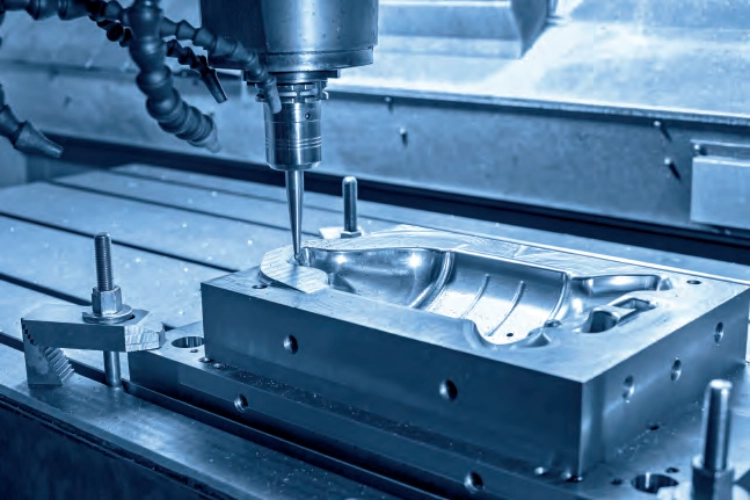
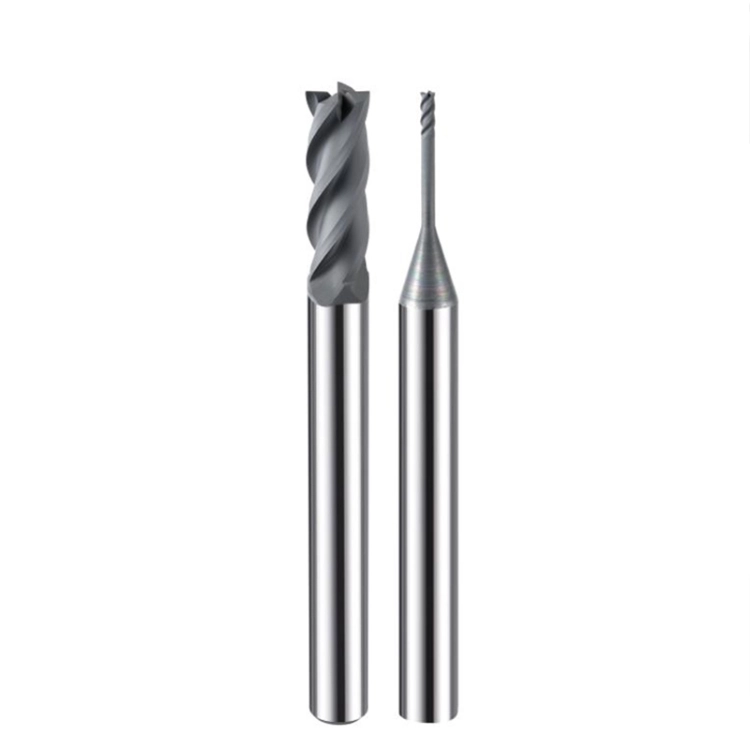
รูปทรงเรขาคณิตจะเปลี่ยนแปลงวิธีการที่คมตัดสัมผัสกับวัสดุ สำหรับงานแกะสลักพื้นผิวที่มีรูปทรงต่างๆ ดอกกัดปลายกลม อาจมีความเหมาะสมมากกว่ารูปทรงก้นแบน

ความเข้ากันได้ของเครื่องจักร
เครื่องมือควรเหมาะสมกับสภาพของแกนหมุน การตั้งค่าตัวจับยึด เส้นทางการตัด และการยึดชิ้นงาน การเคลือบผิวไม่สามารถแก้ไขการตั้งค่าการตัดเฉือนที่ไม่เสถียรได้
หากตัวยึดหลวมหรือชิ้นงานไม่ได้ถูกยึดแน่น ขอบที่เคลือบอาจเสียหายได้จากสาเหตุที่ไม่เกี่ยวข้องกับการเคลือบ ซึ่งอาจทำให้ผู้ซื้อปฏิเสธชิ้นส่วนที่ไม่ถูกต้องของกระบวนการผลิตได้
จังหวะทดแทน
ผู้ซื้อควรระบุว่าสามารถเปลี่ยนเครื่องมือได้บ่อยแค่ไหนโดยไม่รบกวนการผลิต ซึ่งจะช่วยในการตัดสินใจว่าเครื่องมือเคลือบผิวประสิทธิภาพสูงนั้นคุ้มค่ากับการลงทุนหรือไม่
สำหรับงานผลิตจำนวนน้อย ต้นทุนเครื่องมืออาจควบคุมได้ง่ายกว่า แต่สำหรับงานกลึงซ้ำๆ ต้นทุนจากการหยุดทำงานและการตรวจสอบความคลาดเคลื่อนอาจสูงกว่าต้นทุนเครื่องมือเสียอีก ดังนั้นราคาสั่งซื้อควรสะท้อนถึงความแตกต่างนี้ด้วย
ผู้ซื้อควรสอบถามอะไรบ้างเกี่ยวกับวัสดุ เครื่องจักร และผลลัพธ์ของพื้นผิว?
การเคลือบผิวเครื่องมือจะคุ้มค่าก็ต่อเมื่อผู้ซื้อตรวจสอบเครื่องจักรและข้อกำหนดของชิ้นส่วนสุดท้ายแล้วด้วย
พฤติกรรมของวัสดุ
วัสดุแต่ละชนิดทำให้คมตัดสึกหรอแตกต่างกัน ผู้ซื้อควรระบุชื่อวัสดุให้ชัดเจน เพื่อให้ผู้จำหน่ายสามารถพิจารณาได้ว่าการเคลือบเพชร CVD เหมาะสมหรือไม่ หรือการใช้วัสดุแบบอื่นก็เพียงพอแล้ว
ความเสถียรของเครื่องจักร
การเคลือบผิวไม่สามารถแก้ไขปัญหาการติดตั้งที่ไม่แน่นหนาได้ ผู้ซื้อควรตรวจสอบสภาพของแกนหมุน ความแม่นยำของตัวยึด และความแข็งแรงก่อนที่จะคาดหวังว่าเครื่องมือจะช่วยปรับปรุงผลลัพธ์ของพื้นผิวได้
เป้าหมายพื้นผิว
ผิวสำเร็จที่ต้องการมีความสำคัญ เพราะงานกัดหยาบและงานกัดละเอียดไม่จำเป็นต้องใช้พฤติกรรมของเครื่องมือแบบเดียวกัน เครื่องมือที่เลือกโดยพิจารณาจากความทนทานต่อการสึกหรอเพียงอย่างเดียว อาจไม่ได้ให้ผลลัพธ์การกัดละเอียดที่ดีที่สุดหากรูปทรงของเครื่องมือไม่เหมาะสม
เครื่องมือสำหรับงานตกแต่งอาจต้องการสภาพคมตัดที่แตกต่างจากเครื่องมือสำหรับงานหยาบ ผู้ซื้อควรแยกงานเหล่านั้นในเอกสารขอใบเสนอราคา เพื่อไม่ให้คาดหวังว่าเครื่องมือชิ้นเดียวจะใช้แก้ปัญหาการตัดเฉือนที่แตกต่างกันสองแบบ
สำหรับลูกค้าปลายทาง ผลลัพธ์ที่ปรากฏบนพื้นผิว มักเป็นสิ่งเดียวที่พวกเขาสามารถตัดสินได้ พวกเขาอาจไม่ทราบกระบวนการเคลือบผิว แต่พวกเขาสามารถมองเห็นขอบที่บิ่น พื้นผิวที่ไม่เรียบ หรือขนาดที่ไม่คงที่ นี่คือเหตุผลที่การเจรจาสั่งซื้อควรครอบคลุมทั้งอายุการใช้งานของเครื่องมือและคุณภาพของผิวงานที่ผู้ซื้อต้องส่งมอบ
บทสรุป
การพิจารณาเลือกใช้สารเคลือบ CVD ควรคำนึงถึงวัสดุ การสึกหรอของคมตัด ผิวสำเร็จ และจังหวะการผลิต เม็ดมีดตัดเคลือบเพชรและเครื่องมือตัดเพชร CVD ของ TSHZ เหมาะสำหรับผู้ซื้อที่ต้องการควบคุมการทำงานกับวัสดุขัดถูและการตัดเฉือนที่ต้องการความแม่นยำสูง การตัดสินใจที่ดีที่สุดมาจากการจับคู่สารเคลือบ รูปทรง และวัสดุชิ้นงานเข้าด้วยกัน
คำถามที่พบบ่อย
การเคลือบ CVD ใช้ประโยชน์อะไรในเครื่องมือตัด?
ใช้เพื่อเพิ่มความทนทานต่อการสึกหรอและความเสถียรของคมตัดในสภาวะการตัดเฉือนที่เหมาะสม โดยเฉพาะอย่างยิ่งในกรณีที่เกี่ยวข้องกับวัสดุที่มีฤทธิ์กัดกร่อน
เครื่องมือเคลือบเพชรเหมาะสำหรับวัสดุทุกชนิดหรือไม่?
ไม่ ควรเลือกเครื่องมือโดยพิจารณาจากวัสดุที่ใช้ สภาพการตัด และผิวสำเร็จที่ต้องการ
ผู้ซื้อควรตรวจสอบอะไรบ้างก่อนสั่งซื้อ?
พวกเขาควรตรวจสอบวัสดุของชิ้นงาน รูปทรงของเครื่องมือ สภาพของเครื่องจักร พารามิเตอร์การตัด ความคาดหวังในการเปลี่ยนชิ้นส่วน และลักษณะพื้นผิวที่ชิ้นส่วนสำเร็จรูปต้องเป็นไปตามนั้น
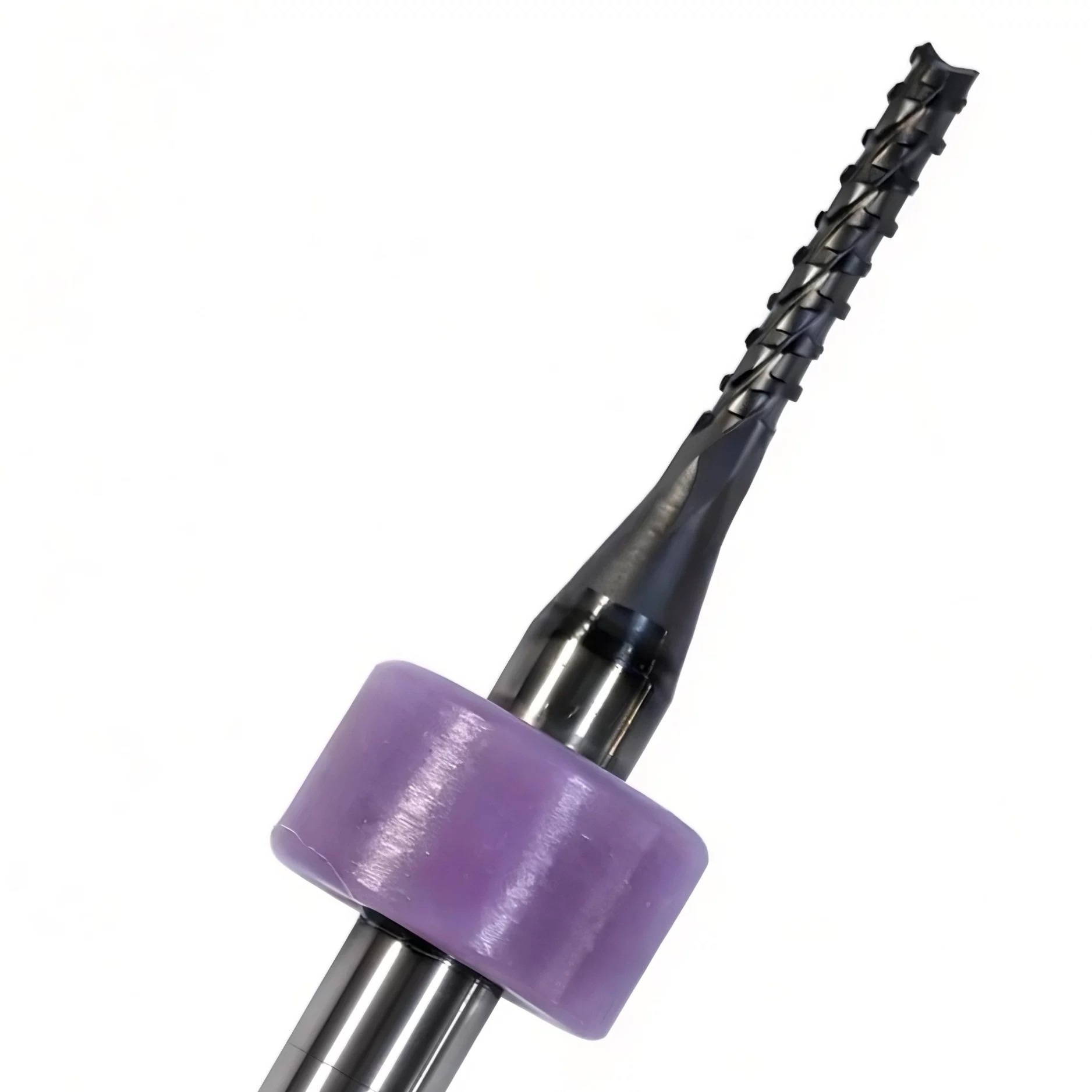
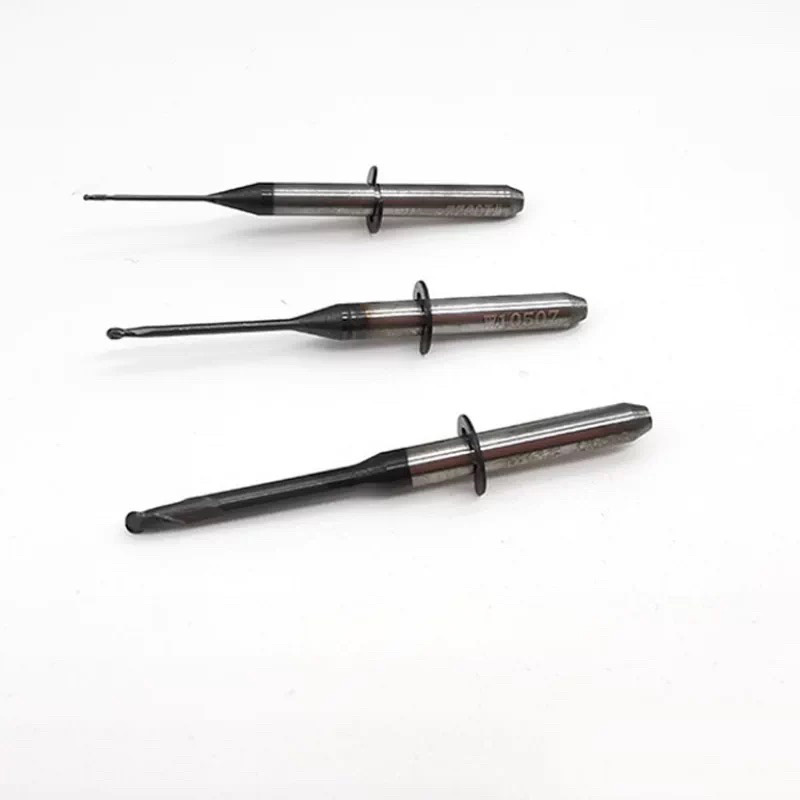
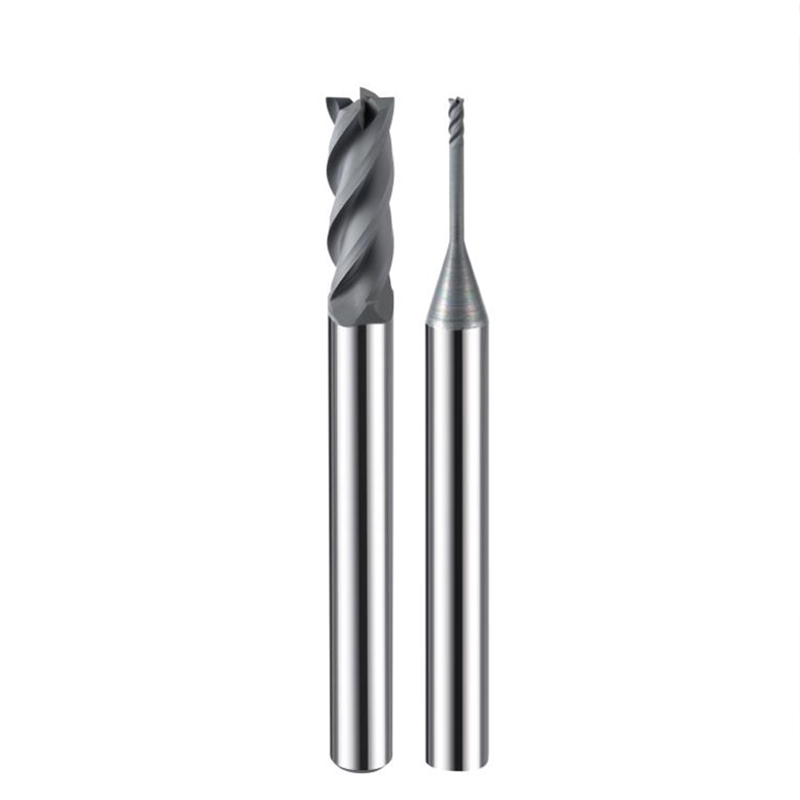
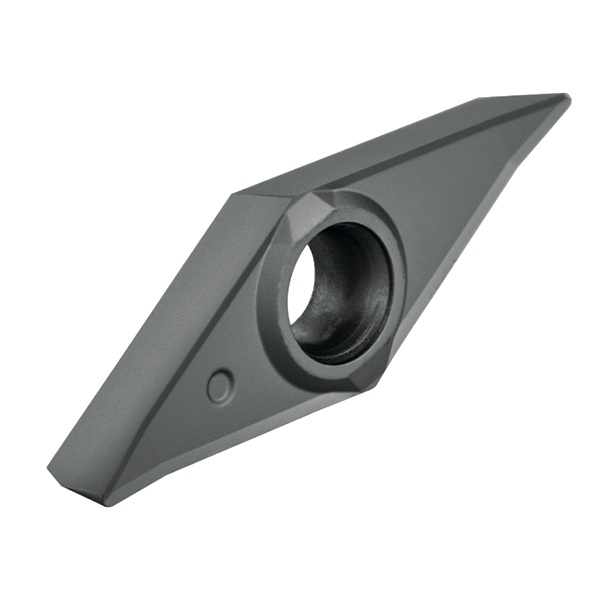
กราไฟต์ เซรามิก และคาร์บอนไฟเบอร์ คืออนาคต แต่พวกมันก็เป็น “ตัวทำลายเครื่องมือ” เช่นกัน หากคุณยังคงใช้สารเคลือบแบบดั้งเดิม คุณกำลังต่อสู้กับสิ่งที่ไม่มีวันชนะ
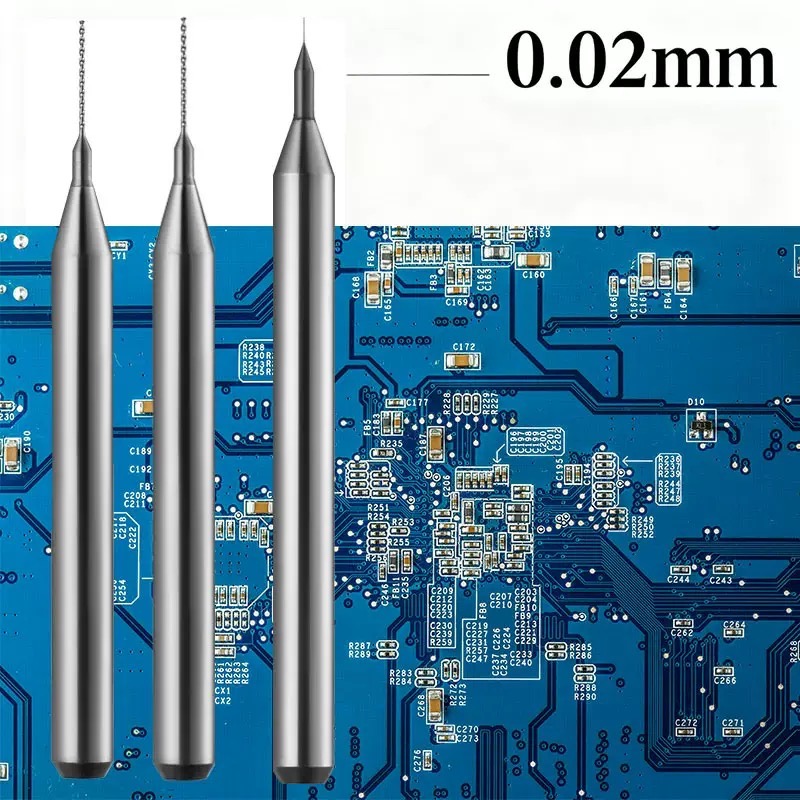
การเคลือบเพชรด้วยวิธี CVD (Chemical Vapor Deposition) ของเรา สร้างชั้นเพชรผลึกแท้บนพื้นผิวคาร์ไบด์ นี่ไม่ใช่แค่ "การเคลือบผิว" แต่เป็นเกราะป้องกัน
เหตุผลที่ผู้จัดจำหน่ายชั้นนำเลือกใช้ผลิตภัณฑ์ซีรี่ส์ CVD ของเรา:
1. แรงเสียดทานต่ำมาก: ป้องกันการเชื่อมติดกันของเศษโลหะและการสะสมความร้อน
2. ทนทานต่อการเสียดสีสูงเป็นพิเศษ: รักษาความคมของใบมีดได้นานกว่าถึง 20 เท่า
3. ผิวสำเร็จ: ผิวชิ้นงานเรียบลื่นเหมือนกระจก ไม่จำเป็นต้องขัดเงาซ้ำอีก