
Nullam dignissim, ante scelerisque the is euismod fermentum odio sem semper the is erat, a feugiat leo urna eget eros. Duis Aenean a imperdiet risus.
Nullam dignissim, ante scelerisque the is euismod fermentum odio sem semper the is erat, a feugiat leo urna eget eros. Duis Aenean a imperdiet risus.
 author
Selecting a PCB Drill Bit by diameter alone is risky. FR-4, HDI, and multilayer boards place different demands on edge sharpness, chip evacuation, rigidity, and heat control. A tool that works on standard FR-4 may produce smear or position error in a dense stack.
TSHZ develops CVD diamond-coated precision tools for abrasive PCB materials. Its PCB diamond drill bit range covers standard boards, HDI micro-hole drilling, and multilayer production. The right PCB Drill Bit should be selected from the finished-hole requirement backward, considering board construction, stack height, plating allowance, and inspection limits.
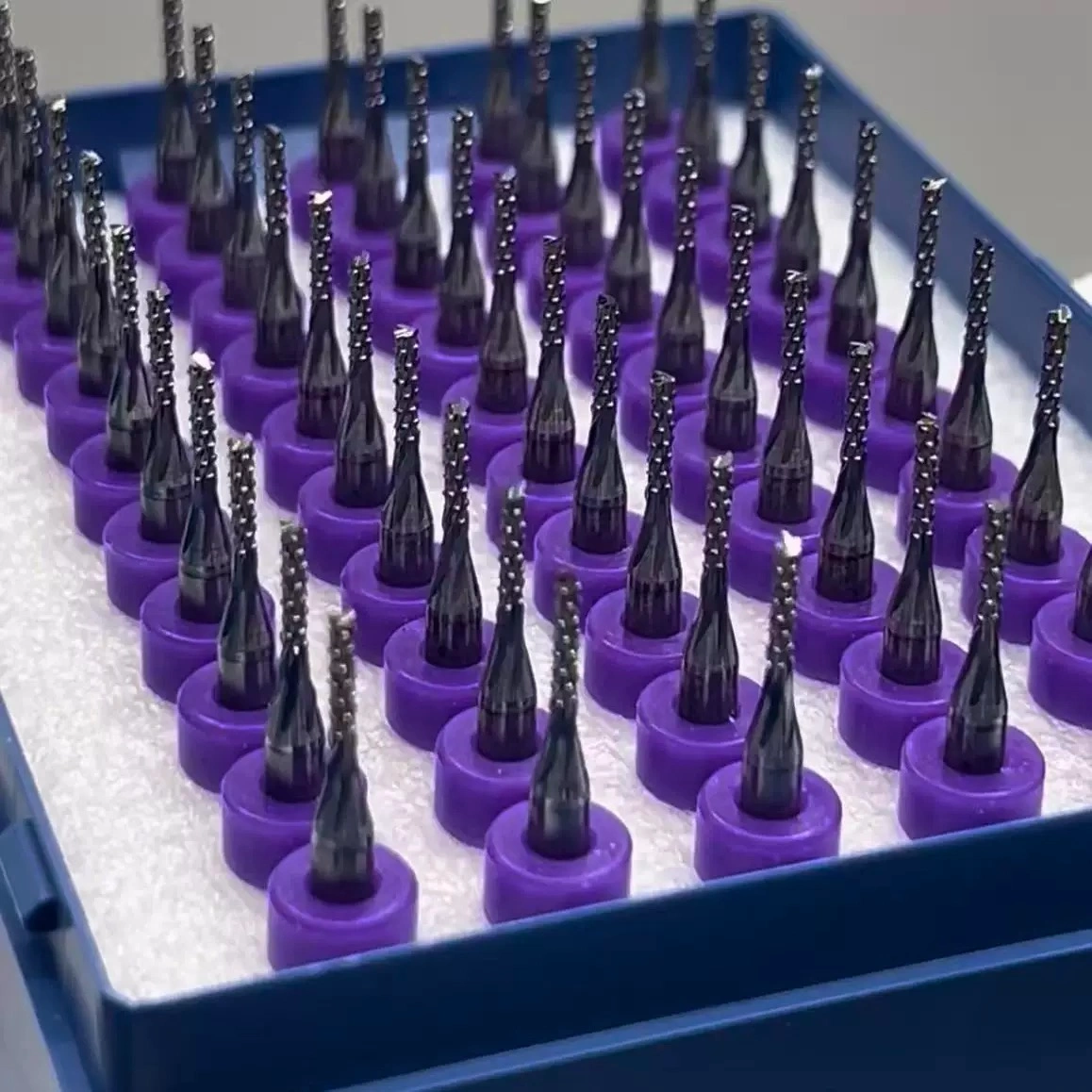
These board groups share glass fiber, resin, and copper, but they do not fail in the same way. Identify the dominant drilling risk before selecting the tool geometry and coating.
FR-4 glass fiber acts as an abrasive against the cutting edge. As the edge rounds off, drilling force and local heat rise. Resin may smear along the hole wall, while copper can form entry or exit burrs.
Standard carbide may remain practical for low volumes. For long runs, a PCB drill bit for FR-4 should be judged by hole-wall stability and replacement frequency, not only by price.
HDI drilling adds small diameter, limited flute space, and tighter positional control. Chips must leave the hole without packing around a slender drill. Excessive overhang or an unsuitable flute form raises runout and breakage risk.
TSHZ positions TS-A01UC for HDI and general multilayer boards, with a UC flute intended to improve chip removal. The catalog range covers 0.2–1.2 mm.
A deeper stack extends the chip path and magnifies runout or drill deflection. Lower panels may show poorer position accuracy or rougher walls. Small-diameter drilling benefits from controlled stack height, stable backup material, and short tool projection.
The practical question is how long the tool keeps its cutting geometry. Buyers need to compare edge retention, heat movement, flute capacity, and the cost of stopping the machine.
Solid carbide remains suitable for standard materials and moderate volumes. It provides stiffness for small holes and is widely available.
Its limitation appears when abrasive fibers wear the edge before the batch is complete. Rising burrs and tool changes can cancel a lower unit price.
CVD processing grows a diamond film on the carbide substrate rather than applying a soft surface layer. TSHZ technical documents list coating hardness around 9000 HV and describe diamond’s thermal conductivity as a way to move heat away from the edge. These properties help resist glass-fiber abrasion and resin-related heat damage.
For buyers comparing a diamond coated PCB drill bit, coating adhesion and edge geometry matter as much as hardness. A thick or uneven layer can change dimensions or restrict flute space. The supplier should review diameter, material, and hole-quality targets before recommending the coating.
Diamond-coated drills show the clearest value in high-volume, high-layer-count, or high-abrasion work.
TSHZ internal application data for TS-A01UC records 20–30 times longer life, about 90% fewer tool changes, nail-head control within 20 μm, and a 20%–30% lower cost per hole in a defined HDI and multilayer test. These results must be verified on the buyer’s stack and machine.

Selection should follow board structure and hole requirements. This table provides a starting point before sample testing.
| Board or Application | Suggested TSHZ Series | Main Selection Reason |
| Standard FR-4 and CEM-E | TS-A02 ST | General board compatibility and standard through-hole work |
| HDI micro holes | TS-A01UC | Chip evacuation, small-hole stability, and hole-wall control |
| General multilayer boards | TS-A01UC | Edge retention and chip removal through the stack |
TS-A02 ST is a starting point for conventional FR-4, CEM-E, and similar materials. Before ordering, compare board thickness, copper structure, entry and backup materials, finished-hole tolerance, and expected holes per tool.
For HDI PCB micro drilling, TS-A01UC is the stronger fit because its UC flute targets chip evacuation in smaller holes.
Use the shortest effective length that clears the stack. During trials, inspect hole position, wall roughness, smear, nail heading, and breakage.
TS-A01UC can be assessed among multilayer PCB drilling tools where chip transport and edge retention limit output.
Compare the first and last panels. If lower panels show rough walls or position drift, reduce stack height, review runout, and check for flute packing.
A purchase specification should describe the process, not just a diameter. Include the finished hole, plating process, board construction, total drilling depth, spindle condition, and defect limits.
Start with the required finished-hole diameter and work backward through the factory’s plating allowance. Do not apply a generic offset without checking copper thickness and process capability.
Provide TSHZ with both the finished-hole target and current pre-plating drill size so the recommendation can reflect the actual process.
Choose the shortest total and flute length that safely clears the stack. Extra length reduces rigidity. Point angle and flute geometry should match material entry, chip formation, and feed strategy.
In PCB micro drill selection, a short, supported tool is often safer than a longer catalog size.
Track holes per tool together with burrs, smear, nail heading, position error, and breakage. Replace the drill before defects move outside the inspection window.
TSHZ guidance advises against routine regrinding of diamond-coated micro drills because grinding removes the coating and changes the edge geometry.
For cost per hole in PCB drilling, include tool price, tool-change time, lost machine time, rework, and scrap. A higher-priced tool can still be economical when hole quality remains stable.
Catalog dimensions are only the first filter. A production recommendation should be based on the actual stack-up and the defect the factory needs to control.
Send the material, layer count, thickness, stack quantity, finished-hole diameter, current drill size, speed, feed, and inspection criteria.
State whether the main problem is breakage, smear, burrs, nail heading, position error, or short life. TSHZ can then compare TS-A02 ST and TS-A01UC against the operating condition.
TSHZ can use its service support to review tool geometry, drilling conditions, and non-standard requirements.
A trial should use the same entry sheet, backup sheet, stack height, spindle, and inspection method planned for production. Record defects by panel position so tool wear is not confused with stack-related variation.
For repeat orders, discuss diameter tolerance, batch identification, inspection records, packing, reorder frequency, and mixed-size requirements.
The TSHZ PCB diamond drill bit is most useful when selection, testing, and batch planning are treated as one process.
The right PCB Drill Bit depends on board abrasion, hole size, drilling depth, and production volume. TS-A02 ST is a practical starting point for standard FR-4 and CEM-E boards. TS-A01UC is aligned with HDI micro holes and multilayer stacks where chip evacuation and edge retention control the result.
Confirm the selection through a controlled trial and compare cost per hole rather than unit price alone.
If your process shows smear, nail heading, frequent breakage, or unstable results across a stack, prepare the board specification, hole drawing, current drill data, and defect photos. Share them through the TSHZ contact channel so the discussion can focus on series selection, sample conditions, and the evidence needed before batch purchasing.
Q: Which PCB Drill Bit should be used for standard FR-4 boards?
A: TSHZ generally positions TS-A02 ST for standard FR-4, CEM-E, and similar conventional boards. The final selection should still account for board thickness, glass-fiber content, hole tolerance, stack height, and production volume.
Q: How long should a drill last in HDI production?
A: There is no reliable universal hole count. TSHZ recommends testing TS-A01UC on the actual HDI stack and monitoring hole-wall roughness, nail heading, position accuracy, and breakage. Internal TSHZ case data shows substantial life improvement under defined conditions, but the result must be verified on the buyer’s machine.
Q: Can a diamond-coated PCB micro drill be reground?
A: TSHZ does not generally recommend regrinding because it removes the CVD diamond layer and changes the cutting geometry. For stable production, replace the drill according to wear inspection and hole-quality limits.
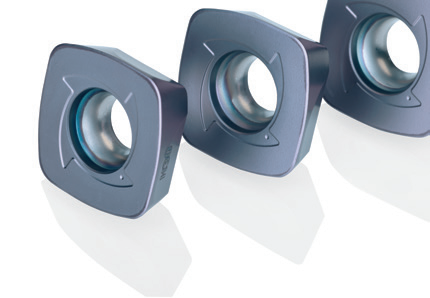
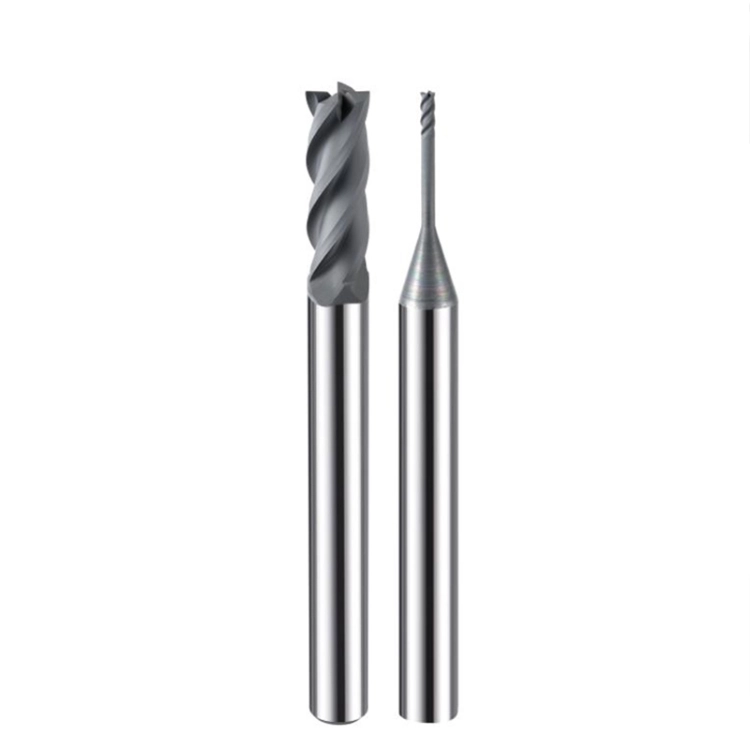
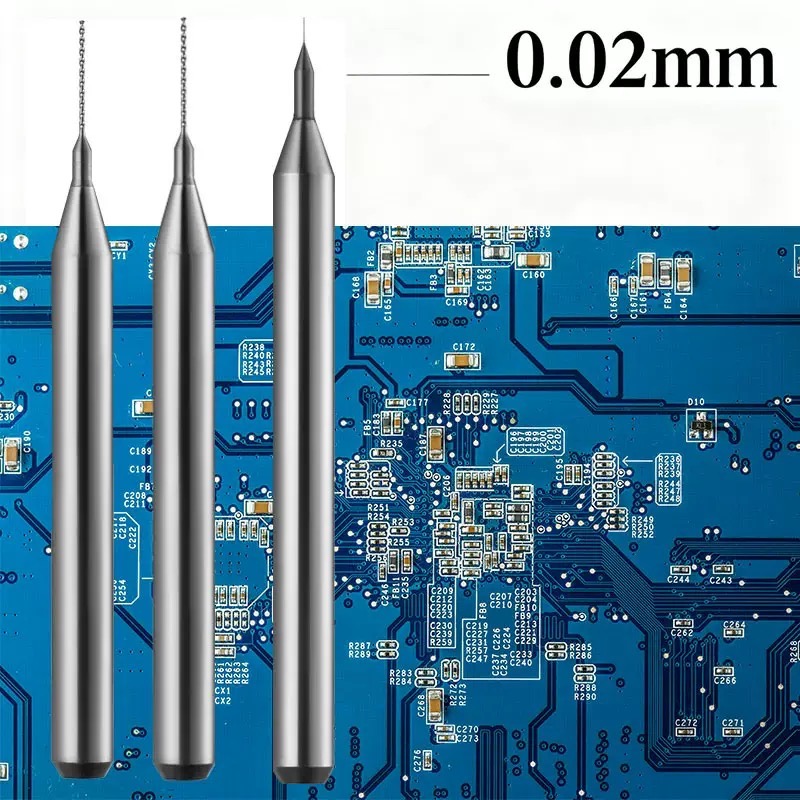
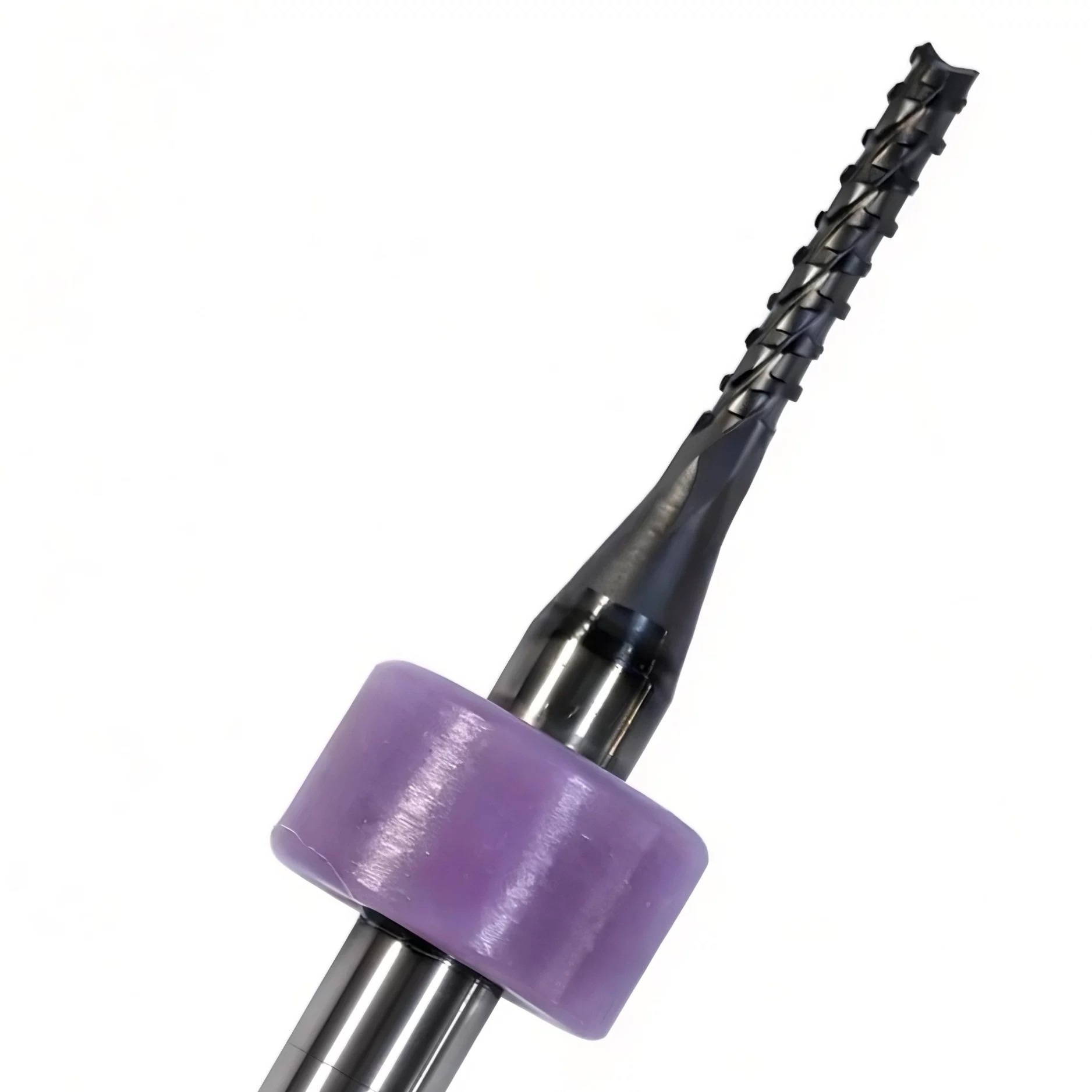
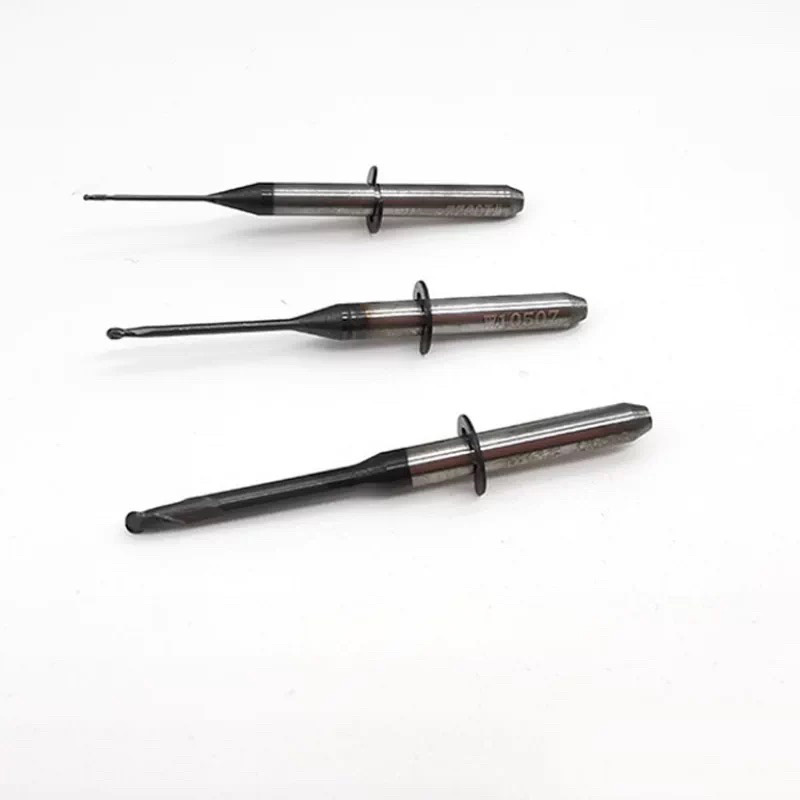
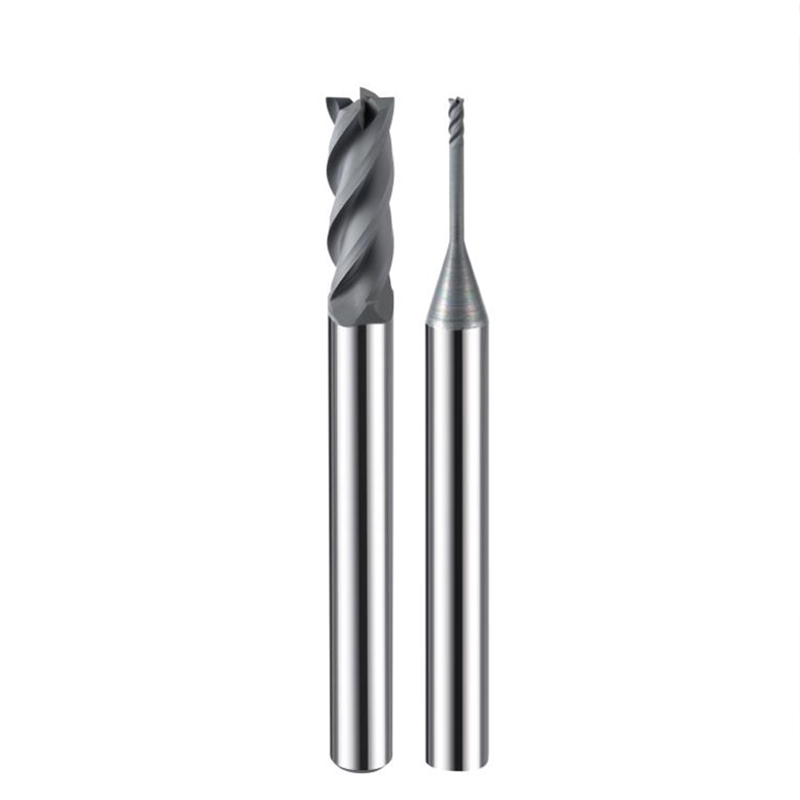
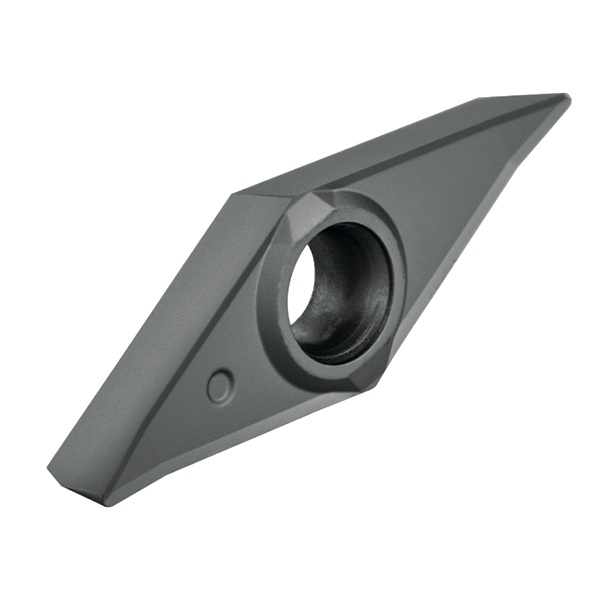
Graphite, Ceramics, and Carbon Fiber are the future, but they are “tool killers.” If you’re still using traditional coating, you’re fighting a losing battle.
Our CVD (Chemical Vapor Deposition) Diamond Coating creates a real crystalline diamond layer on the carbide substrate. This isn’t just a “finish”—it’s a shield.
Why top distributors choose our CVD series:
1.Ultra-Low Friction: Prevents chip welding and heat buildup.
2.Extreme Abrasion Resistance: Maintains sharp cutting edges $20 \times$ longer.
3.Surface Finish: Mirror-like results on the workpiece, zero secondary polishing needed.