Nullam dignissim, ante scelerisque the is euismod fermentum odio sem semper the is erat, a feugiat leo urna eget eros. Duis Aenean a imperdiet risus.
Nullam dignissim, ante scelerisque the is euismod fermentum odio sem semper the is erat, a feugiat leo urna eget eros. Duis Aenean a imperdiet risus.
 author
Tool wear is not only a tooling issue. In graphite, CFRP, PCB materials, high-silicon aluminum, ceramics, and other abrasive material machining, a worn edge quickly becomes a production problem. It changes dimensions, raises cutting heat, creates burrs, and forces operators to stop the spindle for tool replacement. That is why many CNC buyers treat diamond coated cutting tools as a way to control output, not just as a higher-end consumable.
TSHZ focuses on CVD diamond coated tools for precision cutting applications, including graphite machining tools, PCB-related tools, milling cutters, and customized tool support. Its product direction fits buyers who need better wear resistance on non-ferrous and highly abrasive materials, especially where ordinary carbide tools lose edge sharpness too quickly. The value does not come only from hardness. It comes from coating structure, substrate preparation, edge stability, and whether the tool geometry fits the machining task.
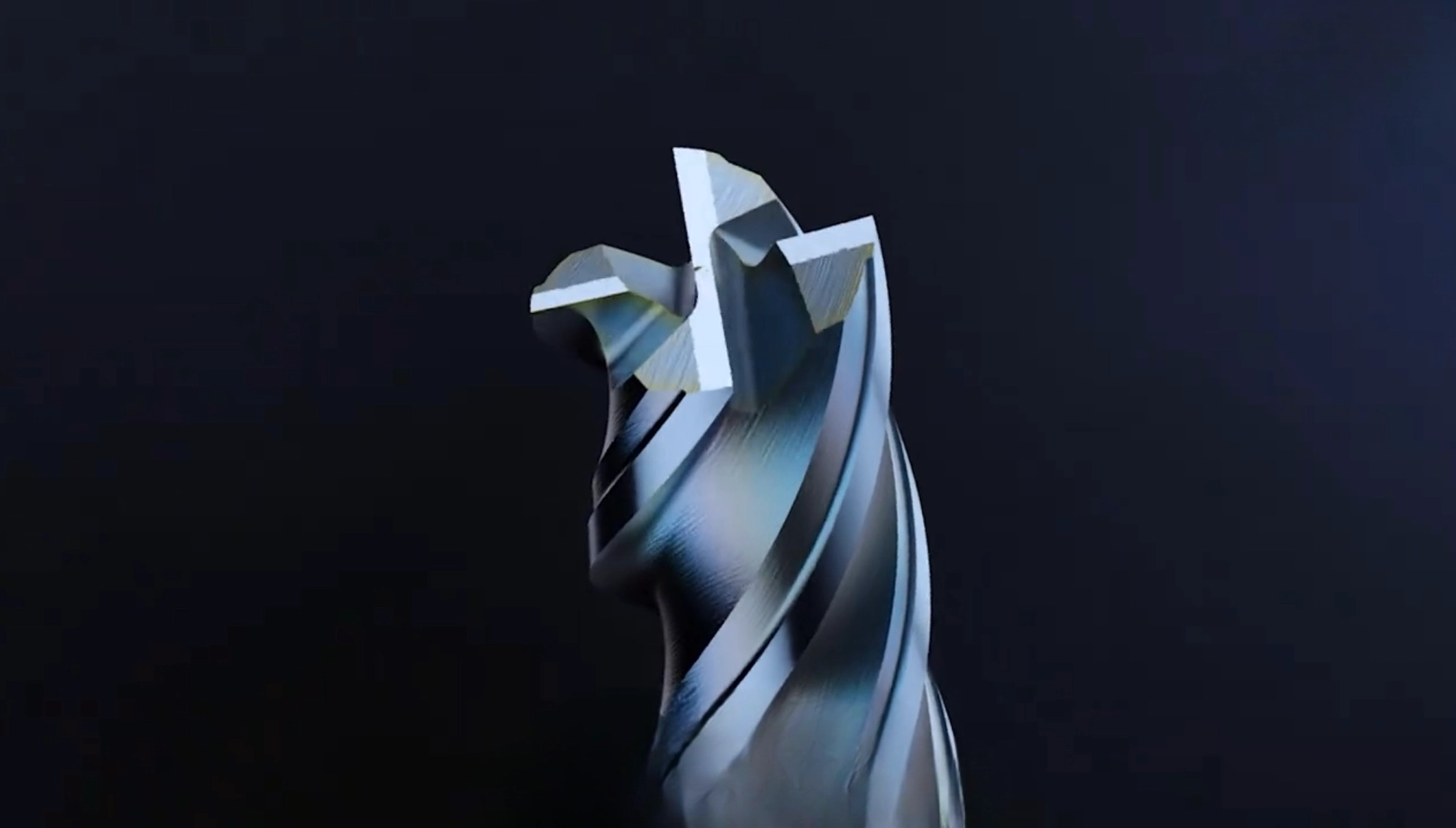
Longer tool life begins before the first cut. The coating type, carbide substrate, edge preparation, chip evacuation, and cutting load all decide whether the tool keeps cutting cleanly or starts peeling, chipping, or rubbing.
CVD technology grows a diamond layer on the tool surface through a controlled vapor deposition process. This is not a simple low-friction film like DLC (Diamond-Like Carbon). By growing true polycrystalline diamond crystals, TSHZ’s CVD coating achieves an extreme surface hardness of 8000–10000 HV, which is almost 4 to 5 times harder than standard tungsten carbide at about 1600–2000 HV.
For buyers, this difference matters because coating failure often starts at the cutting edge. If the layer does not bond well, abrasive dust and cutting force can lift the coating and expose the carbide underneath. Once the substrate is exposed, wear accelerates. A properly prepared diamond coated tool is designed to protect the working edge for a longer part of the machining cycle.
Graphite, glass fiber, ceramic-filled boards and carbon fiber composites can all be very abrasive to cutting edges. While standard carbide tools can cut these materials, the edge is prone to round quickly. Once the edge of a tool starts to round, it can no longer provide a very sharp cutting edge. Instead, the tool will start to rub against the material, cause excessive heat and push the material rather than cut it.
CVD diamond coated tools provide real benefits in this area. The hard coating reduces abrasive wear and enables the cutting edge to maintain its geometry. In many long-cycle machining operations on graphite or in the PCB industry, the benefits of such stable cutting tools far outweigh any possible cost savings made on individual tools by purchasing them without a hard coating..
This coating also maintains an ultra-low friction coefficient of 0.05–0.1, reducing cutting resistance, helping prevent built-up edge, and supporting faster heat dissipation. Less friction means less heat at the contact point and less risk of material sticking to the edge.
This helps in dry or near-dry machining conditions, especially for graphite and non-ferrous materials. It does not remove the need for correct cutting data, but it gives the process more stability when heat and friction are the main causes of poor finish or fast wear.
Machining output is not only measured by feed rate. Real output also includes tool change frequency, scrap rate, dimensional repeatability, inspection pressure, and whether the next process needs extra finishing.
Every tool change costs more than the cutter itself. The spindle stops, the operator checks offsets, the program may need adjustment, and the machine loses productive time. In high-volume graphite electrode machining or PCB production, this loss can repeat many times per shift if the tool is not matched to the material.
A diamond coated cutter helps reduce interruptions by keeping the cutting edge useful for longer. For procurement teams, the comparison should move from “unit price” to “machine time protected.” A cutter that runs longer with fewer stops can lower the real cost of production even when the purchase price is higher.
A stable diamond coated cutter helps keep the edge profile closer to its original condition. For example, in High Density Interconnect PCB manufacturing, a dull tool can tear copper foil and create a “Nail Head” defect inside the hole wall, which may affect electrical reliability. By keeping the edge sharp and maintaining dimensional stability, a CVD diamond micro-tool can reduce nail heads to under 20 µm and meet IPC Class 3 requirements.
This process stability can cut tool-change downtime by up to 90% and lower comprehensive cost per part. In mold and electrode work, the same logic applies. If a cutter loses diameter during a long graphite job, the final cavity, groove, or corner may drift from the intended size. A stable edge helps reduce that risk.
Surface finish depends on edge sharpness, vibration, chip removal, and material behavior. If the edge stays sharper for longer, the cut remains more consistent. This can reduce chipping on graphite edges and reduce the need for polishing or manual correction after machining.
For buyers, this is a practical point. A cutter that saves finishing time on each part may be more valuable than a cutter that only looks cheaper on the purchase order.
The right product depends on the cutting task. TSHZ’s product range is especially relevant for graphite machining, mold work, and abrasive non-ferrous materials where tool wear becomes visible very quickly.
The Diamond and Graphite Cutting Tool Series is a practical starting point for buyers processing graphite electrodes, graphite molds, and similar high-wear materials. This product family helps workshops build a more organized tooling plan instead of selecting isolated cutter types one by one.
For a factory running mixed graphite jobs, this series can support roughing, semi-finishing, finishing, and cavity work depending on tool geometry. It suits buyers who need consistency across multiple graphite machining tools.
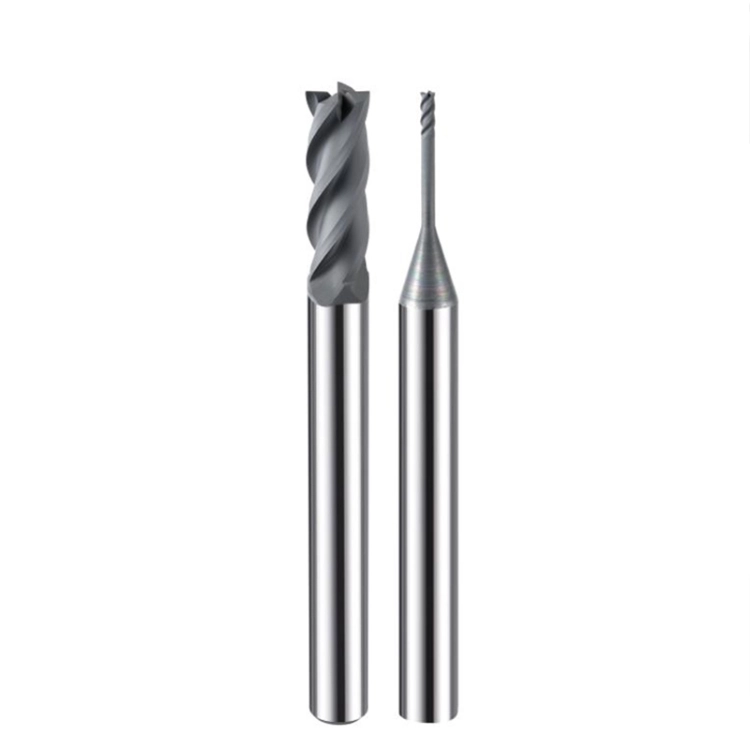
The Diamond coating Flat-bottom cylindrical end mill is used for flat surface machining, shoulder milling, slotting and graphite electrode roughing or semi-finishing. Flat-bottom end mills are especially useful when you need a very clean bottom surface and straight walls. They also provide consistent material removal.
This tool is intended for use in workshops that first cut to size and then finish off with another cutter. Buyers must check the cutting diameter, flute length, effective cutting length, shank diameter and overall rigidity of the tool. For graphite for example a longer than required cutter will increase vibration and risk to the cutting edge.
The Diamond coating Round Nose End Mill is better suited to cavity roughing, corner areas, and jobs where edge stability matters. The rounded corner helps reduce stress concentration that a sharp corner may face during cutting.
This tool is useful for mold shops that want to reduce chipping risk while keeping material removal efficient. It is also practical where a flat-bottom tool is too aggressive at the corner, but a full ball nose tool may not remove material efficiently enough.

A good purchase decision starts with the actual machining problem. The same coating cannot fix poor tool geometry, wrong length selection, weak clamping, or unsuitable material use.
Use flat-bottom end mills for flat bases, side walls, slots, and roughing or semi-finishing work. Use round nose end mills for cavities, transition areas, and corners where edge strength matters more. Tool shape should follow the cutting path, not only the catalog name.
Diamond coated cutting tools work best on graphite, CFRP, PCB materials, ceramics, high-silicon aluminum, and other abrasive non-ferrous materials. They should not be treated as universal tools for every metal.
If the workpiece is steel or another iron-based material under high cutting temperature, diamond is usually not the right route. Buyers should confirm the material grade before ordering, especially in workshops that process graphite one day and steel the next.
The cheapest cutter is not always the lowest-cost cutter. Cost per part includes tool price, tool life, machine downtime, scrap, inspection burden, and secondary finishing. A diamond coated cutter makes sense when it reduces one or more of these hidden costs.
For purchasing teams, the useful test is simple: compare finished parts per tool, surface finish stability, offset changes, and time lost to tool replacement. This gives a clearer picture than unit price alone.
Some buyers already know the cutter size they need. Others only know the problem: fast wear, poor graphite finish, corner chipping, nail head defects, or unstable output. Tool selection support should connect the material, machine, cutting path, and target finish.
For common graphite machining, buyers can start with the Diamond and Graphite Cutting Tool Series, then narrow the choice to flat-bottom or round nose geometry. This keeps product selection simple and avoids over-ordering cutters that do not match the actual process.
For parts that are non-standard, have special grooves, unusual tool length, or cavities that are too close together for standard catalog tools, a discussion of workpiece material, current tool failure mode, part drawing details, range of spindle speeds, and required surface finish is required.
If your project involves graphite molds, abrasive non-ferrous materials, CFRP parts, PCB drilling quality, or repeated tool wear, prepare the material grade, tool size, machining method, current tool life, and finish requirement before sending details. A short drawing or failure photo helps the supplier judge whether a standard cutter is enough or whether a custom route is safer. You can use the TSHZ contact page for project-based communication.
Q: Are diamond coated tools worth the higher purchase price?
A: They can be worth it when abrasive material machining causes frequent tool changes, unstable dimensions, poor surface finish, or high scrap. The right comparison is cost per part, not only tool unit price.
Q: Can diamond coated cutting tools be used for all materials?
A: No. They are mainly suited to graphite, CFRP, PCB materials, ceramics, high-silicon aluminum, and other abrasive non-ferrous materials. They are usually not recommended for high-temperature cutting of iron-based materials.
Q: Which TSHZ product should a graphite machining buyer start with?
A: A buyer can start with the Diamond and Graphite Cutting Tool Series, then choose the Diamond coating Flat-bottom cylindrical end mill for flat surfaces and roughing, or the Diamond coating Round Nose End Mill for cavities and corner stability.
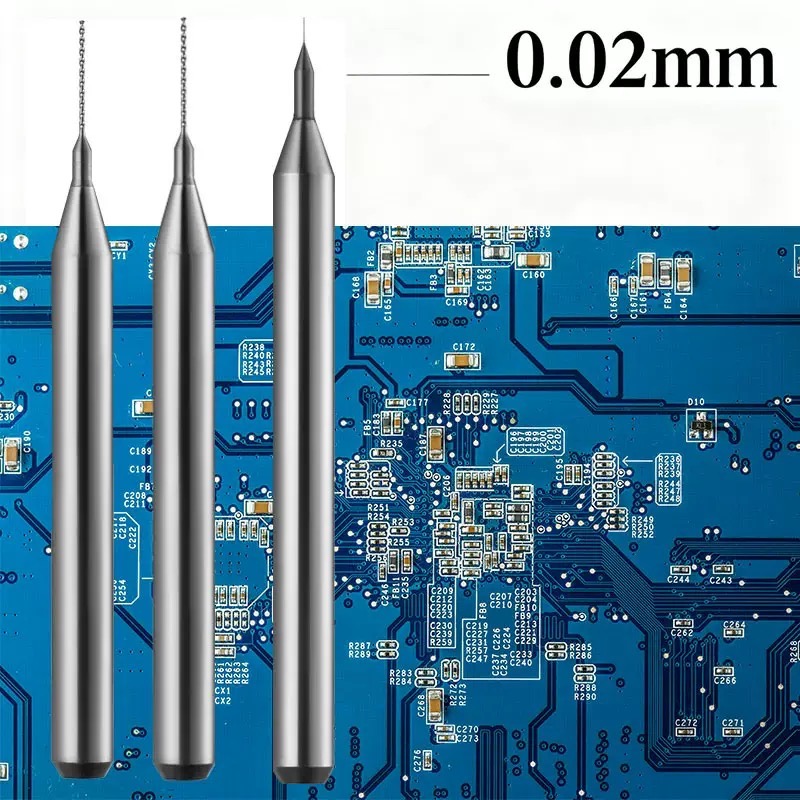
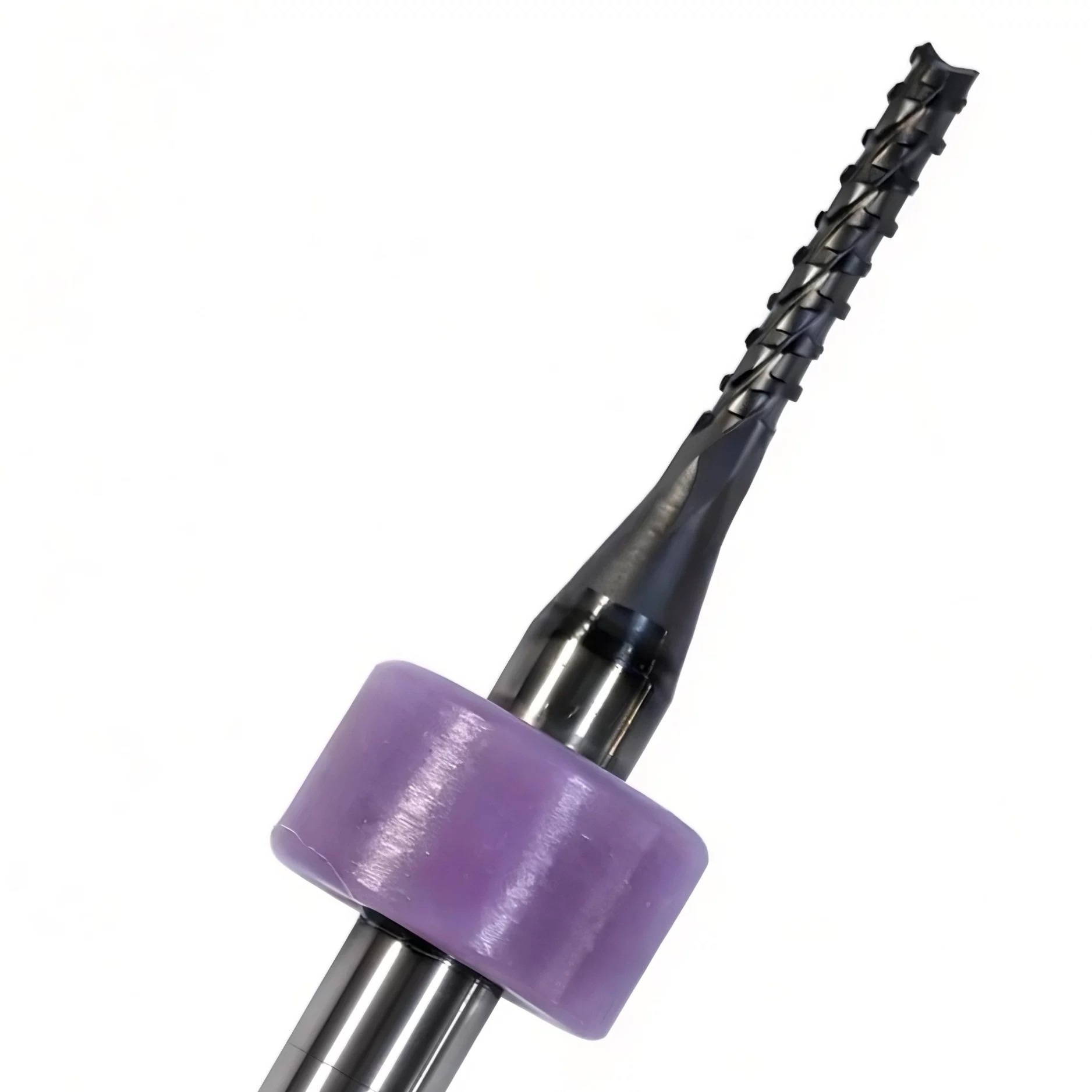
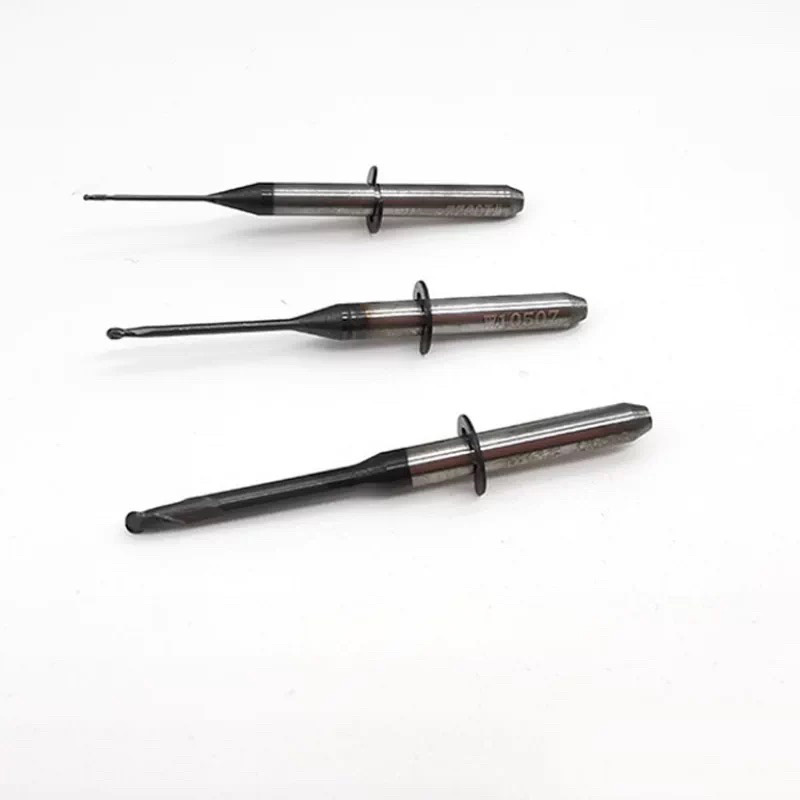
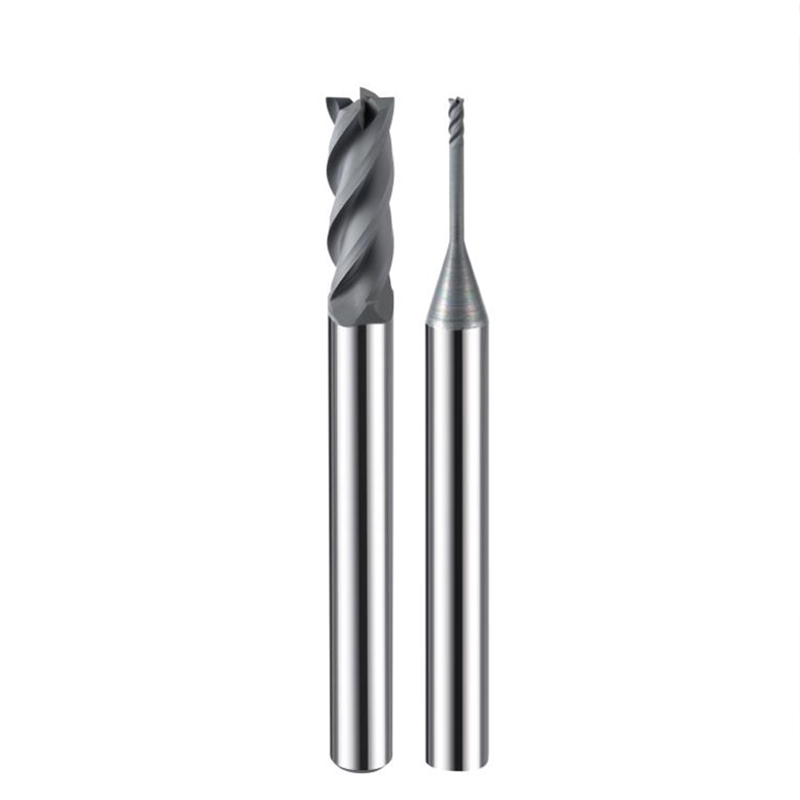
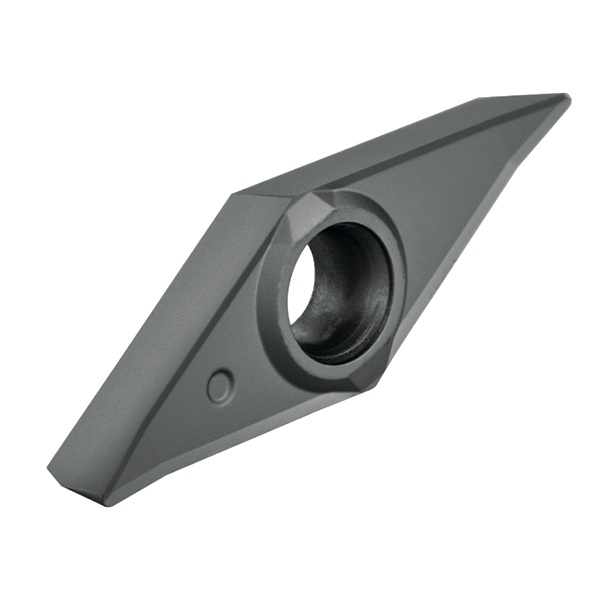
Graphite, Ceramics, and Carbon Fiber are the future, but they are “tool killers.” If you’re still using traditional coating, you’re fighting a losing battle.
Our CVD (Chemical Vapor Deposition) Diamond Coating creates a real crystalline diamond layer on the carbide substrate. This isn’t just a “finish”—it’s a shield.
Why top distributors choose our CVD series:
1.Ultra-Low Friction: Prevents chip welding and heat buildup.
2.Extreme Abrasion Resistance: Maintains sharp cutting edges $20 \times$ longer.
3.Surface Finish: Mirror-like results on the workpiece, zero secondary polishing needed.