The Drilling Challenge in the 5G Era: Why CVD Diamond Coated Drills are the “Lifeline” for High-End PCB Fabrication
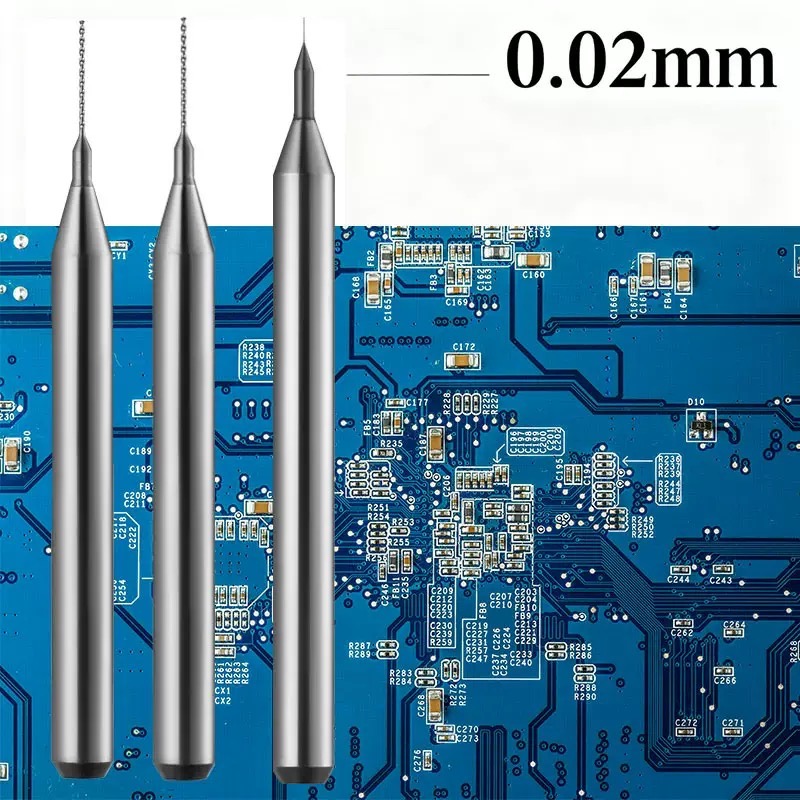
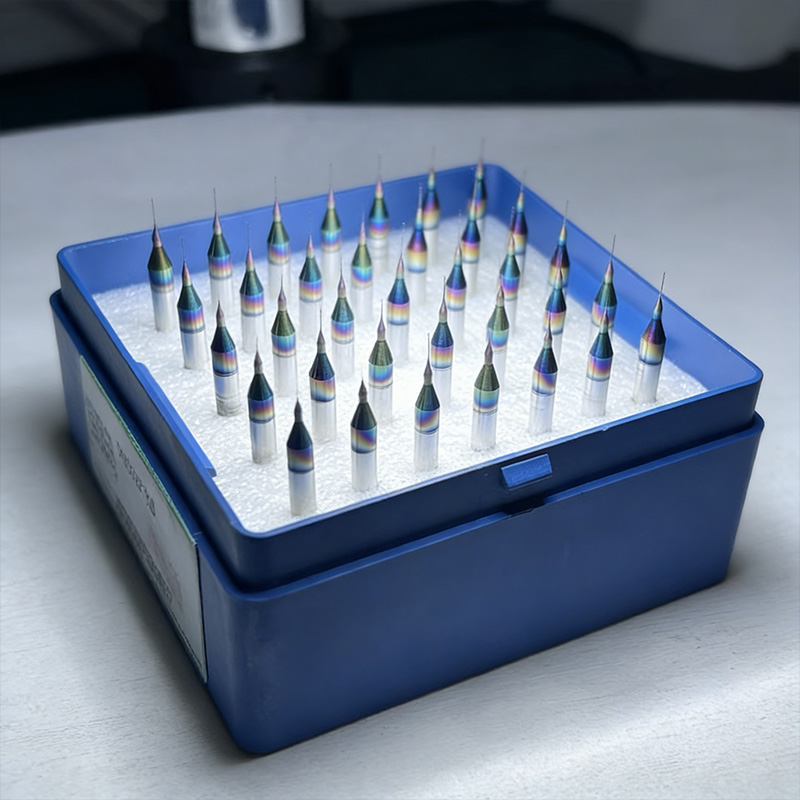
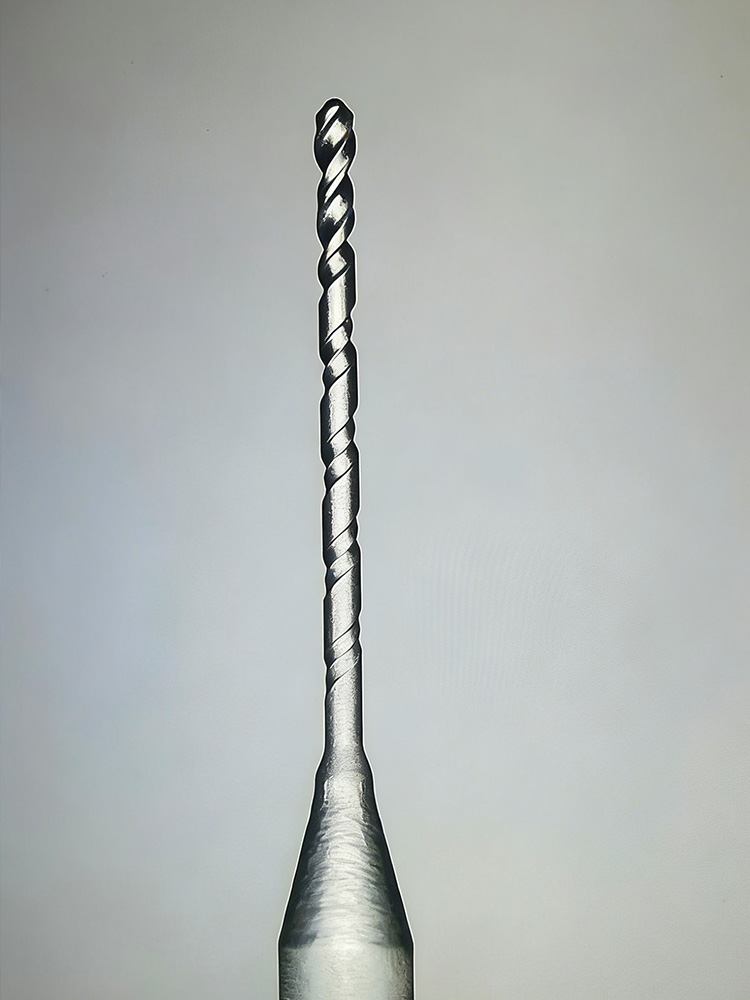
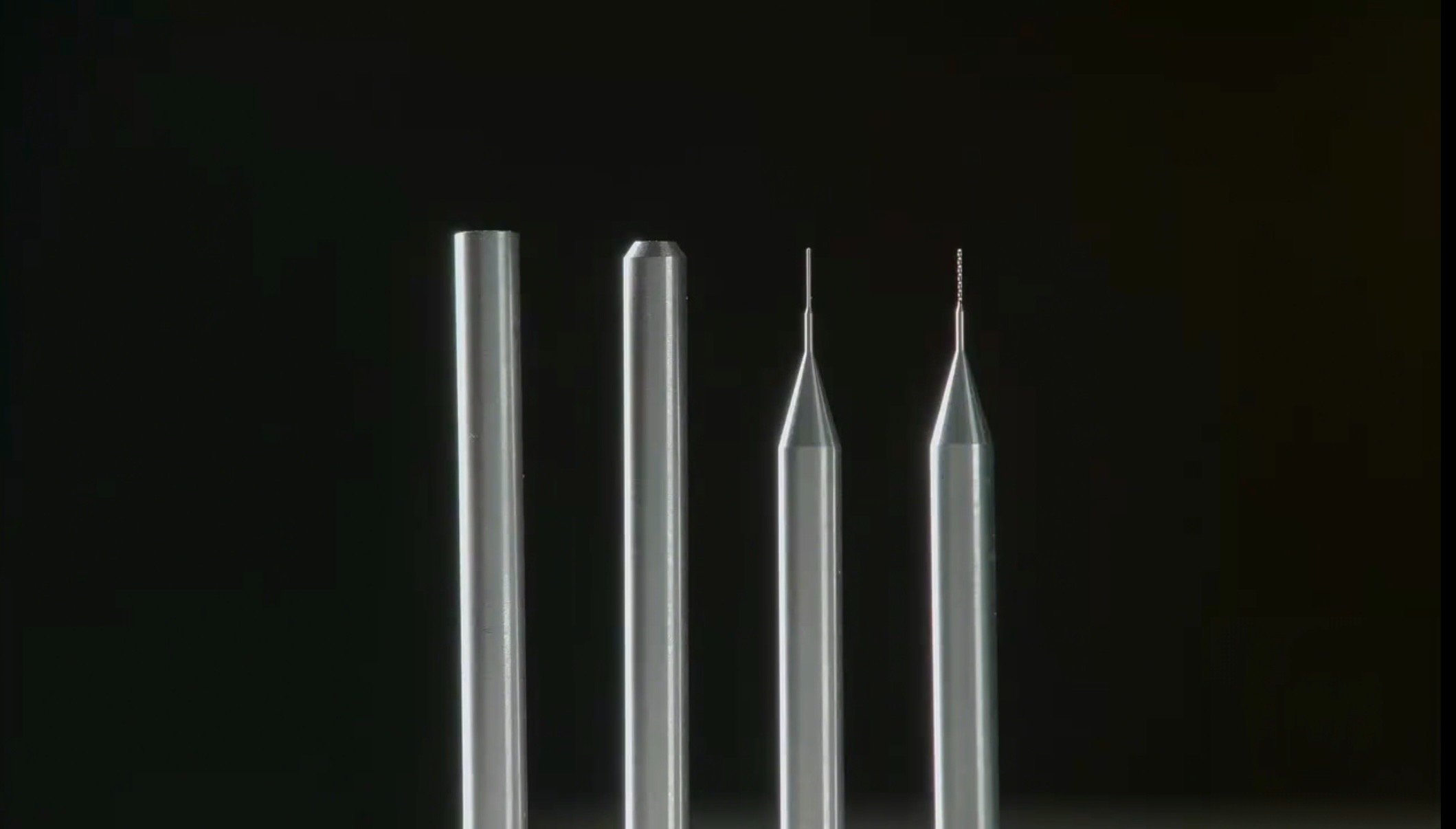
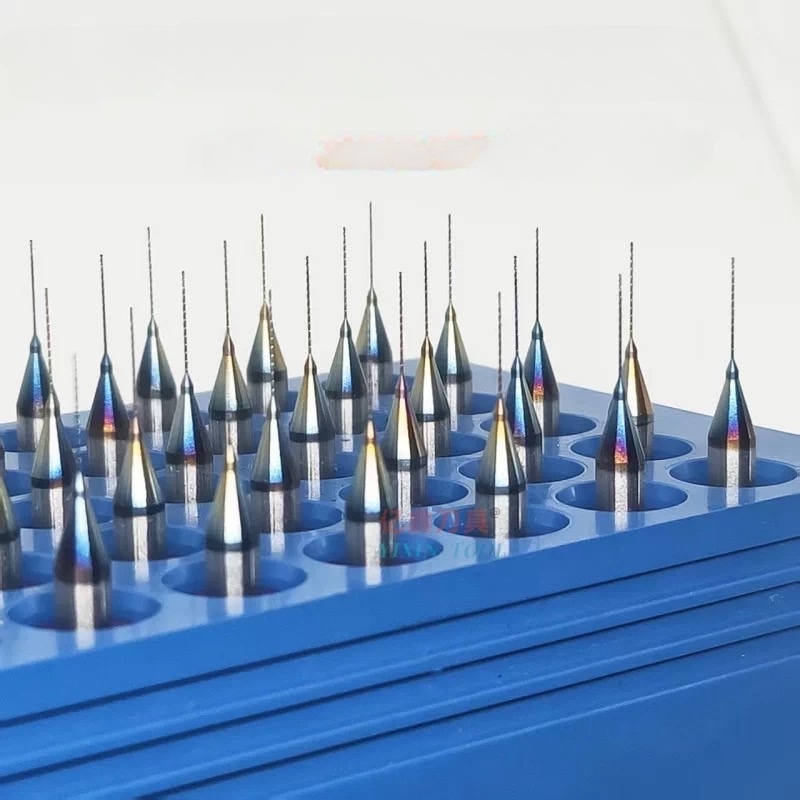
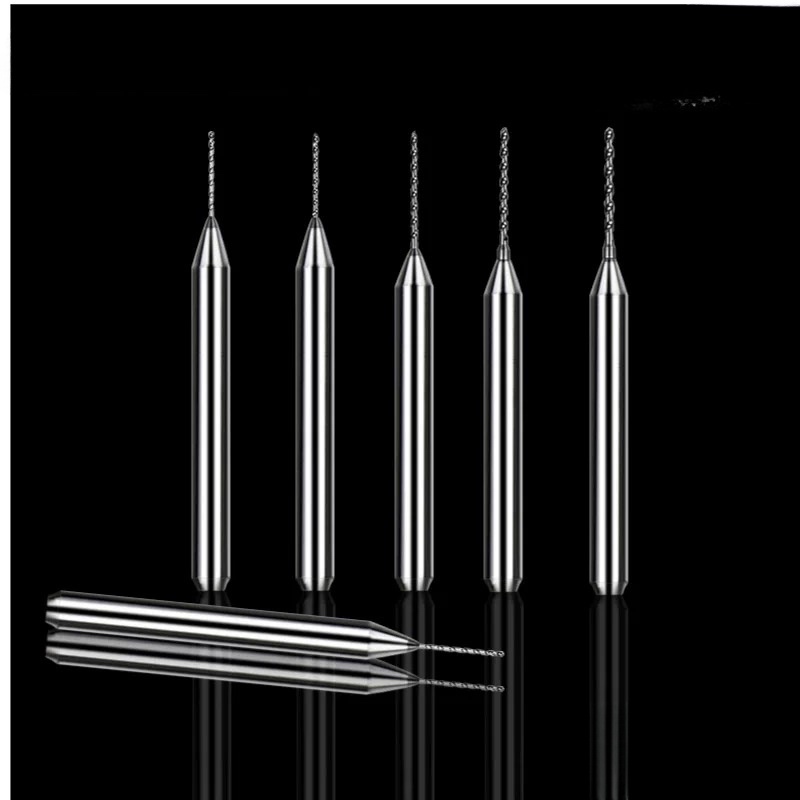
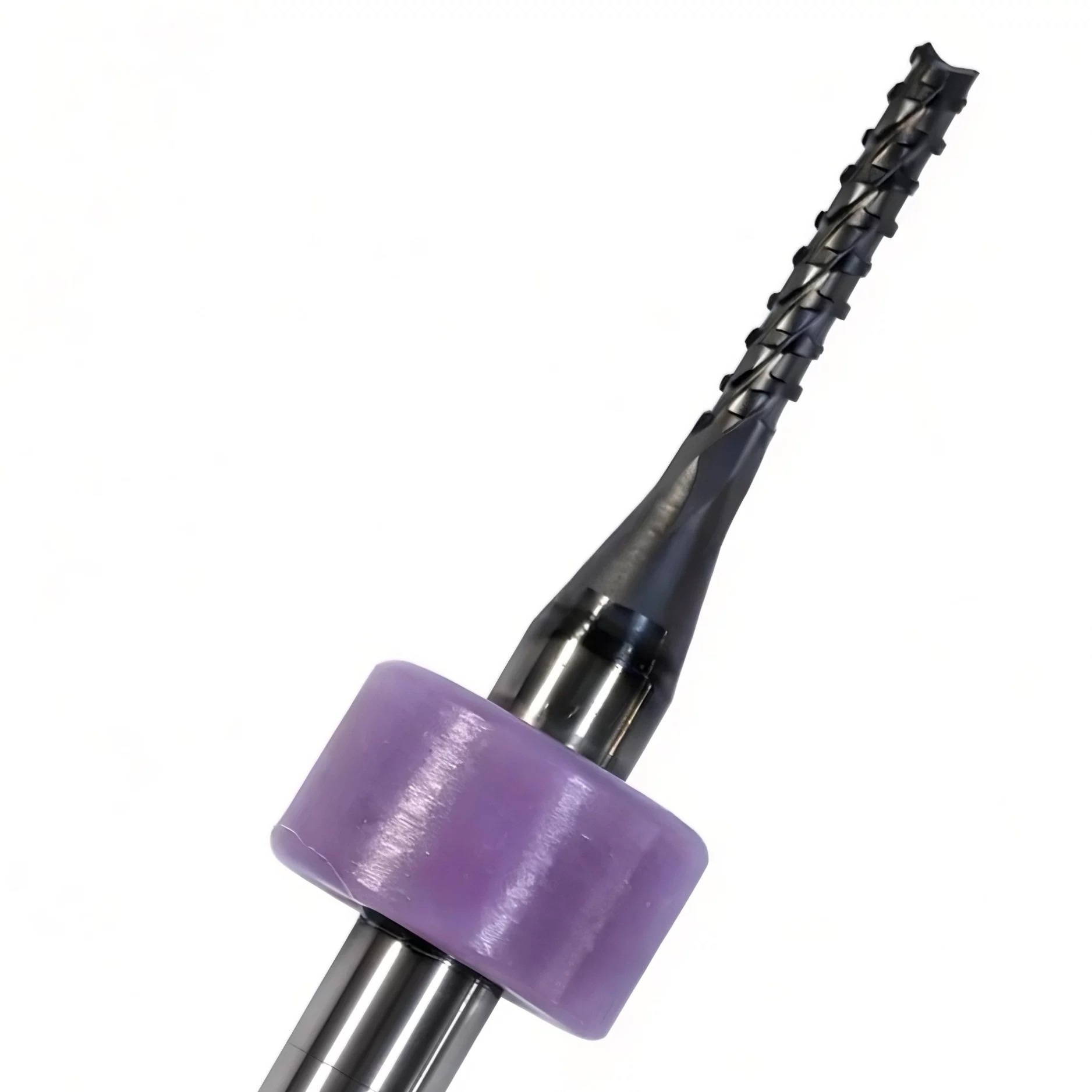
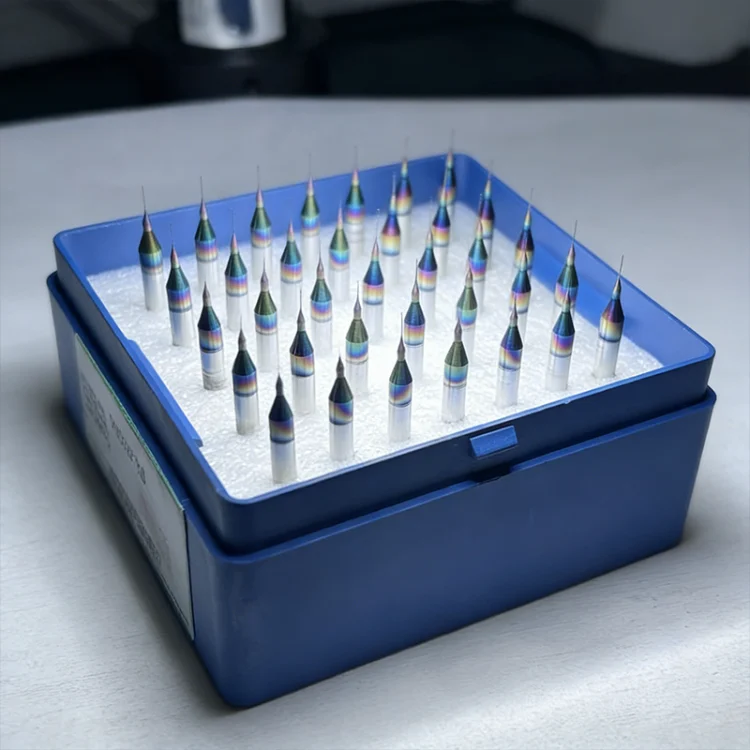
In the precision-driven world of HDI and multi-layer board (MLB) manufacturing, a drill bit is more than just a consumable—it is the core variable that determines the scrap rate of the entire production line. With the rapid adoption of abrasive materials like M9, high-Tg resins, and thick copper substrates, traditional tungsten carbide (WC) drills are reaching their physical limits. Tiansheng Hengzuan (TSHZ) has engineered CVD Diamond Coated Drill Bits to redefine the boundaries of precision drilling through atomic-level structural integrity.
1. Industry Pain Points: Are You Paying for “Invisible Costs”?
In high-volume PCB production, manufacturers are frequently haunted by three critical issues:
1、Breakage Risks: Under ultra-high spindle speeds, standard carbide drills suffer from poor thermal stability, leading to instantaneous fracture caused by chip clogging.
2、Accuracy Drift: For high-layer count (HLC) boards, bit wear leads to hole positional deviations ≥±25μm, resulting in catastrophic inner-layer registration failures.
3、Hole Wall Quality: Issues such as fiber protrusion, delamination, or “Pink Ring” defects can turn an expensive substrate into immediate scrap.
2. The TSHZ Logic: Technology Behind “Cost Reduction & Efficiency”
A. Radical Longevity: A Leap from 3x to 20x Service Life
In standard FR-4 processing, the hardness of the CVD coating extends tool life by 3 to 5 times. However, when facing M9 or high-hardness composites, the improvement can reach a staggering 20 times.
The Science: The diamond coating acts as a nanoscale “armor,” effectively resisting the high abrasiveness of glass fibers that would otherwise dull a carbide edge in minutes.
B. Surgical Precision: Deviation ≤ ±25μm
Maintaining dynamic balance and rigidity is vital at speeds up to 180,000 RPM.
The Result: Our proprietary non-standard customization ensures diameter tolerances stay within ±0.003mm, with hole walls as smooth as a mirror—meeting the rigorous demands of HDI micro-vias.
C. Enhanced Throughput: 20%-30% Faster Feed Rates
The ultra-low friction coefficient of diamond translates to lower heat generation. This allows engineers to set more aggressive feed parameters, boosting the Units Per Hour (UPH) by over 20%.
3. Real-World Case Study: Data-Driven Success
Case: A Leading Tier-1 HDI Smartphone Board Manufacturer
Background: 12-layer HDI board utilizing high-Tg resin and ultra-fine glass fiber.
The Problem: Traditional carbide drills showed severe wear after only 500 holes, leading to diameter out-of-tolerance and a 0.5% breakage rate.
The Solution: Implementation of TSHZ CVD Diamond Coated Drills.
The Outcome:
Tool Life: Stable performance for over 8,000 holes (a 16x increase).
Yield Rate: Total scrap rate dropped from 2.1% to a remarkable 0.3%.
Financial Impact: After accounting for tooling costs, the total cost per hole decreased by 42%.
4. Universal Application Scenarios
TSHZ Diamond Drills are engineered for the most extreme environments:
High-Layer Count (HLC): Solving verticality and chip evacuation issues in deep-hole drilling.
High-Frequency/High-Speed Boards: Ensuring clean cuts to maintain signal integrity and impedance control.
Ceramic & Metal Core PCBs: Handling the severe wear of heat-dissipating materials while maintaining a sharp cutting edge.
5. Conclusion: Strategy Over Cost
In the modern manufacturing landscape, competition is won through “Lean Production.” Rather than focusing solely on the purchase price of a single drill bit, forward-thinking manufacturers focus on the uptime of their entire production line. Tiansheng Hengzuan (TSHZ) provides more than just a bit; we provide a complete drilling solution—from parameter optimization to tool-life monitoring.
Send us your processing requirements today, and let us help you build a deeper “profit moat” in this micrometer-scale battlefield.