Feature:
The Pinnacle of R-Profile Precision: Why CVD Diamond Ball End Mills are the Ultimate Solution for Graphite and CFRP Machining
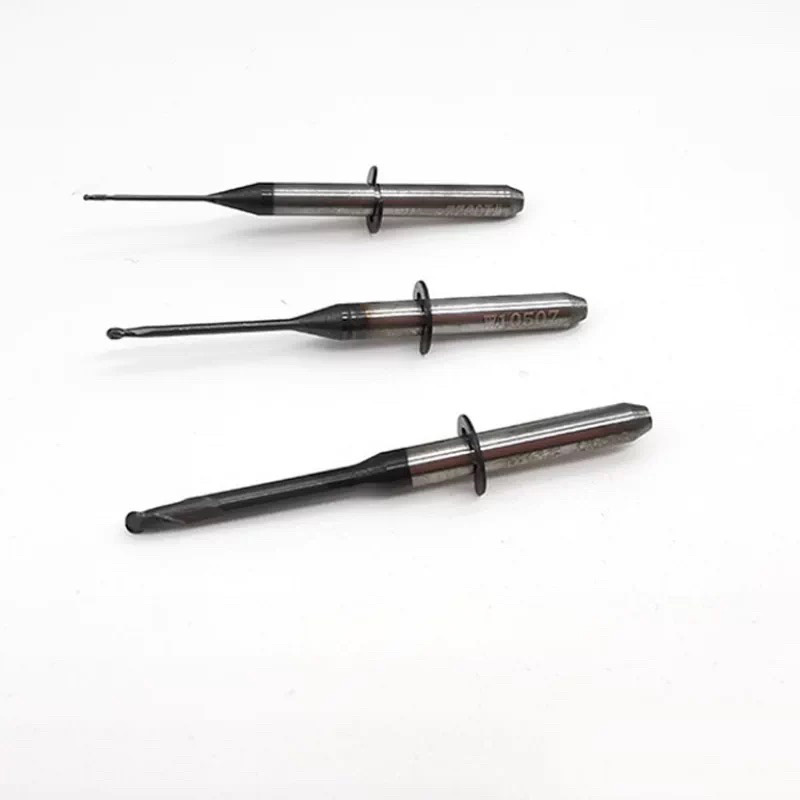
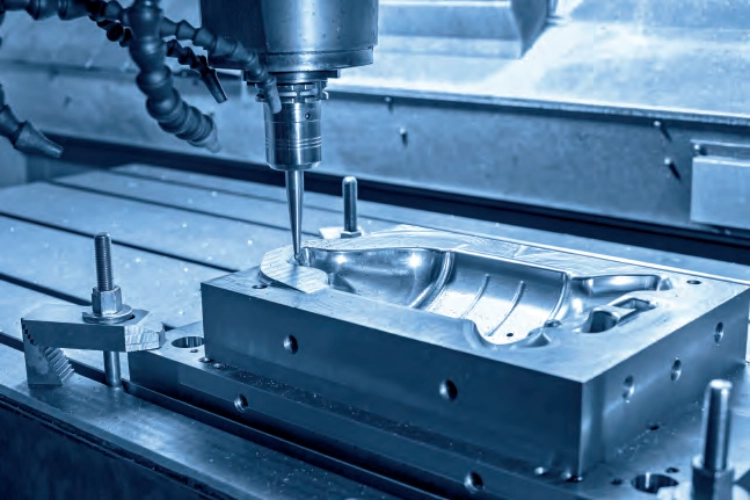
In the realm of precision milling, the ball end mill is the primary tool for 3D contouring, mold cavity finishing, and intricate profiling. However, when machining abrasive materials such as graphite electrodes, Carbon Fiber Reinforced Polymers (CFRP), or ceramic-filled resins, traditional tungsten carbide tools reveal a fatal physical flaw: R-Profile Deformation.
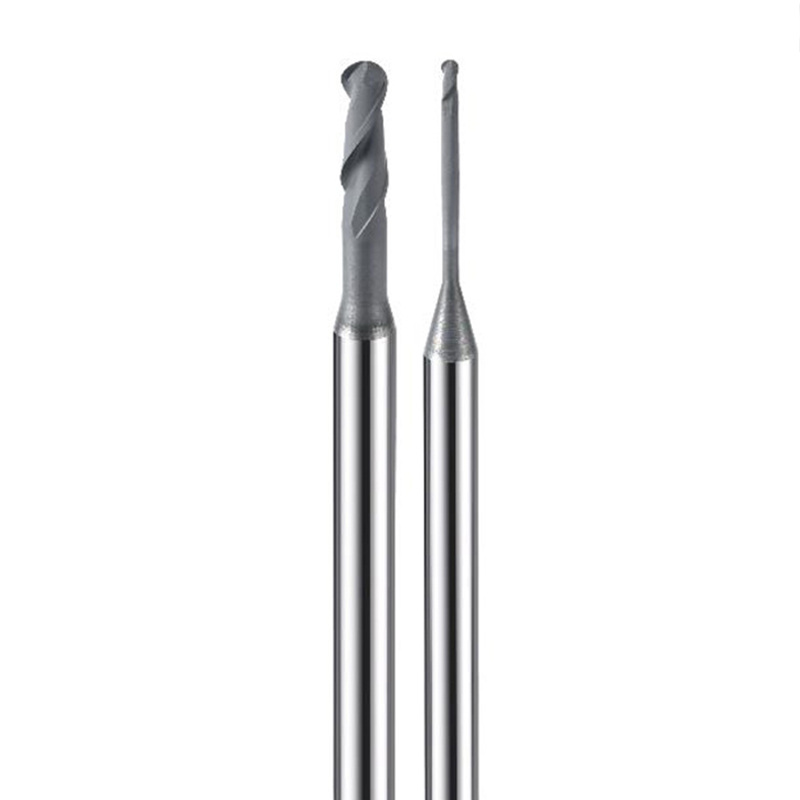
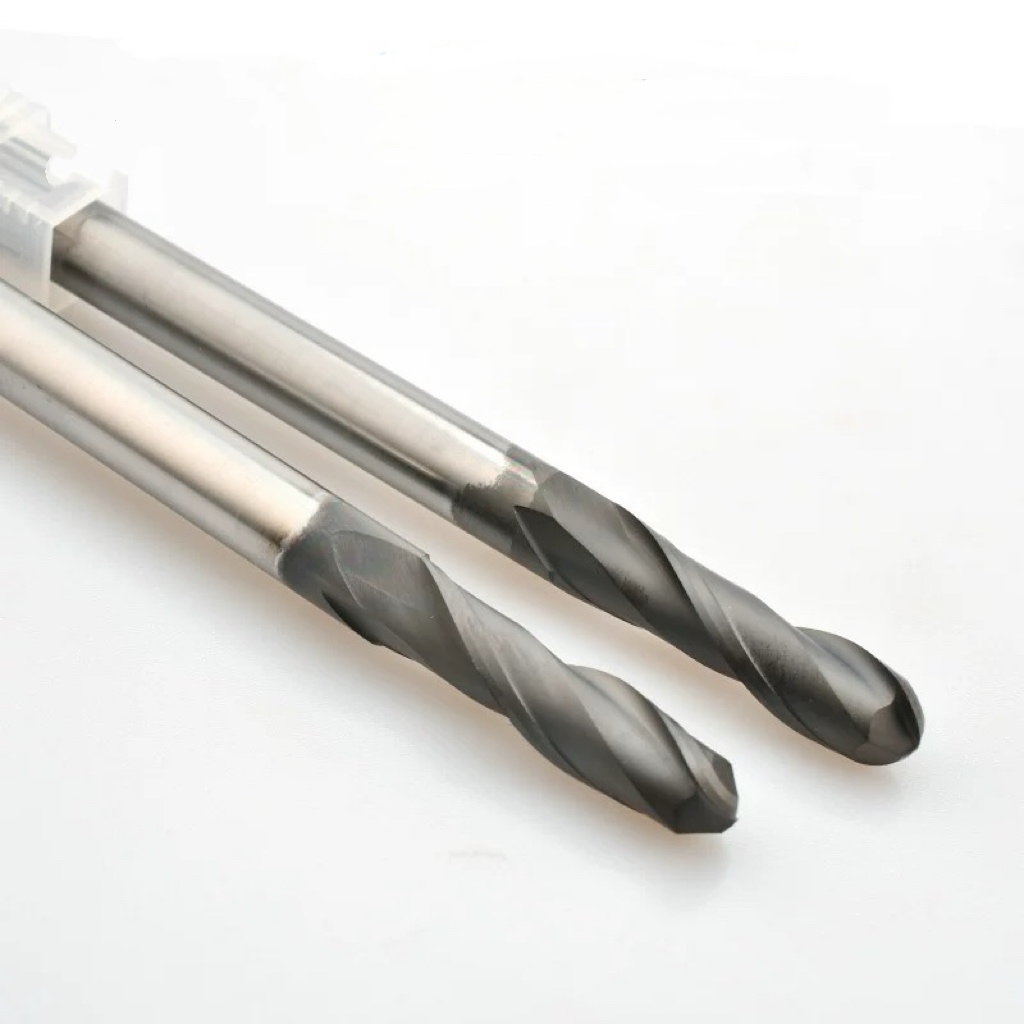
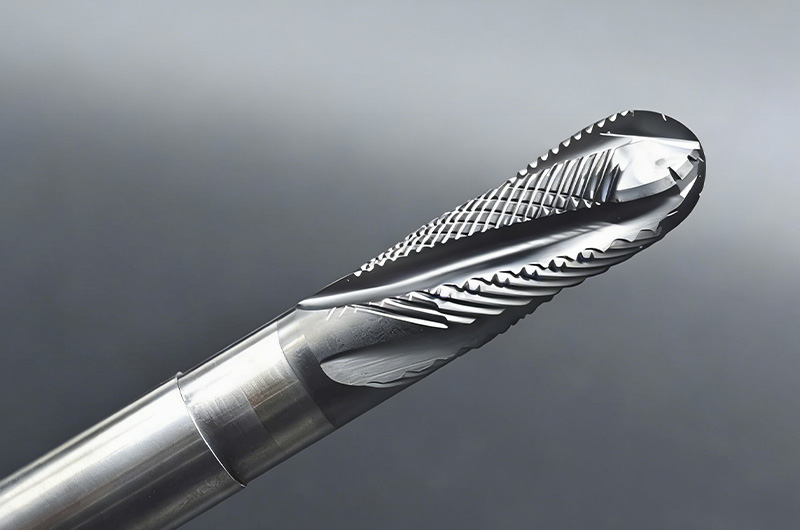
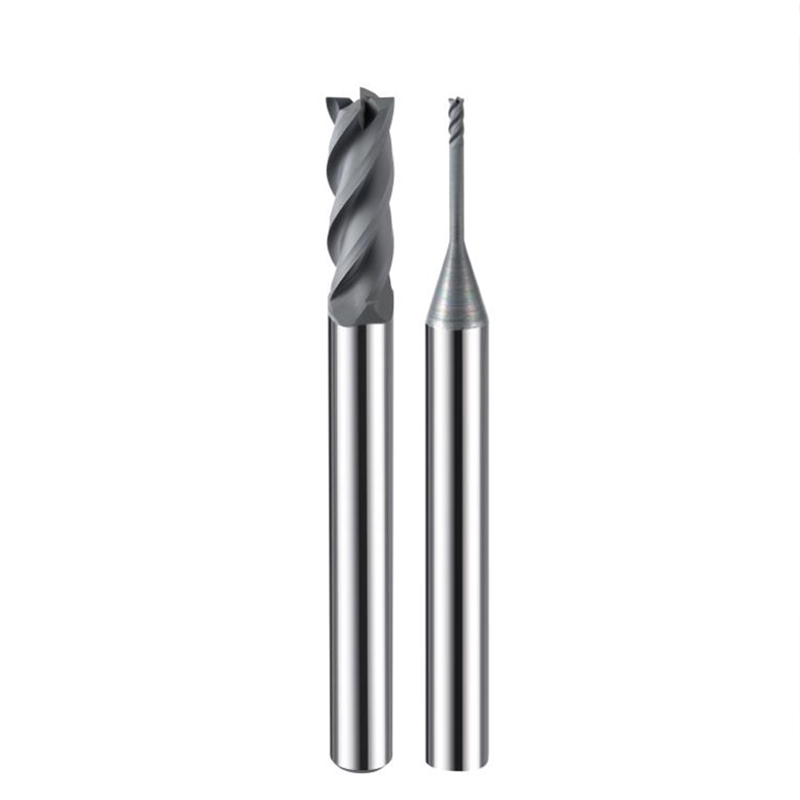
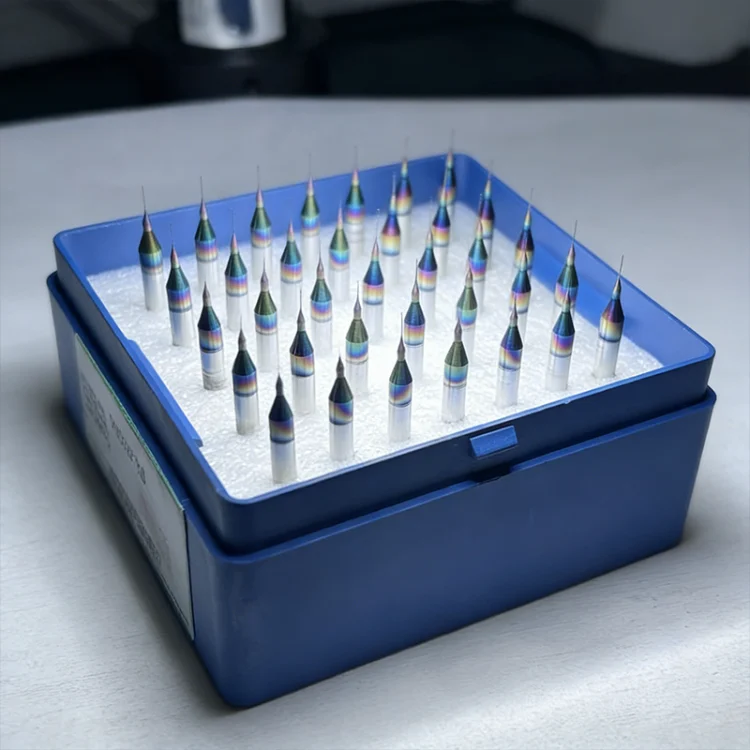
Tiansheng Hengzuan (TSHZ) has engineered the CVD Diamond Coated Ball End Mill to eliminate dimensional drift. By encasing a precision-ground substrate in a HV10,000 atomic-level diamond layer, we ensure that your most complex geometries remain perfect from the first part to the last.
1. Core Pain Points: The Failure of Standard Tools in Abrasive Machining
A. R-Profile Loss and the “Zero Linear Speed” Effect
Physically, the cutting speed at the very apex (the center) of a ball end mill approaches zero. This means the tip is effectively “rubbing” rather than “cutting” the material.
The Result: Standard carbide is rapidly abraded by graphite. Once the R-profile collapses, the resulting surface exhibits visible “step marks” and dimensional errors, often leading to the scrapping of expensive mold cavities.
B. Delamination and Fraying in CFRP
In CFRP machining, cleanly shearing the fibers is essential to maintain structural integrity.
Quality Crisis: A dull ball end mill shifts from “shearing” to “plowing,” creating excessive mechanical stress that causes fiber delamination and burrs that are nearly impossible to repair.
C. Thermal Damage and Surface Roughness
As conventional coatings flake off, friction spikes at the tool-workpiece interface. The resulting heat often leaves burn marks or micro-cracks on the surface, making it impossible to achieve the mirror-like finish required for high-end molds.
2. The TSHZ Advantage: Engineering the Competitive Edge
A. HV10,000 Hardness: Locking Geometric Accuracy
The value of a ball end mill lies entirely in its radial arc. Our CVD Diamond coating is more than 5 times harder than standard tungsten carbide.
Longevity Benchmark: When machining highly abrasive graphite, TSHZ ball mills maintain stable dimensional accuracy for 50-80 hours, whereas standard tools typically fail within 2-4 hours.
Operational Gain: This allows for dozens of hours of unattended precision finishing without the need for tool changes or recalibration, ensuring perfect continuity across the entire surface.
B. Superior Self-Lubrication: Friction Coefficient < 0.1
The chip evacuation space at the center of a ball mill is extremely narrow, often leading to “dry-grinding” and heat buildup.
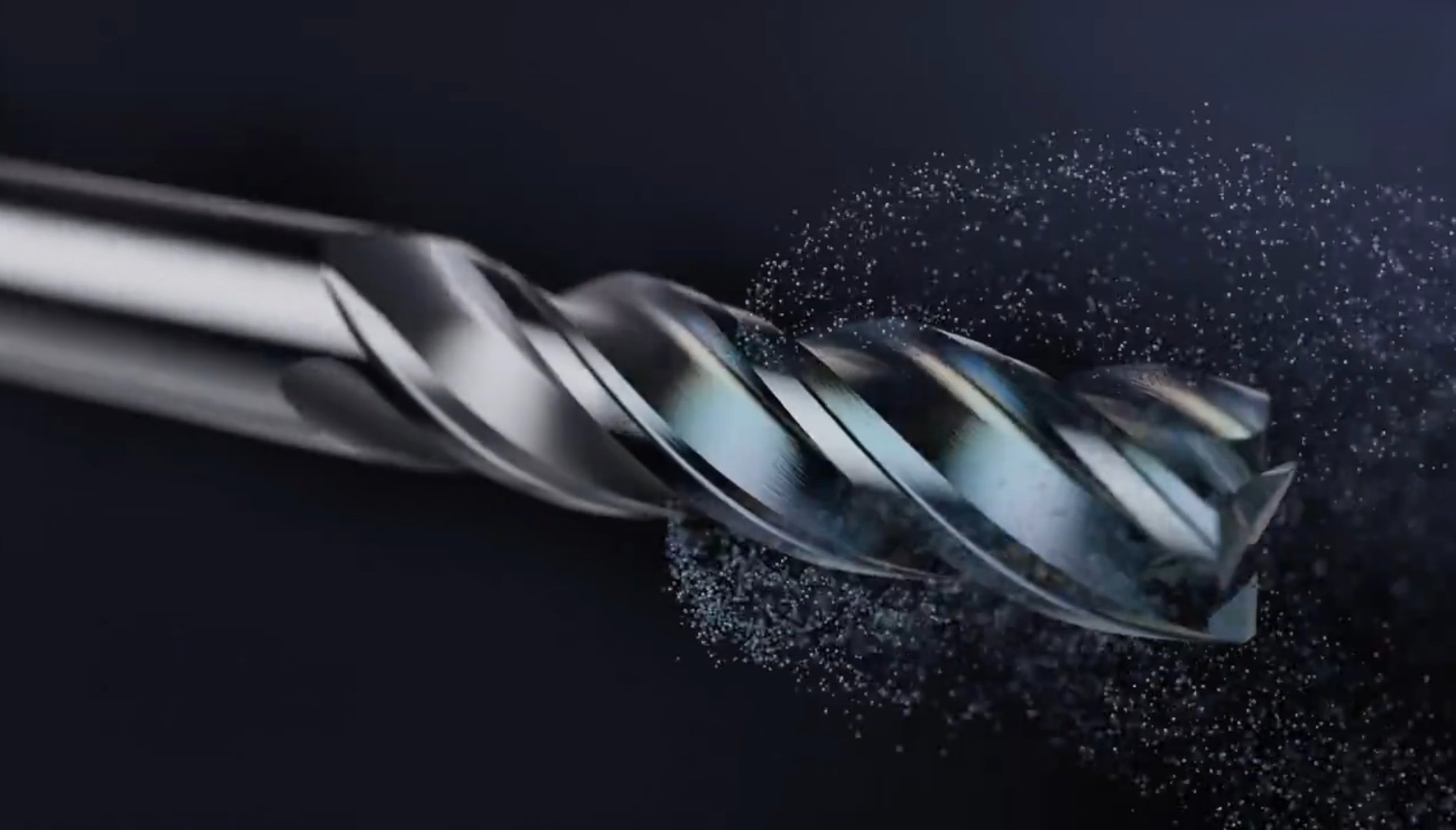
Seamless Evacuation: Diamond’s natural low-friction properties ensure that graphite dust or composite particles slide off the cutting edge instantly, maintaining a cool cutting environment.
Anti-Adhesion: When machining high-silicon aluminum, the diamond layer prevents aluminum atoms from “welding” to the tip, keeping the tool sharp and effective.
C. Atomic Bonding for Complex 3D Stress
During 5-axis or 3+2 axis machining, the direction of force on a ball mill is constantly shifting. TSHZ utilizes a proprietary substrate pre-treatment to achieve a powerful “anchor” between the coating and the core.
Reliability: This ensures that the uniform $10-15\mu m$ coating remains intact without peeling or micro-chipping, even under the dynamic impacts of 3D contouring.
3. Key Industry Application Scenarios
Precision Graphite Molds: Specifically designed for smartphone glass hot-bending molds and 3D glass cover processing, achieving nano-level surface finishes.
Aerospace CFRP Components: Ideal for finishing complex surfaces on wing and fuselage parts, ensuring clean edges without delamination.
Medical Dental Milling: Used for high-precision milling of Zirconia crown occlusal surfaces, delivering unmatched anatomical accuracy.
4. Expert Machining Parameters (Optimized for Graphite/CFRP)
To maximize the life of the R-profile, Tiansheng Hengzuan (TSHZ) recommends the following parameters:
| Spec (Dmm) |
Recommended RPM |
Feed Rate (mm/min) |
Stepover (Aemm) |
Depth of Cut (Apmm) |
| R0.5 (φ1.0) |
35,000 – 45,000 |
800 – 1,200 |
0.05 – 0.12 |
0.05 – 0.10 |
| R1.0(φ2.0) |
25,000 – 35,000 |
1,500 – 2,500 |
0.10 – 0.25 |
0.10 – 0.20 |
| R3.0(φ6.0) |
12,000 – 18,000 |
2,000 – 3,500 |
0.30 – 0.60 |
|