< img height="1" width="1" style="display:none" src="https://www.facebook.com/tr?id=26825290190466607&ev=PageView&noscript=1" />

Nullam dignissim, ante scelerisque the is euismod fermentum odio sem semper the is erat, a feugiat leo urna eget eros. Duis Aenean a imperdiet risus.

CVD-diamond-thick-film

CVD Diamond thick film

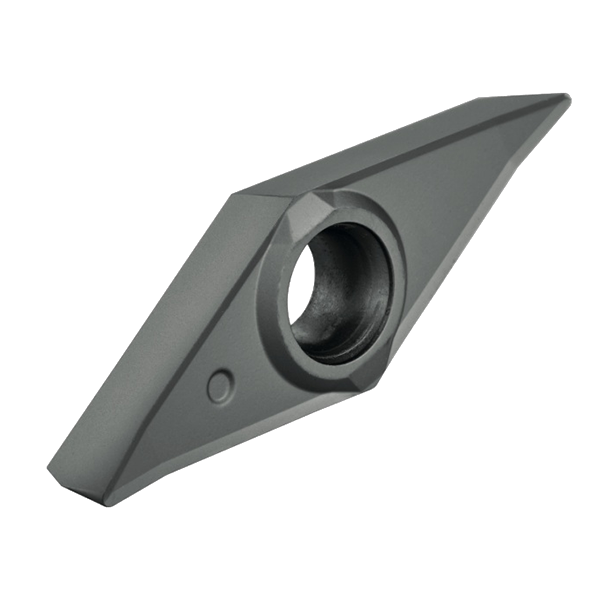
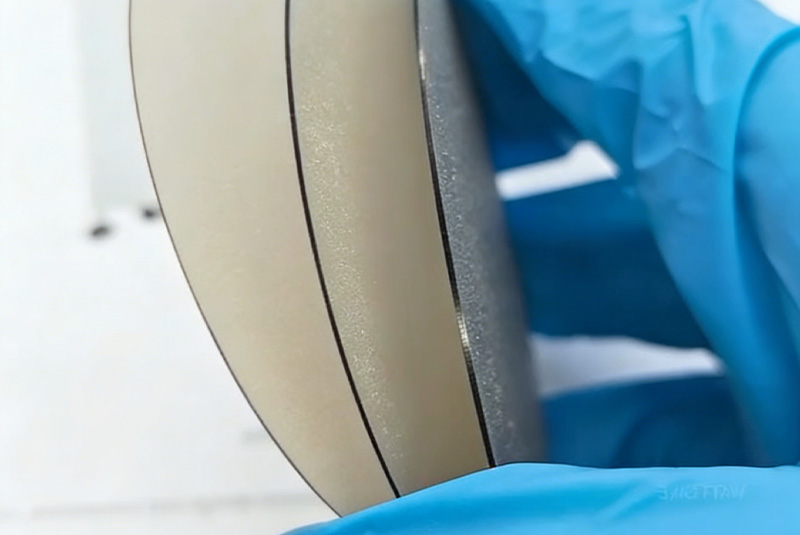
Our CVD diamond thick films are synthesized using industry-leading MPCVD technology, with thicknesses ranging from 0.3to 3.0. By precisely controlling crystal growth orientation, our thick films achieve large-area, highly uniform industrial mass production while retaining the intrinsic properties of natural diamond. They are the premier choice for cutting tools and thermal management (Heat Sinks) under extreme operating conditions.
  • Optical cutting-edge technology: High-energy windows across the full spectrum
  • Thermal management: Solving the "thermal barrier" in electronics
  • Microwave and High Power Electronics

Overcoming the “Thermal Barrier”: Technical Evolution of CVD Self-Standing Diamond Thick Films in Semiconductor Thermal Management

As semiconductor devices evolve toward higher frequencies, higher voltages, and extreme miniaturization, power densities in modern chips often exceed 1000 W/cm2. At this level, traditional heat-sinking materials like Copper (Cu), Aluminum Nitride (AlN), or Beryllium Oxide (BeO) reach their physical limits. Tiansheng Hengzuan (TSHZ) delivers CVD Self-standing Diamond Thick Films, providing the ultimate heat-spreading solution for GaN-on-Diamond RF modules and high-power laser diodes.

1. Why Diamond is the Apex of Thermal Management

In solid-state physics, thermal conductivity is driven by the movement of either electrons or phonons. Diamond, a covalently bonded crystal, conducts heat through lattice vibrations (phonons), resulting in the highest room-temperature thermal conductivity of any known material.

Comparative Thermal Metrics

Material Thermal Conductivity (W/m⋅K) Coeff. of Thermal Expansion (10−6/K) Dielectric Constant
CVD Diamond (TSHZ) 1200 – 2000 1.1 5.7
Pure Copper (Cu) 398 17.0 –
Aluminum Nitride (AlN) 170 – 230 4.5 8.5
Beryllium Oxide (BeO) 250 7.6 6.7

2. Core Mechanics: The Heat Spreading Logic of Thick Films

A. Lateral Heat Spreading Effect

In high-power semiconductor devices, heat is typically concentrated in microscopic “Hot Spots.”

The Logic: A diamond heat sink acts as a superior “heat spreader.” Its extreme thermal conductivity allows heat to diffuse laterally at near-instantaneous speeds. This rapid dispersion significantly lowers the peak junction temperature, effectively doubling or tripling device lifespan or allowing for a 20%+ increase in power output at the same operating temperature.

B. CTE Synchronization for Reliability

The Coefficient of Thermal Expansion (CTE) of diamond (approx. 1.1 ×10⁻⁶/K) is closely matched with advanced semiconductor materials like Gallium Nitride (GaN) and Silicon Carbide (SiC).

The Benefit: During rapid thermal cycling, this synchronization minimizes thermo-mechanical stress between the chip and the substrate. This prevents solder joint fatigue, delamination, or chip cracking—critical for aerospace and defense applications.

3. The TSHZ Manufacturing Edge: Surface Engineering

A. Nano-Polishing for Minimal ITR

The efficiency of a heat sink is dictated not just by its bulk conductivity, but by its Interface Thermal Resistance (ITR).

The Solution: TSHZ utilizes Chemical Mechanical Polishing (CMP) to reduce the surface roughness of the diamond film to Ra < 5nm. This extreme flatness ensures nearly 100% contact area between the chip and the diamond, minimizing thermal impedance.

B. Customized Metallization Solutions

To facilitate seamless chip bonding, we provide high-precision metallization layers (e.g., Ti/Pt/Au or Cr/Sn) customized to your specifications.

The Process: Atomic-level Physical Vapor Deposition (PVD) ensures superior adhesion between the metal layer and the diamond surface, supporting eutectic bonding and high-reliability soldering processes.

4. Key Application Scenarios

GaN RF Power Amplifiers: Resolving instantaneous heat surges in 5G/6G base stations and radar systems.

High-Power Semiconductor Lasers (LD): Stabilizing output wavelengths and preventing “redshift” in medical and industrial laser systems.

High-Power LEDs & Power Electronics (IGBT): Enhancing thermal stability in high-voltage environments, allowing for significantly smaller cooling modules in New Energy Vehicles (NEV).

5. Conclusion: Enabling Next-Generation Power Densities

The competition in modern electronics is a battle against heat. Tiansheng Hengzuan (TSHZ) diamond heat sinks represent the final piece of the thermal puzzle. By bypassing the “Thermal Barrier,” we enable our clients to push their hardware to higher power levels with absolute reliability.

PRODUCTS

PRODUCTS

View More
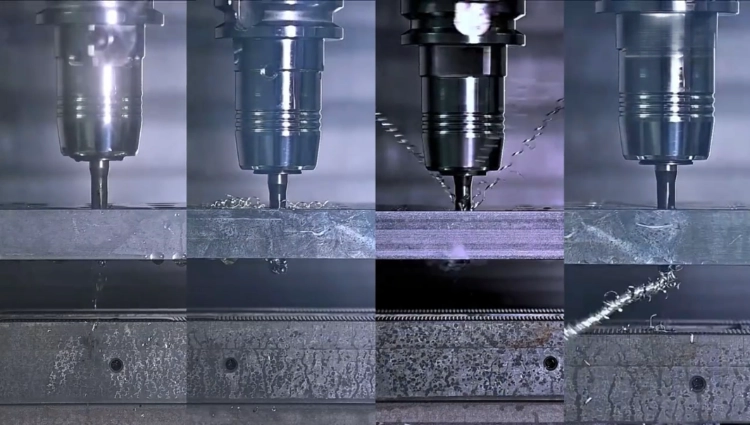
PCB drilling bit

PCB diamond drill bit

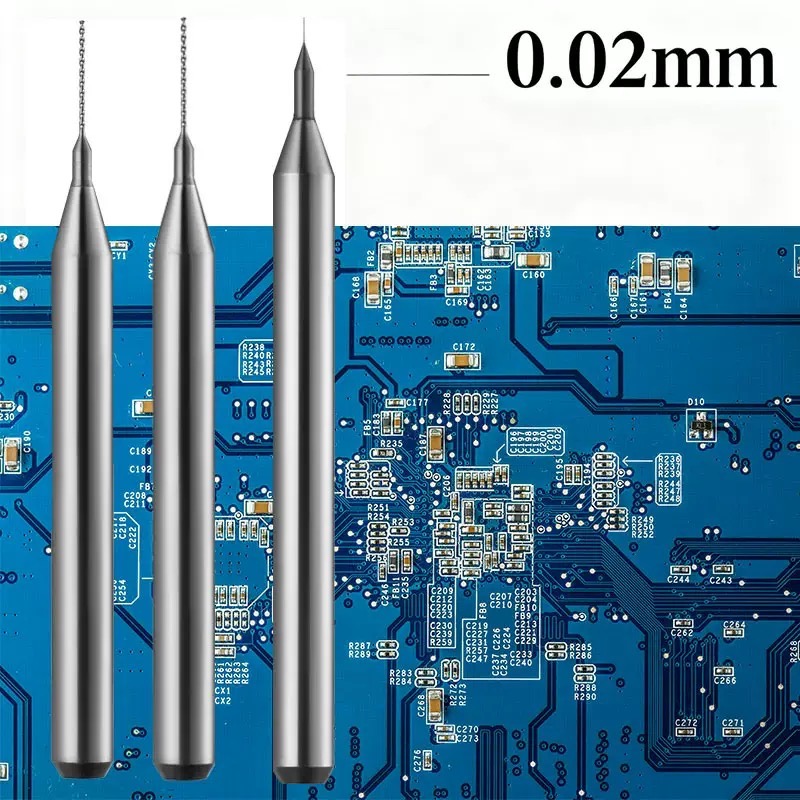
PCB drill bits with excellent chip removal and hole roughness capabilities, long service life, suitable for drilling general multilayer and HDI boards, FR-4, CEM-1 boards, and eco-friendly boards. Diameter range: 0.1–3.175 mm,For the latest PCB boards, diamond-coated drills achieve over 3,000 holes per bit.
Learn More
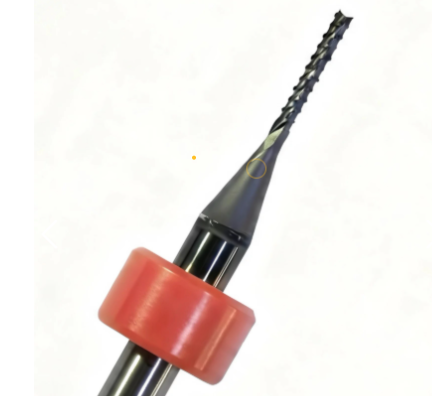
Diamond-coated PCB tool

PCB Diamond-Coated Milling Cutters

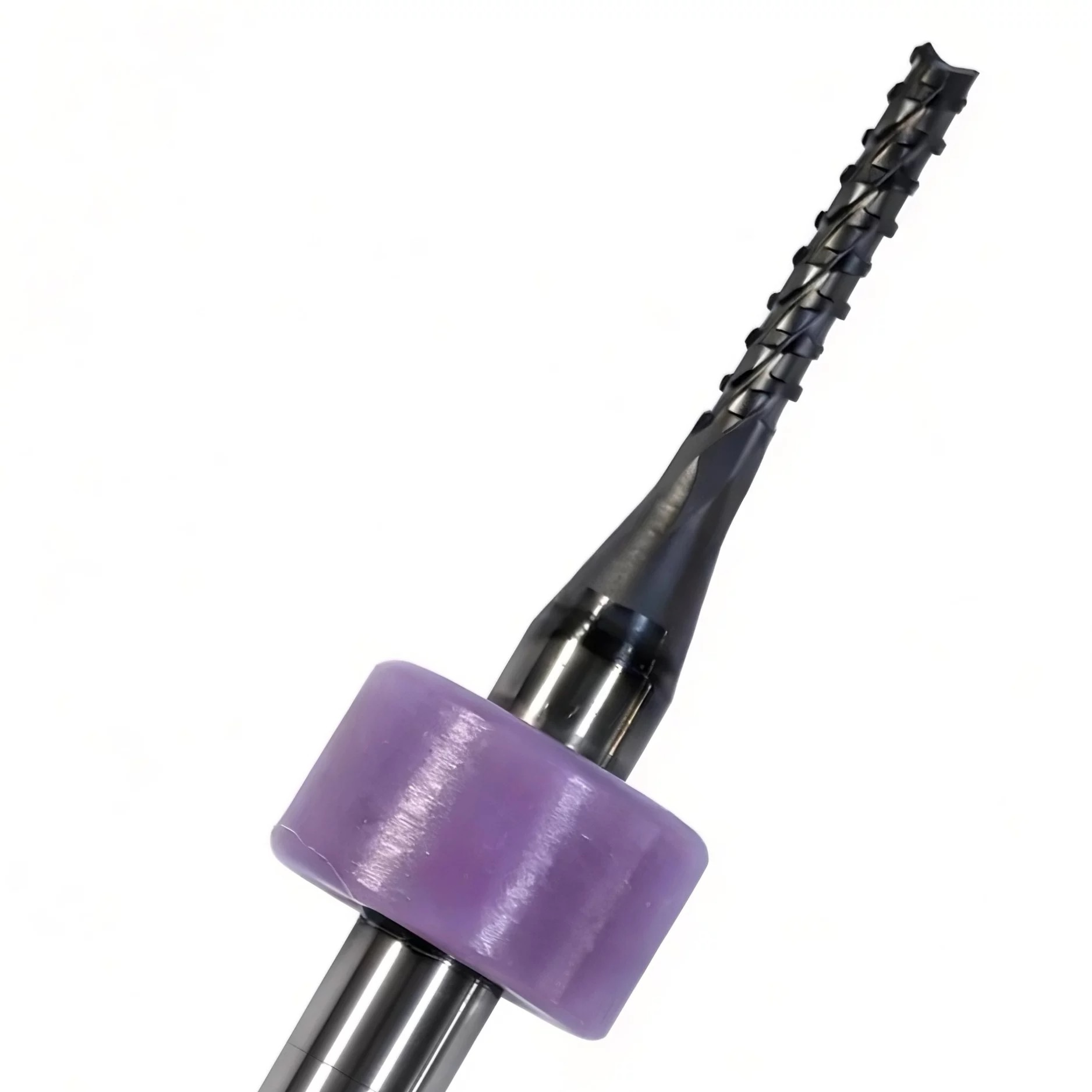
PCB diamond-coated milling cutters, also known as PCB routing cutters, printed circuit board milling cutters, or engraving cutters, are primarily used for contour cutting, slotting, depth-controlled milling, V-grooving, half-hole machining, and gold finger chamfering of PCBs; they are the most commonly used carbide tools in post-PCB manufacturing processes.
Learn More
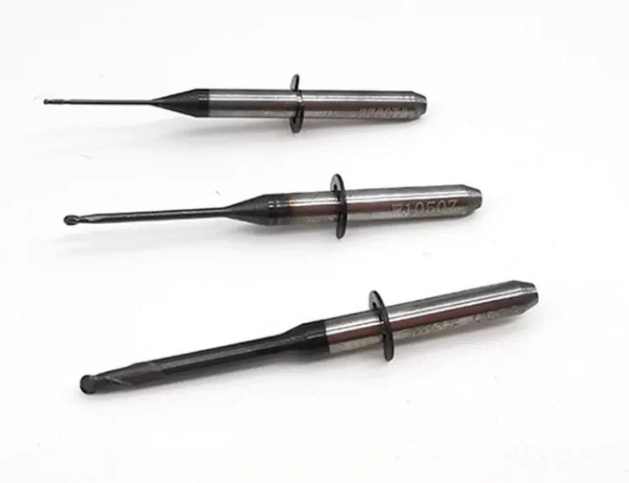
Dental-burs-1

CVD Diamond Dental burs

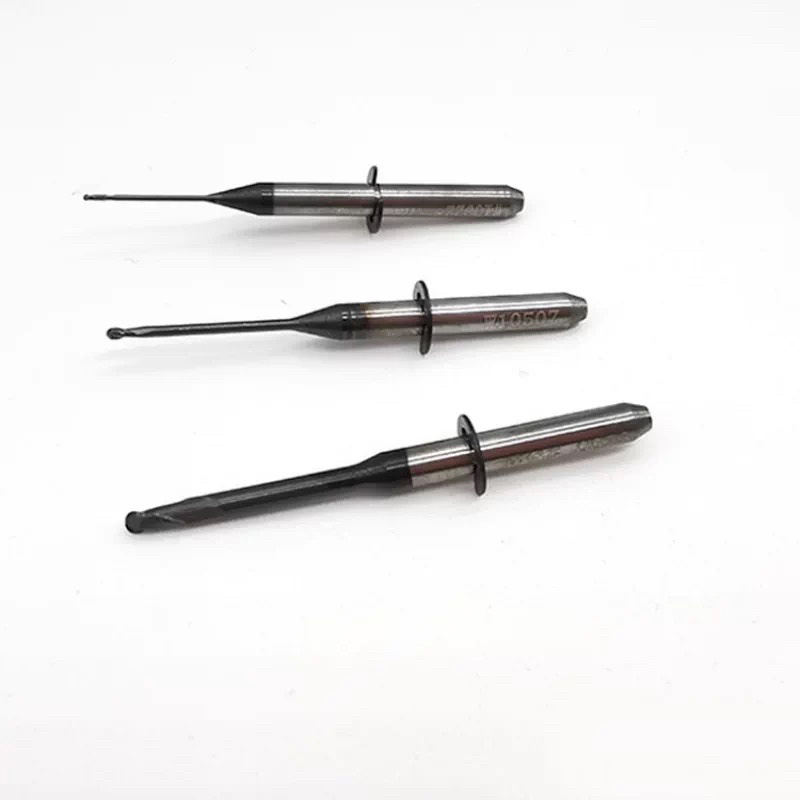
Micron-level precision cutting, balancing ultimate wear resistance with a gentle clinical experience,This series of dental burs features a high-purity integrated stainless steel/carbide substrate, coated with advanced CVD nano-diamond (or high-density natural diamond grit electroplating). Engineered for high-intensity clinical procedures such as tooth preparation, cavity access, decay removal, cosmetic restoration (veneer prep), and crown/bridge cutting. The ultra-hard, uniformly distributed diamond coating delivers aggressive cutting efficiency while minimizing frictional heat to protect the dental pulp, making it the premium choice for modern digital dentistry.
Learn More
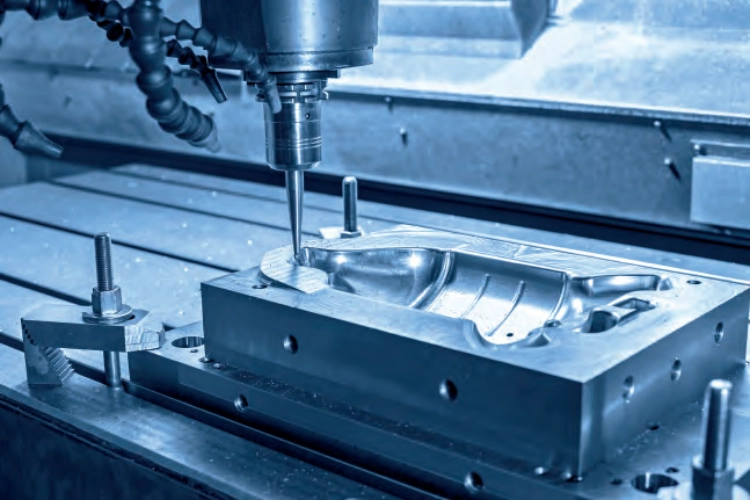
Flat-bottom-cylindrical-end-mill-1

Diamond coating Flat-bottom cylindrical end mill

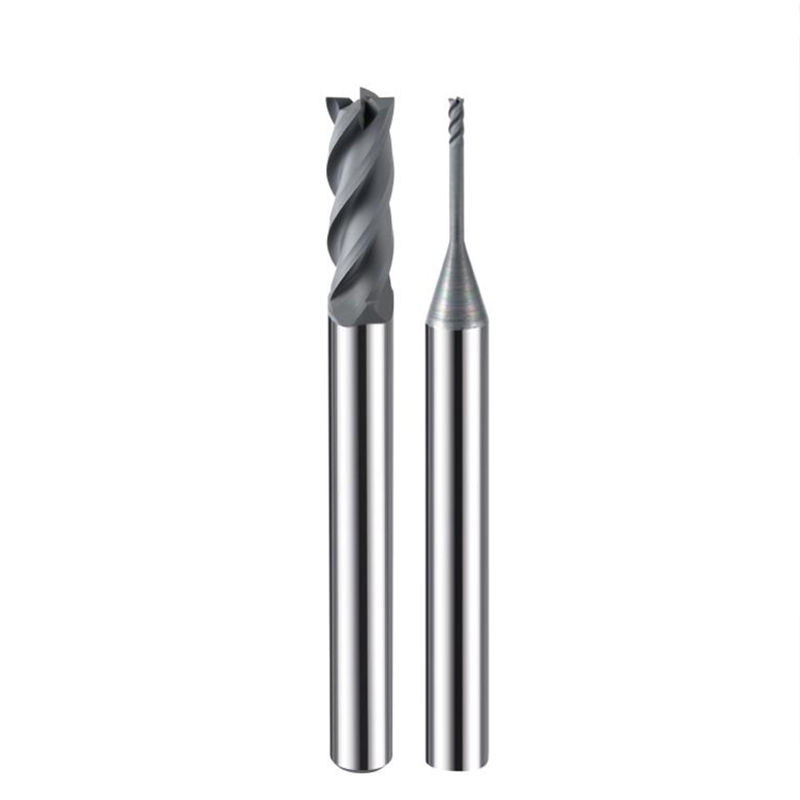
Standard 2-flute/4-flute design with sharp cutting edges and large chip clearance space, suitable for efficient roughing and semi-finishing of graphite electrodes.
Learn More
Our Blog

Blog

View More

11/ November

Nail-Head Defects in HDI Drilling: A Practical Fault-Isolation Guide

HDI drill nail-head defects can hide beneath a normal board surface. Preserve the panel, inspect cross-sections and isolate stack and tool causes.
Learn More
Nail-Head Defects in HDI Drilling A Practical Fault-Isolation Guide

4/ November

How to Troubleshoot Burrs When Routing FR-4 PCB Profiles

FR-4 routing burrs may be copper, glass fiber or chipped laminate. Photograph the defect, inspect tooling and support, then change one variable at a time.
Learn More
How to Troubleshoot Burrs When Routing FR-4 PCB Profiles

28/ October

When to Replace Zirconia Milling Burs Before Margins Chip

Zirconia margins chip before bur life is clear? Inspect cutting edges, rule out machine setup issues and set replacement limits using repeatable job checks.
Learn More
When to Replace Zirconia Milling Burs Before Margins Chip

22/ October

How to Choose Diamond Coated Tools for CFRP Machining Without Delamination

CFRP delamination raises machining costs. Select diamond-coated tools by edge geometry, cutting parameters, tool life, dust control, and laminate structure.
Learn More
How to Choose Diamond Coated Tools for CFRP Machining Without Delamination
Get Standed
Is your tooling keeping up with the "Difficult-to-Machine" era?

Leave A Message

Graphite, Ceramics, and Carbon Fiber are the future, but they are “tool killers.” If you’re still using traditional coating, you’re fighting a losing battle.
Our CVD (Chemical Vapor Deposition) Diamond Coating creates a real crystalline diamond layer on the carbide substrate. This isn’t just a “finish”—it’s a shield.

Why top distributors choose our CVD series:
1.Ultra-Low Friction: Prevents chip welding and heat buildup.
2.Extreme Abrasion Resistance: Maintains sharp cutting edges $20 \times$ longer.
3.Surface Finish: Mirror-like results on the workpiece, zero secondary polishing needed.

    Your Name*

    Email

    Tel

    WhatsApp*

    Message

    Products
    Contacts
    WhatsApp
    Email