Nullam dignissim, ante scelerisque the is euismod fermentum odio sem semper the is erat, a feugiat leo urna eget eros. Duis Aenean a imperdiet risus.
Nullam dignissim, ante scelerisque the is euismod fermentum odio sem semper the is erat, a feugiat leo urna eget eros. Duis Aenean a imperdiet risus.
 author
Choosing cvd coating for carbide tools is not just a coating-name decision. Most buyers compare PVD and CVD because a tool is wearing too fast, the part surface is drifting, or abrasive materials are making ordinary coated carbide unstable. The right choice depends on workpiece material, edge geometry, cutting heat, tool life, and cost per part.
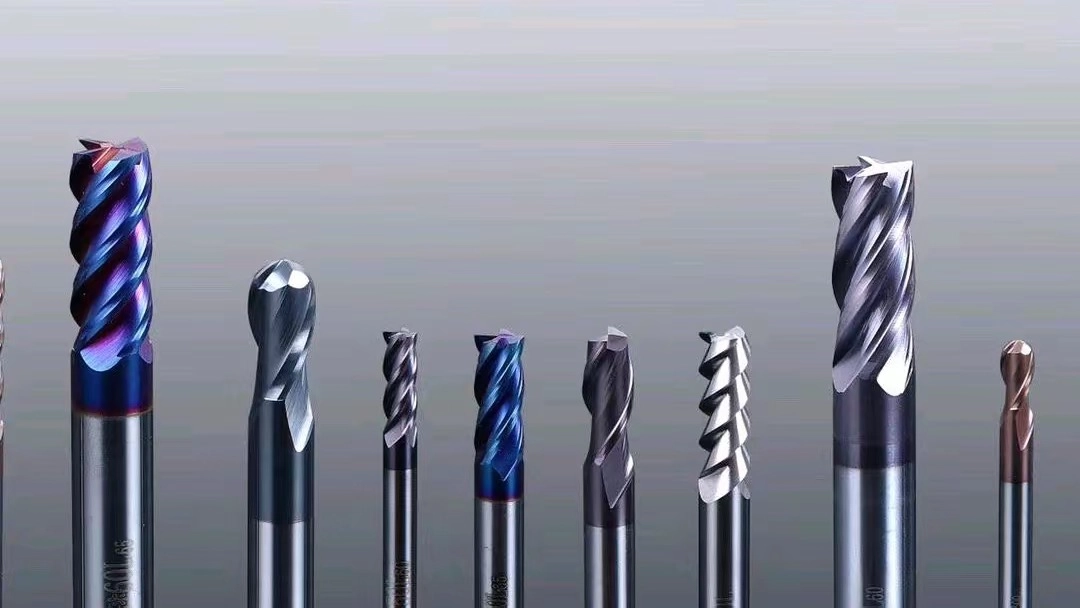
TSHZ focuses on CVD diamond coated cutting tools for graphite, PCB materials, CFRP, high-silicon aluminum, ceramics, and other abrasive machining conditions. For buyers comparing coating options, the most relevant TSHZ products are Diamond coating Flat-bottom cylindrical end mill, Diamond coating Round Nose End Mill, and Diamond-coated cutting inserts.

PVD and CVD both improve carbide tool surfaces, but they are built through different processes. That difference affects coating thickness, bonding behavior, heat control, and the type of cutting job each coating can handle.
PVD, or physical vapor deposition, deposits coating material onto the tool surface through a physical process. It is often used when a thin coating and a sharp cutting edge are needed. For many general cutting jobs, especially where the material is not highly abrasive, PVD can be practical.
The limitation appears in graphite dust, reinforced composites, ceramic-filled materials, and high-silicon aluminum. These materials do not only dull the tool edge. They grind against the cutting surface, increase friction, and can turn a small wear mark into unstable dimensions.
CVD coating is formed through chemical vapor deposition. In CVD diamond tools, carbon atoms form a diamond layer on the carbide substrate after surface preparation. This makes it different from a simple surface film.
From a tool-engineering view, TSHZ technical materials describe CVD diamond coating with hardness around 9000–10000 HV, low friction around 0.05–0.1, high thermal conductivity around 2000 W/(m·K), and uniform controllable coating thickness of 1–30 μm. The substrate preparation also matters. TSHZ process information mentions precision cobalt removal controlled at 3–5 μm, helping reduce the risk of weak bonding between the diamond layer and carbide substrate.
PVD is not automatically weak, and CVD is not needed for every material. If the job involves steel or other iron-based materials, diamond coating is usually not the first route because diamond and iron are not a good match under high cutting heat.
For abrasive non-ferrous substrates, graphite electrodes, PCB laminates, CFRP components, and ceramics, the CVD diamond route usually has a stronger technical reason. The question should not be “Which coating sounds stronger?” It should be “Which coating matches the failure mode?”
CVD becomes more valuable when wear is the main cause of unstable production. If the edge fails early, the factory loses time in tool changes, offset correction, inspection, and rejected parts. In that situation, cvd coating becomes part of process control, not just a product feature.
Graphite, fiber-reinforced composites, PCB boards, ceramics, and high-silicon aluminum can attack carbide tools through abrasive wear. The tool may still look usable, but the cutting diameter, corner condition, or edge sharpness has already changed.
For this reason, CVD coating for carbide tools is often selected where edge stability is more valuable than the lowest tool price. A more stable edge helps keep dimensions, surface condition, and machining rhythm under control.
Low friction affects chip flow, cutting heat, and material sticking. In aluminum and graphite machining, a worn or rough cutting surface often causes rubbing instead of clean cutting. That rubbing increases heat and may leave poor surface marks.
A CVD diamond surface helps reduce friction in suitable materials. This is especially useful in high abrasion material machining, where heat and wear usually appear together.
Carbide tools are not simple flat shapes. End mills have flutes, corners, rake faces, and cutting edges. Inserts have cutting faces, edge lines, and sometimes chip-control geometry. If the coating is uneven or poorly bonded, failure often starts at the weakest edge.
For buyers, coating uniformity and interfacial adhesion should be checked together. Hardness alone is not enough.
For this topic, the product recommendation should stay close to real coating selection. These three TSHZ products naturally fit carbide tool buyers who are comparing PVD vs CVD coating.
Diamond coating Flat-bottom cylindrical end mill fits flat surface milling, slotting, shoulder milling, graphite electrode machining, high-silicon aluminum, and fiber-reinforced composite work. It is a direct example of a diamond coated carbide end mill used when ordinary coated tools wear too quickly.
Choose this type when flatness, slot stability, and long cutting consistency matter. It is especially relevant for mold shops and parts factories where small edge wear can affect the finished surface or final dimension.
Diamond coating Round Nose End Mill suits buyers who need better corner strength during cavity roughing, corner machining, graphite milling, composite machining, ceramic machining, or high-silicon aluminum work.
In many abrasive jobs, failure starts at the tool corner. A round nose design helps reduce corner stress while the diamond layer supports wear control. It is useful when the buyer wants a balance between material removal and chipping resistance.
Diamond-coated cutting inserts are suitable for batch machining of graphite, ceramics, non-ferrous metals, composite materials, and other abrasive workpieces. For procurement teams, inserts are easy to evaluate because their value is tied to edge life, dimensional stability, and replacement frequency.
They also show that CVD diamond coating is not only for end mills. In replaceable-edge machining, coated inserts can help control cost per part when the material itself is the main source of tool wear.
| TSHZ Product | Better Fit | Buyer Selection Logic |
| Diamond coating Flat-bottom cylindrical end mill | Flat milling, slotting, graphite, composites | Stable edge and flat-bottom cutting |
| Diamond coating Round Nose End Mill | Cavity roughing, corners, ceramics, composites | Corner strength and wear control |
| Diamond-coated cutting inserts | Batch machining, non-ferrous abrasive materials | Replaceable-edge cost control |

A coating decision should start from the actual failure mode. Is the flank wearing too fast? Is the corner chipping? Does the surface become rough after a certain cutting length? Is the machine stopping too often for tool changes? These answers guide the coating choice better than a general catalog comparison.
Use PVD logic for many general metal-cutting jobs. Use CVD diamond logic when the material is abrasive and compatible with diamond cutting. For graphite, composite materials, ceramics, PCB substrates, and high-silicon aluminum, cvd coating usually has a stronger reason.
For iron-based materials, check suitability carefully before choosing diamond coating.
Initial tool price is only one part of the cost. A cheaper tool can become expensive if it causes frequent tool changes, drifting dimensions, part rejection, or extra operator intervention.
A common procurement trap is judging CVD diamond coated carbide tools only by unit price. Low-grade diamond coating may fail because of weak interfacial adhesion. Once the diamond layer peels, the exposed carbide substrate can wear very quickly in graphite or composite milling. A better purchasing check is to ask how the supplier controls substrate preparation, cobalt removal, coating adhesion, and coating uniformity. These details affect total cost more than a small price difference on the purchase order.
Flat-bottom tools suit flat faces, slots, and shoulders. Round nose tools suit corners, cavities, and roughing where edge strength matters. Inserts suit repeat production where replacement speed and edge cost are part of the process.
This is the practical way to compare PVD vs CVD coating without turning the decision into a slogan.
Many buyers already know the basic difference between PVD and CVD. The harder task is matching coating, substrate, tool geometry, and workpiece material to one production target.
TSHZ can help buyers select tools based on material behavior and current tool failure. A graphite electrode shop, a composite component supplier, and a high-silicon aluminum parts factory should not receive the same recommendation.
Beyond standard products, TSHZ supports CVD diamond coated cutting tools and non-standard tool needs. This matters when buyers have special drawings, small diameters, difficult corners, or tool-life issues that cannot be solved only by changing speed and feed.
If a project involves abrasive materials, unstable tool life, edge chipping, coating peeling, or uncertainty between PVD and CVD, share the workpiece material, current tool type, cutting condition, and target surface result with TSHZ. For drawings, machining details, or product selection questions, use the TSHZ contact page.
Q: Is cvd coating always better than PVD coating for carbide tools?
A: No. It is better for many abrasive non-ferrous and non-metallic materials, but PVD can still fit many general metal-cutting applications. The workpiece material and tool failure mode should decide the coating.
Q: Which TSHZ tool fits graphite milling better?
A: For flat surfaces, slots, and shoulders, Diamond coating Flat-bottom cylindrical end mill is suitable. For cavities, corners, and roughing work, Diamond coating Round Nose End Mill may be more suitable.
Q: What should buyers check before purchasing CVD diamond coated carbide tools?
A: Check the workpiece material, tool geometry, coating adhesion, coating uniformity, substrate preparation, and actual cost per part. Unit price alone does not show whether the tool will be stable in production.
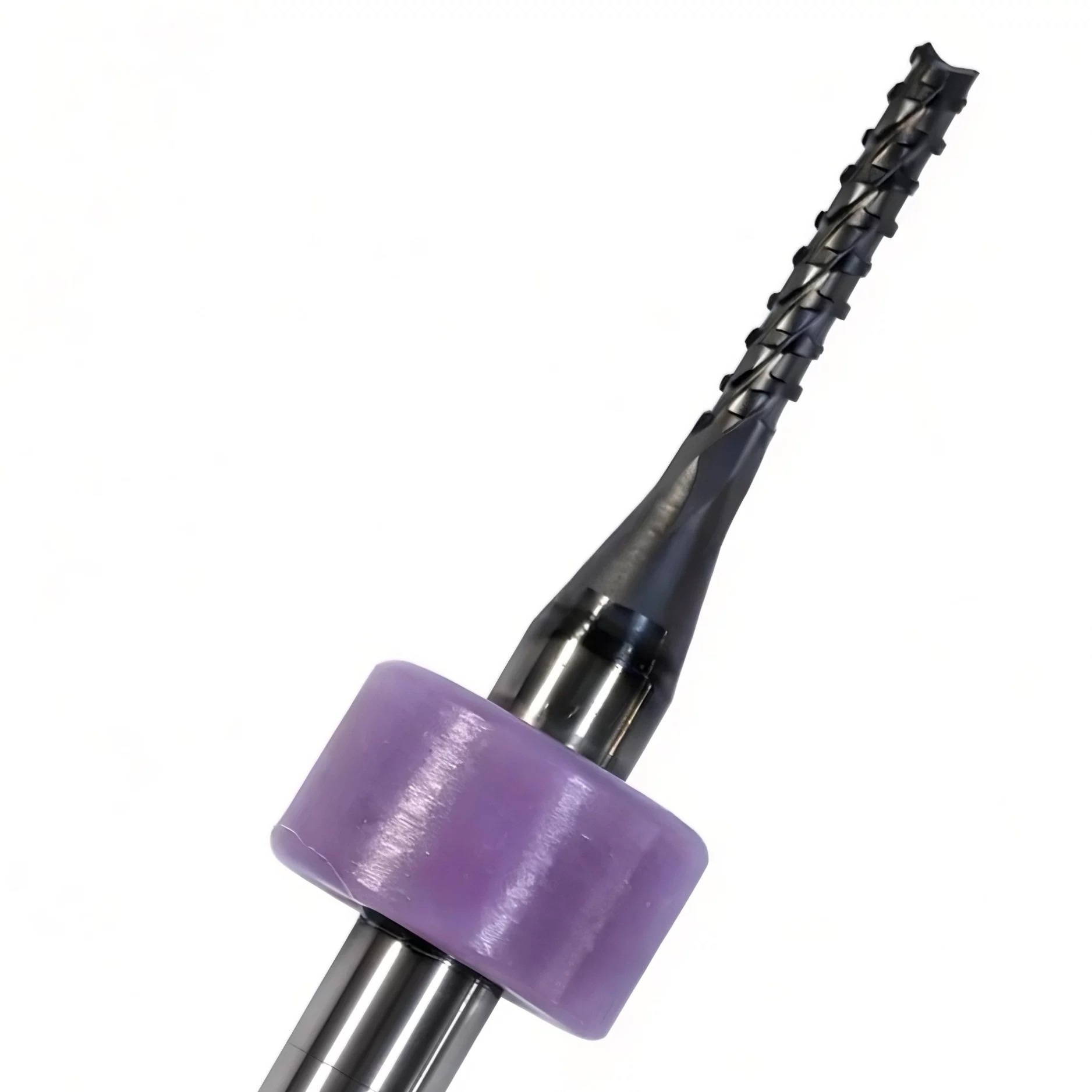
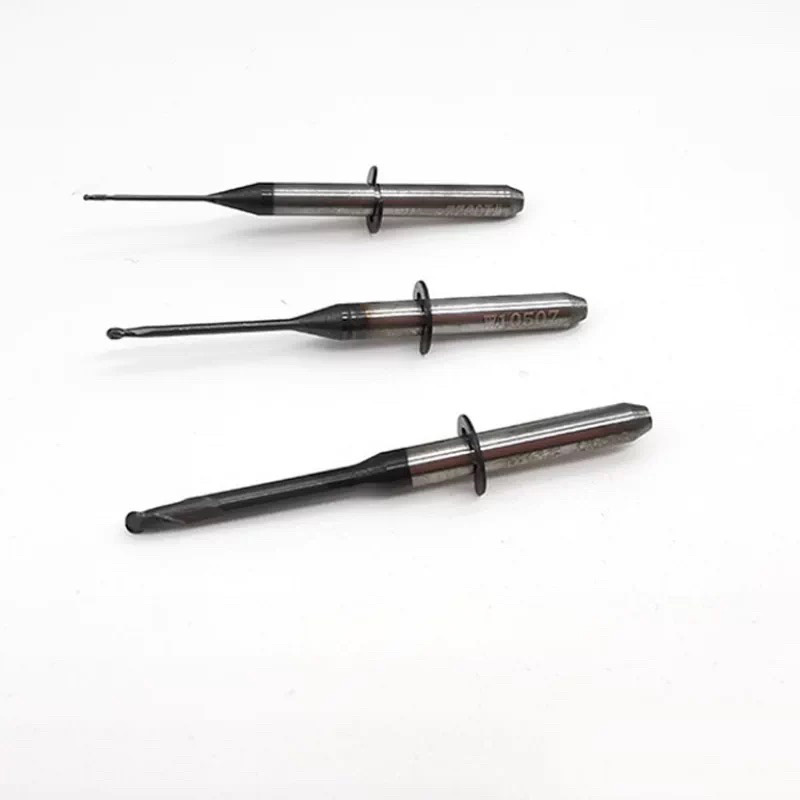
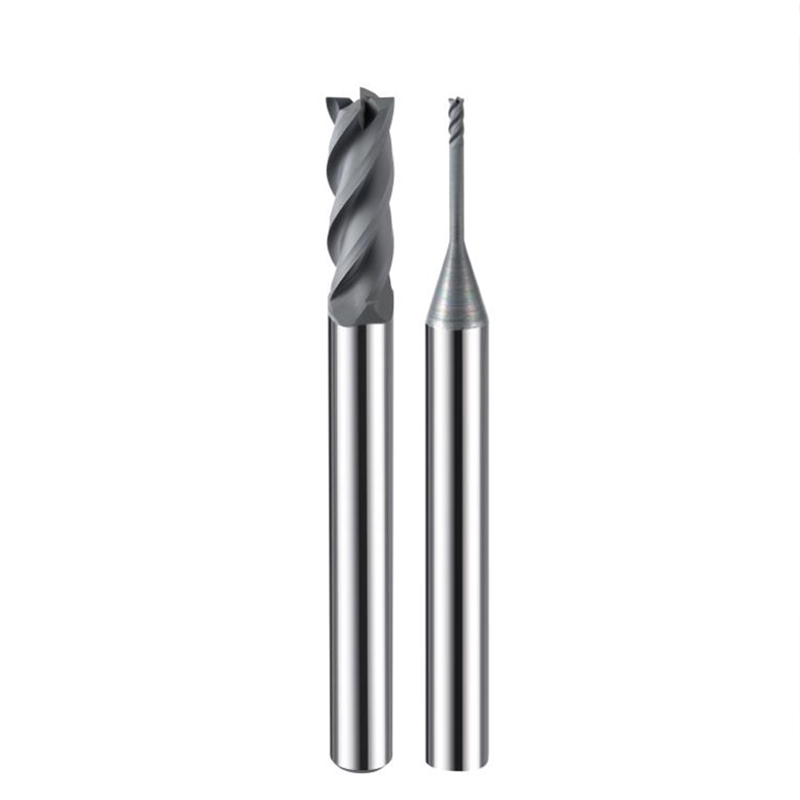
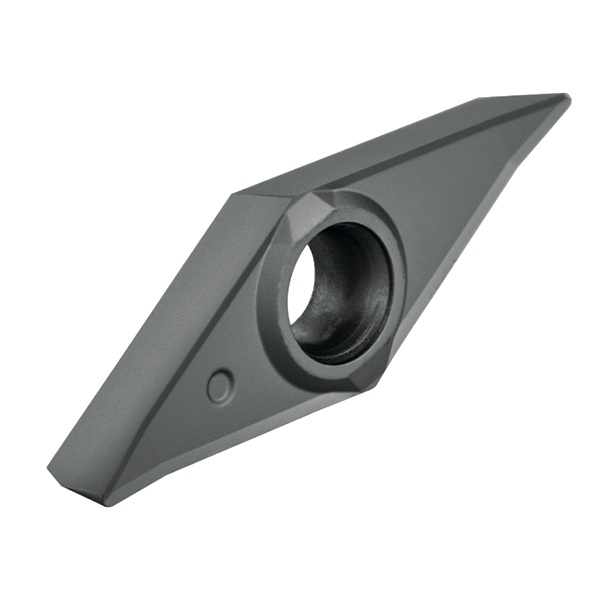
Graphite, Ceramics, and Carbon Fiber are the future, but they are “tool killers.” If you’re still using traditional coating, you’re fighting a losing battle.
Our CVD (Chemical Vapor Deposition) Diamond Coating creates a real crystalline diamond layer on the carbide substrate. This isn’t just a “finish”—it’s a shield.
Why top distributors choose our CVD series:
1.Ultra-Low Friction: Prevents chip welding and heat buildup.
2.Extreme Abrasion Resistance: Maintains sharp cutting edges $20 \times$ longer.
3.Surface Finish: Mirror-like results on the workpiece, zero secondary polishing needed.