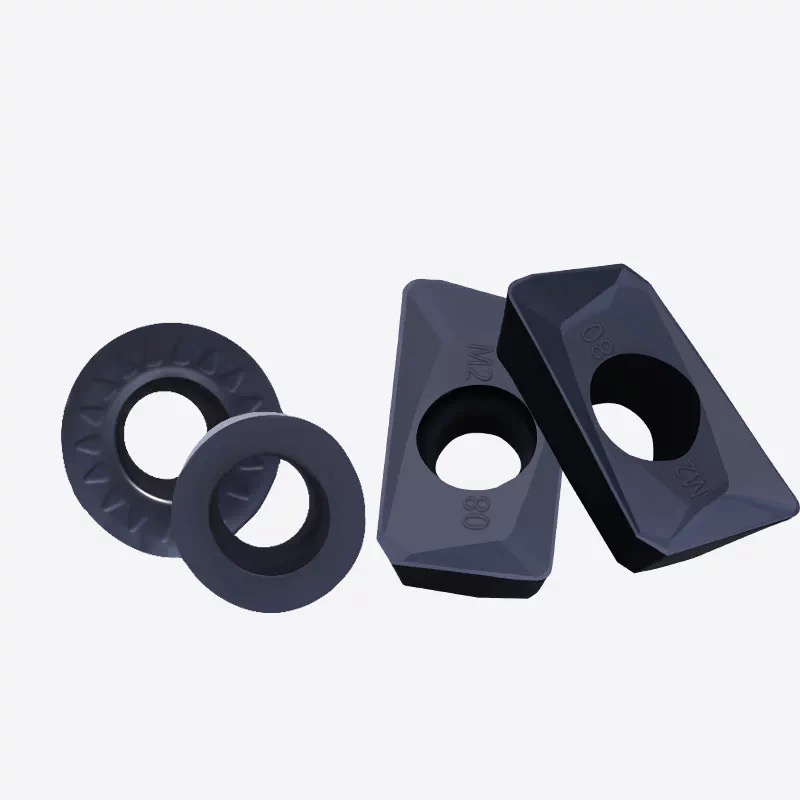
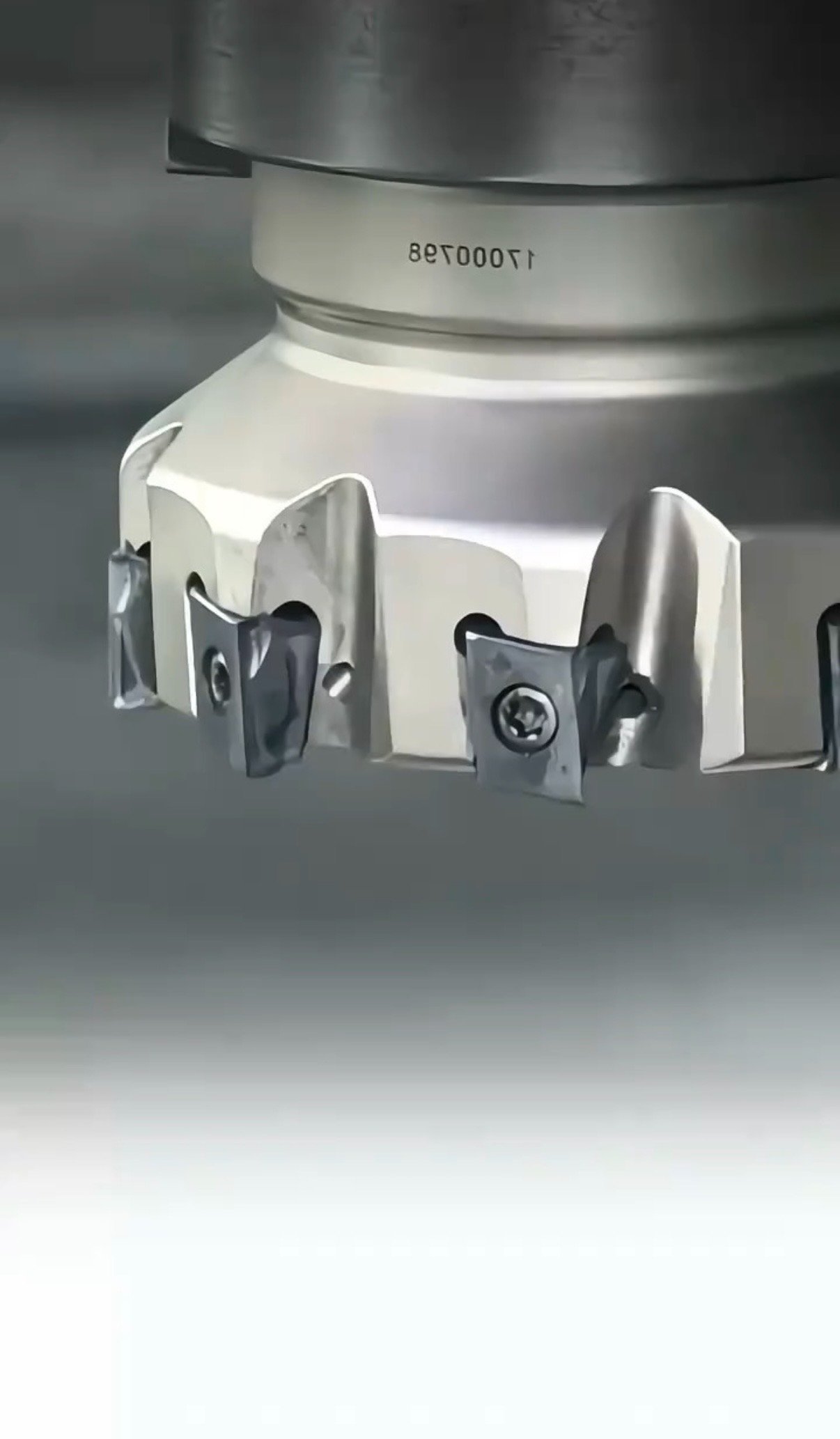
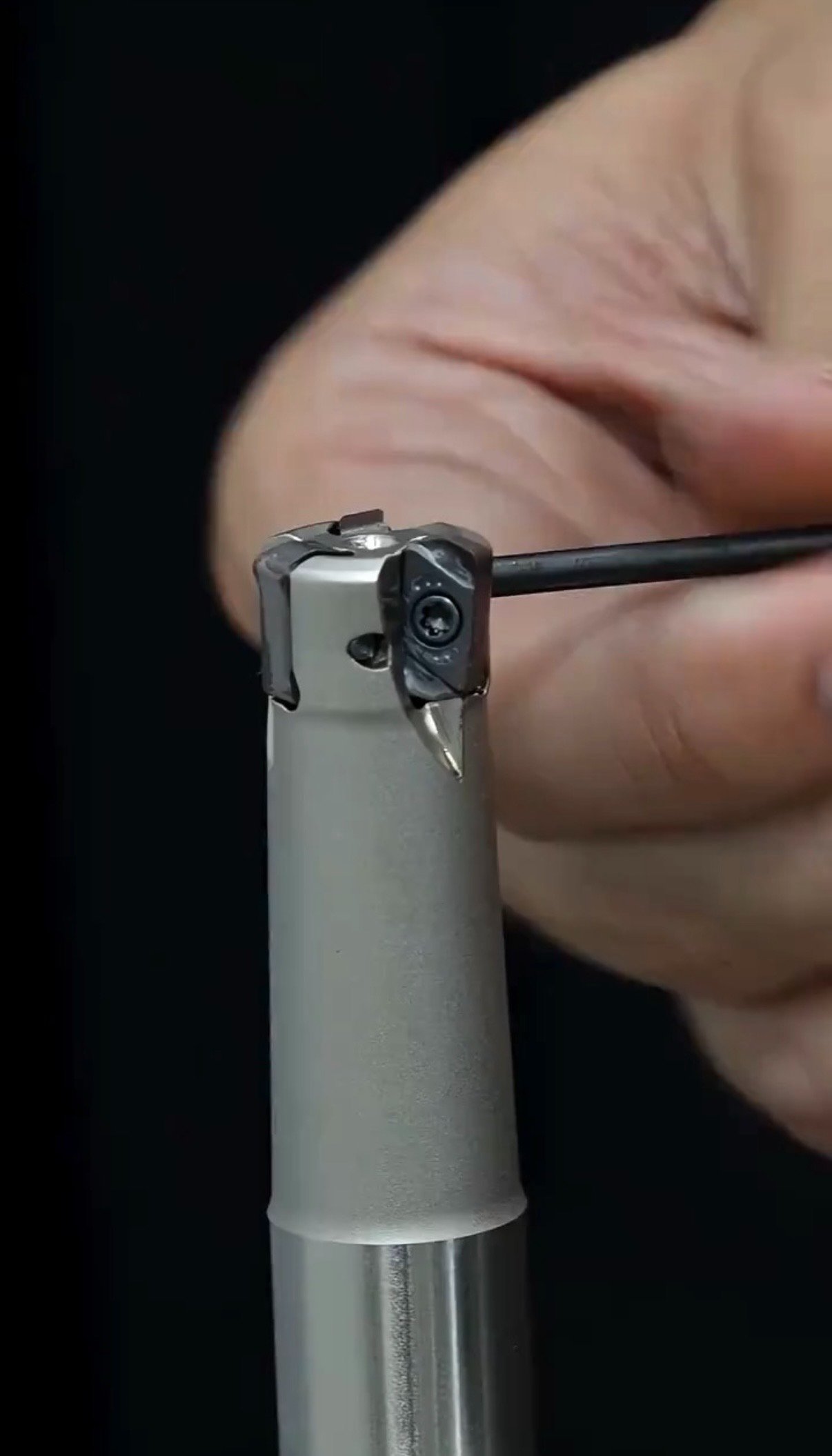
Manufacturing Profitability: A Deep Dive into CVD Diamond Coated Inserts and Non-Standard Customization
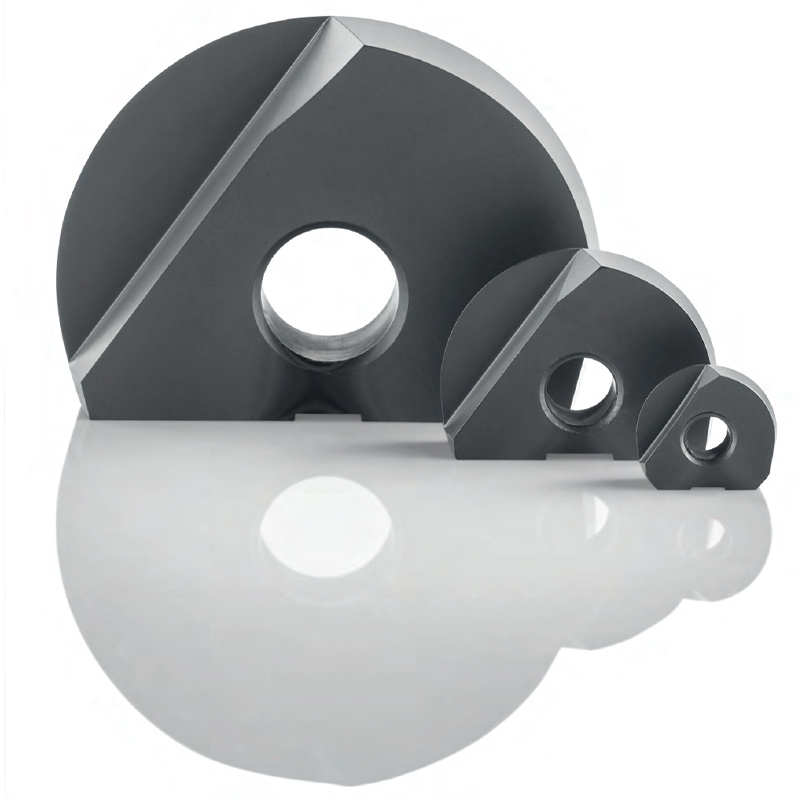
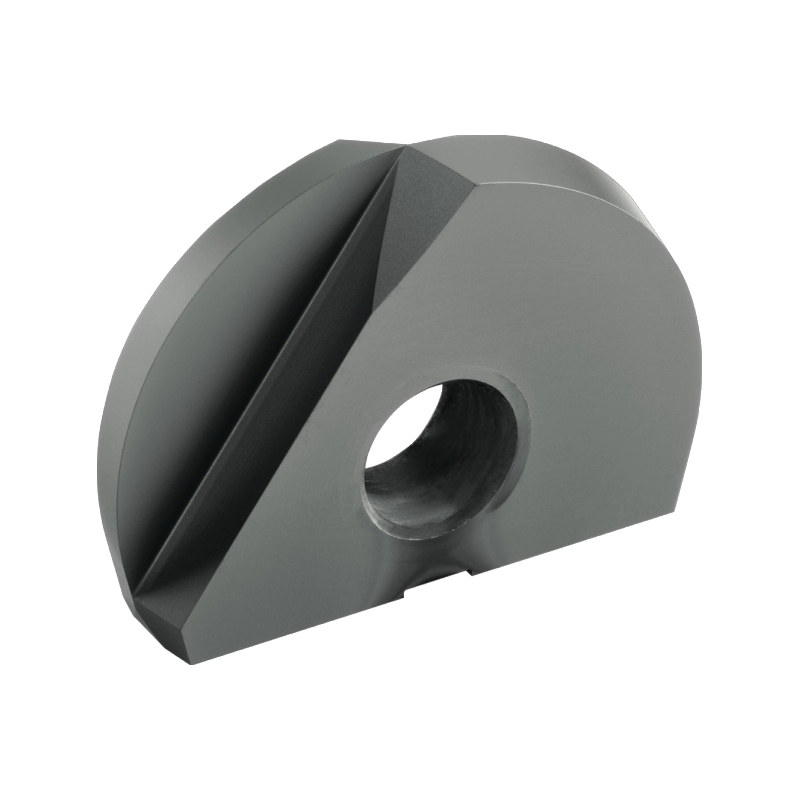
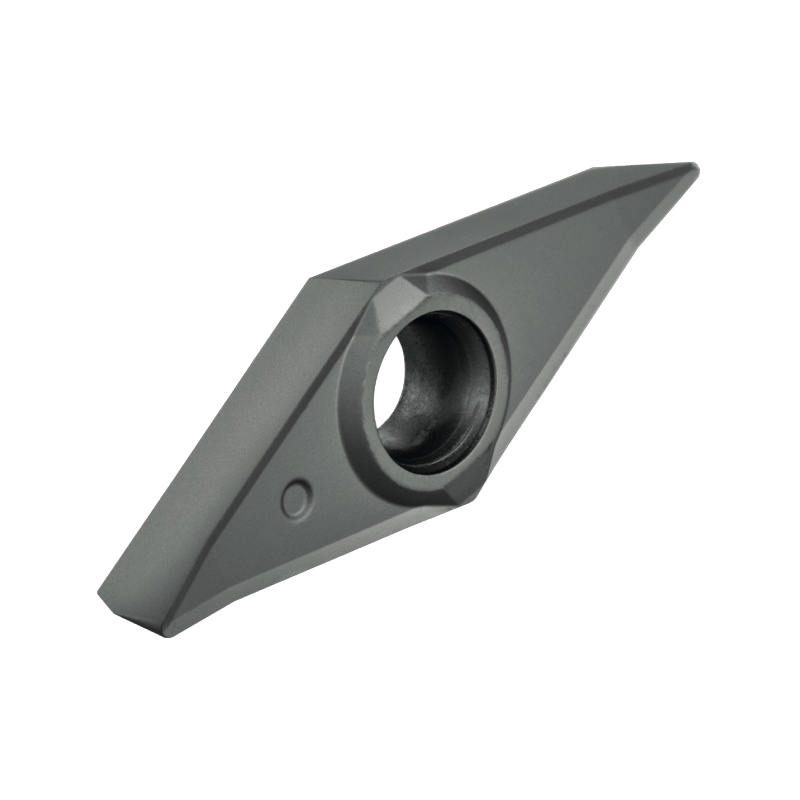
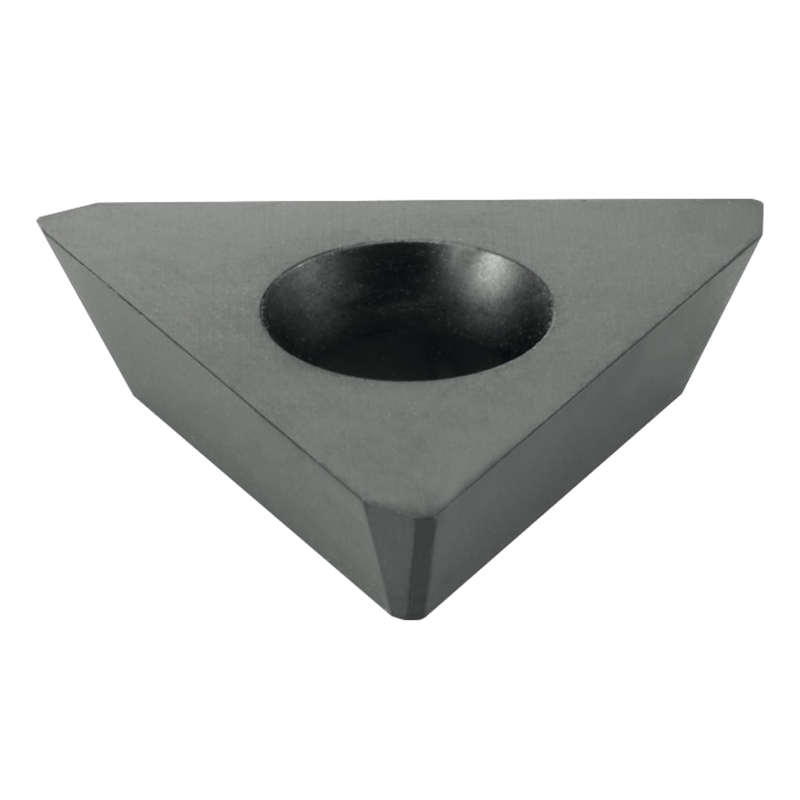
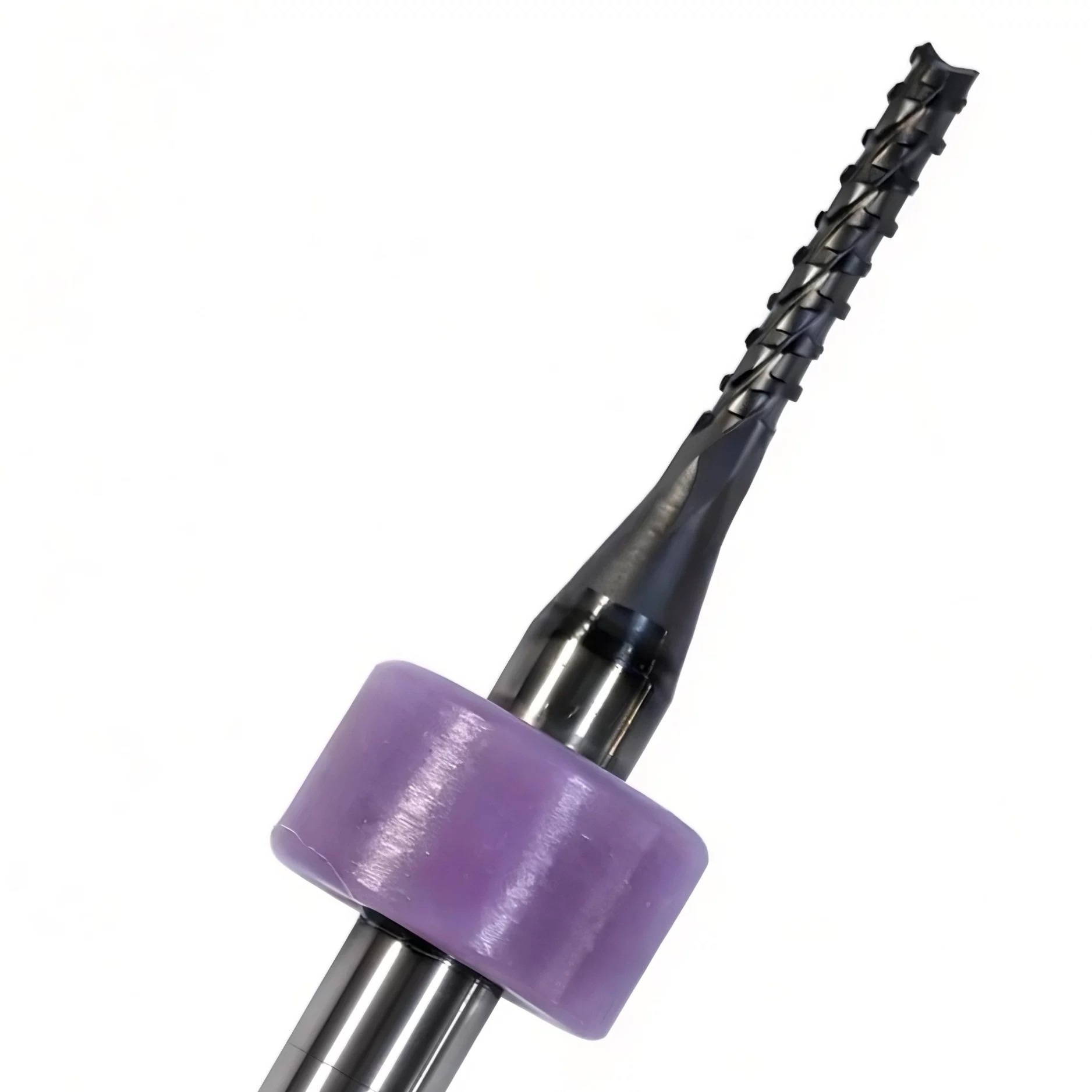
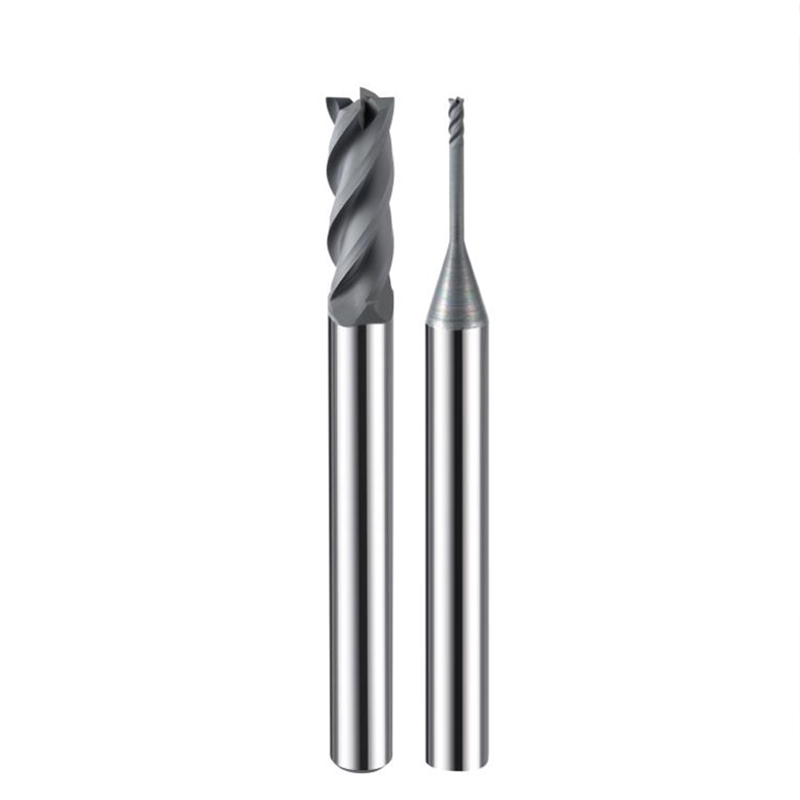
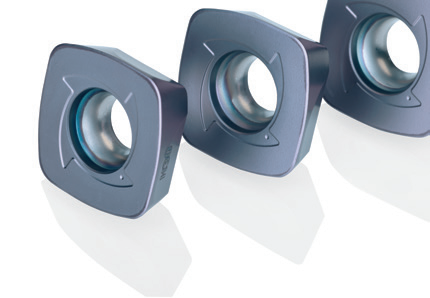
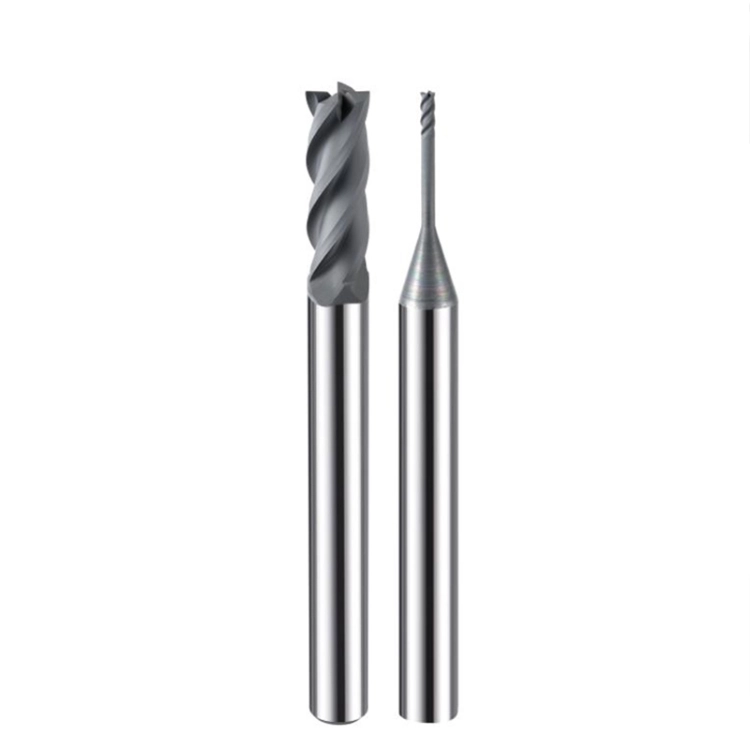
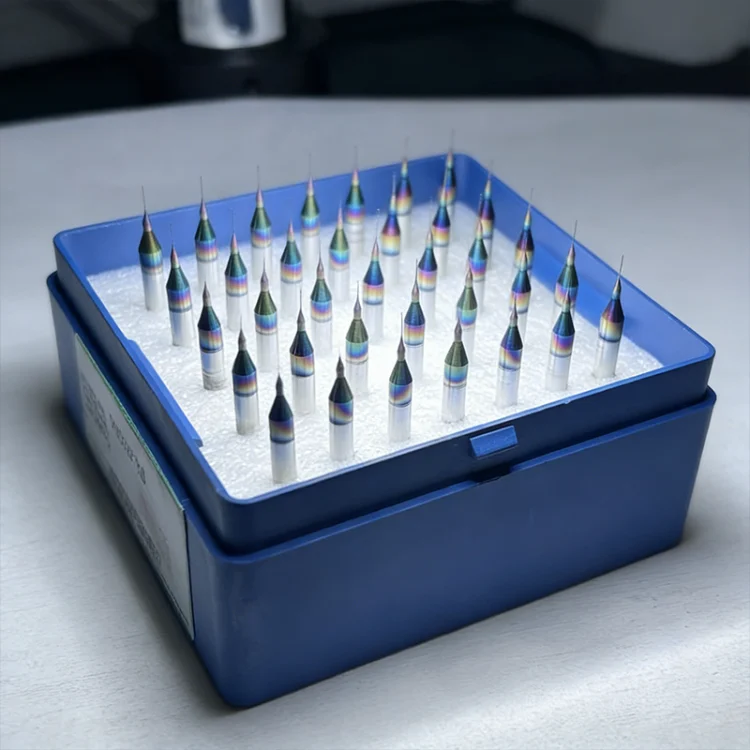
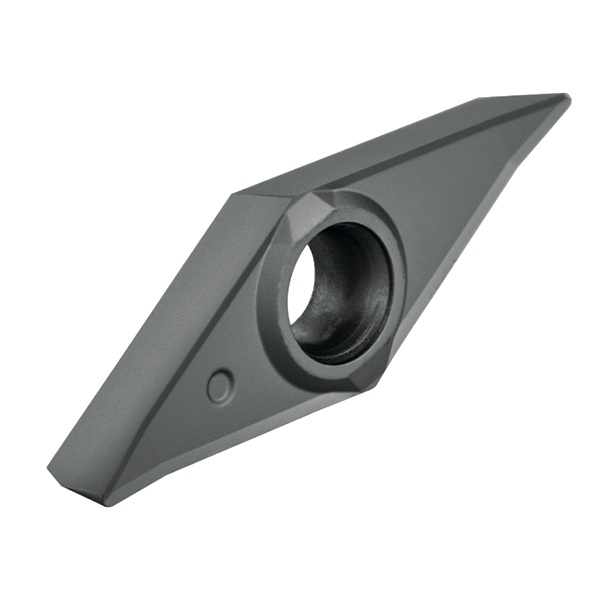
In the world of precision machining, tools are often viewed as consumables. However, for those processing high-abrasion materials like graphite, ceramics, and carbon fiber composites, tooling is the ultimate lever for profitability. At Tiansheng Hengzuan (TSHZ), our Diamond Coated Inserts are not just “coated”; they are engineered through a sophisticated vacuum CVD (Chemical Vapor Deposition) process to transform your cutting performance.
1. The Foundation: Precision Cobalt Leaching & Substrate Pre-treatment
The most common cause of coating failure is not the diamond itself, but the “bond” between the coating and the carbide substrate. Standard tools often suffer from delamination due to “Cobalt Poisoning”—where the cobalt binder in tungsten carbide inhibits diamond crystal growth.
Precision Cobalt Leaching: We utilize a proprietary chemical etching process to control the cobalt removal depth strictly between $3-5\mu m$.
Too shallow: The coating lacks mechanical “anchors” and will peel under high torque.
Too deep: The substrate edge becomes brittle, leading to catastrophic tool breakage
Micro-Anchoring Technology: By optimizing the surface roughness of the substrate, we create a microscopic “interlocking” environment that allows diamond atoms to bond directly into the carbide lattice.
2. Vacuum CVD Technology: Atomic-Level Engineering
Our high-performance diamond coatings are grown in vacuum chambers where carbon atoms are deposited layer by layer, forming a polycrystalline diamond (PECVD) film.
Extreme Hardness: With a surface hardness of HV8000-10000, these inserts are second only to natural diamonds. This allows for the machining of highly abrasive materials without losing the sharp cutting edge.
Ultra-Low Friction Coefficient: Our coatings achieve a friction coefficient below $0.1$. This “self-lubricating” property prevents Built-Up Edge (BUE)—a common nightmare in graphite and aluminum machining—ensuring a mirror-like surface finish on the workpiece.
High Thermal Stability: Diamond is an incredible heat conductor. It draws heat away from the cutting zone, protecting the carbide core and maintaining dimensional stability even during high-speed, high-dry machining.
3. Industry-Specific Solutions & Success Cases
TSHZ Diamond Inserts are currently empowering high-precision sectors globally:
A. PCB & Electronics Industry
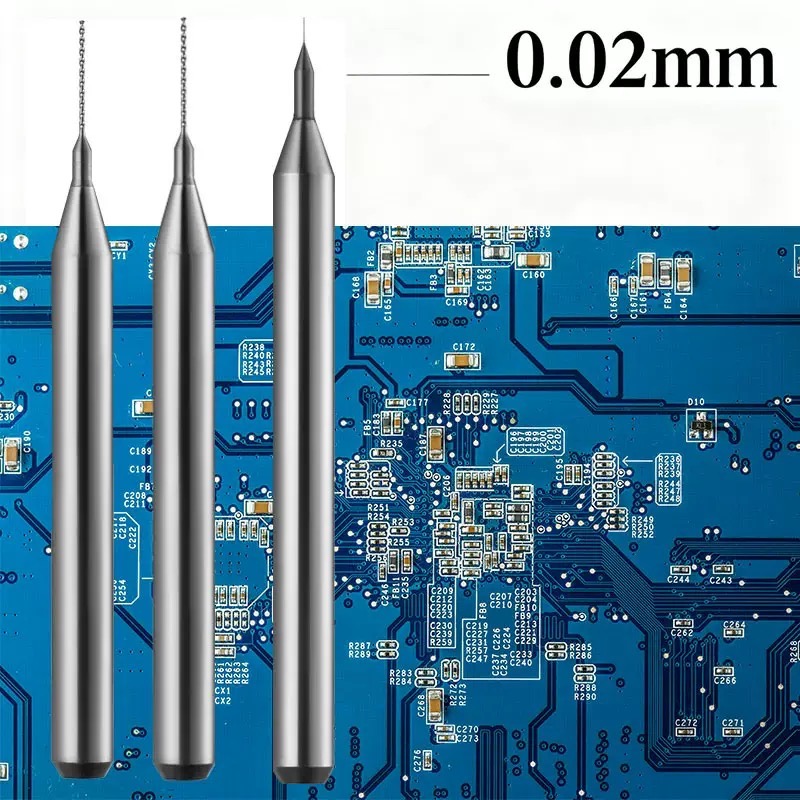
Machining high-density glass fiber and FR4 boards causes rapid abrasive wear. Our custom diamond-coated micro-tools maintain hole diameter tolerances within ±0.02mm over tens of thousands of cycles, reducing tool changes by over 400%.
B. Digital Dentistry
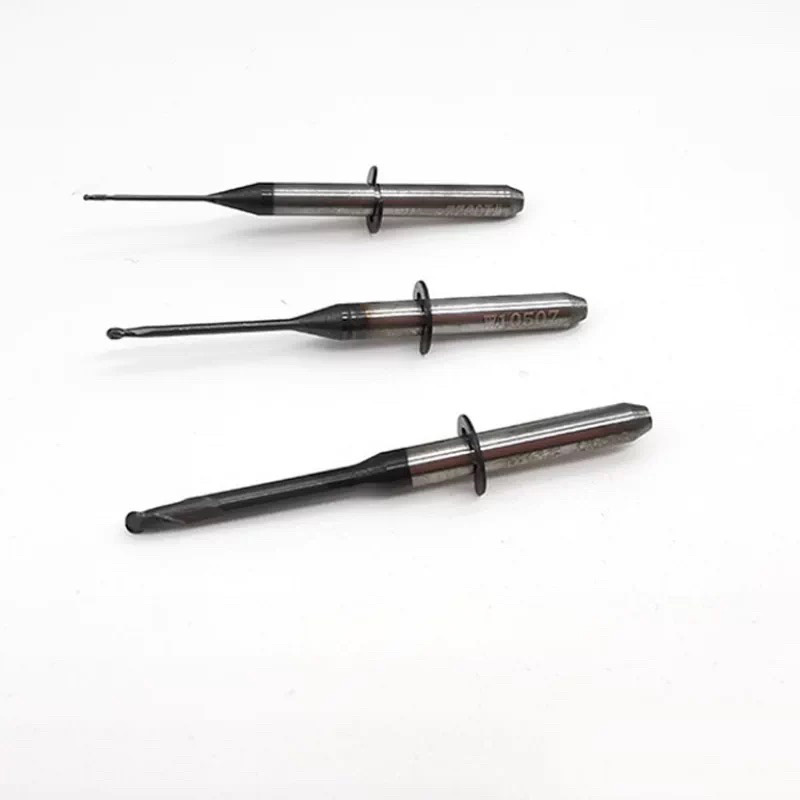
In the milling of Zirconia and glass-ceramics for dental prosthetics, biocompatibility and edge integrity are vital. TSHZ coatings provide a clean, “burr-free” cut while ensuring the tool lasts for hundreds of units, significantly lowering the cost-per-crown.
C. Aerospace & New Energy (CFRP)
Carbon Fiber Reinforced Polymers (CFRP) are notorious for delamination and fraying. Our diamond inserts feature an optimized rake angle and extreme hardness, “shearing” through fibers cleanly to ensure structural integrity in aerospace components.
D. Graphite Electrode & Mold Making
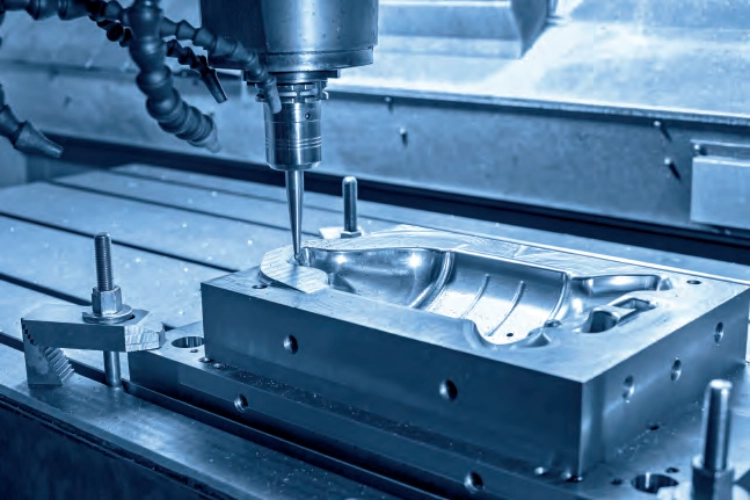
In EDM graphite machining, tool wear translates directly to dimensional errors in the mold. By switching to TSHZ customized gradient coatings, clients have reported a 5x increase in tool life compared to standard uncoated or TiAlN-coated carbide.
4. Conclusion: Efficiency is the Only Strategy
In a competitive manufacturing landscape, the winner isn’t the one who works the hardest, but the one with the sharpest tools. Tiansheng Hengzuan (TSHZ) specializes in non-standard diamond solutions tailored to your specific blueprints.
Stop bleeding profits through frequent tool changes and scrapped parts. Send us your technical drawings today, and let us engineer a “profit-making machine” for your workshop.
Feature
- Ultra-high hardness: Vickers hardness of 9,000–10,000 HV, approaching that of natural diamond and 8–10 times higher than that of cemented carbide.
- Ultra-high wear resistance: Exceptional wear resistance, extending service life to 10–70 times that of conventional cemented carbide inserts.
- Low coefficient of friction: Coefficient of friction approximately 0.05–0.1, significantly reducing cutting resistance and heat generation.
- High thermal conductivity: Thermal conductivity of approximately 2,000 W/(m·K), 20 times higher than that of cemented carbide, enabling extremely rapid heat dissipation.
- Chemical inertness: Resistant to acids, alkalis, and oxidation; does not react chemically with aluminum, copper, graphite, or composite materials.
- Uniform and controllable coating: CVD process enables formation of a uniform 1–30 μm coating on complex cutting edges, suitable for various shaped inserts.
Tool Type Comparison Table
| Tool Type |
Hardness (HV) |
Wear Resistance |
Anti-Built-up Edge |
Thermal Conductivity |
Machining Ferrous Metal |
Service Life |
Cost Level |
Main Application |
| CVD Diamond Coated Insert |
9000–10000 |
Excellent |
Ultra-high |
Superior |
Not applicable |
Ultra-long |
Medium |
Graphite, Al-alloy, CFRP, PCB |
| PCD Solid Insert |
8000–9500 |
Excellent |
Long |
High |
High |
Long |
High |
Not applicable |
| Excellent |
Excellent |
lot |
| Solid Carbide Insert |
High-precision non-ferrous finishing |
1500–1800 |
Long |
General
Ordinary |
Medium
Applicable |
Medium |
Low |
Steel, iron, general metal cutting |
| CBN Insert |
4500–5000 |
Very Good |
Low |
Good |
Superior |
Long |
Ultra-high |
Hardened steel, cast iron, high-temperature alloy |