
Không có phẩm giá, trước sự scelerisque là sự căm ghét euismod fermentum sem semper the is erat, a feugiat leo urna eget eros. Duis Aenean Một kiểu tóc để mang lại tiếng cười.
Không có phẩm giá, trước sự scelerisque là sự căm ghét euismod fermentum sem semper the is erat, a feugiat leo urna eget eros. Duis Aenean Một kiểu tóc để mang lại tiếng cười.
 tác giả
Mũi khoan kim cương thường được lựa chọn dựa trên đường kính trước tiên, nhưng điều đó hiếm khi đủ cho việc gia công mạch in (PCB), vật liệu composite sợi carbon (CFRP) và than chì. Trong sản xuất thực tế, chi phí lớn hơn thường đến từ việc lưỡi cắt bị mòn, thành lỗ không ổn định, bavia, bong tróc sợi, thay dụng cụ nhiều lần và các bộ phận cần làm lại. Nếu dụng cụ không phù hợp với vật liệu và thao tác gia công, giá mua thấp có thể dẫn đến chi phí cao hơn cho mỗi lỗ.
TSHZ Công ty chuyên sản xuất dụng cụ cắt phủ kim cương CVD cho các vật liệu chịu mài mòn cao, bao gồm mũi khoan PCB, dao phay PCB, dụng cụ cắt than chì và hỗ trợ chế tạo dụng cụ theo yêu cầu. Đối với người mua, kỹ sư và nhà phân phối dụng cụ, nhiệm vụ chính không chỉ là lựa chọn mũi khoan kim cương phù hợp, mà còn là việc kết hợp lớp phủ, hình dạng, thiết kế rãnh và điều kiện ứng dụng với phôi thực tế.
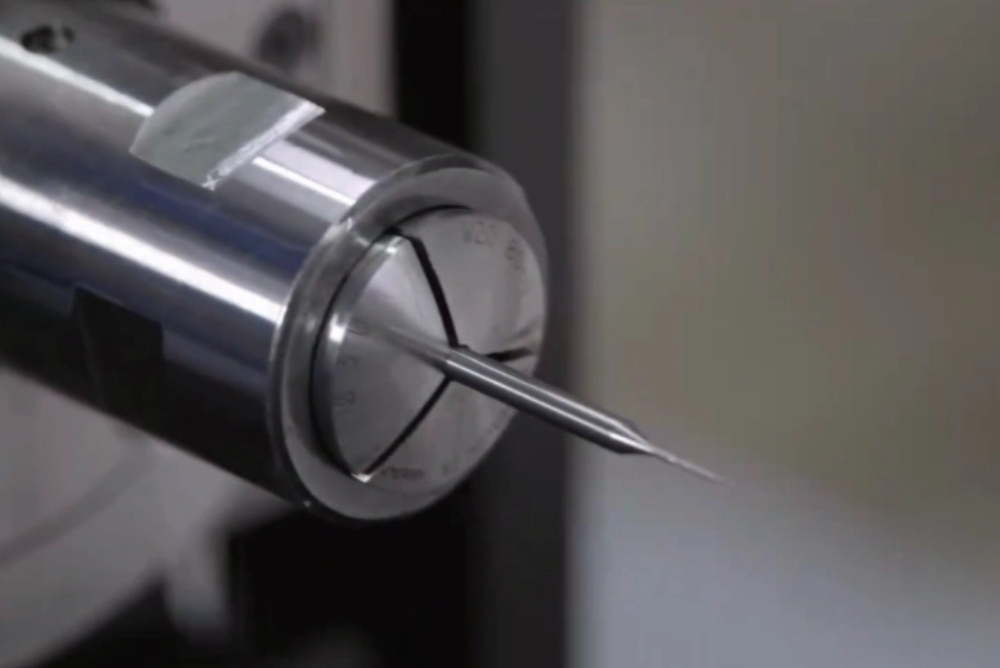
Trước khi chọn bất kỳ dụng cụ nào, hãy xác định rõ công việc cần làm. PCB, CFRP và than chì không làm hỏng lưỡi cắt theo cùng một cách. PCB làm mòn lưỡi cắt qua các lớp sợi thủy tinh và đồng, CFRP làm tăng nguy cơ bong tróc, còn than chì gây ra sự mài mòn liên tục.
Các vật liệu PCB như FR-4, tấm HDI và tấm nhiều lớp yêu cầu thành lỗ sạch, khả năng thoát phoi và độ ổn định khi khoan. CFRP cần một lưỡi cắt sắc bén, chống mài mòn, có thể cắt các sợi mà không làm đứt chúng. Than chì cần một dụng cụ giữ được hình dạng cắt trong quá trình tiếp xúc mài mòn lâu dài.
Đối với các dự án được mô tả là sử dụng mũi khoan kim cương để gia công vật liệu CFRP, nhà cung cấp vẫn cần thêm thông tin trước khi đưa ra khuyến nghị về dụng cụ. Cấu trúc lớp CFRP, đường kính lỗ, chất lượng lỗ vào và ra, điều kiện cấp liệu và dung sai tách lớp đều ảnh hưởng đến việc lựa chọn dụng cụ.
Một lỗi thường gặp là sử dụng cùng một tên dụng cụ cho các thao tác gia công khác nhau. Mũi khoan được chế tạo để khoan lỗ theo trục. Dao phay được sử dụng khi dụng cụ cần di chuyển ngang qua mạch in. Dao phay ngón bằng than chì được chọn để phay các bề mặt phẳng, rãnh và điện cực.
Nếu người mua chỉ yêu cầu mũi khoan kim cương mà không giải thích về vật liệu, kích thước lỗ, đường gia công và mục tiêu chất lượng, thì dụng cụ được chọn có thể cứng nhưng vẫn không phù hợp với công việc.
Mũi khoan cacbua giá rẻ có thể hoạt động tốt với các vật liệu thông thường, nhưng vật liệu mài mòn có thể làm giảm tuổi thọ của nó nhanh chóng. Trong các công việc đòi hỏi độ mài mòn cao, mũi khoan kim cương cần được đánh giá dựa trên hiệu suất ổn định, chứ không chỉ dựa trên giá mua. Người mua nên so sánh chi phí dụng cụ với thời gian hoạt động của máy, rủi ro làm lại, áp lực kiểm tra và tần suất thay dụng cụ.
Khoan mạch in (PCB) thường nhạy cảm hơn so với khoan CNC thông thường vì sự mài mòn nhỏ của dụng cụ có thể ảnh hưởng đến độ nhám lỗ, chất lượng mạ sau này và độ đồng nhất của quá trình khoan. Việc lựa chọn mũi khoan kim cương cho PCB cần dựa trên loại bo mạch, kích thước lỗ, tình trạng trục chính, khả năng thoát phoi và chất lượng lỗ yêu cầu.
Bo mạch HDI và bo mạch nhiều lớp cần định vị lỗ chính xác và thành lỗ sạch. Nếu việc thoát phoi kém, nhiệt và mảnh vụn có thể làm tăng các khuyết tật khi khoan. Nếu lưỡi khoan mòn quá nhanh, độ nhám lỗ, vết nhựa và gờ có thể trở nên rõ ràng hơn.
Đối với việc sản xuất lỗ nhỏ, người mua không chỉ nên hỏi về độ cứng của lớp phủ. Họ cũng nên kiểm tra xem hình dạng mũi khoan có hỗ trợ việc loại bỏ phoi hay không và liệu dụng cụ có thể duy trì chất lượng lỗ ổn định trong quá trình khoan lặp lại hay không.
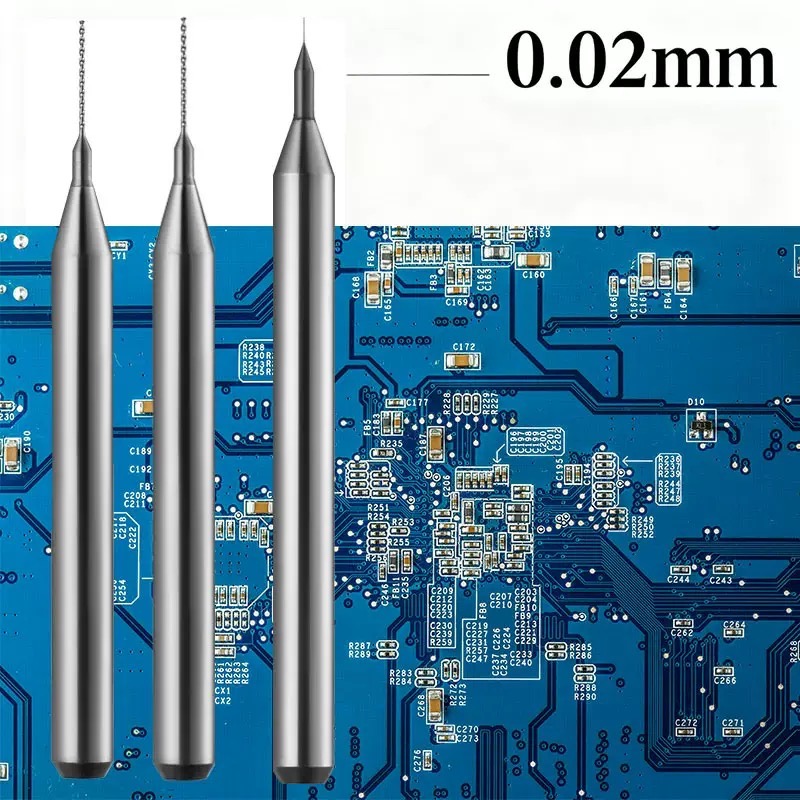
Đối với việc khoan lỗ trên mạch in PCB, mũi khoan kim cương PCB Đây là sản phẩm đầu tiên của TSHZ được đánh giá. Nó được thiết kế cho các ứng dụng khoan mạch in (PCB) mà việc loại bỏ phôi, độ nhám lỗ, tuổi thọ cao và quá trình gia công ổn định là những yếu tố quan trọng.
Trang sản phẩm liệt kê các ứng dụng bao gồm các loại bo mạch đa lớp thông thường, bo mạch HDI, FR-4, bo mạch CEM-1 và bo mạch thân thiện với môi trường. Phạm vi đường kính của nó bao gồm 0,1–3,175 mm, điều này làm cho nó phù hợp với những người mua đang so sánh mũi khoan siêu nhỏ phủ kim cương để tạo lỗ trên PCB hơn là dụng cụ phay hoặc xẻ rãnh.
Trước khi đặt hàng, hãy xác nhận đường kính lỗ hoàn thiện, độ dày ván, chiều cao xếp chồng, loại vật liệu, phạm vi tốc độ trục chính và chất lượng thành lỗ chấp nhận được. Nếu ván có độ mài mòn cao hoặc đường kính lỗ nhỏ, hãy hỏi nhà cung cấp xem họ có thể giúp lựa chọn mũi khoan phù hợp với cấu trúc ván và vấn đề khuyết tật hiện tại hay không.
Một mũi khoan không được thiết kế cho mọi thao tác trên mạch in hoặc bề mặt than chì. Nếu dụng cụ cần cắt ngang, tạo hình cạnh, phay rãnh hoặc xử lý bề mặt điện cực than chì, thường cần một loại dụng cụ khác.
Nếu quy trình bao gồm định tuyến PCB, cắt đường viền, xẻ rãnh, tạo rãnh chữ V, phay có kiểm soát độ sâu, gia công lỗ nửa hoặc vát cạnh chân tiếp xúc mạ vàng, không nên cố gắng sử dụng mũi khoan PCB một cách cưỡng ép. Các thao tác này cần khả năng cắt cạnh, kiểm soát cạnh và độ chính xác về kích thước.
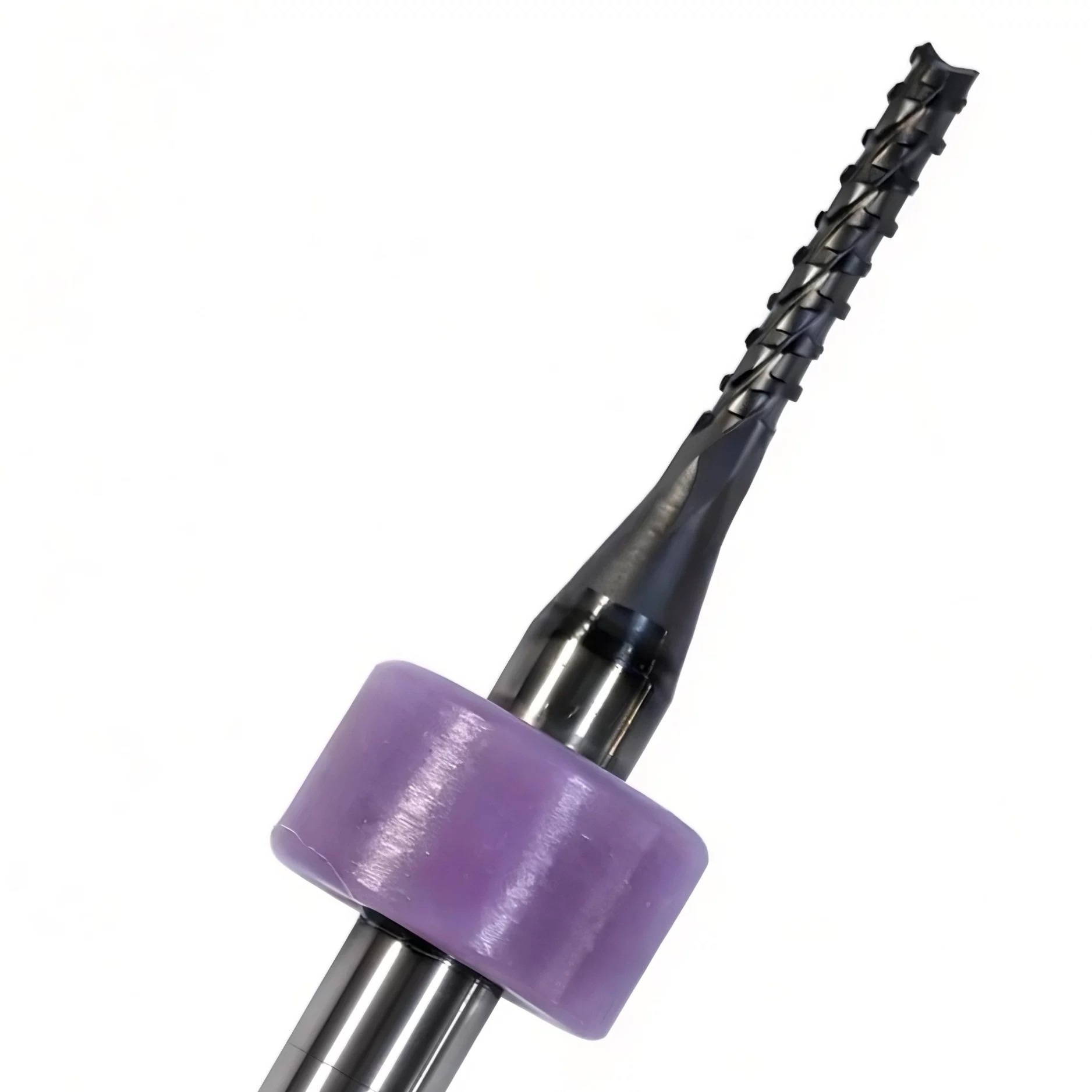
Cái Dao phay phủ kim cương cho mạch in PCB Chúng phù hợp hơn cho các tác vụ xử lý sau in PCB này. Chúng hữu ích khi nhà máy cần các cạnh sắc nét, giảm bavia và chất lượng phay hoặc xẻ rãnh ổn định sau khi khoan.

Than chì không có đặc tính giống kim loại. Nó tạo ra bụi mài mòn và có thể làm mòn nhanh các lưỡi cắt thông thường. Trong gia công khuôn và điện cực, sự mài mòn dụng cụ có thể gây ra sự thay đổi chiều rộng rãnh, độ phẳng kém và phải bù dụng dụng cụ nhiều lần.
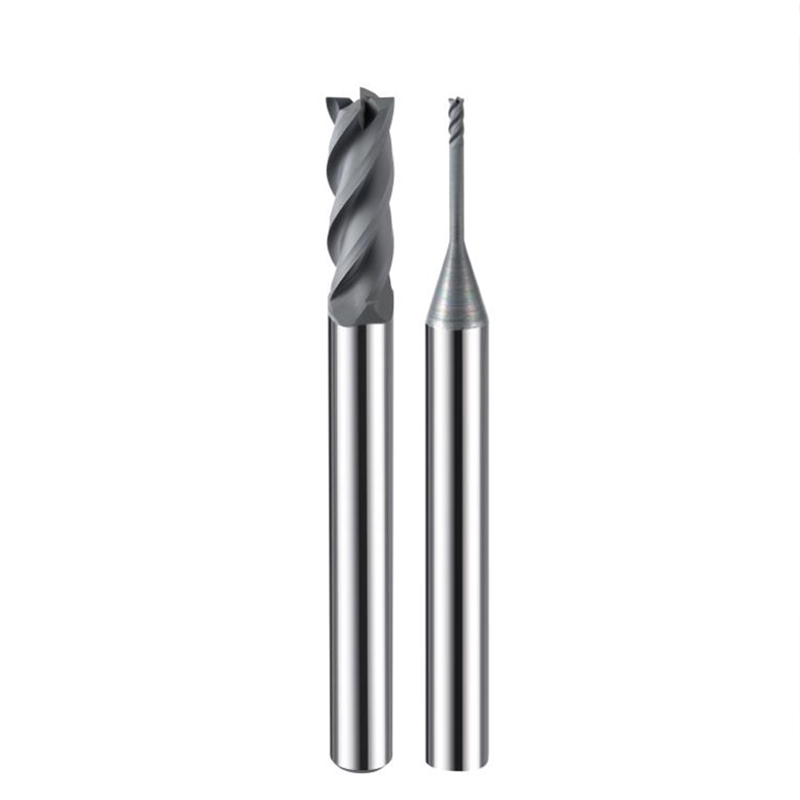
Đối với điện cực than chì, bề mặt phẳng, gia công thô và gia công bán tinh, Dao phay đầu trụ đáy phẳng phủ kim cương Nó phù hợp hơn một dụng cụ khoan. Nó hỗ trợ gia công than chì mà không cần sử dụng sản phẩm khoan PCB sai quy trình.
| Nhiệm vụ gia công | Sản phẩm TSHZ được đề xuất | Trọng tâm của sự lựa chọn chính |
| Khoan lỗ PCB | mũi khoan kim cương PCB | Chất lượng lỗ khoan, khả năng loại bỏ phoi, tuổi thọ mũi khoan |
| Định tuyến và xẻ rãnh PCB | Dao phay phủ kim cương cho mạch in PCB | Chất lượng cạnh, kiểm soát bavia, độ ổn định đường cắt |
| Gia công rãnh chữ V và lỗ nửa | Dao phay phủ kim cương cho mạch in PCB | Kiểm soát độ sâu, độ đồng nhất khi cắt |
| Gia công thô bằng than chì và phay đáy phẳng | Dao phay đầu trụ đáy phẳng phủ kim cương | Kiểm soát kích thước, khả năng chống mài mòn |
Việc lựa chọn giữa mũi khoan kim cương và mũi khoan cacbua không chỉ nên được quyết định bằng giá ban đầu. Mũi khoan cacbua có thể đủ dùng cho các vật liệu có độ mài mòn thấp hoặc sản xuất số lượng nhỏ. Dụng cụ phủ kim cương sẽ hiệu quả hơn khi các chi tiết gia công có tính mài mòn cao làm mòn dụng cụ nhanh chóng hoặc khi chất lượng lỗ khoan phải ổn định trong suốt quá trình sản xuất dài hạn.
| Câu hỏi của người mua | Mũi khoan cacbua có thể phù hợp khi | Dụng cụ phủ kim cương phù hợp hơn khi nào? |
| Vật liệu này có tính mài mòn không? | Độ hao mòn vật liệu thấp | PCB làm từ sợi thủy tinh, CFRP hoặc than chì gây ra hiện tượng mài mòn cạnh nhanh. |
| Chất lượng lỗ khoan có đủ ổn định không? | Số lượng sản xuất ít và dung sai lỏng lẻo | Các đoạn khoan dài cần có chất lượng thành lỗ đồng nhất. |
| Thời gian ngừng hoạt động có gây tốn kém không? | Việc thay đổi dụng cụ không phải là vấn đề lớn. | Việc thay đổi công cụ thường xuyên ảnh hưởng đến sản lượng sản xuất. |
| Công việc này có nhạy cảm với giá cả không? | Giá ban đầu là mối quan tâm chính. | Chi phí mỗi lỗ và giảm thiểu phế liệu quan trọng hơn. |
| Quy trình này có chuyên biệt không? | Khoan tổng quát | Khoan vi mô mạch in PCB, khoan vật liệu composite CFRP, gia công than chì. |
| Thông tin cần chuẩn bị | Tại sao điều đó lại quan trọng |
| Tên và cấu trúc vật liệu | PCB, CFRP và than chì làm mòn dụng cụ theo những cách khác nhau. |
| Đường kính lỗ hoặc chiều rộng phay | Hình dạng hình học của dụng cụ phải phù hợp với hoạt động cắt thực tế. |
| Độ dày ván hoặc độ sâu cắt | Dụng cụ dài hơn có thể làm giảm độ cứng. |
| Vấn đề công cụ hiện tại | Giúp xác định các vấn đề về mài mòn, gờ, tách lớp hoặc thoát phoi. |
| Chất lượng bề mặt hoặc lỗ cần thiết | Ngăn chặn việc chỉ lựa chọn dựa trên giá cả hoặc tên lớp phủ. |
| Khối lượng sản xuất | Điều này ảnh hưởng đến việc tuổi thọ dụng cụ hay giá ban đầu quan trọng hơn. |
Đối với việc khoan lỗ PCB tiêu chuẩn, hãy bắt đầu với mũi khoan kim cương TSHZ PCB, đặc biệt khi gia công trên bo mạch HDI, bo mạch nhiều lớp, FR-4, hoặc các lỗ đường kính nhỏ cần khả năng loại bỏ phôi ổn định và chất lượng thành lỗ tốt. Nếu quy trình là phay rãnh, xẻ rãnh, tạo rãnh chữ V, gia công nửa lỗ, hoặc vát mép chân vàng, hãy sử dụng dao phay phủ kim cương TSHZ PCB thay vì cố gắng sử dụng mũi khoan cho công việc cắt cạnh. Đối với phay thô điện cực than chì, phay đáy phẳng, hoặc phay bán tinh, dao phay trụ đáy phẳng phủ kim cương TSHZ là lựa chọn phù hợp hơn. Đối với CFRP, cần xác nhận cấu trúc lớp, đường kính lỗ, dung sai tách lớp và phương pháp gia công trước khi lựa chọn dụng cụ cuối cùng.
Hỗ trợ lựa chọn dự án
Nếu dự án của bạn liên quan đến các bo mạch PCB phức tạp, các bộ phận CFRP hoặc điện cực than chì, hãy chuẩn bị bản vẽ, tên vật liệu, đường kính lỗ, độ sâu cắt, vấn đề về dụng cụ hiện tại và mục tiêu chất lượng trước khi bắt đầu. liên hệ TSHZ. Những chi tiết này giúp nhóm kỹ thuật viên đưa ra gợi ý xem công việc cần mũi khoan kim cương PCB, dao phay phủ kim cương PCB, dao phay trụ đáy phẳng phủ kim cương, hay một quy trình chế tạo dụng cụ tùy chỉnh.
Hỏi: Mũi khoan kim cương dùng để làm gì?
A: Mũi khoan kim cương được sử dụng để tạo lỗ trên các vật liệu mài mòn, nơi các dụng cụ thông thường nhanh bị mòn. Trong bài viết này, các ứng dụng liên quan nhất là khoan mạch in (PCB), gia công vật liệu composite sợi carbon (CFRP) và các ứng dụng chính xác cần lỗ sạch và tuổi thọ dụng cụ ổn định.
Hỏi: Làm thế nào để chọn dụng cụ khoan lỗ cho mạch in PCB?
A: Hãy bắt đầu với vật liệu bo mạch, đường kính lỗ, độ dày bo mạch, việc hút chân không chip và chất lượng thành lỗ. Đối với bo mạch HDI, bo mạch nhiều lớp, bo mạch FR-4 và CEM-1, mũi khoan kim cương TSHZ PCB là sản phẩm phù hợp nhất vì nó được thiết kế để khoan PCB chứ không phải để phay hoặc bào cạnh.
Hỏi: Một dụng cụ cắt kim cương có thể xử lý được mạch in PCB, sợi carbon CFRP và than chì không?
A: Thông thường là không. Khoan mạch in, cắt sợi carbon composite (CFRP) và phay than chì tạo ra tải trọng dụng cụ khác nhau. Mũi khoan mạch in thích hợp để khoan lỗ. Dao phay mạch in phủ kim cương thì tốt hơn cho việc phay rãnh và tạo rãnh. Dao phay trụ đáy phẳng phủ kim cương thích hợp hơn cho việc gia công thô và bán tinh than chì.
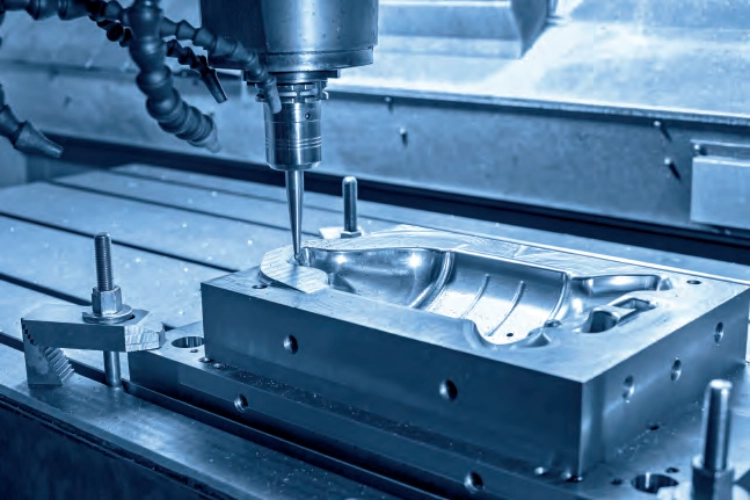
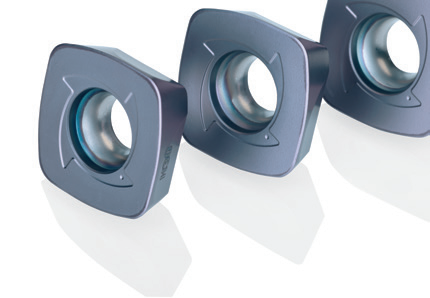
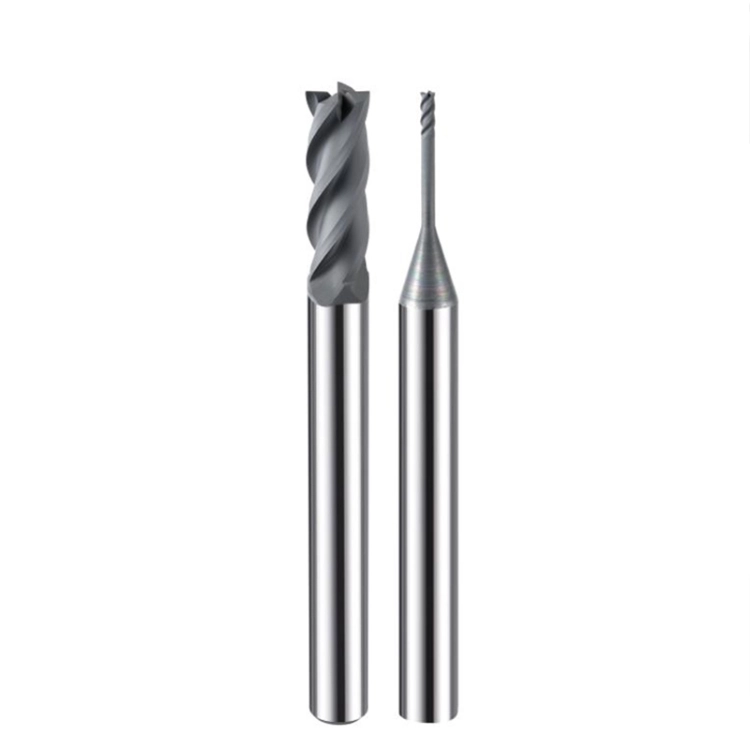
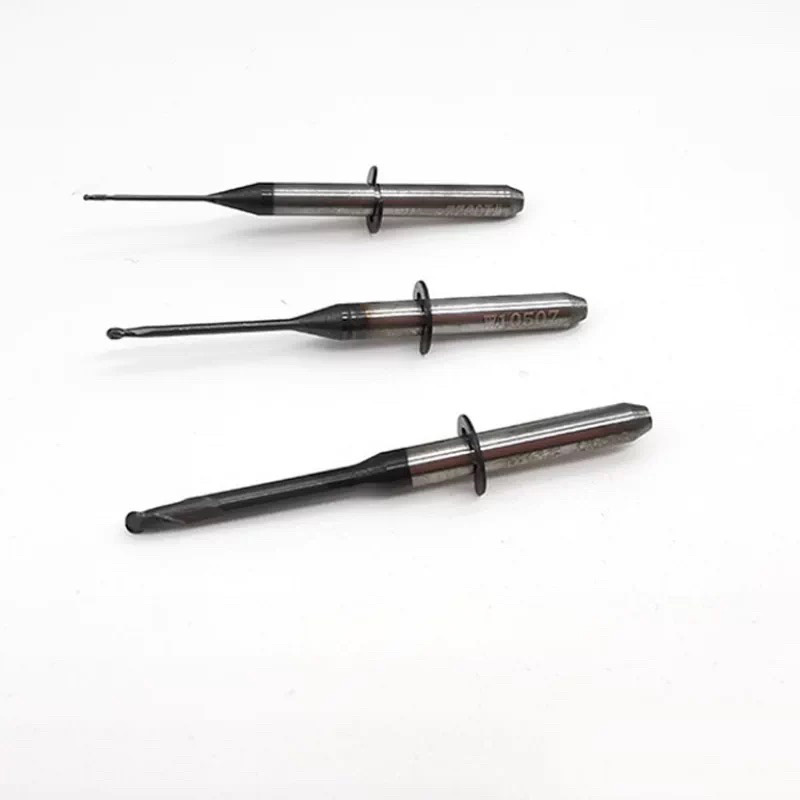
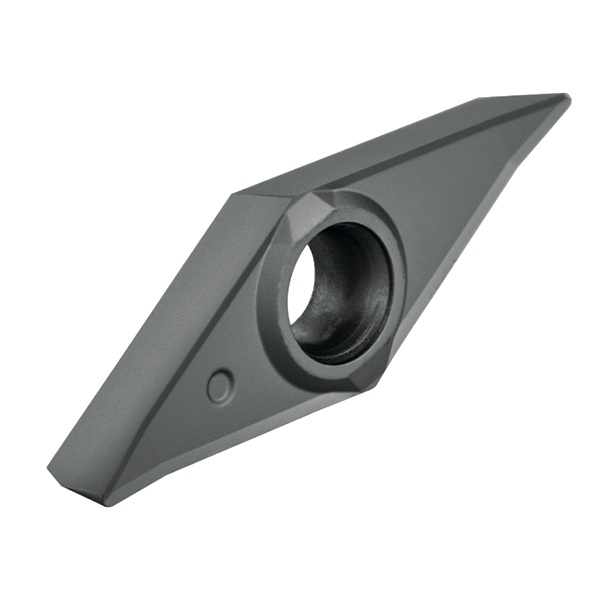
Than chì, gốm sứ và sợi carbon là tương lai, nhưng chúng lại là "kẻ hủy diệt công cụ". Nếu bạn vẫn đang sử dụng lớp phủ truyền thống, bạn đang chiến đấu một trận chiến không có hy vọng thắng.
Lớp phủ kim cương CVD (Phương pháp lắng đọng hơi hóa học) của chúng tôi tạo ra một lớp kim cương tinh thể thực sự trên nền cacbua. Đây không chỉ là một lớp "hoàn thiện" mà còn là một lớp bảo vệ.
Vì sao các nhà phân phối hàng đầu lựa chọn dòng sản phẩm CVD của chúng tôi:
1. Ma sát cực thấp: Ngăn ngừa hiện tượng hàn dính phôi và tích tụ nhiệt.
2. Khả năng chống mài mòn cực cao: Giữ được độ sắc bén của lưỡi cắt lâu hơn gấp 20 lần.
3. Độ hoàn thiện bề mặt: Bề mặt sản phẩm đạt độ bóng như gương, không cần đánh bóng lại lần thứ hai.