위엄 없음, scelerisque 이전에는 euismod fermentum 증오입니다 sem semper the is erat, a feugiat leo urna eget eros. 뒤이스 에네안 웃음을 위한 헤어컷.

CVD Coating Applications for Diamond and Superhard Cutting Tools

  • CVD Coating Applications for Diamond and Superhard Cutting Tools 작가
  • 4th 9월 2026

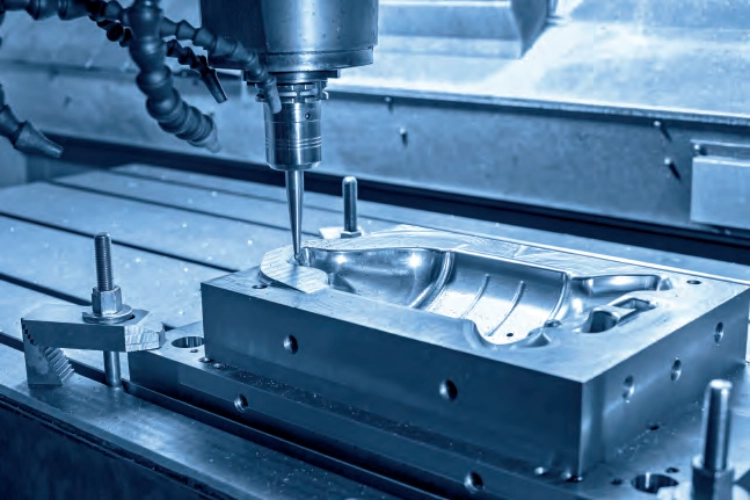
CVD coating applications make the most sense when a cutting tool has to face abrasive materials, repeated machining, and demanding edge stability. Buyers usually care about tool life, surface finish, and fewer unexpected changes during production. Coating choice should serve those goals directly.

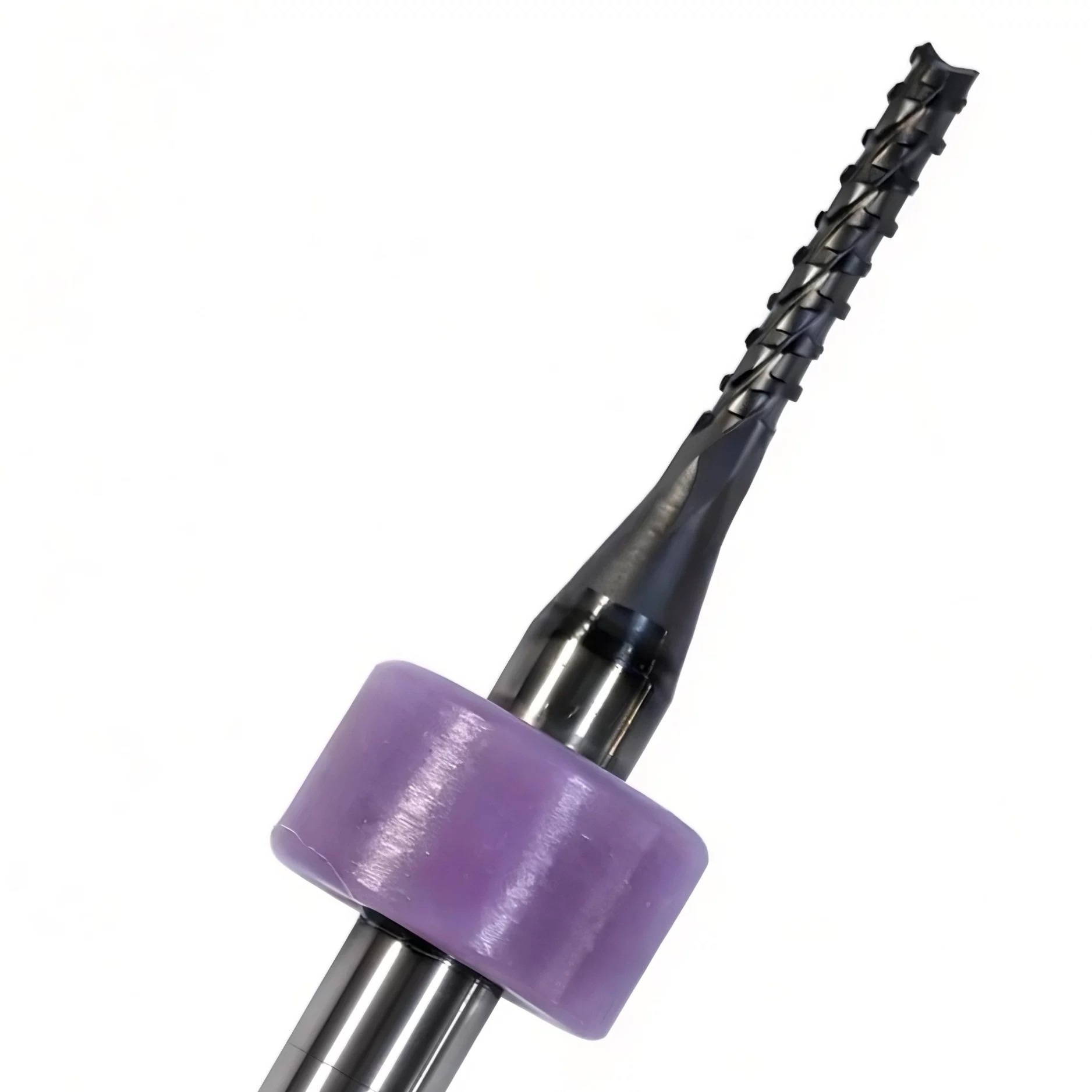
TSHZ works with diamond and superhard cutting tool solutions, including CVD diamond-coated tools for demanding machining conditions. For buyers, the useful question is not whether CVD sounds advanced, but where it improves real cutting performance.

CVD Coating Applications for Diamond and Superhard Cutting Tools

Why Does CVD Coating Matter on Diamond Tools?

CVD coating matters because the cutting edge is where the tool meets heat, friction, and wear. A better coating can help the tool hold its edge longer in the right material.

The useful point is not the coating name by itself. The buyer needs to know what problem the coating is solving: abrasive wear, unstable finish, short tool life, or frequent tool replacement. If that problem is not present, a more complex coating may not bring practical value.

내마모성

Abrasive work materials can wear a tool quickly. CVD diamond coating is valuable when the workpiece creates constant edge abrasion and the buyer needs a more stable production rhythm.

Edge Retention

Edge retention affects both part quality and tool change frequency. If the edge breaks down early, the machine may still run, but the finished part quality can drift.

That drift is costly because it often appears gradually. The first few parts may pass, while later parts need extra inspection or rework. Buyers should connect coating selection with the quality window they need to protect.

Surface Finish Impact

Tool condition affects the surface left on the part. A stable edge can help keep surface finish more consistent, especially in repeated production rather than one-off cutting.

Where Do Diamond-Coated Inserts Fit Best?

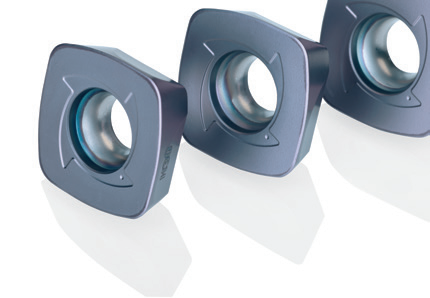
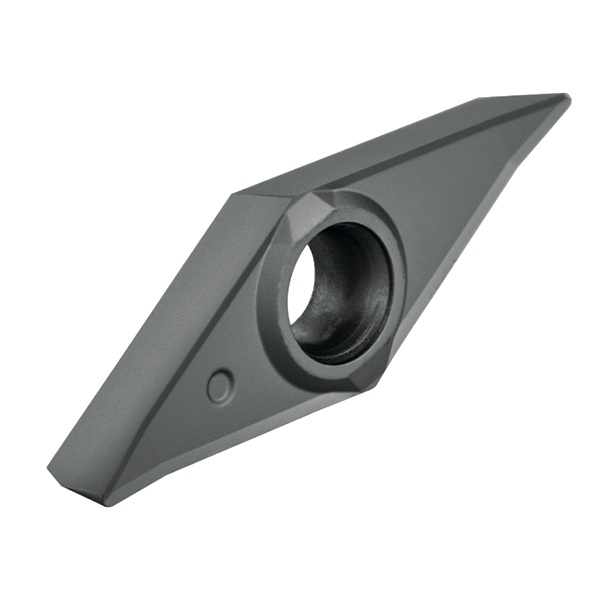
Diamond-coated inserts fit best where the tool needs strong edge behavior in difficult machining. The buyer should match insert geometry and coating to the work material.

High-Wear Materials

Materials that create high abrasion need a cutting edge that can resist wear. 다이아몬드 코팅 절삭 인서트 are relevant when the buyer needs insert-style tooling for such production conditions.

Repeat Machining Runs

Repeat runs place more pressure on tool consistency. A coating that helps maintain edge condition can reduce variation between the first parts and later parts in the same run.

This matters on the shop floor because tool changes interrupt more than the operator’s schedule. They can affect machine utilization, inspection timing, and delivery promises. If a buyer is producing the same part every week, a tool that holds its edge longer may protect the whole production rhythm, not only the cutting station.

Precision-Focused Work

Precision work does not allow large drift. Buyers should check whether the coating and geometry support the desired tolerance, surface finish, and machining rhythm.

Which Materials and Cutting Conditions Benefit Most?

Not every material requires CVD diamond coating. The fit becomes stronger when the material is abrasive, hard to finish cleanly, or sensitive to tool wear. Buyers who want a broader view of the coating route can review CVD 다이아몬드 코팅 기술 응용 분야 before narrowing the tool shape.

Hard or Abrasive Materials

Hard or abrasive non-metal materials are common candidates. Buyers should review the workpiece material before choosing the tool, because a mismatch can waste both time and tooling budget.

The material name alone may not be enough. Fillers, fiber content, hardness variation, and surface condition can all change wear behavior. Buyers should share as much application detail as possible before ordering coated tools.

CVD diamond coatings (typically 2 µm to 10 µm film thickness) deliver maximum efficiency in non-ferrous and non-metallic machining—such as carbon fiber reinforced polymers (CFRP), high-silicon aluminum alloys (AlSi12+), graphite electrodes, and green ceramics. However, buyers must avoid using diamond-coated tools on ferrous alloys or steels; cutting temperatures above 600°C trigger chemical affinity between iron and carbon, leading to rapid diamond graphitization and catastrophic edge breakdown.

Heat and Friction Control

Heat and friction change how the tool behaves under load. CVD coating can help in the right conditions, but the machine, speed, feed, and tool geometry still matter.

Chip Behavior

Good chip behavior supports a cleaner cut and helps protect the edge. If chips rub, pack, or recut, the tool can wear faster and leave a poorer surface.

Operators usually see this before managers do. The sound of the cut changes, the surface becomes less clean, or the edge starts to lose form. Buyers should treat those shop-floor signs as useful input when they choose coated tools for repeat production.

구매자는 주문 전에 무엇을 확인해야 할까요?

The best order starts with the work material, machine condition, and part goal. The buyer should not choose the tool only by coating name.

Tool Geometry

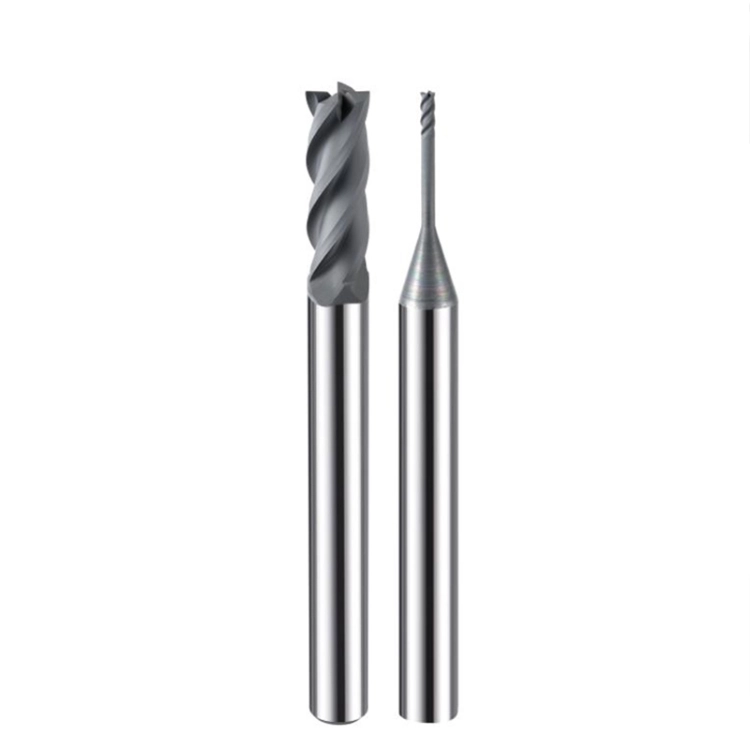
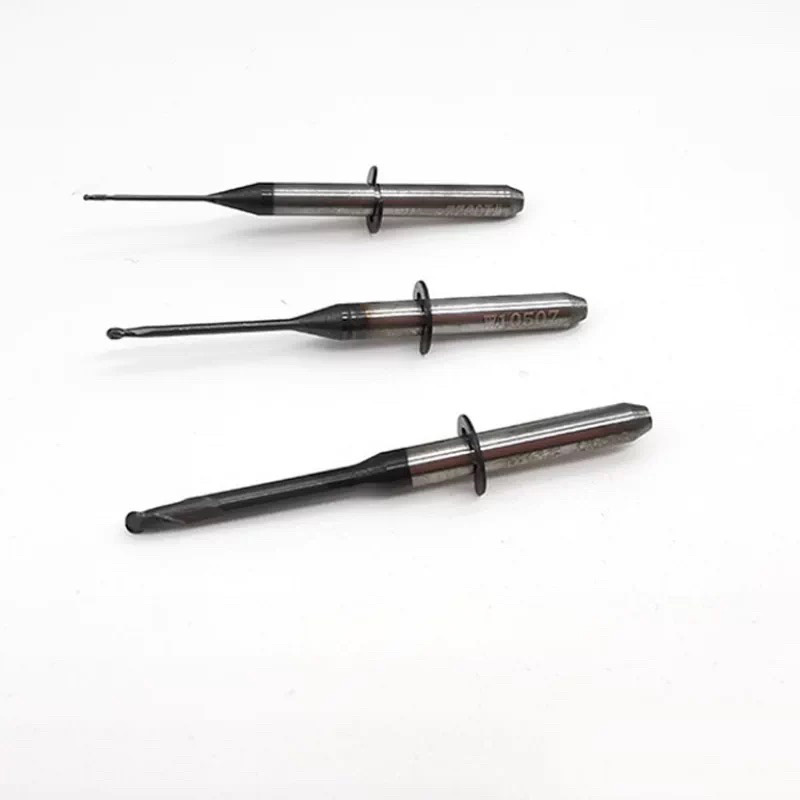
Geometry changes how the cutting edge contacts the material. For shaped surface work, 라운드 노즈 엔드밀 may be more relevant than a flat-bottom geometry.

Round Nose End Mill

Machine Compatibility

The tool should match spindle condition, holder setup, cutting path, and workholding. A coating cannot correct an unstable machining setup.

If the holder is loose or the workpiece is not clamped firmly, the coated edge may fail for reasons unrelated to the coating. That can lead buyers to reject the wrong part of the process.

Replacement Rhythm

Buyers should define how often tools can be changed without disturbing production. That helps decide whether a higher-performing coated tool is worth the investment.

For small-batch work, tool cost may be easier to control. For repeat machining, downtime and inspection drift can cost more than the tool itself. The order should reflect that difference.

What Should Buyers Ask About Material, Machine, and Surface Result?

Tool coatings only make sense when the buyer also checks the machine and the final part requirement.

Material Behavior

Different work materials wear the cutting edge in different ways. Buyers should name the material clearly so the supplier can judge whether CVD diamond coating is the right match or whether another setup is enough.

Machine Stability

A coating cannot fix a loose setup. Buyers should review spindle condition, holder accuracy, and rigidity before they expect the tool to improve surface result.

Surface Target

The desired finish matters because roughing and finishing jobs do not need the same tool behavior. A tool chosen only for wear resistance may not give the best finishing result if the geometry is wrong.

A finishing tool may need a different edge condition from a roughing tool. Buyers should separate those jobs in the RFQ so one tool is not expected to solve two different machining problems.

For end customers, the surface result is often the only thing they can judge. They may not know the coating process, but they can see chipped edges, fuzzy surfaces, or unstable dimensions. This is why the order discussion should include both tool life and the finish the buyer must deliver.

결론

CVD coating applications should be judged by material, edge wear, surface finish, and production rhythm. TSHZ’s diamond-coated cutting inserts and CVD diamond tooling references fit buyers who need better control in abrasive and precision-focused machining. The strongest decision comes from matching coating, geometry, and work material together.

자주 묻는 질문

What is CVD coating used for in cutting tools?

It is used to improve wear resistance and edge stability in suitable machining conditions, especially where abrasive materials are involved.

Are diamond-coated tools useful for every material?

No. They should be selected based on the work material, cutting condition, and required surface finish.

What should buyers confirm before ordering?

They should confirm workpiece material, tool geometry, machine condition, cutting parameters, replacement expectations, and the surface result that the finished part must meet.

태그:

목차

자주 묻는 질문

"가격은 지불하는 것이고, 비용은 잃는 것입니다. 20만 달러짜리 기계를 2시간마다 멈추게 하는 15달러짜리 공구는 공장에서 가장 비싼 물건입니다. 저희 CVD 공구는 가격이 더 높지만, 40시간 동안 중단 없이 스핀들을 가동할 수 있도록 해줍니다. 결국 어느 쪽이 더 많은 비용을 절감해 줄까요?"
저는 회의적인 사람들을 좋아합니다. 그들이 바로 저희 최고의 고객이 되는 경우가 많거든요. G5 흑연이나 18% 실리콘 알루미늄 소재의 일반 초경합금은 몇 분 만에 마모됩니다. 하지만 저희의 8,000달러짜리 HV$ 다이아몬드 결정층은 그런 마모를 전혀 견뎌내지 못합니다. 저희는 단순히 주장만 하는 것이 아니라, 이를 뒷받침하는 미세 마모 시험 보고서를 보유하고 있습니다. 비교 영상을 보고 싶으신가요?
잠깐만요. 공구를 팔고 싶지만, 다이아몬드와 철은 고온에서 화학적 친화력 때문에 '적'과 같습니다. 강철에는 저희 AlTiN 시리즈를 사용하세요. 하지만 흑연, 탄소섬유강화플라스틱(CFRP), 세라믹을 절삭할 때는 저희 CVD 방식이 단연 최고입니다. 저희는 금속만 파는 게 아니라 솔루션을 제공합니다.
이것이 바로 DLC(다이아몬드 유사 탄소)와 진정한 CVD의 차이점입니다. 대부분의 저가형 '다이아몬드' 공구는 얇은 막으로만 이루어져 있습니다. 저희 CVD는 탄화물 기판에 화학적으로 성장시킨 것입니다. 단순히 표면에 얹는 것이 아니라 공구의 일부가 됩니다. 벗겨짐 없이 순수한 절삭 성능을 제공합니다.
실제로 품질을 향상시켜 줍니다. 다이아몬드 코팅층이 매우 매끄럽고 날카로움이 20배 더 오래 유지되기 때문에 무딘 공구로 인한 '찢어짐' 현상을 방지할 수 있습니다. 첫 번째 부품과 마찬가지로 100번째 부품에서도 거울처럼 매끄러운 마감을 얻을 수 있습니다.
고객에게 공구를 팔지 말고 '기계 가동률'을 파세요. 이렇게 말하세요. '공구 하나를 사서 밤새도록 가동하시겠습니까, 아니면 공구 20개를 사서 누군가에게 공구를 교체하도록 돈을 지불하시겠습니까?' 인건비 절감만으로도 공구 가격을 충분히 상쇄할 수 있습니다.
"다이아몬드는 속도를 좋아합니다. 고속 회전일 때 가장 빛을 발하죠. 모든 주문에 맞춤형 절삭 데이터 시트를 제공해 드립니다. 잘 모르시겠다면 재질 등급을 알려주시면 최적의 Vc와 Fz 값을 계산해 드리겠습니다. 저희는 단순히 공구만 배송하는 것이 아니라 성공을 함께 배송합니다."
당사는 코팅 두께를 ±2μm 이내로 정밀하게 제어합니다. 고정밀 흑연 전극 가공에서는 미세한 차이도 중요하다는 것을 잘 알고 있습니다. 모든 배치에 대한 품질 관리 보고서를 통해 모든 공구에서 오프셋이 일관되게 유지되도록 보장합니다.
저희는 표준 사이즈 제품을 재고로 보유하고 있어 즉시 배송 가능합니다. DHL/FedEx를 이용하며, 일반적으로 4~7일 이내에 도착합니다. 기계 고장은 심각한 피해라는 것을 잘 알고 있으며, 저희는 그 피해를 신속하게 복구해 드리겠습니다.
저희는 자격을 갖춘 업체에 한해 '성능 보증' 샘플을 제공합니다. 고가의 기술에는 비용이 따르기 때문에 무료로 제공하지는 않지만, 만약 저희 제품이 현재 사용하시는 장비보다 최소 10배 이상 뛰어난 성능을 보여주지 못한다면, 다음 제품은 저희가 무료로 제공해 드립니다. 괜찮으시죠?
화학 기상 증착(CVD) 기술을 이용하여 탄화물 기판 표면에 순수 다이아몬드 박막을 "성장"시킵니다. 이 박막은 천연 다이아몬드와 유사한 특성을 나타내어 공구에 탁월한 경도와 내마모성을 제공합니다.
CVD 다이아몬드 코팅의 경도는 최대 9000HV에 달하여 오늘날 산업계에서 사용 가능한 가장 단단한 공구 코팅 중 하나입니다.
흑연 소재를 가공할 때 공구 수명은 일반적으로 3~18배 증가하며, PCB 가공에서는 20~30배까지 연장될 수 있습니다.
흑연은 마모성이 매우 높고 부서지기 쉬워 기존 공구의 마모를 빠르게 유발합니다. 반면 다이아몬드 코팅은 높은 경도로 마모를 효과적으로 방지하고 절삭날의 파손을 막아줍니다.
4날: 마무리 작업이나 경질 흑연 작업에 적합하며, 더 나은 표면 마감을 제공합니다. 2날: 깊은 슬로팅이나 소구경 공구(D2 미만)에 이상적이며, 충분한 칩 배출 공간을 확보하고 공구 파손을 방지합니다.
원칙적으로 드릴 직경은 최종 구멍 직경에서 도금 구리 두께를 뺀 값과 같습니다. 일반적으로 최종 구멍 직경이 0.5mm를 초과하는 경우 0.03~0.05mm를 보정하는 것이 좋습니다.
흑연이나 PCB를 가공할 때, 전체 길이가 짧을수록 강성이 향상되어 런아웃이 줄어들고 작업 중 공구 파손 위험이 최소화됩니다.
이는 드릴 마모 또는 드릴 후퇴 시 구리 호일에 가해지는 당김 작용으로 인해 드릴 구멍의 내벽에 발생하는 변형을 말합니다. CVD 다이아몬드 코팅 공구를 사용하면 못 머리가 크게 줄어들어 구멍 벽 품질이 향상됩니다.
재연마는 권장하지 않습니다. 재성형 과정에서 다이아몬드 코팅이 손상되어 경도가 낮은 기판이 노출되고 성능이 급격히 저하될 수 있습니다.
일반적으로 공구는 홀 벽 품질이 저하될 때(예: 50μm를 초과하는 버 또는 못 머리), 현미경으로 확인했을 때 모서리 마모가 보일 때, 또는 가공량이 권장 공구 수명의 80~90%에 도달했을 때 교체해야 합니다.
일반적으로 텅스텐 카바이드 공구보다 단가가 3~5배 높지만, 수명이 길어 구멍당 비용이 절감되어 장기적으로는 더 경제적입니다.
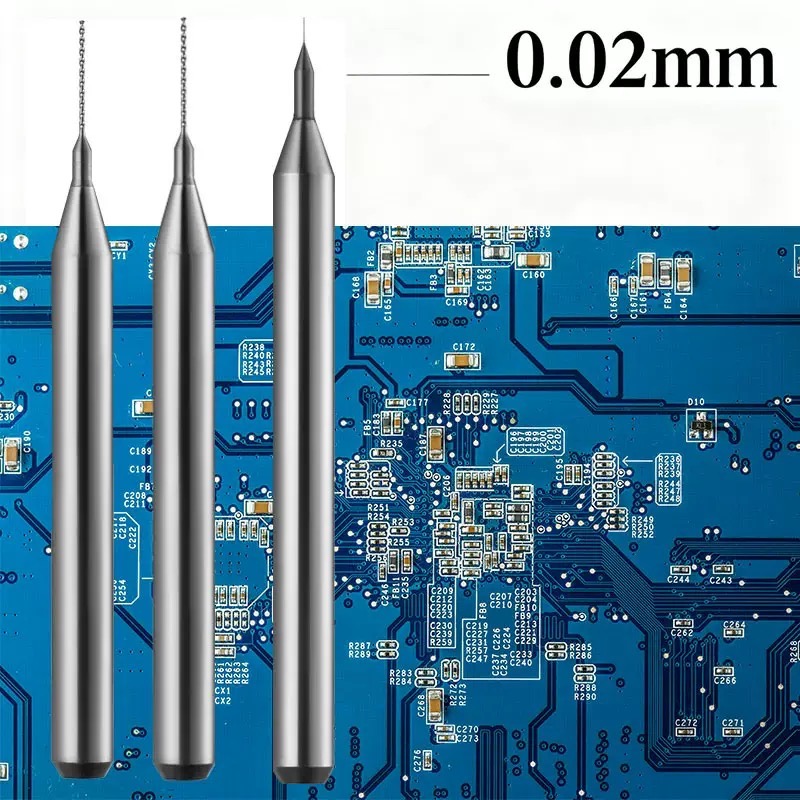
높은 마모성: PCB 재료에 포함된 유리 섬유는 매우 단단하고 부서지기 쉬워 일반 드릴 비트의 마모를 빠르게 유발합니다. 버 및 못머리: 구리 호일은 연성이 높아 구멍 입구에 버가 생기거나 구멍 밖으로 나올 때 "못머리" 모양의 결함이 발생하기 쉬워 구멍 벽면 품질이 저하됩니다. 열 방출 문제: 레진은 열전도율이 낮아 국부적인 과열이 발생하면 공구가 연화될 수 있습니다.
초고내마모성: 코팅 경도는 9000HV에 달하며, 수명은 기존 초경 드릴보다 20~30배 더 깁니다. 결함 감소: 매우 날카로운 절삭날이 버(burr) 및 못머리(nail head) 형성을 크게 최소화합니다. 열 안정성: 다이아몬드는 열전도율이 뛰어나 효율적인 열 방출을 가능하게 하고 구멍 벽면의 수지 연소를 방지합니다.
HDI/다층 기판: 칩 배출 성능이 뛰어난 특수 UC 플루트 디자인이 적용된 TS-A01UC 시리즈를 권장합니다. 고밀도 마이크로홀에 이상적입니다. 표준 FR-4/CEM 보드: 최고의 가격 대비 성능을 제공하는 TS-A02 ST 표준 시리즈를 권장합니다. 직경이 크거나 두꺼운 판재의 경우, 드릴 직경보다 큰 생크를 사용하여 최대 6.50mm 직경까지 드릴링이 가능한 TS-A03 시리즈를 권장합니다.
출구 버(burr) 제거: 기판 아래에 0.3~0.5mm 두께의 알루미늄 백킹 플레이트를 추가하고 리트랙션 매개변수를 최적화하십시오. 진입 시 발생하는 버(burr): 진입 시 이송 속도를 줄이거나 더 날카로운 다이아몬드 코팅 드릴 비트로 교체하십시오.
최신 제품

저희 제품을 확인해 보세요

더 보기
PCB drilling bit

PCB 다이아몬드 드릴 비트

칩 제거 및 홀 표면 조도가 우수하고 수명이 긴 PCB 드릴 비트로, 일반 다층 기판 및 HDI 기판, FR-4, CEM-1 기판, 친환경 기판 드릴링에 적합합니다. 직경 범위: 0.1~3.175mm, 최신 PCB 기판용으로 다이아몬드 코팅 드릴은 비트당 3,000개 이상의 구멍을 뚫을 수 있습니다.
더 읽어보기
Diamond-coated PCB tool

PCB 다이아몬드 코팅 밀링 커터

PCB 다이아몬드 코팅 밀링 커터는 PCB 라우팅 커터, 인쇄 회로 기판 밀링 커터 또는 조각 커터라고도 하며, 주로 PCB의 윤곽 절단, 슬로팅, 깊이 제어 밀링, V 홈 가공, 반구멍 가공 및 골드 핑거 모따기에 사용됩니다. 이러한 커터는 PCB 후처리 공정에서 가장 일반적으로 사용되는 초경 공구입니다.
더 읽어보기
Dental-burs-1

CVD 다이아몬드 치과용 버

마이크론 수준의 정밀 절삭과 뛰어난 내마모성, 그리고 부드러운 임상 경험의 균형을 자랑하는 이 치과용 버 시리즈는 고순도 일체형 스테인리스 스틸/카바이드 기판에 첨단 CVD 나노 다이아몬드(또는 고밀도 천연 다이아몬드 입자 전기 도금) 코팅을 적용했습니다. 치아 준비, 와동 접근, 충치 제거, 심미 수복(베니어 준비), 크라운/브릿지 절삭과 같은 고강도 임상 시술에 적합하도록 설계되었습니다. 초경질의 균일하게 분포된 다이아몬드 코팅은 강력한 절삭 효율을 제공하는 동시에 마찰열을 최소화하여 치수를 보호하므로 현대 디지털 치과에 최적의 선택입니다.
더 읽어보기
Flat-bottom-cylindrical-end-mill-1

다이아몬드 코팅 평저 원통형 엔드밀

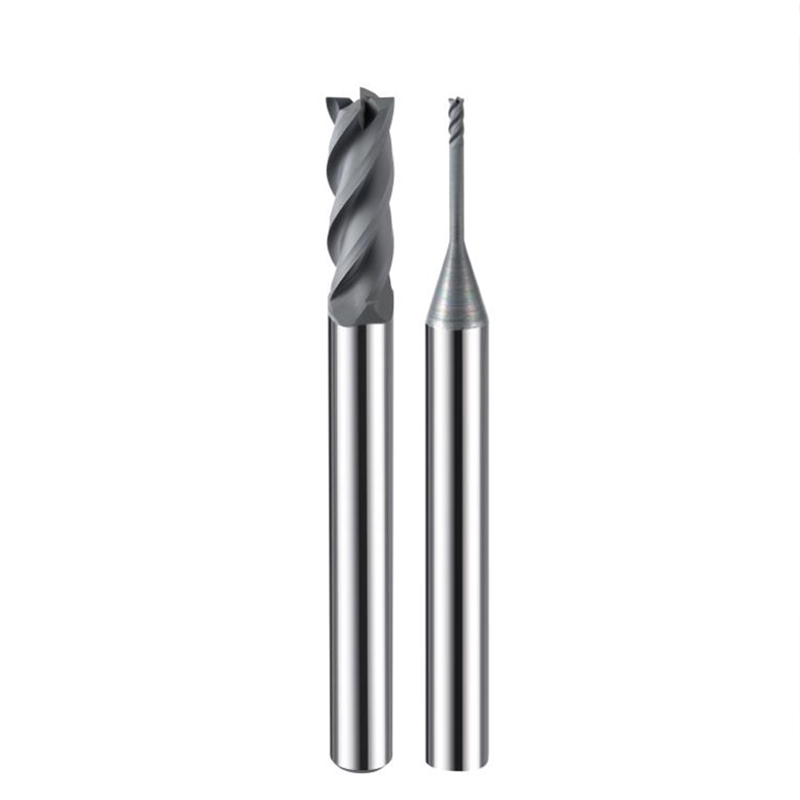
날카로운 절삭날과 넓은 칩 배출 공간을 갖춘 표준 2날/4날 설계로, 흑연 전극의 효율적인 황삭 및 준정삭에 적합합니다.
더 읽어보기
Get Standed
귀사의 공구는 "가공하기 어려운 소재" 시대에 발맞춰 발전하고 있습니까?

메시지를 남겨주세요

흑연, 세라믹, 탄소 섬유는 미래의 소재이지만, 공구를 망가뜨리는 주범이기도 합니다. 만약 아직도 전통적인 코팅 방식을 고수하고 있다면, 승산 없는 싸움을 하고 있는 것입니다.
당사의 CVD(화학 기상 증착) 다이아몬드 코팅은 탄화물 기판 위에 실제 결정질 다이아몬드 층을 형성합니다. 이는 단순한 "마감재"가 아니라 보호막입니다.

주요 유통업체들이 당사의 CVD 시리즈를 선택하는 이유:
1. 초저마찰: 칩 용접 및 열 축적을 방지합니다.
2. 뛰어난 내마모성: 날카로운 절삭면을 20배 더 오래 유지합니다.
3. 표면 마감: 가공물에 거울처럼 매끄러운 결과가 나타나며, 2차 연마가 전혀 필요하지 않습니다.


    이름*

    이메일

    전화

    왓츠앱*

    메시지

    제품
    콘택트 렌즈
    왓츠앱
    이메일