Nessuna dignità, davanti allo scelerisque l'is euismod fermentum odio sem semper the is erat, a feugiat leo urna eget eros. Duis Aenean un taglio di capelli per ridere.
Nessuna dignità, davanti allo scelerisque l'is euismod fermentum odio sem semper the is erat, a feugiat leo urna eget eros. Duis Aenean un taglio di capelli per ridere.
 autore
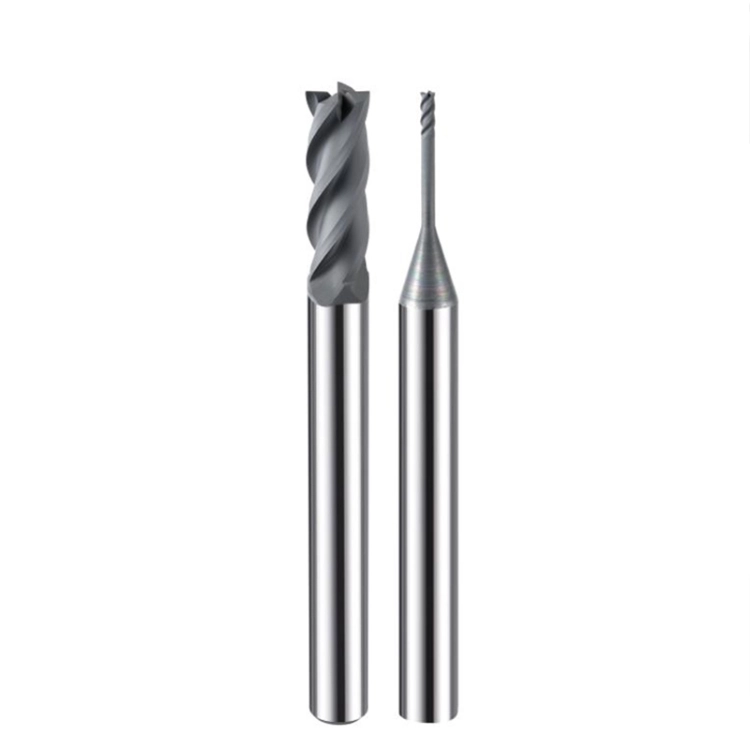
Una punta da trapano con rivestimento diamantato è generalmente l'opzione migliore quando i materiali abrasivi, le lunghe serie di produzione, la consistenza dei fori e la frequenza di cambio utensile sono le principali preoccupazioni. Le punte in metallo duro rimangono comunque una valida alternativa per le lavorazioni CNC generiche, i materiali meno abrasivi, i prototipi e i lotti più piccoli, dove la maggiore resistenza all'usura del rivestimento diamantato potrebbe non giustificarne il costo di acquisto più elevato. La decisione dovrebbe quindi basarsi sul materiale del pezzo, sulla durata prevista dell'utensile, sulla tolleranza dei fori, sul volume di produzione e sul costo per foro accettabile, piuttosto che sulla sola durezza.
Per gli acquirenti che confrontano punte da trapano in carburo e in diamante, la vera domanda non è quale materiale appaia migliore sulla scheda tecnica, bensì quale strumento mantenga stabile il processo al minor costo di produzione possibile.

I due tipi di utensili vengono spesso descritti come realizzati con materiali completamente diversi, ma la foratura industriale è un argomento più complesso. Una punta da trapano rivestita di diamante è generalmente realizzata con un substrato in carburo e acquisisce la sua maggiore resistenza all'usura grazie a uno strato di diamante CVD depositato sulla superficie di taglio.
Il carburo cementato è ancora spesso utilizzato per la sua rigidità e la sua specifica geometria di taglio. Ha una durezza di 1400-1800 HV, sufficiente per la maggior parte delle applicazioni CNC odierne.
Tuttavia, l'utilizzo di una punta a scanalatura presenta delle limitazioni quando i pezzi in lavorazione contengono fasi abrasive dure. Sebbene le fibre di vetro nei laminati per PCB, le fibre di carbonio nei materiali compositi e le particelle abrasive nella grafite non rappresentino in genere un problema, possono progressivamente arrotondare il tagliente della punta. Con l'usura del tagliente, la dimensione del foro, la quantità di bava residua sul pezzo e la qualità della superficie iniziano a deteriorarsi.
Il rivestimento CVD aggiunge uno strato di diamante policristallino all'utensile in carburo. La durezza del diamante CVD si aggira intorno ai 9000-10000 HV, con un coefficiente di attrito di circa 0,05-0,1 e uno spessore del rivestimento controllabile nell'intervallo 1-30 μm.
Naturalmente, nella scelta di una punta da trapano, non si tiene conto solo della resistenza alla rottura. Una punta con usura del tagliente più lenta, basso attrito e alta conduttività termica consentirà alla geometria di taglio di rimanere intatta più a lungo.
TSHZ L'azienda sviluppa utensili da taglio superduri basati su un substrato in carburo e un rivestimento CVD. La sua gamma di prodotti comprende micro-trapane di precisione per PCB, utensili in grafite, frese, frese dentali e una serie di utensili personalizzati con rivestimento diamantato per la lavorazione di materiali abrasivi. Il rivestimento non è considerato un aggiornamento universale, ma piuttosto un componente specifico per la funzione, la cui scelta dipende dal materiale del pezzo, dal design dell'utensile e dalle esigenze di produzione.
Per gli utenti che valutano le punte da trapano con rivestimento diamantato CVD, questa distinzione è fondamentale. Il rivestimento migliora le prestazioni superficiali di un utensile in metallo duro opportunamente progettato; tuttavia, non elimina la necessità di una geometria adeguata, di un'efficace evacuazione dei trucioli e di parametri di lavorazione precisi.
Il rivestimento diamantato è particolarmente adatto a materiali abrasivi non ferrosi e non metallici come grafite, CFRP, laminati per PCB, ceramica e alluminio ad alto contenuto di silicio.
Non deve essere considerato un sostituto universale del carburo. Il diamante ha un comportamento chimico sfavorevole con il ferro ad alte temperature di taglio, quindi i materiali ferrosi come l'acciaio temprato e l'acciaio inossidabile richiedono una strategia di utensileria diversa.
Per questo motivo, le punte da trapano per materiali abrasivi dovrebbero essere selezionate partendo dal pezzo in lavorazione verso l'esterno, piuttosto che basandosi semplicemente sulla durezza del rivestimento.
Il vantaggio diventa più evidente quando l'usura dell'utensile inizia a compromettere la stabilità del processo. I casi più significativi si riscontrano solitamente nei materiali abrasivi, nella produzione ripetitiva e nelle applicazioni in cui piccole variazioni nelle condizioni del tagliente creano costosi difetti di foratura.
In alcune applicazioni su PCB, gli utensili rivestiti in diamante CVD possono raggiungere una durata notevolmente superiore rispetto al carburo ordinario. I dati applicativi di TSHZ includono casi su PCB che raggiungono una durata 20-30 volte superiore rispetto al carburo, mentre gli esempi di lavorazione della grafite variano da circa 3 a 18 volte. Questi valori devono essere considerati specifici per l'applicazione piuttosto che universali, poiché il diametro, la struttura del laminato, le condizioni del mandrino e la geometria dell'utensile influenzano la durata effettiva.
È qui che le punte da trapano rivestite di diamante per la lavorazione CNC diventano commercialmente interessanti. Un intervallo di taglio più lungo significa meno cambi utensile e meno deriva dimensionale causata da un tagliente progressivamente usurato.
Il diamante ha una conduttività termica dichiarata di circa 2000 W/(m·K), mentre la superficie CVD ha un coefficiente di attrito molto basso.
Nella foratura, queste proprietà offrono due vantaggi pratici. Un attrito inferiore riduce la resistenza al taglio e l'adesione dei trucioli. Un'elevata conduttività termica allontana più rapidamente il calore dalla zona di taglio.
Questo è importante nel caso di pannelli contenenti resina e altri materiali compositi termosensibili, dove un utensile usurato o surriscaldato può contribuire alla formazione di sbavature, alla ruvidezza delle pareti del foro o a un comportamento instabile durante la foratura.
FR-4 combina fibra di vetro, resina e lamina di rame. Le fibre di vetro accelerano l'usura abrasiva, mentre la diminuzione dell'affilatura dei bordi può contribuire alla formazione di bave, alla formazione di teste di chiodo, alla deviazione della posizione del foro e alla rugosità delle pareti del foro.
Per lavori multistrato e HDI impegnativi, il TSHZ Punta diamantata per trapano PCB La gamma comprende la serie TS-A01UC. La sua applicazione è incentrata sull'evacuazione dei chip e sulla finitura dei fori in schede multistrato e HDI. La gamma di specifiche TS-A01UC comprende diametri da circa 0,2 a 1,2 mm.
Per questo tipo di produzione, una punta da trapano rivestita di diamante è preziosa perché è progettata per mantenere stabile il tagliente più a lungo, anziché semplicemente per forare più velocemente.

Un rivestimento più costoso non si traduce automaticamente in una maggiore convenienza economica. Gli acquirenti dovrebbero innanzitutto valutare se l'usura degli utensili stia effettivamente limitando il processo attuale.
Per materiali a bassa abrasione, forature ordinarie e applicazioni con requisiti di qualità del foro modesti, il carburo può già garantire una durata dell'utensile sufficiente.
Se una punta in carburo completa il lotto senza un degrado significativo del tagliente, deriva dimensionale o cambi utensile eccessivi, il passaggio a un rivestimento diamantato potrebbe aumentare i costi senza risolvere un problema reale.
La produzione di prototipi e di piccoli lotti spesso privilegia il carburo perché il volume di taglio potrebbe non essere sufficiente a compensare il costo aggiuntivo del rivestimento.
Il calcolo cambia nella produzione continua. Se le frequenti sostituzioni arrestano il mandrino, richiedono la regolazione degli utensili o creano interruzioni per l'ispezione, il maggiore intervallo di lavoro di un utensile rivestito diventa più rilevante.
Per la lavorazione di acciaio e altri materiali ricchi di ferro, il diamante non dovrebbe essere scelto semplicemente perché è più duro.
La compatibilità dei materiali è fondamentale. Questo requisito è particolarmente importante per i team di acquisto che si occupano di reperire punte da trapano per materiali abrasivi, poiché la sola dicitura "abrasivo" non garantisce l'idoneità del rivestimento diamantato.
Un processo di selezione efficace dovrebbe combinare le caratteristiche del materiale, il volume di produzione, la geometria del foro e il costo del processo. Confrontare solo i prezzi degli utensili solitamente fornisce una risposta incompleta.
| Situazione di lavorazione | Punta da trapano in carburo | Trapano rivestito di diamante |
| Lavorazione generale a bassa abrasione | Esplicativo | Spesso non indispensabile |
| Prototipi e piccole serie | Solitamente economico | Dipende dal beneficio in termini di durata dell'utensile |
| Produzione standard di PCB | Adatto in molti casi | Utile laddove l'usura limita la resa |
| HDI e PCB multistrato abrasivo | L'usura più rapida potrebbe diventare un problema | Candidato forte |
| CFRP e compositi abrasivi | L'usura deve essere monitorata attentamente | Spesso più adatto |
| Grafite | L'usura abrasiva può essere rapida | Candidato forte |
Per le punte da trapano diamantate per la foratura di circuiti stampati, il volume di produzione è quasi altrettanto importante quanto il tipo di laminato. Uno strumento che costa di più all'acquisto può comunque risultare più economico da utilizzare se produce un maggior numero di fori di qualità accettabile prima di essere sostituito.
TSHZ suddivide la sua gamma di foratura per PCB in base all'applicazione, anziché offrire un'unica geometria per ogni scheda.
La serie TS-A01UC è pensata per la foratura di materiali multistrato e HDI. La serie TS-A02 ST è destinata a materiali più convenzionali come FR-4 e pannelli CEM-E. La serie TS-A03 soddisfa le esigenze di foratura di dimensioni maggiori e include punte con diametri fino a 6,5 mm.
Anche il diametro del foro deve tenere conto delle specifiche finali e della tolleranza di placcatura. Per fori superiori a 0,5 mm, le linee guida di selezione disponibili includono un intervallo tipico di compensazione della placcatura di circa 0,03-0,05 mm, sebbene il valore finale debba essere determinato dal processo effettivo di produzione del PCB.
Un utile calcolo per gli acquisti è il seguente:
Costo per foro = Costo dell'utensile ÷ Numero totale di fori accettabili prodotti
Il solo costo dell'utensile non include i tempi di inattività dovuti al cambio utensile, all'interruzione della macchina, alla regolazione dell'offset, all'ispezione o agli scarti causati da una punta da trapano eccessivamente usurata.
In applicazioni selezionate, gli utensili con rivestimento CVD hanno ridotto i costi complessivi degli utensili di circa il 20-30% e i tempi di cambio utensile di circa il 90%. Si tratta di risultati applicativi, non di dati garantiti, ma dimostrano perché una punta da trapano con rivestimento diamantato dovrebbe essere valutata in base ai costi di produzione anziché al solo prezzo di acquisto.
Una volta definiti i requisiti relativi ai materiali e alla produzione, il passo successivo consiste nell'adattare la struttura della punta di foratura al processo effettivo. TSHZ supporta sia la foratura standard dei PCB che gli utensili CVD specifici per l'applicazione.
IL Punta diamantata per trapano PCB La gamma è particolarmente rilevante laddove FR-4, schede multistrato, strutture HDI o altri laminati per PCB abrasivi causano una rapida usura dei bordi.
La TS-A01UC è la soluzione più adatta per le operazioni di microforatura più impegnative, mentre le TS-A02 ST e TS-A03 coprono diverse esigenze in termini di dimensioni e diametri dei circuiti stampati. Questo semplifica la selezione del prodotto rispetto al considerare ogni lavoro di foratura di PCB come un'unica applicazione.
Per progetti che vanno oltre la foratura di PCB, TSHZ offre Utensili da taglio con rivestimento diamantato CVD per materiali quali grafite, CFRP, alluminio ad alto contenuto di silicio e altri pezzi non ferrosi o non metallici abrasivi.
La domanda utile non è se il diamante sia più duro del carburo, ma se il rivestimento sia in grado di preservare più a lungo la geometria e le condizioni di taglio richieste, sotto l'effettivo carico del materiale.
Gli strumenti standard del catalogo non possono coprire ogni diametro del foro, portata, geometria della scanalatura o struttura del pezzo. Per questi casi, TSHZ fornisce un servizio di profilo personalizzato in base alle caratteristiche del materiale, alle condizioni di lavorazione, ai requisiti dimensionali e alle prestazioni previste dell'utensile.
Prima di selezionare un utensile personalizzato, è necessario preparare informazioni sul materiale del pezzo, sul diametro e sulla profondità del foro richiesti, sulla tolleranza, sulla durata residua dell'utensile in metallo duro esistente, sulle condizioni del mandrino e sulla dimensione prevista del lotto. Questi dettagli forniranno al team di ingegneri una base più utile per la selezione dell'utensile.
Se la tua punta da trapano in metallo duro si sta consumando troppo velocemente, produce fori irregolari o ti costringe a frequenti cambi di utensile, condividi le informazioni sul materiale, le specifiche del foro, la dimensione del lotto e la durata residua dell'utensile tramite TSHZ contatto canale. Questo aiuta a determinare se una foratura standard per PCB, un'altra configurazione CVD o un profilo personalizzato sia la soluzione più sensata.
Una punta da trapano rivestita di diamante è sempre migliore di una punta in metallo duro?
No. Una punta da trapano rivestita di diamante è più utile per materiali abrasivi non ferrosi o non metallici e per produzioni di lunga durata. Il carburo può risultare più economico per lavorazioni generiche, piccoli lotti e applicazioni in cui l'usura non rappresenta un fattore limitante.
Quali materiali sono adatti per punte da trapano rivestite di diamante?
Le applicazioni tipiche includono laminati per PCB, grafite, CFRP, ceramica e alluminio ad alto contenuto di silicio. È comunque necessario verificare la composizione chimica del materiale, poiché il rivestimento diamantato non è generalmente indicato per materiali ricchi di ferro come l'acciaio.
Perché si utilizzano punte da trapano rivestite di diamante per la foratura dei circuiti stampati?
Le fibre di vetro presenti nei PCB di tipo FR-4, così come nei PCB multistrato, sono molto abrasive. Le punte da trapano diamantate per la foratura dei PCB mantengono il loro tagliente più a lungo. Ciò consente di controllare la formazione di bave, lo spessore delle pareti del foro, la presenza di chiodi, ecc., e di ridurre la frequenza di cambio utensile durante la produzione di massa.
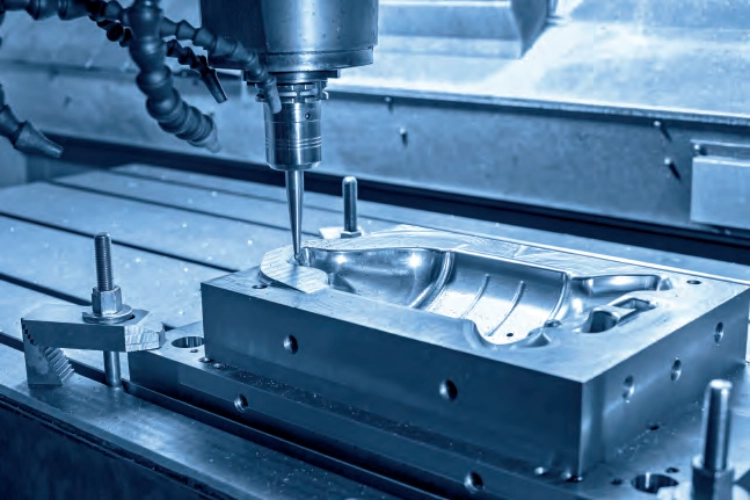
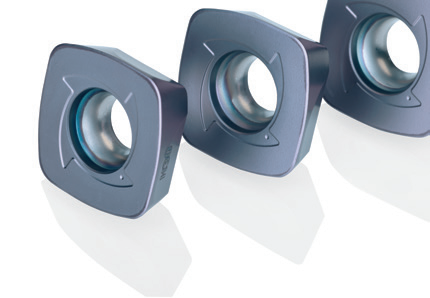
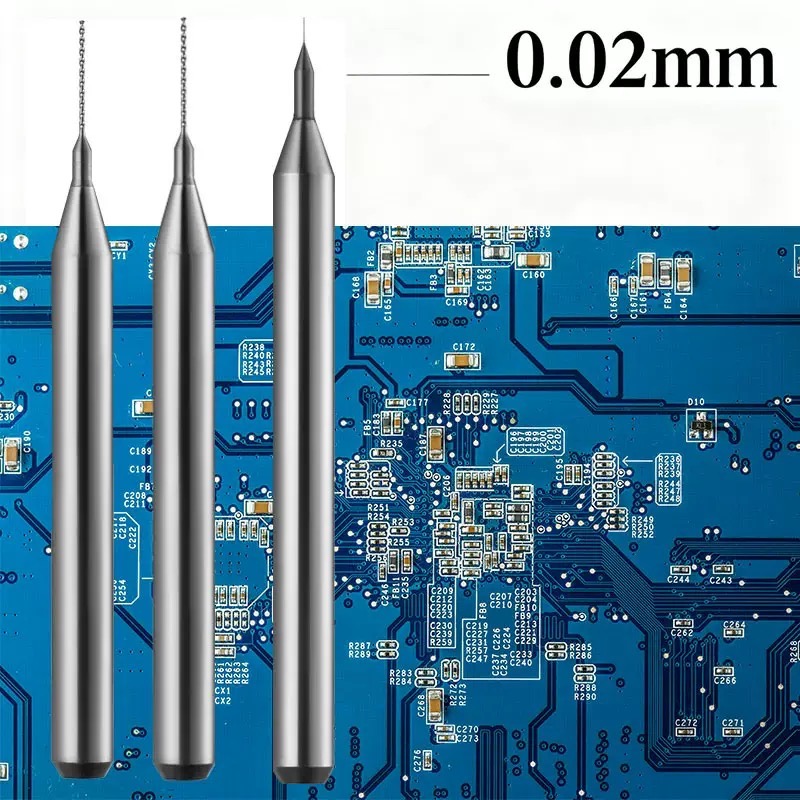
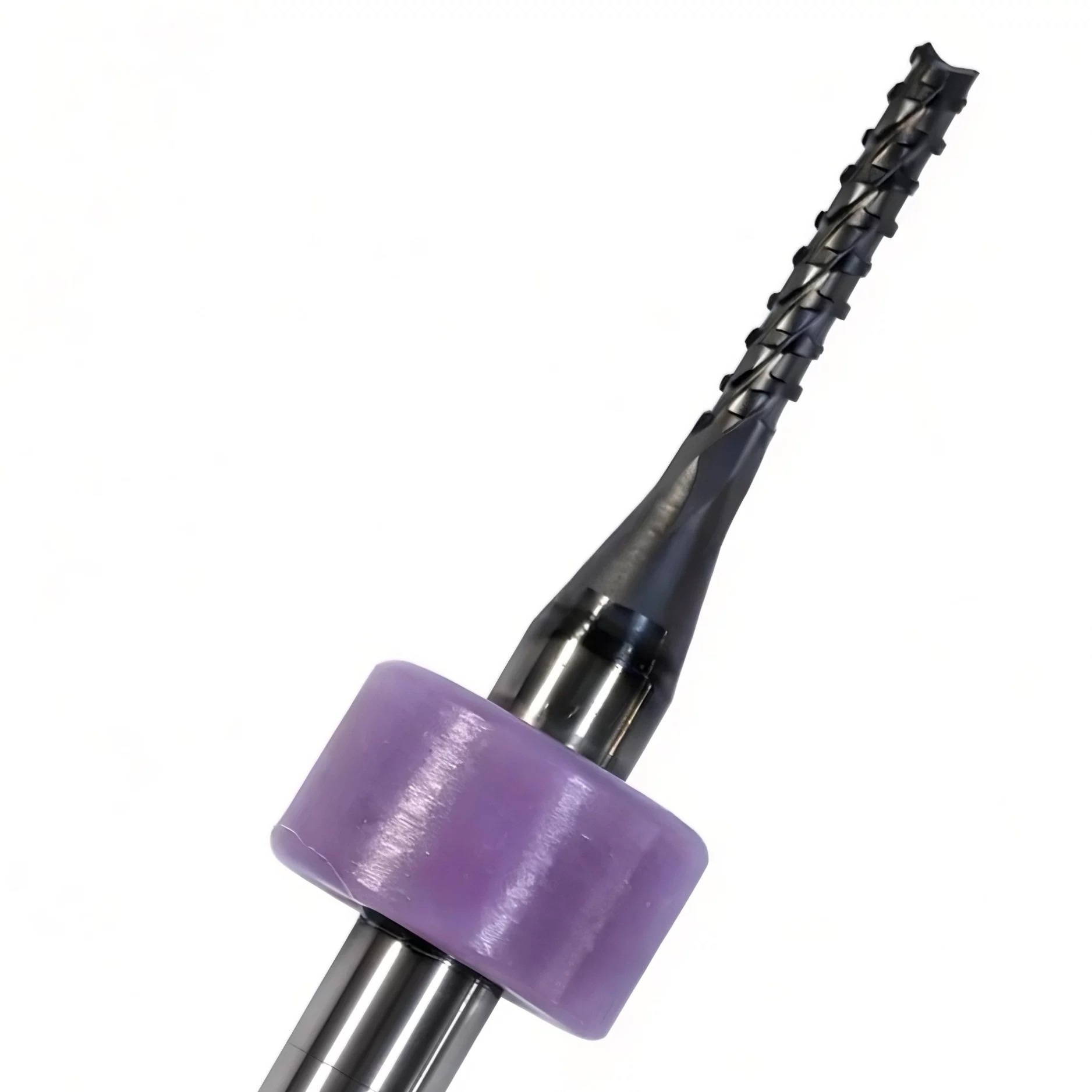
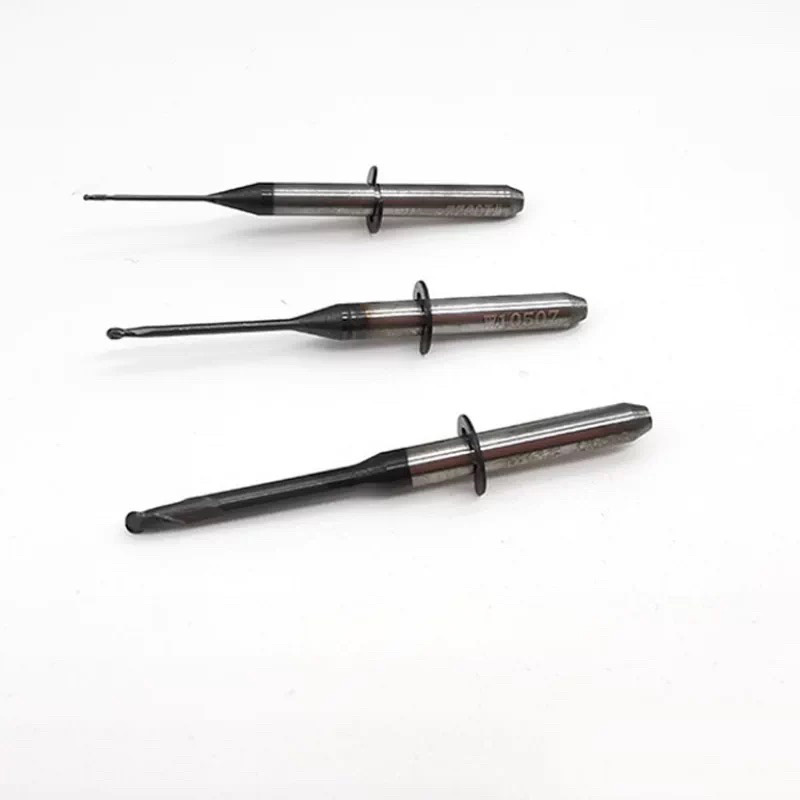
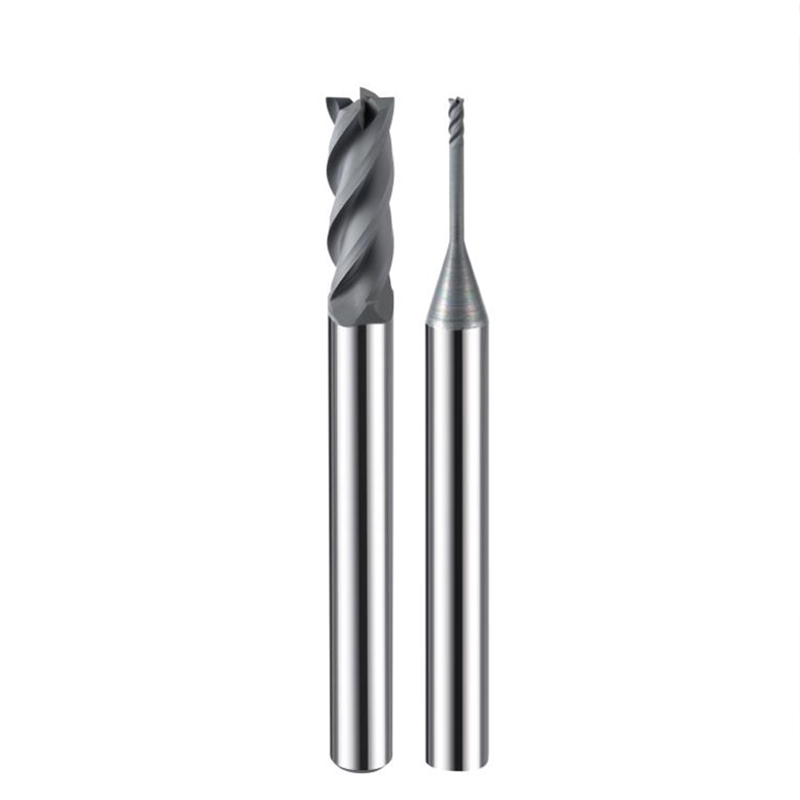
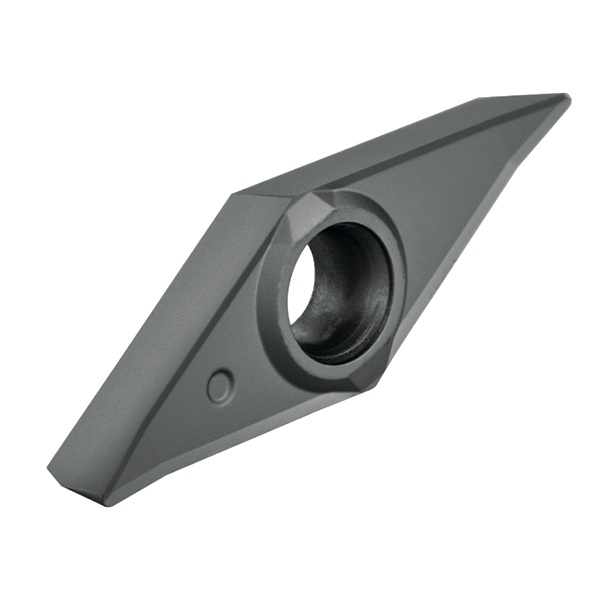
Grafite, ceramica e fibra di carbonio rappresentano il futuro, ma sono "dannose per gli utensili". Se utilizzate ancora i rivestimenti tradizionali, state combattendo una battaglia persa in partenza.
Il nostro rivestimento diamantato CVD (Chemical Vapor Deposition) crea un vero e proprio strato di diamante cristallino sul substrato di carburo. Non si tratta di una semplice "finitura", ma di una vera e propria protezione.
Perché i migliori distributori scelgono la nostra serie CVD:
1. Attrito ultra-basso: previene la saldatura dei trucioli e l'accumulo di calore.
2. Resistenza estrema all'abrasione: mantiene i bordi taglienti 20 volte più a lungo.
3. Finitura superficiale: risultati a specchio sul pezzo, senza necessità di lucidatura secondaria.