Sin dignidad, ante el scelerisque el odio es euismod fermentum sem semper the is erat, a feugiat leo urna eget eros. Duis Enean un corte de pelo para reír.
Sin dignidad, ante el scelerisque el odio es euismod fermentum sem semper the is erat, a feugiat leo urna eget eros. Duis Enean un corte de pelo para reír.
 autor
autor
Las aplicaciones de recubrimiento CVD son especialmente recomendables cuando una herramienta de corte debe enfrentarse a materiales abrasivos, mecanizado repetido y una exigente estabilidad del filo. Los compradores suelen priorizar la vida útil de la herramienta, el acabado superficial y minimizar los cambios inesperados durante la producción. La elección del recubrimiento debe contribuir directamente a alcanzar estos objetivos.
TSHZ Trabaja con soluciones de herramientas de corte de diamante y superduras, incluidas herramientas con recubrimiento de diamante CVD para condiciones de mecanizado exigentes. Para los compradores, la pregunta clave no es si la tecnología CVD suena avanzada, sino dónde mejora realmente el rendimiento de corte.

¿Por qué es importante el recubrimiento CVD en las herramientas de diamante?
El recubrimiento CVD es importante porque el filo es donde la herramienta se enfrenta al calor, la fricción y el desgaste. Un mejor recubrimiento puede ayudar a que la herramienta conserve su filo durante más tiempo en el material adecuado.
Lo realmente útil no es el nombre del recubrimiento en sí. El comprador necesita saber qué problema resuelve: desgaste por abrasión, acabado inestable, corta vida útil de la herramienta o reemplazo frecuente de la misma. Si ese problema no está presente, un recubrimiento más complejo podría no aportar valor práctico.
Resistencia al desgaste
Los materiales abrasivos pueden desgastar rápidamente una herramienta. El recubrimiento de diamante CVD es valioso cuando la pieza de trabajo genera una abrasión constante en los bordes y el comprador necesita un ritmo de producción más estable.
Retención de bordes
La retención del filo afecta tanto a la calidad de la pieza como a la frecuencia de cambio de herramienta. Si el filo se desgasta prematuramente, la máquina puede seguir funcionando, pero la calidad de la pieza terminada puede verse afectada.
Esa desviación resulta costosa porque suele aparecer gradualmente. Las primeras piezas pueden pasar la inspección, mientras que las posteriores requieren una revisión o reprocesamiento adicional. Los compradores deben relacionar la selección del recubrimiento con el margen de calidad que necesitan proteger.
Impacto en el acabado superficial
El estado de la herramienta afecta al acabado superficial de la pieza. Un filo estable contribuye a mantener un acabado superficial más uniforme, especialmente en la producción repetida en lugar de en cortes puntuales.
¿Dónde se ajustan mejor los insertos con recubrimiento de diamante?
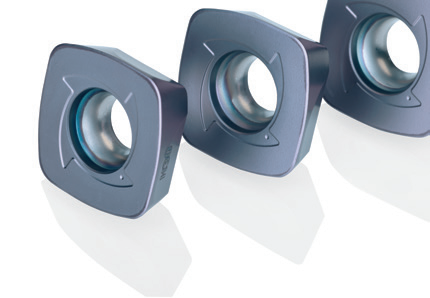
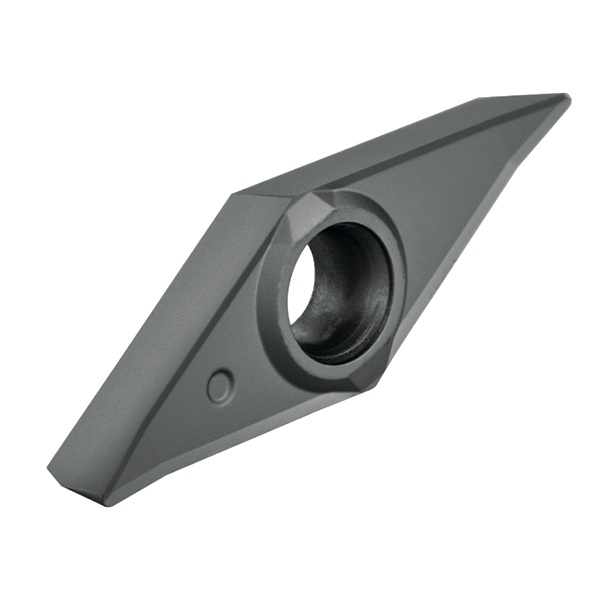
Las plaquitas con recubrimiento de diamante son ideales cuando la herramienta requiere un comportamiento de filo robusto en procesos de mecanizado difíciles. El comprador debe seleccionar la geometría y el recubrimiento de la plaquita adecuados para el material de trabajo.
Materiales de alta resistencia al desgaste
Los materiales que generan una alta abrasión necesitan un filo de corte que pueda resistir el desgaste. Insertos de corte con recubrimiento de diamante Son relevantes cuando el comprador necesita herramientas de inserción para dichas condiciones de producción.
Repetición de ciclos de mecanizado
Las repeticiones de la producción ejercen mayor presión sobre la consistencia de la herramienta. Un recubrimiento que ayude a mantener el filo puede reducir la variación entre las primeras piezas y las últimas de la misma producción.
Esto es importante en la planta de producción porque los cambios de herramientas interrumpen más que el horario del operario. Pueden afectar la utilización de la máquina, los tiempos de inspección y los plazos de entrega. Si un comprador produce la misma pieza cada semana, una herramienta que conserve su filo durante más tiempo puede proteger todo el ritmo de producción, no solo la estación de corte.
Trabajo enfocado en la precisión
El trabajo de precisión no admite grandes desviaciones. Los compradores deben comprobar si el recubrimiento y la geometría permiten alcanzar la tolerancia, el acabado superficial y el ritmo de mecanizado deseados.
¿Qué materiales y condiciones de corte resultan más beneficiosos?
No todos los materiales requieren recubrimiento de diamante CVD. El ajuste se vuelve más fuerte cuando el material es abrasivo, difícil de acabar limpiamente o sensible al desgaste de la herramienta. Los compradores que deseen una visión más amplia de la ruta de recubrimiento pueden revisar Aplicaciones de la tecnología de recubrimiento de diamante CVD antes de estrechar la forma de la herramienta.
Materiales duros o abrasivos
Los materiales no metálicos duros o abrasivos son candidatos comunes. Los compradores deben revisar el material de la pieza de trabajo antes de elegir la herramienta, ya que una incompatibilidad puede suponer una pérdida de tiempo y presupuesto.
El nombre del material por sí solo puede no ser suficiente. Los rellenos, el contenido de fibra, la variación de la dureza y el estado de la superficie pueden modificar el comportamiento ante el desgaste. Los compradores deben proporcionar la mayor cantidad de detalles posible sobre la aplicación antes de solicitar herramientas recubiertas.
Los recubrimientos de diamante CVD (con un espesor típico de 2 µm a 10 µm) ofrecen la máxima eficiencia en el mecanizado de materiales no ferrosos y no metálicos, como polímeros reforzados con fibra de carbono (CFRP), aleaciones de aluminio con alto contenido de silicio (AlSi12+), electrodos de grafito y cerámica verde. Sin embargo, los compradores deben evitar el uso de herramientas con recubrimiento de diamante en aleaciones ferrosas o aceros; las temperaturas de corte superiores a 600 °C provocan una afinidad química entre el hierro y el carbono, lo que conlleva una rápida grafitización del diamante y una rotura catastrófica del filo.
Control de calor y fricción
El calor y la fricción modifican el comportamiento de la herramienta bajo carga. El recubrimiento CVD puede ser útil en las condiciones adecuadas, pero la máquina, la velocidad, el avance y la geometría de la herramienta siguen siendo factores importantes.
Comportamiento del chip
Un buen comportamiento de las virutas favorece un corte más limpio y ayuda a proteger el filo. Si las virutas rozan, se compactan o se vuelven a cortar, la herramienta puede desgastarse más rápido y dejar una superficie de peor calidad.
Los operarios suelen notarlo antes que los gerentes. El sonido del corte cambia, la superficie se vuelve menos limpia o el borde empieza a deformarse. Los compradores deberían considerar estas señales en el taller como información útil al elegir herramientas recubiertas para la producción en serie.
¿Qué deben comprobar los compradores antes de realizar un pedido?
El orden óptimo comienza con el material de trabajo, el estado de la máquina y el objetivo de la pieza. El comprador no debe elegir la herramienta únicamente por el nombre del recubrimiento.
Geometría de la herramienta
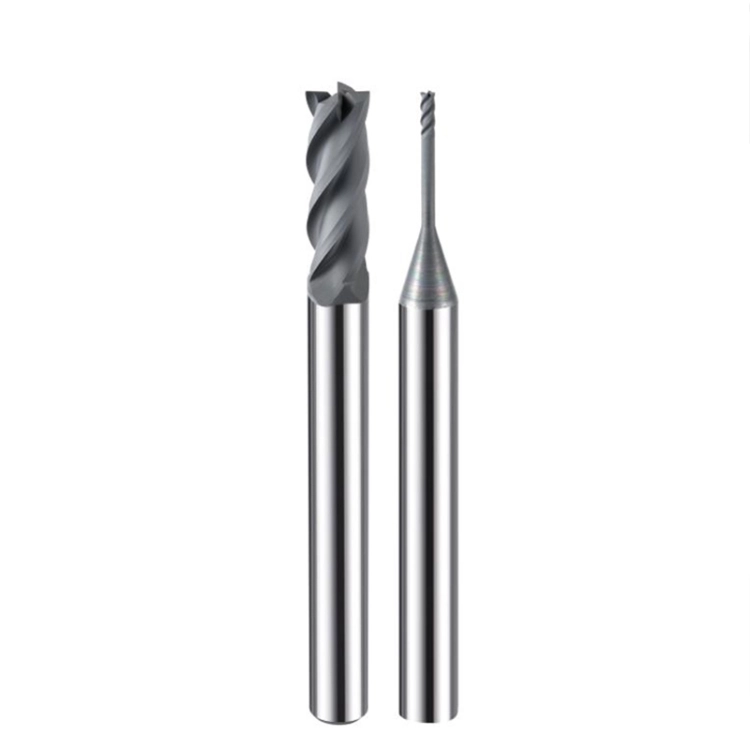
La geometría cambia la forma en que el filo de corte entra en contacto con el material. Para trabajos en superficies con formas, Fresa de extremo de punta redonda puede ser más relevante que una geometría de fondo plano.

Compatibilidad de la máquina
La herramienta debe ser compatible con el estado del husillo, la configuración del portaherramientas, la trayectoria de corte y la sujeción de la pieza. Un recubrimiento no puede corregir una configuración de mecanizado inestable.
Si el soporte está suelto o la pieza no está sujeta firmemente, el borde recubierto puede fallar por razones ajenas al recubrimiento. Esto puede llevar a los compradores a rechazar la parte incorrecta del proceso.
Ritmo de reemplazo
Los compradores deben definir con qué frecuencia se pueden cambiar las herramientas sin interrumpir la producción. Esto ayuda a decidir si vale la pena invertir en una herramienta recubierta de mayor rendimiento.
Para trabajos de lotes pequeños, el costo de las herramientas puede ser más fácil de controlar. Para el mecanizado repetitivo, el tiempo de inactividad y la desviación en la inspección pueden costar más que la propia herramienta. El pedido debe reflejar esa diferencia.
¿Qué preguntas deben hacer los compradores sobre el material, la máquina y el resultado final de la superficie?
Los recubrimientos para herramientas solo tienen sentido cuando el comprador también verifica la máquina y los requisitos de la pieza final.
Comportamiento del material
Los distintos materiales de trabajo desgastan el filo de diferentes maneras. Los compradores deben especificar claramente el material para que el proveedor pueda determinar si el recubrimiento de diamante CVD es el adecuado o si basta con otra configuración.
Estabilidad de la máquina
Un recubrimiento no puede solucionar un problema de ajuste deficiente. Los compradores deben revisar el estado del husillo, la precisión del soporte y su rigidez antes de esperar que la herramienta mejore el resultado del acabado superficial.
Objetivo de superficie
El acabado deseado es importante porque las tareas de desbaste y acabado no requieren el mismo comportamiento de la herramienta. Una herramienta elegida únicamente por su resistencia al desgaste puede no ofrecer el mejor resultado de acabado si su geometría es incorrecta.
Una herramienta de acabado puede requerir un filo diferente al de una herramienta de desbaste. Los compradores deben separar estas tareas en la solicitud de cotización para que no se espere que una sola herramienta resuelva dos problemas de mecanizado distintos.
Para los clientes finales, el resultado superficial suele ser lo único que pueden evaluar. Quizás desconozcan el proceso de recubrimiento, pero pueden observar bordes astillados, superficies irregulares o dimensiones inestables. Por ello, en la negociación del pedido deben incluirse tanto la vida útil de la herramienta como el acabado que el comprador debe entregar.
Conclusión
Las aplicaciones de recubrimiento CVD deben evaluarse según el material, el desgaste de los bordes, el acabado superficial y el ritmo de producción. Las plaquitas de corte con recubrimiento de diamante y las herramientas de diamante CVD de TSHZ son ideales para quienes necesitan un mayor control en el mecanizado abrasivo y de alta precisión. La mejor decisión se basa en la compatibilidad entre el recubrimiento, la geometría y el material de trabajo.
Preguntas frecuentes
¿Para qué se utiliza el recubrimiento CVD en las herramientas de corte?
Se utiliza para mejorar la resistencia al desgaste y la estabilidad del filo en condiciones de mecanizado adecuadas, especialmente cuando se utilizan materiales abrasivos.
¿Son útiles las herramientas con recubrimiento de diamante para todos los materiales?
No. Deben seleccionarse en función del material de trabajo, las condiciones de corte y el acabado superficial requerido.
¿Qué deben confirmar los compradores antes de realizar un pedido?
Deben confirmar el material de la pieza, la geometría de la herramienta, el estado de la máquina, los parámetros de corte, las expectativas de reemplazo y el resultado superficial que debe cumplir la pieza terminada.
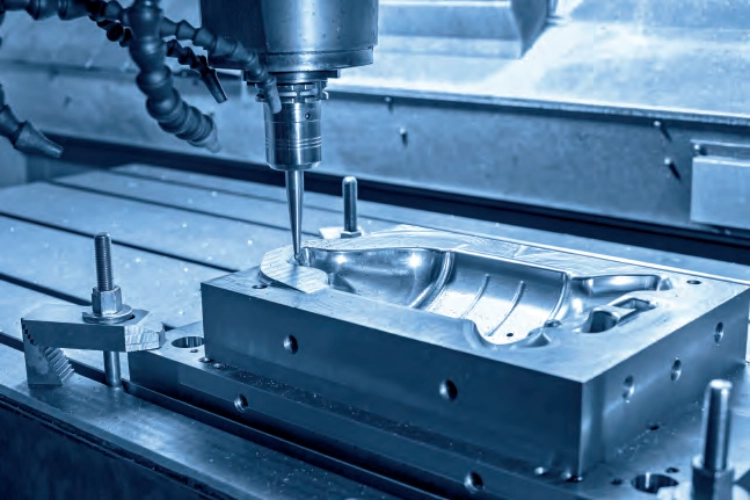
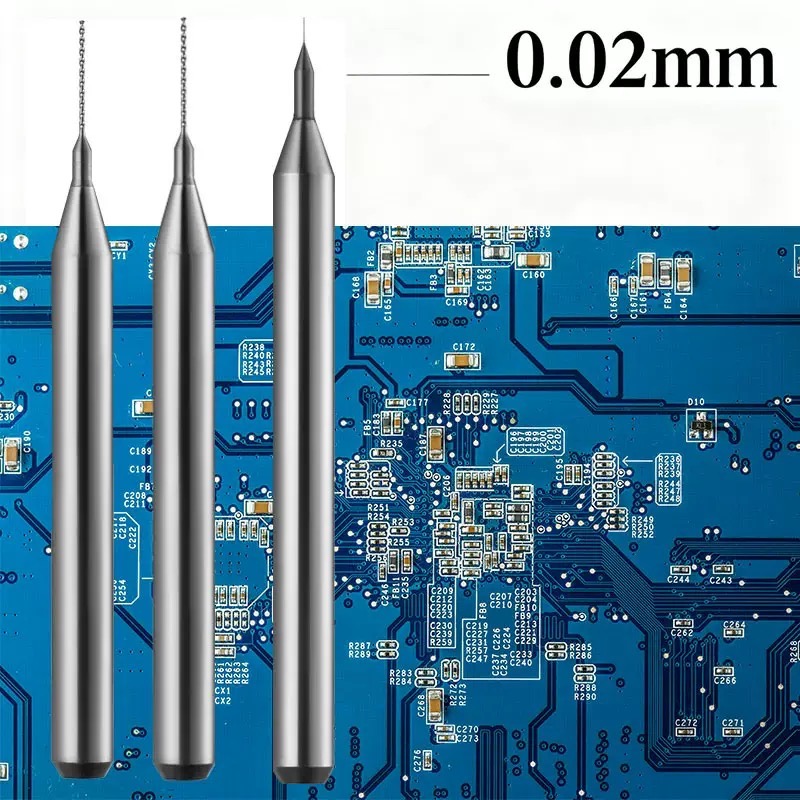
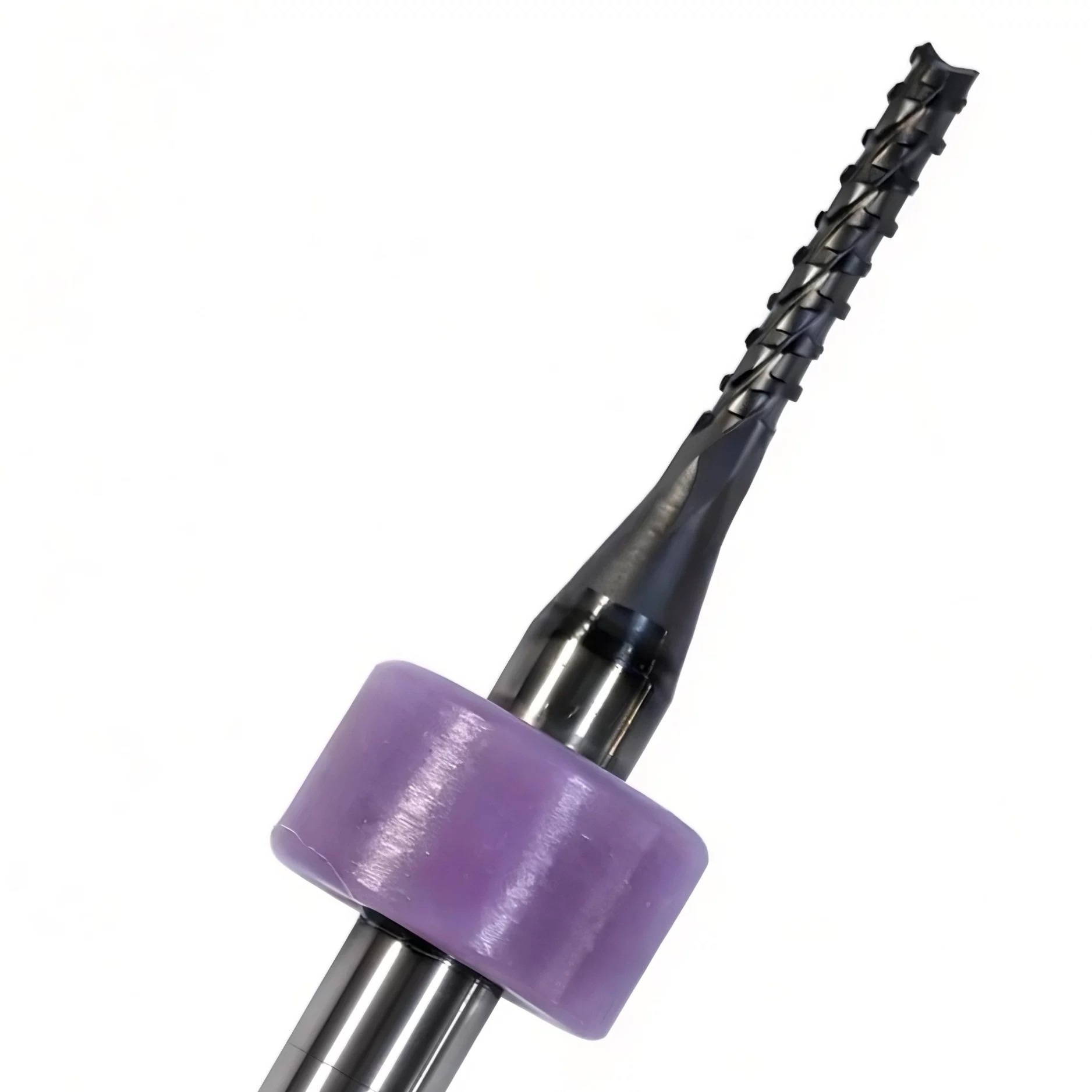
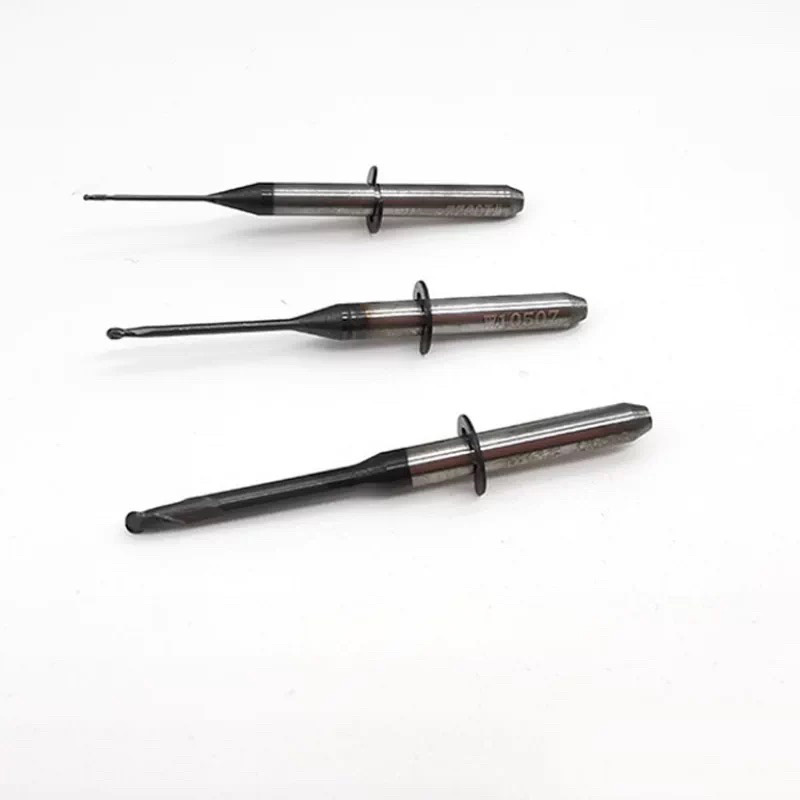
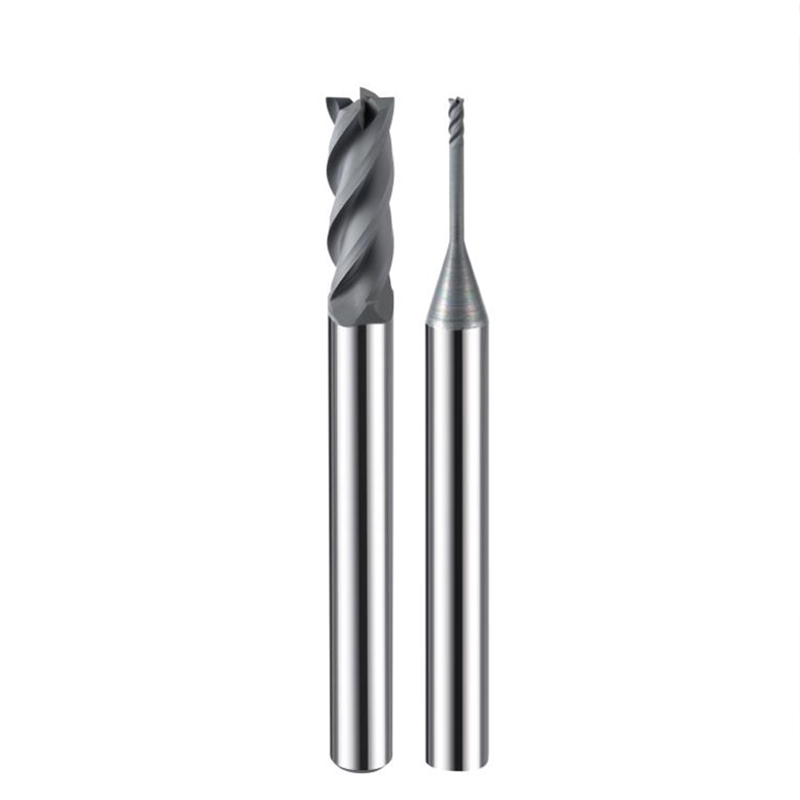
El grafito, la cerámica y la fibra de carbono son el futuro, pero son materiales que dañan las herramientas. Si aún utiliza recubrimientos tradicionales, está librando una batalla perdida.
Nuestro recubrimiento de diamante CVD (deposición química de vapor) crea una auténtica capa de diamante cristalino sobre el sustrato de carburo. No se trata solo de un acabado, sino de una protección.
¿Por qué los principales distribuidores eligen nuestra serie CVD?
1. Fricción ultrabaja: Evita la soldadura de virutas y la acumulación de calor.
2. Resistencia extrema a la abrasión: mantiene los filos de corte afilados 20 veces más tiempo.
3. Acabado superficial: Resultados similares a un espejo en la pieza de trabajo, sin necesidad de pulido secundario.