src="https://www.facebook.com/tr?id=26825290190466607&ev=PageView&noscript=1" />

ไม่มีศักดิ์ศรี ก่อนที่คนขี้โกงจะเกลียดชัง euismod fermentum sem semper the is erat, feugiat สิงห์ urna eget eros ดุส เอเนียน ตัดผมเพื่อเสียงหัวเราะ

How to Specify Cutters for 3D Glass Hot-Bending Graphite Molds

  • How to Specify Cutters for 3D Glass Hot-Bending Graphite Molds ผู้เขียน
  • 19th พฤศจิกายน 2026

A mold drawing arrives with three awkward details: a broad cavity, a tiny internal radius, and a curved contact surface. One graphite cutter will struggle to do all three. Yet a purchase request that says only “diamond end mill for hot-bending mold” leaves those details out. The result may be a perfectly good cutter for the wrong feature.

Circle the smallest radius on the print. Beside it, write the feature depth, floor form and nearest wall. Check what shank the holder accepts. Only then split the job into roughing and detail work. This takes less time than discovering during programming that a selected tool cannot clear the wall.

How to Specify Cutters for 3D Glass Hot-Bending Graphite Molds

Separate roughing from the small features

Keep the small finishing cutter out of the heavy removal stage. An open area may take a larger roughing tool while narrow details wait for later passes. Leave known stock, though. A finishing tool should not discover an unexpected pocket at the bottom of a curved channel.

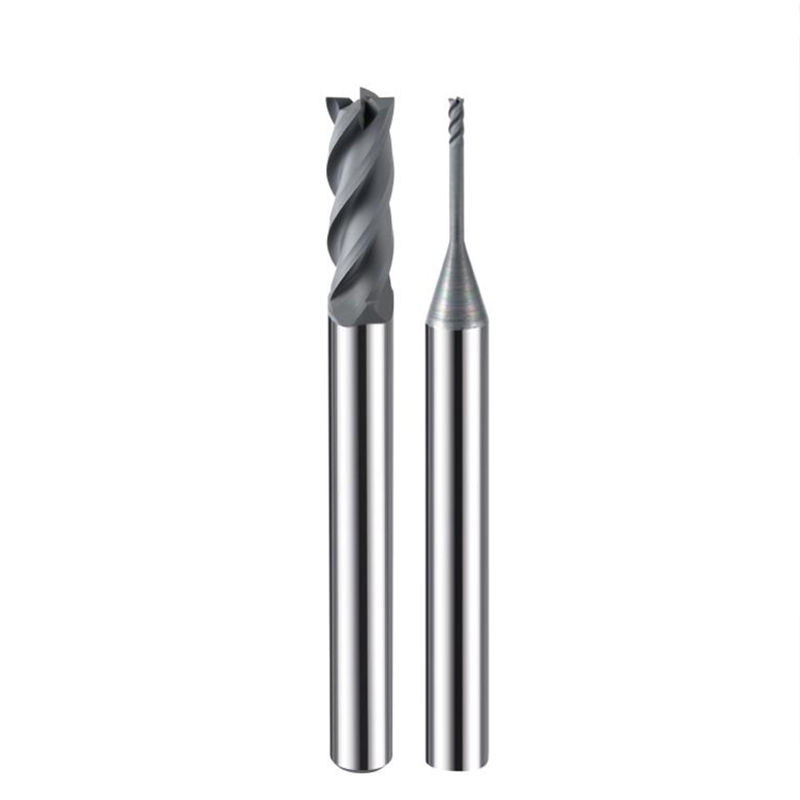
TSHZ lists a dedicated group of high-efficiency diamond-coated roughing tools. The flat roughing range includes a 4 mm, three-flute cutter with 12 mm flute length and 50 mm overall length. A 6 mm cutter appears with 20 mm flute length and 60 mm overall length in both three- and four-flute versions. Larger listed flat roughing diameters include 8, 10 and 12 mm. These are available catalogue dimensions; they do not prescribe a depth of cut or prove that a particular graphite grade can take a certain feed.

Curved areas complicate roughing. The same TSHZ range lists rough ball tools at 8 mm diameter/R4, 10 mm/R5 and 12 mm/R6. Their flute lengths are 30, 35 and 40 mm respectively. These larger tools can remove stock on an accessible curve. They cannot finish a corner smaller than their own geometry; that work remains for a separate detail tool.

Read radius and reach as separate requirements

A round-nose cutter for a specified corner

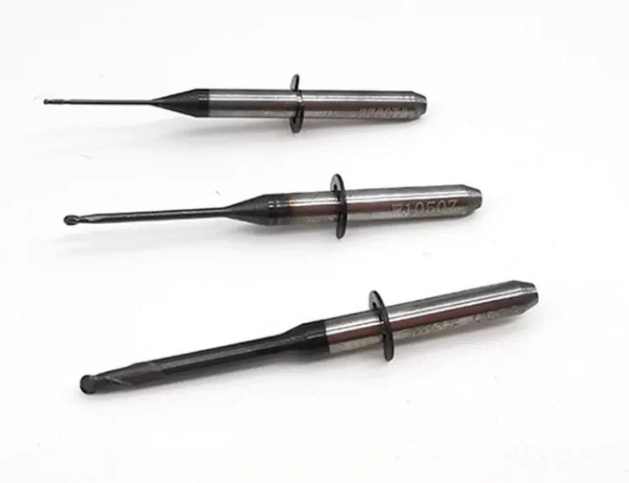
The corner radius belongs on the request, not in a later email. TSHZ’s 3D hot-bending graphite mold series includes round-nose cutters with a 1 mm cutting diameter and R0.1, R0.2 or R0.3 corners. One R0.1 version has 3 mm flute length, 6 mm effective cutting length, 50 mm overall length, a 4 mm shank and four flutes. A 2 mm/R0.5 version has 6 mm flute length and 10 mm effective cutting length, again with 50 mm overall length and a 4 mm shank.

The columns are easy to conflate. R is the corner form. Diameter tells whether the tool enters the feature at all. Flute length and effective cutting length are separate: a short cutting section can still sit on a relieved neck. Overall length matters to the holder setup. A familiar model code is no substitute for reading each column.

เดอะ TSHZ round-nose end mill is a sensible product page to include when a drawing requires a radiused corner with a relatively flat adjoining surface. Check the actual catalogue row and drawing together before treating a listed R value as an approved fit. The radius shown on a tool is not permission to alter a mold corner to match it.

A ball tool for the curved surface

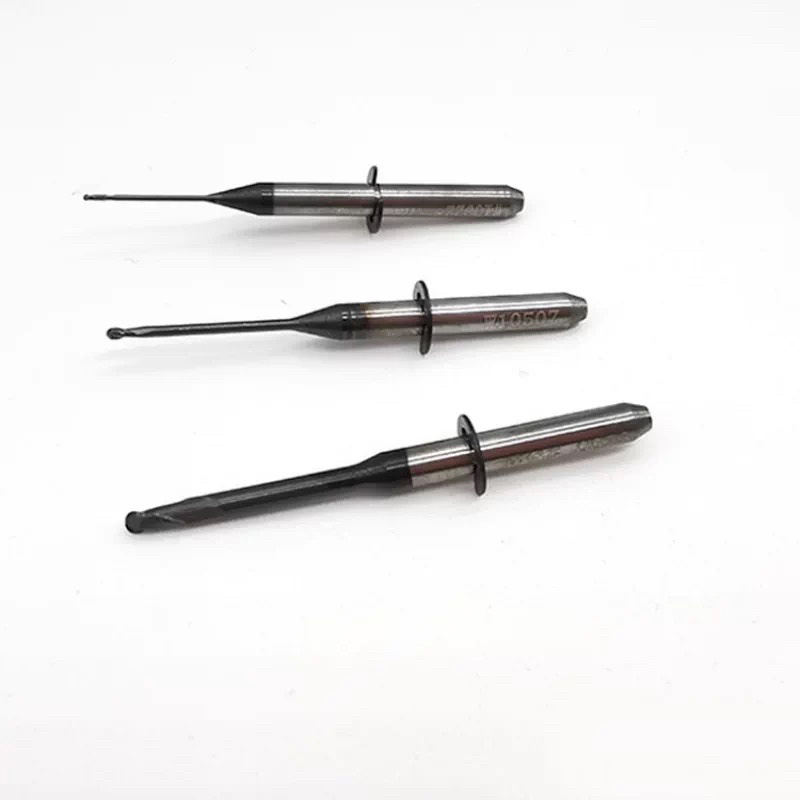
A ball tool follows a different contact geometry. In TSHZ’s hot-bending mold series, the 1 mm diameter/R0.5 ball tool is listed with effective cutting lengths of 2.5, 6 and 8 mm. The 1.5 mm/R0.75 and 2 mm/R1 versions include 8 mm effective cutting length. These GB-series ball tools have 50 mm overall length, 4 mm shanks and two flutes in the listed rows.

The 1 mm ball therefore has several reach choices, not one. Do not order the longest by default. Check where the shank might meet a wall and how far the tool must stick out of its holder. If the shorter version clears the feature, that may be the simpler trial setup.

เดอะ TSHZ ball-nose end mill page identifies complex 3D surface finishing as its application. A ball tool should be specified for that surface task, not ordered as a direct substitute for every round-nose or flat-floor operation. The company also lists a separate grinding-head option in the GB series, with D1.5/R0.75 and D2/R1 rows. That is a distinct tool form; confirm the actual process before adding one to an order.

How to Specify Cutters for 3D Glass Hot-Bending Graphite Molds

Keep the drawing and catalogue in the same unit system

The TSHZ tables identify cutting diameter, rounded corner where relevant, flute length, effective cutting length, overall length, nominal shank diameter and flute count. Copy those fields into the RFQ beside the drawing callouts. A dash under effective length needs a supplier answer; it does not mean “unlimited depth.”

An RFQ can be short and still useful: “round-nose, D1 mm, R0.1 mm, 6 mm effective cutting length, 4 mm shank; graphite hot-bending mold finishing.” Compare that with “small diamond mill.” The first can be checked against a catalogue row, then against the machine. A deeper wall may rule it out.

The broader TSHZ diamond and graphite cutting-tool series includes flat-bottom, round-nose and ball-nose forms. Match the specific form to the feature. A comparison of coated tool types in published research on high-speed milling of hot-bending graphite molds also treats corner geometry as a material part of the machining decision. Neither a catalogue nor a paper replaces a trial on the shop’s own grade and drawing.

Inspect a trial mold before fixing the tool list

For the trial, record graphite grade, cutter model, holder projection, extraction position and program version. Photograph the radius and curved surface at the same locations on each mold. Change one condition. If tool, path and extraction all change at once, the next good piece offers no clear explanation. Use the print’s acceptance limit to decide when the tool should leave production.

There are no universal feeds, speeds, finish values or tool-life guarantees in the cited TSHZ dimensional tables. Those values must be established for the actual material and machine. Avoid regrinding a diamond-coated cutter after it wears; removal of the coating exposes the carbide substrate and changes the tool being tested.

What to send with a tooling inquiry

TSHZ offers standard-size diamond-coated tools and non-standard customization. Send the mold drawing or a dimensioned extract, the intended graphite grade, the smallest R, feature depth, required floor and curved surfaces, holder/shank requirements, and the operation assigned to each tool. Include the current defect and photos if an existing process is failing.

Ask the supplier to identify the proposed catalogue row or explain which dimension needs a custom design. Then run a sample under recorded conditions before buying for production. This keeps a useful discussion about geometry from turning into a promise that one coated cutter can solve every roughing, corner and finishing problem on the mold.

Keep the reply with the drawing revision. If a radius changes between the sample and production prints, the tool list needs another review. The same applies when a fixture change forces more projection, even though the cutting diameter remains identical. Procurement should pass both changes to programming and inspection before ordering a repeat production batch.

Common specification questions

Does a 6 mm effective cutting length guarantee a 6 mm deep feature?

No. It is a catalogue tool dimension. Holder clearance, shank interference, toolpath and the surrounding mold walls still need checking.

Can the largest ball tool finish every curved feature?

No. The smallest specified radius and accessible geometry limit the tool choice. A larger tool may be useful earlier in stock removal while a smaller one handles the final detail.

When does a non-standard cutter make sense?

When the drawing’s combination of diameter, corner radius, reach and shank does not match an appropriate listed size. Provide those dimensions and the intended operation before requesting a design.
แท็ก:

สารบัญ

คำถามที่พบบ่อย

"ราคาคือสิ่งที่คุณจ่าย ต้นทุนคือสิ่งที่คุณสูญเสีย เครื่องมือราคา 15 ดอลลาร์ที่ทำให้เครื่องจักรราคา 200,000 ดอลลาร์ของคุณหยุดทำงานทุกๆ 2 ชั่วโมง คือสิ่งที่มีราคาแพงที่สุดในโรงงานของคุณ เครื่องมือ CVD ของเรามีราคาสูงกว่า เพราะมันช่วยให้คุณใช้งานแกนหมุนได้ต่อเนื่อง 40 ชั่วโมงโดยไม่หยุดชะงัก อันไหนจะช่วยคุณประหยัดเงินได้มากกว่ากันในตอนสิ้นเดือน?"
ผมชอบคนขี้สงสัยครับ เพราะพวกเขามักจะกลายเป็นลูกค้าที่ดีที่สุดของเรา ในวัสดุ G5 กราไฟต์ หรืออะลูมิเนียมซิลิคอน 18% คาร์ไบด์มาตรฐานจะสึกหรอภายในไม่กี่นาที แต่ชั้นเคลือบเพชร HV$ ราคา 8000 ดอลลาร์ของเรานั้นทนทานต่อการสึกหรอได้อย่างเหลือเชื่อ เราไม่ได้แค่กล่าวอ้าง แต่เรามีรายงานการทดสอบการสึกหรอระดับจุลภาคมายืนยัน อยากดูวิดีโอเปรียบเทียบไหมครับ?
หยุดก่อน! ผมอยากขายเครื่องมือให้คุณนะ แต่เพชรกับเหล็กเป็น 'ศัตรู' กันที่อุณหภูมิสูง (ความสัมพันธ์ทางเคมี) สำหรับเหล็กกล้า ให้ใช้ซีรีส์ AlTiN ของเรา แต่ถ้าคุณกำลังตัดกราไฟต์ CFRP หรือเซรามิกส์ CVD ของเราคือสุดยอดเครื่องมืออย่างไม่ต้องสงสัย เราขายโซลูชัน ไม่ใช่แค่โลหะ
นั่นคือความแตกต่างระหว่าง DLC (Diamond-Like Carbon) กับ CVD แท้ๆ เครื่องมือ "เพชร" ราคาถูกส่วนใหญ่เป็นเพียงฟิล์มบางๆ เท่านั้น แต่ CVD ของเรานั้นถูกสร้างขึ้นทางเคมีลงบนพื้นผิวคาร์ไบด์ มันไม่ได้แค่เคลือบอยู่ด้านบน แต่มันเป็นส่วนหนึ่งของเครื่องมือ ไม่มีการลอกล่อน มีแต่การตัดที่บริสุทธิ์
ที่จริงแล้ว มันช่วยให้ดีขึ้นด้วยซ้ำ เพราะชั้นเพชรนั้นเรียบเนียนเป็นพิเศษ และคมมีดคงความคมได้นานกว่าถึง 20 เท่า คุณจึงหลีกเลี่ยงผลกระทบจากการ "ฉีกขาด" ของเครื่องมือที่ทื่อได้ คุณจะได้ผิวงานที่เงาวาวเหมือนกระจกแม้ในชิ้นที่ 100 ก็ตาม เหมือนกับชิ้นแรกๆ เลย
อย่าขายแค่เครื่องมือ แต่จงขาย 'กำลังการผลิตของเครื่องจักร' บอกลูกค้าของคุณว่า 'คุณอยากซื้อเครื่องมือ 1 ชิ้นแล้วใช้งานทั้งคืน หรือซื้อเครื่องมือ 20 ชิ้นแล้วจ้างคนมาคอยเปลี่ยนเครื่องมือให้?' แค่ค่าแรงที่ประหยัดได้ก็คุ้มทุนค่าเครื่องมือแล้ว
"เพชรชื่นชอบความเร็ว รอบหมุนสูงคือจุดที่มันเปล่งประกาย เราจัดเตรียมเอกสารข้อมูลการตัดแบบกำหนดเองให้พร้อมกับทุกคำสั่งซื้อ หากคุณไม่แน่ใจ โปรดส่งเกรดวัสดุของคุณมาให้เรา แล้วเราจะคำนวณค่า Vc และ Fz ที่เหมาะสมที่สุดให้คุณ เราไม่ได้แค่ส่งเครื่องมือ แต่เราส่งความสำเร็จ"
เราควบคุมความหนาของสารเคลือบให้อยู่ภายใน ±2 ไมครอน ในการผลิตอิเล็กโทรดกราไฟต์ที่มีความแม่นยำสูง เราทราบดีว่าไมครอนมีความสำคัญ รายงาน QC ของเราสำหรับทุกชุดการผลิตช่วยให้มั่นใจได้ว่าค่าความคลาดเคลื่อนจะคงที่ตั้งแต่เครื่องมือหมายเลข 1 ถึงเครื่องมือหมายเลข 100
เรามีสินค้าขนาดมาตรฐานพร้อมส่งทันที เราใช้บริการจัดส่งของ DHL/FedEx ซึ่งโดยทั่วไปจะใช้เวลา 4-7 วันถึงหน้าบ้านคุณ เรารู้ว่าเครื่องจักรเสียนั้นเหมือนแผลฉกรรจ์ และเราพร้อมที่จะช่วยหยุดเลือดไหลอย่างรวดเร็ว
เรามีตัวอย่างสินค้าพร้อม 'การรับประกันประสิทธิภาพ' สำหรับร้านค้าที่ผ่านเกณฑ์ เราไม่ได้แจกฟรีเพราะเทคโนโลยีระดับสูงมีราคา แต่ถ้าหากมันไม่สามารถทำงานได้ดีกว่าเครื่องมือที่คุณใช้อยู่ในปัจจุบันอย่างน้อย 10 เท่า ตัวต่อไปผมจะเป็นคนออกให้เอง ตกลงไหม?
ฟิล์มเพชรบริสุทธิ์ถูก "สร้าง" ขึ้นบนพื้นผิวของวัสดุคาร์ไบด์โดยใช้เทคโนโลยีการตกตะกอนไอสารเคมี (CVD) ฟิล์มนี้มีคุณสมบัติใกล้เคียงกับเพชรธรรมชาติ ทำให้เครื่องมือมีความแข็งและความทนทานต่อการสึกหรอเป็นพิเศษ
ความแข็งของสารเคลือบเพชร CVD สูงถึง 9000 HV ทำให้เป็นหนึ่งในสารเคลือบเครื่องมือที่แข็งที่สุดที่มีอยู่ในอุตสาหกรรมในปัจจุบัน
เมื่อทำการกลึงวัสดุกราไฟต์ อายุการใช้งานของเครื่องมือโดยทั่วไปจะเพิ่มขึ้น 3 ถึง 18 เท่า และในกระบวนการผลิตแผงวงจรพิมพ์ (PCB) อายุการใช้งานสามารถเพิ่มขึ้นได้ถึง 20 ถึง 30 เท่า
กราไฟต์มีฤทธิ์กัดกร่อนสูงและเปราะ ทำให้เครื่องมือทั่วไปสึกหรออย่างรวดเร็ว ความแข็งสูงของสารเคลือบเพชรช่วยต้านทานการสึกหรอและป้องกันการบิ่นที่คมตัดได้อย่างมีประสิทธิภาพ
ฟลุต 4 ฟลุต: เหมาะสำหรับการตกแต่งผิวงานหรือกราไฟต์แข็ง ให้ผิวงานที่เรียบเนียนกว่า 2 ฟลุต: เหมาะอย่างยิ่งสำหรับการเซาะร่องลึกหรือเครื่องมือขนาดเล็ก (ต่ำกว่า D2) ช่วยให้มีพื้นที่ระบายเศษวัสดุเพียงพอและป้องกันการแตกหักของเครื่องมือ
โดยหลักการแล้ว เส้นผ่านศูนย์กลางของดอกสว่าน = เส้นผ่านศูนย์กลางของรูที่เจาะเสร็จ ลบด้วยค่าชดเชยความหนาของทองแดงที่ชุบ โดยทั่วไปมักแนะนำให้เพิ่มค่าชดเชย 0.03–0.05 มม. สำหรับเส้นผ่านศูนย์กลางของรูที่เจาะเสร็จที่มีขนาดมากกว่า 0.5 มม.
ไม่ว่าจะเป็นการกลึงกราไฟต์หรือแผ่นวงจรพิมพ์ (PCB) ความยาวโดยรวมที่สั้นกว่าจะช่วยเพิ่มความแข็งแกร่ง ลดการเบี่ยงเบน และลดความเสี่ยงที่เครื่องมือจะแตกหักระหว่างการใช้งาน
หมายถึงการเสียรูปที่เกิดขึ้นบนผนังด้านในของรูที่เจาะเนื่องจากการสึกหรอของดอกสว่านหรือแรงดึงที่กระทำต่อแผ่นฟอยล์ทองแดงระหว่างการดึงกลับ การใช้เครื่องมือเคลือบเพชร CVD ช่วยลดหัวตะปูได้อย่างมาก ทำให้คุณภาพของผนังรูดีขึ้น
ไม่แนะนำให้ทำการเจียรแต่งรูปทรงใหม่ การเจียรแต่งรูปทรงจะทำให้สารเคลือบเพชรเสียหาย เผยให้เห็นพื้นผิวที่มีความแข็งน้อยกว่า และลดประสิทธิภาพลงอย่างมาก
โดยทั่วไป ควรเปลี่ยนเครื่องมือเมื่อคุณภาพของผนังรูเสื่อมลง (เช่น มีเสี้ยนหรือหัวตะปูเกิน 50 ไมโครเมตร) มีรอยสึกหรอที่ขอบที่มองเห็นได้ภายใต้กล้องจุลทรรศน์ หรือเมื่อปริมาณการใช้งานถึง 80–90% ของอายุการใช้งานที่แนะนำของเครื่องมือ
แม้ว่าราคาต่อหน่วยโดยทั่วไปจะสูงกว่าเครื่องมือทังสเตนคาร์ไบด์มาตรฐาน 3-5 เท่า แต่เนื่องจากมีอายุการใช้งานที่ยาวนานกว่า จึงทำให้ต้นทุนต่อรูเจาะต่ำกว่า และประหยัดกว่าในระยะยาว
ความแข็งและความทนทานสูง: เส้นใยแก้วในวัสดุ PCB มีความแข็งและเปราะมาก ทำให้ดอกสว่านทั่วไปสึกหรออย่างรวดเร็ว ครีบและหัวตะปู: แผ่นฟอยล์ทองแดงมีความยืดหยุ่นสูง ทำให้เกิดครีบได้ง่ายบริเวณปากรู หรือเกิดตำหนิคล้ายหัวตะปูเมื่อทะลุออก ส่งผลให้คุณภาพผนังรูไม่ดี ปัญหาการระบายความร้อน: เรซินมีค่าการนำความร้อนต่ำ ความร้อนสูงเฉพาะจุดอาจทำให้เครื่องมืออ่อนตัวลงได้
ทนทานต่อการสึกหรอสูงเป็นพิเศษ: ความแข็งของสารเคลือบผิวสูงถึง 9000HV ทำให้มีอายุการใช้งานยาวนานกว่าดอกสว่านคาร์ไบด์ทั่วไป 20-30 เท่า ลดข้อบกพร่อง: คมตัดที่คมกริบเป็นพิเศษช่วยลดการเกิดเสี้ยนและหัวตะปูได้อย่างมาก เสถียรภาพทางความร้อน: เพชรมีคุณสมบัติการนำความร้อนที่ดีเยี่ยม ช่วยให้ระบายความร้อนได้อย่างมีประสิทธิภาพและป้องกันการไหม้ของเรซินบนผนังรู
แผงวงจร HDI/หลายชั้น: แนะนำซีรี่ส์ TS-A01UC ซึ่งมีดีไซน์ร่อง UC พิเศษเพื่อการระบายเศษชิปที่เหนือกว่า เหมาะอย่างยิ่งสำหรับรูขนาดเล็กที่มีความหนาแน่นสูง เมนบอร์ด FR-4/CEM มาตรฐาน: แนะนำรุ่น TS-A02 ST มาตรฐาน เนื่องจากมีอัตราส่วนราคาต่อประสิทธิภาพที่ดีที่สุด แผ่นไม้ขนาดใหญ่/หนา: แนะนำให้ใช้ซีรีส์ TS-A03 ซึ่งสามารถเจาะรูได้ลึกถึง 6.50 มม. โดยมีก้านดอกสว่านขนาดใหญ่กว่าเส้นผ่านศูนย์กลางของดอกสว่าน
ครีบทางออก: เพิ่มแผ่นรองหลังอะลูมิเนียมหนา 0.3–0.5 มม. ไว้ใต้แผงวงจร และปรับพารามิเตอร์การดึงกลับให้เหมาะสม รอยบิ่นขณะเจาะ: ลดอัตราการป้อนขณะเจาะ หรือเปลี่ยนไปใช้ดอกสว่านเคลือบเพชรที่คมกว่า
ผลิตภัณฑ์ล่าสุด

ดูสินค้าของเราได้ที่นี่

ดูเพิ่มเติม
PCB drilling bit

ดอกสว่านเพชรสำหรับ PCB

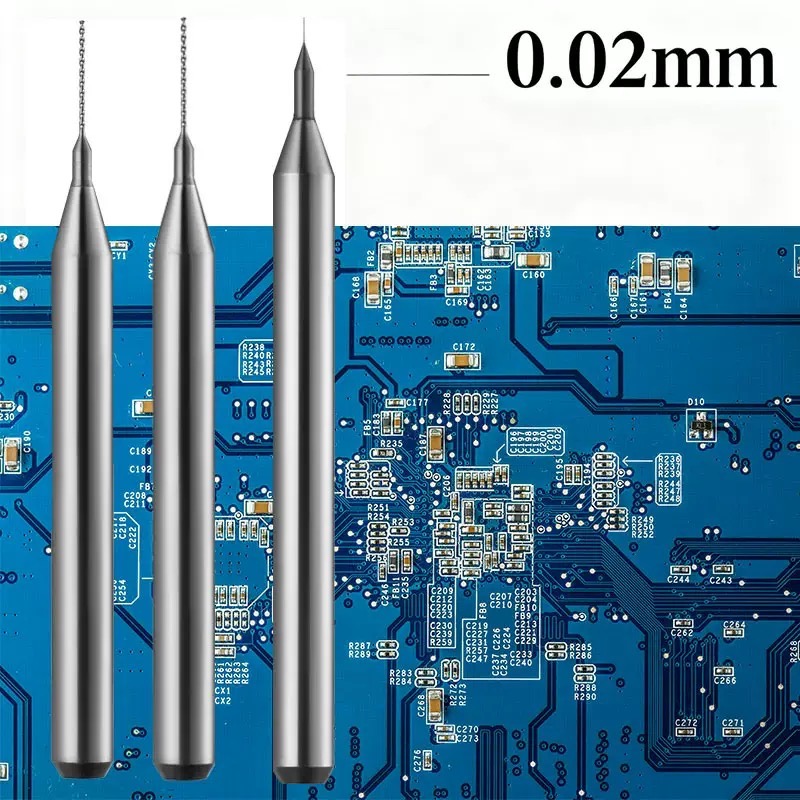
ดอกสว่าน PCB ที่มีคุณสมบัติในการกำจัดเศษวัสดุและปรับความเรียบของรูได้ดีเยี่ยม อายุการใช้งานยาวนาน เหมาะสำหรับการเจาะแผ่นวงจรพิมพ์หลายชั้นและ HDI ทั่วไป แผ่น FR-4, CEM-1 และแผ่นวงจรพิมพ์ที่เป็นมิตรต่อสิ่งแวดล้อม ช่วงเส้นผ่านศูนย์กลาง: 0.1–3.175 มม. สำหรับแผงวงจรพิมพ์ (PCB) รุ่นใหม่ล่าสุด ดอกสว่านเคลือบเพชรสามารถเจาะรูได้มากกว่า 3,000 รูต่อดอก
อ่านเพิ่มเติม
Diamond-coated PCB tool

ดอกกัดเคลือบเพชรสำหรับแผ่นวงจรพิมพ์ (PCB)

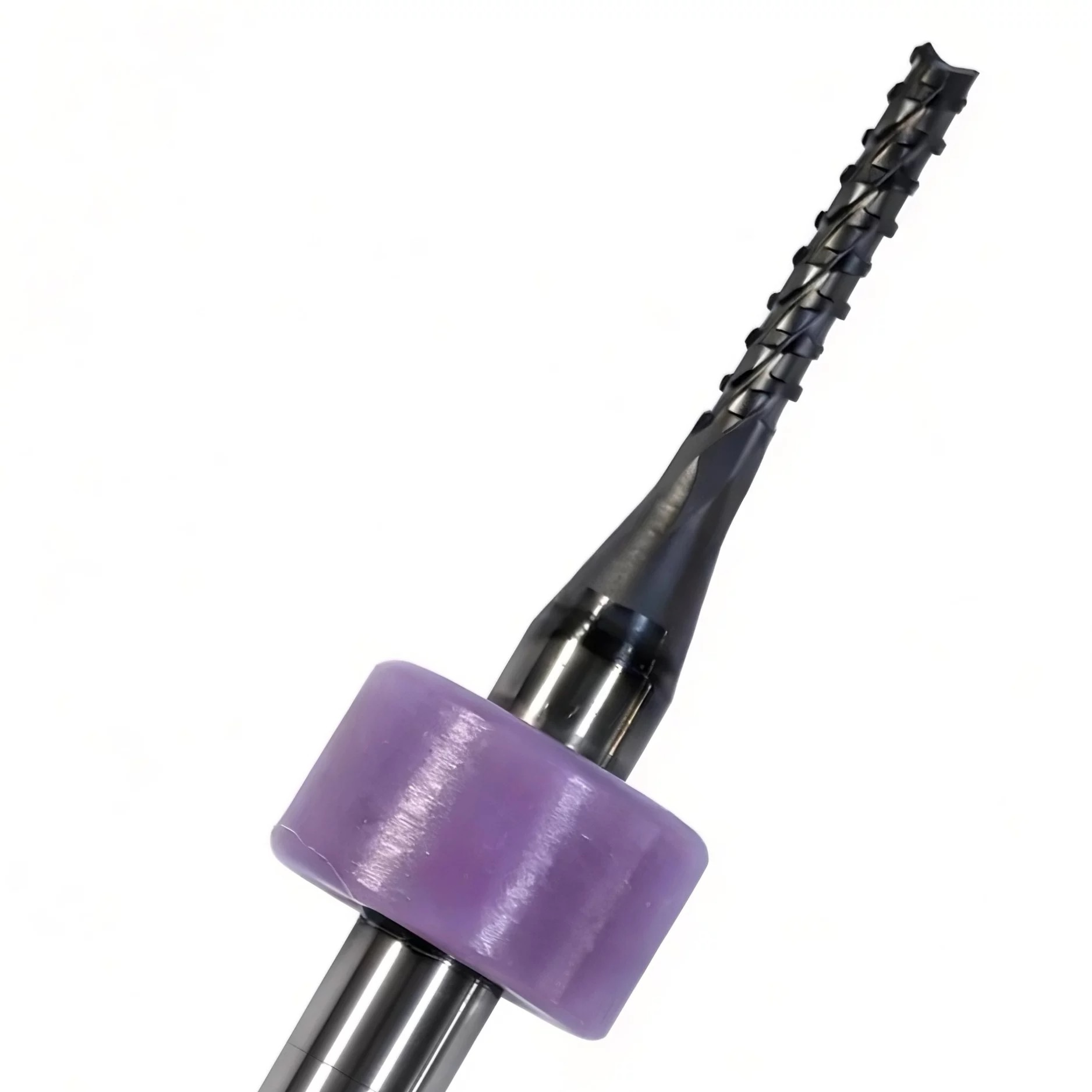
ดอกกัดเคลือบเพชรสำหรับ PCB หรือที่รู้จักกันในชื่อดอกกัดร่อง PCB ดอกกัดแผงวงจรพิมพ์ หรือดอกกัดแกะสลัก ส่วนใหญ่ใช้สำหรับการตัดตามรูปทรง การเซาะร่อง การกัดควบคุมความลึก การเซาะร่องตัววี การเจาะรูครึ่งรู และการลบคมนิ้วทองคำบน PCB โดยเป็นเครื่องมือคาร์ไบด์ที่ใช้กันมากที่สุดในกระบวนการผลิตหลังการผลิต PCB
อ่านเพิ่มเติม
Dental-burs-1

หัวเจาะฟันเพชร CVD

การตัดที่แม่นยำระดับไมครอน ผสานความทนทานต่อการสึกหรอสูงสุดเข้ากับประสบการณ์การใช้งานทางคลินิกที่อ่อนโยน ชุดหัวเจาะฟันนี้ผลิตจากสแตนเลส/คาร์ไบด์บริสุทธิ์สูง เคลือบด้วยนาโนไดมอนด์ CVD ขั้นสูง (หรือการชุบด้วยไฟฟ้าของเม็ดเพชรธรรมชาติความหนาแน่นสูง) ออกแบบมาสำหรับขั้นตอนทางคลินิกที่มีความเข้มข้นสูง เช่น การเตรียมฟัน การเปิดโพรงฟัน การกำจัดฟันผุ การบูรณะฟันเพื่อความสวยงาม (การเตรียมวีเนียร์) และการตัดครอบฟัน/สะพานฟัน การเคลือบเพชรที่แข็งเป็นพิเศษและกระจายตัวอย่างสม่ำเสมอให้ประสิทธิภาพการตัดที่สูง ในขณะเดียวกันก็ลดความร้อนจากการเสียดสีเพื่อปกป้องเนื้อเยื่อในโพรงฟัน ทำให้เป็นตัวเลือกที่ดีที่สุดสำหรับทันตกรรมดิจิทัลสมัยใหม่
อ่านเพิ่มเติม
Flat-bottom-cylindrical-end-mill-1

ดอกกัดปลายทรงกระบอกก้นแบนเคลือบเพชร

ดีไซน์มาตรฐาน 2 ฟลุต/4 ฟลุต พร้อมคมตัดที่คมกริบและพื้นที่ระบายเศษขนาดใหญ่ เหมาะสำหรับการกัดหยาบและกัดกึ่งละเอียดของอิเล็กโทรดกราไฟต์อย่างมีประสิทธิภาพ
อ่านเพิ่มเติม
Get Standed
เครื่องมือของคุณทันสมัยทันยุค "การผลิตชิ้นส่วนที่ยากต่อการผลิตด้วยเครื่องจักร" หรือไม่?

ฝากข้อความไว้

กราไฟต์ เซรามิก และคาร์บอนไฟเบอร์ คืออนาคต แต่พวกมันก็เป็น “ตัวทำลายเครื่องมือ” เช่นกัน หากคุณยังคงใช้สารเคลือบแบบดั้งเดิม คุณกำลังต่อสู้กับสิ่งที่ไม่มีวันชนะ
การเคลือบเพชรด้วยวิธี CVD (Chemical Vapor Deposition) ของเรา สร้างชั้นเพชรผลึกแท้บนพื้นผิวคาร์ไบด์ นี่ไม่ใช่แค่ "การเคลือบผิว" แต่เป็นเกราะป้องกัน

เหตุผลที่ผู้จัดจำหน่ายชั้นนำเลือกใช้ผลิตภัณฑ์ซีรี่ส์ CVD ของเรา:
1. แรงเสียดทานต่ำมาก: ป้องกันการเชื่อมติดกันของเศษโลหะและการสะสมความร้อน
2. ทนทานต่อการเสียดสีสูงเป็นพิเศษ: รักษาความคมของใบมีดได้นานกว่าถึง 20 เท่า
3. ผิวสำเร็จ: ผิวชิ้นงานเรียบลื่นเหมือนกระจก ไม่จำเป็นต้องขัดเงาซ้ำอีก


    ชื่อของคุณ*

    อีเมล

    โทร.

    WhatsApp*

    ข้อความ

    สินค้า
    การติดต่อ
    วาส
    อีเมล