
尊厳なんてない、セリリスクの前にはeuismod fermentumの憎しみがある sem semper はerat、feugeat leo urna eget erosです。デュイス・アネアン 笑いのためのヘアカット。
尊厳なんてない、セリリスクの前にはeuismod fermentumの憎しみがある sem semper はerat、feugeat leo urna eget erosです。デュイス・アネアン 笑いのためのヘアカット。
 著者
著者
CVDコーティングは、切削工具が研磨材、繰り返し加工、そして高い刃先安定性を必要とする場合に最も効果を発揮します。購入者は通常、工具寿命、表面仕上げ、そして生産中の予期せぬ変化の少なさを重視します。コーティングの選択は、これらの目標に直接貢献するものでなければなりません。
TSHZ ダイヤモンドおよび超硬切削工具ソリューションを取り扱っており、厳しい加工条件に対応するCVDダイヤモンドコーティング工具も提供しています。購入者にとって重要なのは、CVDが先進的かどうかではなく、実際の切削性能をどこで向上させるかという点です。

ダイヤモンド工具においてCVDコーティングが重要な理由とは?
CVDコーティングが重要なのは、切削刃が熱、摩擦、摩耗にさらされる部分だからです。適切な材料であれば、より優れたコーティングによって工具の切れ味をより長く維持することができます。
重要なのはコーティング名そのものではありません。購入者は、そのコーティングがどのような問題を解決するのかを知る必要があります。例えば、摩耗、表面仕上げの不安定性、工具寿命の短さ、あるいは頻繁な工具交換などです。もしそのような問題が存在しない場合、より複雑なコーティングを施しても実用的な価値は得られないかもしれません。
耐摩耗性
研磨性の高い加工材料は工具を急速に摩耗させる可能性があります。CVDダイヤモンドコーティングは、加工対象物によって刃先が常に摩耗し、より安定した生産リズムが求められる場合に有効です。
刃持ち
刃持ちの良さは、部品の品質と工具交換頻度の両方に影響します。刃先が早期に摩耗した場合、機械は稼働し続けるかもしれませんが、完成品の品質が低下する可能性があります。
このドリフトは徐々に現れることが多いため、コストがかさみます。最初の数個は問題なく通過するかもしれませんが、後の部品は追加の検査や再加工が必要になります。購入者は、保護する必要のある品質範囲とコーティングの選択を関連付ける必要があります。
表面仕上げの影響
工具の状態は、加工後の部品表面に影響を与えます。安定した刃先は、特に単発加工ではなく繰り返し生産を行う場合において、表面仕上げの一貫性を高めるのに役立ちます。
ダイヤモンドコーティングされたインサートは、どの部位に最も適していますか?
ダイヤモンドコーティングされたインサートは、難削材加工において工具に優れた刃先性能が求められる場合に最適です。購入者は、インサートの形状とコーティングを加工対象材料に合わせて選択する必要があります。
高耐摩耗性材料
高い摩耗性を持つ材料には、耐摩耗性に優れた刃先が必要となる。 ダイヤモンドコーティングされた切削インサート これらは、購入者がそのような生産条件に適したインサート式工具を必要とする場合に関係します。
繰り返し機械加工
繰り返し加工を行うと、工具の精度に対する負荷が増大します。刃先の状態を維持するのに役立つコーティングを施すことで、同一工程における最初の部品と後の部品との間のばらつきを低減できます。
これは製造現場において重要な問題です。なぜなら、工具交換は作業員のスケジュールを中断させるだけでなく、機械の稼働率、検査のタイミング、納期にも影響を与える可能性があるからです。もし顧客が毎週同じ部品を生産している場合、刃持ちの良い工具は、切削ステーションだけでなく、生産全体のリズムを守ることにつながります。
精密さを重視した作業
精密加工では、大きなずれは許容されません。購入者は、コーティングと形状が、要求される公差、表面仕上げ、および加工リズムに対応しているかどうかを確認する必要があります。
どの材料と切削条件が最も効果的ですか?
すべての材料にCVDダイヤモンドコーティングが必要なわけではありません。材料が研磨性であったり、きれいに仕上げるのが難しかったり、工具摩耗に敏感な場合は、適合性が高まります。コーティング工程についてより詳しく知りたい購入者は、以下を参照してください。 CVDダイヤモンドコーティング技術の応用 工具の形状を狭める前に。
硬い素材または研磨性のある素材
硬質または研磨性の非金属材料は、よく対象となる材料です。工具を選ぶ前に、加工対象物の材質を確認する必要があります。材質が合わないと、時間と工具予算の両方を無駄にしてしまう可能性があるからです。
材料名だけでは不十分な場合があります。充填剤、繊維含有量、硬度のばらつき、表面状態などによって摩耗挙動は変化する可能性があります。購入者は、コーティングされた工具を注文する前に、できる限り詳細な用途情報を共有する必要があります。
CVDダイヤモンドコーティング(通常、膜厚は2~10μm)は、炭素繊維強化ポリマー(CFRP)、高ケイ素アルミニウム合金(AlSi12+)、グラファイト電極、グリーンセラミックスなどの非鉄金属および非金属材料の加工において、最高の効率を発揮します。ただし、鉄合金や鋼材の加工には、ダイヤモンドコーティングされた工具の使用は避けるべきです。600℃を超える切削温度では、鉄と炭素の化学的親和性が高まり、ダイヤモンドの急速な黒鉛化と刃先の深刻な破損につながるためです。
熱と摩擦の制御
熱と摩擦は、負荷がかかった状態での工具の挙動に影響を与えます。CVDコーティングは適切な条件下では有効ですが、機械の種類、速度、送り速度、工具形状も依然として重要です。
チップの動作
切りくずの挙動が良好であれば、よりきれいな切削が可能になり、刃先を保護するのに役立ちます。切りくずが擦れたり、詰まったり、再切削したりすると、工具の摩耗が早まり、仕上がり面が悪くなります。
作業員は通常、管理者よりも先にこうした変化に気づきます。切削音が変わったり、表面の汚れがひどくなったり、刃先が変形し始めたりします。購買担当者は、繰り返し生産用のコーティング工具を選ぶ際に、こうした現場での兆候を貴重な情報源として活用すべきです。
購入者は注文前に何をチェックすべきか?
最適な注文は、加工対象材料、機械の状態、そして加工目標に基づいて行うべきです。購入者は、コーティング名だけで工具を選ぶべきではありません。
ツール形状
形状によって切削刃が材料に接触する方法が変わります。成形面加工の場合、 丸ノーズエンドミル 平底形状よりも、より適切な場合がある。

マシン互換性
工具は、スピンドルの状態、ホルダの設定、切削経路、およびワークの保持方法に適合している必要があります。コーティングによって不安定な加工設定を修正することはできません。
ホルダーが緩んでいたり、ワークピースがしっかりと固定されていなかったりすると、コーティングとは無関係の理由でコーティングされたエッジが破損する可能性があります。その結果、購入者が工程の誤った部分を拒否してしまうことになりかねません。
代替リズム
購入者は、生産に支障をきたすことなく工具を交換できる頻度を明確に定義する必要があります。そうすることで、高性能なコーティング工具への投資が妥当かどうかを判断するのに役立ちます。
少量生産の場合、工具コストは比較的管理しやすいかもしれません。しかし、繰り返し加工の場合、ダウンタイムや検査のずれによるコストは、工具自体のコストを上回る可能性があります。注文内容には、こうした差額を反映させるべきです。
購入者は、材料、機械、表面仕上げについてどのような点を質問すべきでしょうか?
工具コーティングは、購入者が機械と最終部品の要件も確認した場合にのみ意味を持つ。
材料挙動
加工対象物によって、刃先の摩耗の仕方は異なります。購入者は加工対象物を明確に指定する必要があります。そうすることで、サプライヤーはCVDダイヤモンドコーティングが適切な加工方法なのか、あるいは別の方法で十分なのかを判断できます。
機械の安定性
コーティングを施しても、緩んだセットアップは修正できません。購入者は、工具によって表面仕上げが改善されると期待する前に、スピンドルの状態、ホルダーの精度、および剛性を確認する必要があります。
地上目標
荒削り加工と仕上げ加工では工具の特性が異なるため、仕上がりの仕上がりは重要です。耐摩耗性だけを重視して工具を選んでも、形状が適切でなければ最適な仕上げ結果が得られない可能性があります。
仕上げ加工用工具と荒加工用工具では、必要な刃先状態が異なる場合があります。そのため、発注者は見積依頼書(RFQ)の中でこれらの作業を分けて記載し、1つの工具で2つの異なる加工問題を解決しようとすることがないようにする必要があります。
最終顧客にとって、表面の仕上がりは多くの場合、判断材料となる唯一のものです。彼らはコーティング工程を知らなくても、欠けたエッジ、毛羽立った表面、不安定な寸法などを見ることができます。そのため、注文の際には、工具寿命と、購入者が提供しなければならない仕上がりの両方について話し合うべきです。
結論
CVDコーティングの適用は、材料、刃先摩耗、表面仕上げ、および生産リズムに基づいて判断する必要があります。TSHZのダイヤモンドコーティング切削インサートとCVDダイヤモンド工具は、研磨加工や精密加工においてより優れた制御性を必要とするお客様に最適です。最適な選択は、コーティング、形状、および被加工材料を総合的に考慮することによって実現します。
よくある質問
切削工具において、CVDコーティングはどのような用途に使用されますか?
これは、適切な加工条件下、特に研磨材が関係する場合において、耐摩耗性と刃先安定性を向上させるために使用されます。
ダイヤモンドコーティングされた工具は、あらゆる素材に有効ですか?
いいえ。それらは、加工対象物、切削条件、および要求される表面仕上げに基づいて選定されるべきです。
購入者は注文前に何を確認すべきでしょうか?
彼らは、被削材の材質、工具の形状、機械の状態、切削条件、交換に関する期待、および完成部品が満たすべき表面仕上げを確認する必要がある。
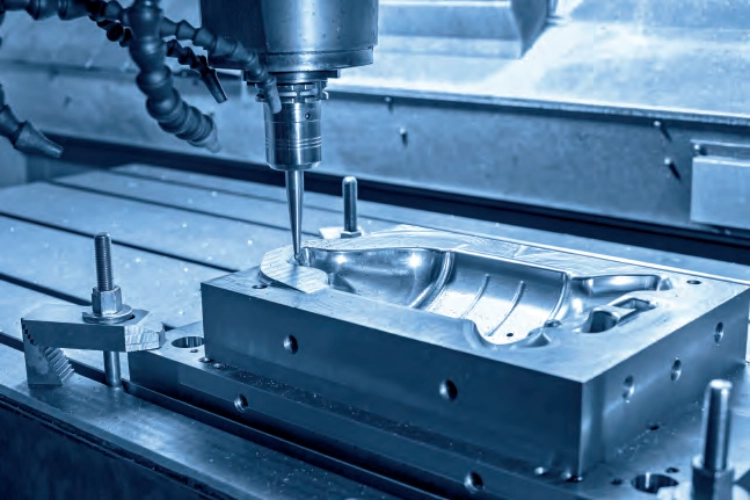
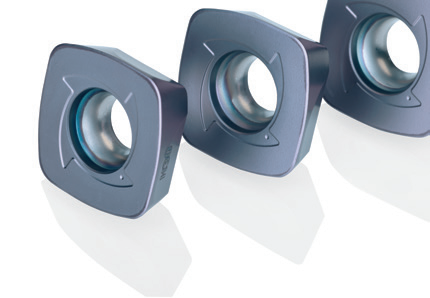
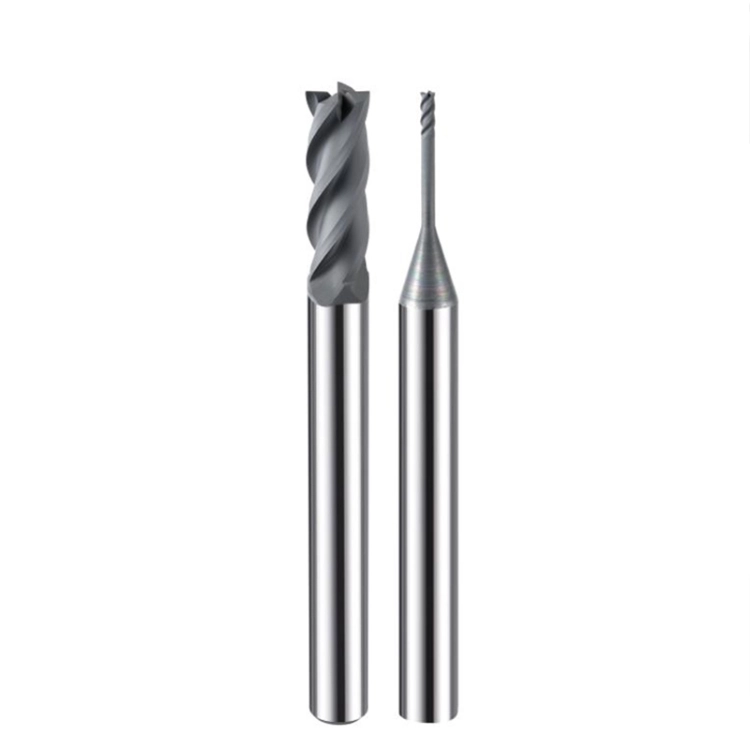
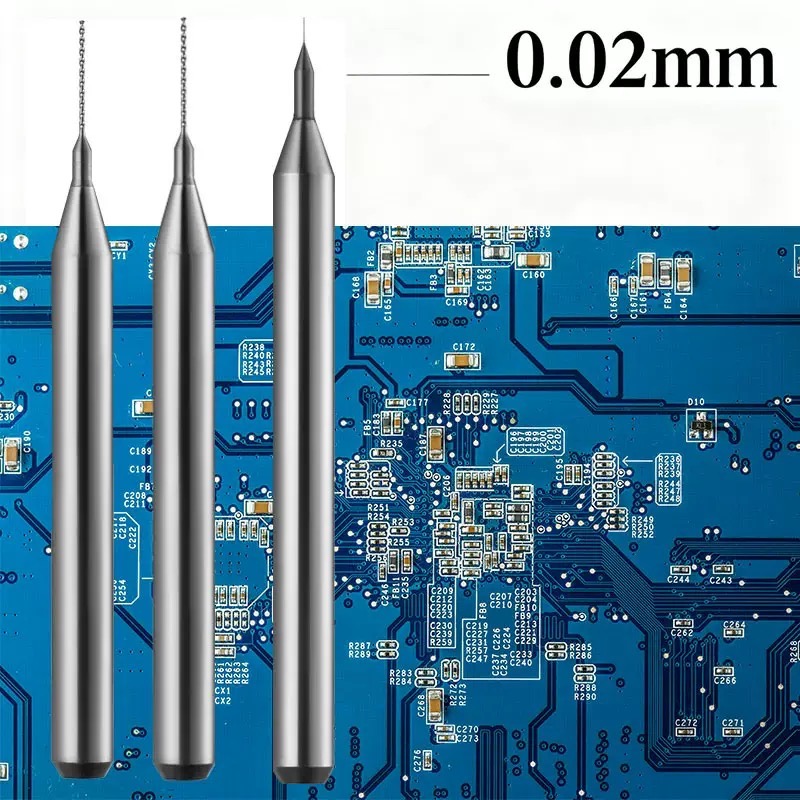
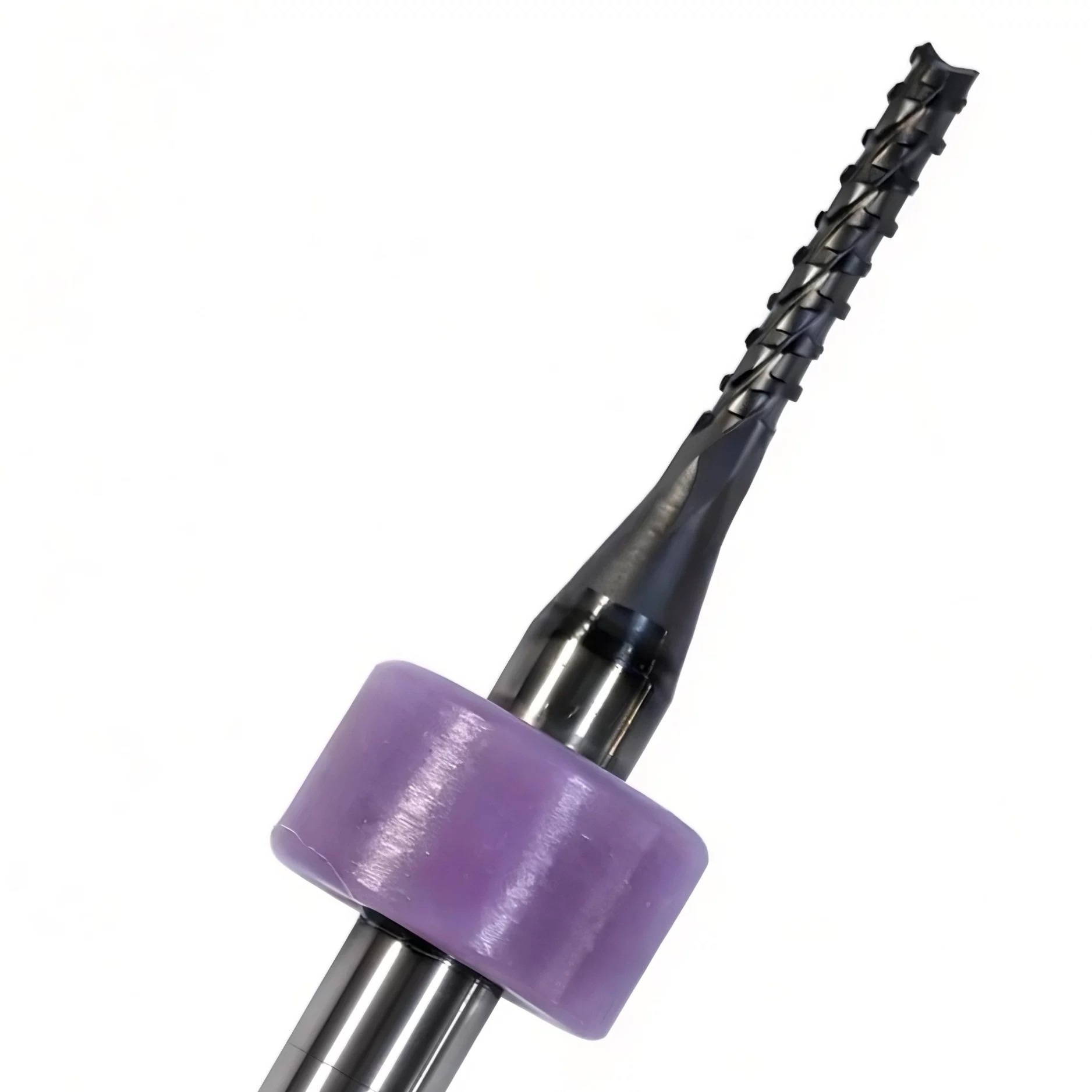
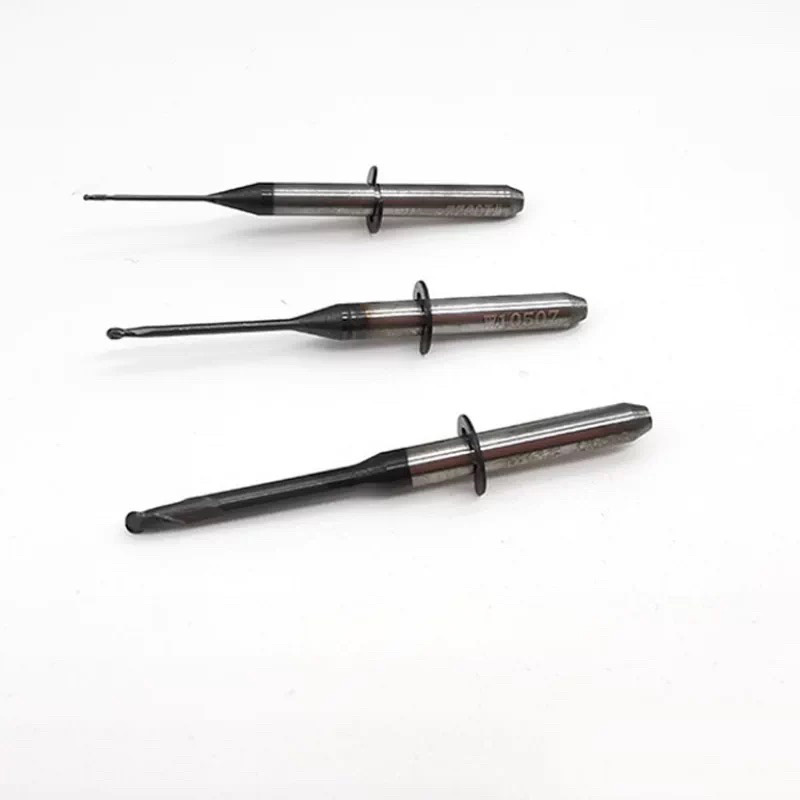
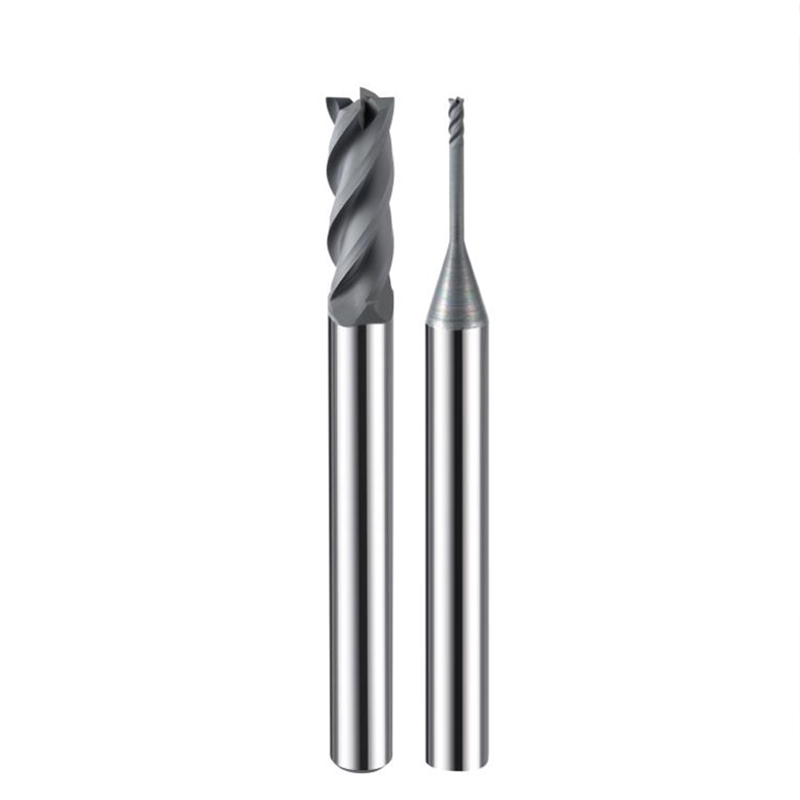
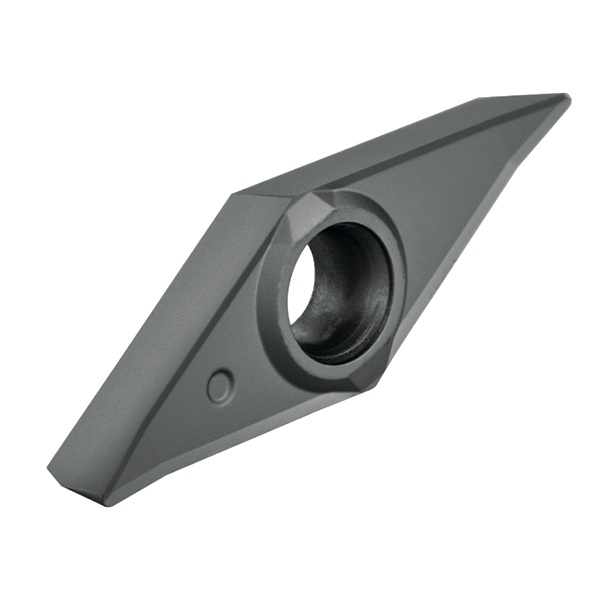
グラファイト、セラミック、カーボンファイバーは未来の素材だが、同時に「工具を駆逐する」存在でもある。もしあなたがまだ従来型のコーティングを使っているなら、負け戦を強いられていることになるだろう。
当社のCVD(化学気相成長法)ダイヤモンドコーティングは、炭化物基板上に本物の結晶ダイヤモンド層を形成します。これは単なる「表面処理」ではなく、保護膜としての役割を果たします。
トップディストリビューターが当社のCVDシリーズを選ぶ理由:
1.超低摩擦:切削屑の溶着や熱の蓄積を防ぎます。
2. 極めて高い耐摩耗性:切れ味の鋭さを20倍長く維持します。
3.表面仕上げ:加工対象物は鏡面仕上げとなり、二次研磨は不要です。