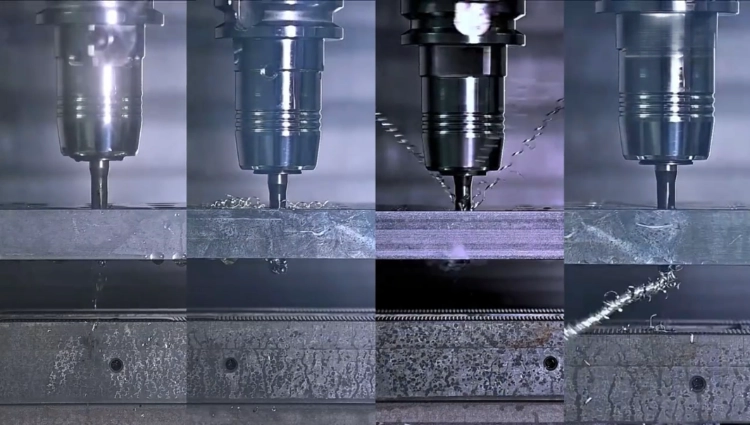
尊厳なんてない、セリリスクの前にはeuismod fermentumの憎しみがある sem semper はerat、feugeat leo urna eget erosです。デュイス・アネアン 笑いのためのヘアカット。
尊厳なんてない、セリリスクの前にはeuismod fermentumの憎しみがある sem semper はerat、feugeat leo urna eget erosです。デュイス・アネアン 笑いのためのヘアカット。
 著者
A mold drawing arrives with three awkward details: a broad cavity, a tiny internal radius, and a curved contact surface. One graphite cutter will struggle to do all three. Yet a purchase request that says only “diamond end mill for hot-bending mold” leaves those details out. The result may be a perfectly good cutter for the wrong feature.
Circle the smallest radius on the print. Beside it, write the feature depth, floor form and nearest wall. Check what shank the holder accepts. Only then split the job into roughing and detail work. This takes less time than discovering during programming that a selected tool cannot clear the wall.

Keep the small finishing cutter out of the heavy removal stage. An open area may take a larger roughing tool while narrow details wait for later passes. Leave known stock, though. A finishing tool should not discover an unexpected pocket at the bottom of a curved channel.
TSHZ lists a dedicated group of high-efficiency diamond-coated roughing tools. The flat roughing range includes a 4 mm, three-flute cutter with 12 mm flute length and 50 mm overall length. A 6 mm cutter appears with 20 mm flute length and 60 mm overall length in both three- and four-flute versions. Larger listed flat roughing diameters include 8, 10 and 12 mm. These are available catalogue dimensions; they do not prescribe a depth of cut or prove that a particular graphite grade can take a certain feed.
Curved areas complicate roughing. The same TSHZ range lists rough ball tools at 8 mm diameter/R4, 10 mm/R5 and 12 mm/R6. Their flute lengths are 30, 35 and 40 mm respectively. These larger tools can remove stock on an accessible curve. They cannot finish a corner smaller than their own geometry; that work remains for a separate detail tool.
The corner radius belongs on the request, not in a later email. TSHZ’s 3D hot-bending graphite mold series includes round-nose cutters with a 1 mm cutting diameter and R0.1, R0.2 or R0.3 corners. One R0.1 version has 3 mm flute length, 6 mm effective cutting length, 50 mm overall length, a 4 mm shank and four flutes. A 2 mm/R0.5 version has 6 mm flute length and 10 mm effective cutting length, again with 50 mm overall length and a 4 mm shank.
The columns are easy to conflate. R is the corner form. Diameter tells whether the tool enters the feature at all. Flute length and effective cutting length are separate: a short cutting section can still sit on a relieved neck. Overall length matters to the holder setup. A familiar model code is no substitute for reading each column.
の TSHZ round-nose end mill is a sensible product page to include when a drawing requires a radiused corner with a relatively flat adjoining surface. Check the actual catalogue row and drawing together before treating a listed R value as an approved fit. The radius shown on a tool is not permission to alter a mold corner to match it.
A ball tool follows a different contact geometry. In TSHZ’s hot-bending mold series, the 1 mm diameter/R0.5 ball tool is listed with effective cutting lengths of 2.5, 6 and 8 mm. The 1.5 mm/R0.75 and 2 mm/R1 versions include 8 mm effective cutting length. These GB-series ball tools have 50 mm overall length, 4 mm shanks and two flutes in the listed rows.
The 1 mm ball therefore has several reach choices, not one. Do not order the longest by default. Check where the shank might meet a wall and how far the tool must stick out of its holder. If the shorter version clears the feature, that may be the simpler trial setup.
の TSHZ ball-nose end mill page identifies complex 3D surface finishing as its application. A ball tool should be specified for that surface task, not ordered as a direct substitute for every round-nose or flat-floor operation. The company also lists a separate grinding-head option in the GB series, with D1.5/R0.75 and D2/R1 rows. That is a distinct tool form; confirm the actual process before adding one to an order.
The TSHZ tables identify cutting diameter, rounded corner where relevant, flute length, effective cutting length, overall length, nominal shank diameter and flute count. Copy those fields into the RFQ beside the drawing callouts. A dash under effective length needs a supplier answer; it does not mean “unlimited depth.”
An RFQ can be short and still useful: “round-nose, D1 mm, R0.1 mm, 6 mm effective cutting length, 4 mm shank; graphite hot-bending mold finishing.” Compare that with “small diamond mill.” The first can be checked against a catalogue row, then against the machine. A deeper wall may rule it out.
The broader TSHZ diamond and graphite cutting-tool series includes flat-bottom, round-nose and ball-nose forms. Match the specific form to the feature. A comparison of coated tool types in published research on high-speed milling of hot-bending graphite molds also treats corner geometry as a material part of the machining decision. Neither a catalogue nor a paper replaces a trial on the shop’s own grade and drawing.
For the trial, record graphite grade, cutter model, holder projection, extraction position and program version. Photograph the radius and curved surface at the same locations on each mold. Change one condition. If tool, path and extraction all change at once, the next good piece offers no clear explanation. Use the print’s acceptance limit to decide when the tool should leave production.
There are no universal feeds, speeds, finish values or tool-life guarantees in the cited TSHZ dimensional tables. Those values must be established for the actual material and machine. Avoid regrinding a diamond-coated cutter after it wears; removal of the coating exposes the carbide substrate and changes the tool being tested.
TSHZ offers standard-size diamond-coated tools and non-standard customization. Send the mold drawing or a dimensioned extract, the intended graphite grade, the smallest R, feature depth, required floor and curved surfaces, holder/shank requirements, and the operation assigned to each tool. Include the current defect and photos if an existing process is failing.
Ask the supplier to identify the proposed catalogue row or explain which dimension needs a custom design. Then run a sample under recorded conditions before buying for production. This keeps a useful discussion about geometry from turning into a promise that one coated cutter can solve every roughing, corner and finishing problem on the mold.
Keep the reply with the drawing revision. If a radius changes between the sample and production prints, the tool list needs another review. The same applies when a fixture change forces more projection, even though the cutting diameter remains identical. Procurement should pass both changes to programming and inspection before ordering a repeat production batch.
No. It is a catalogue tool dimension. Holder clearance, shank interference, toolpath and the surrounding mold walls still need checking.
No. The smallest specified radius and accessible geometry limit the tool choice. A larger tool may be useful earlier in stock removal while a smaller one handles the final detail.
When the drawing’s combination of diameter, corner radius, reach and shank does not match an appropriate listed size. Provide those dimensions and the intended operation before requesting a design.
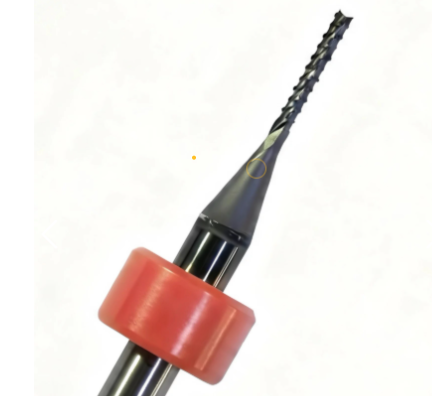
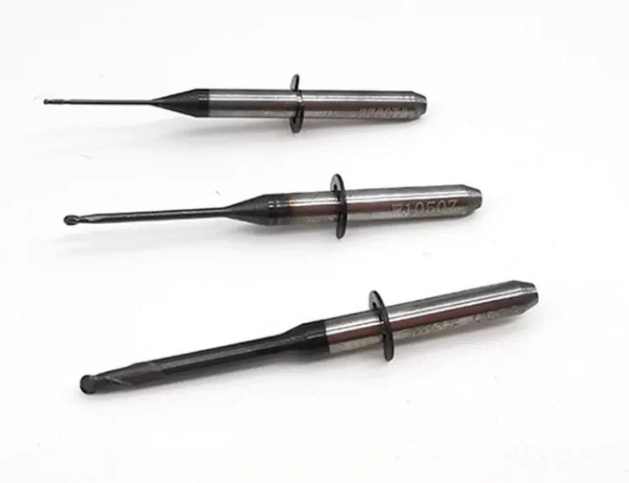
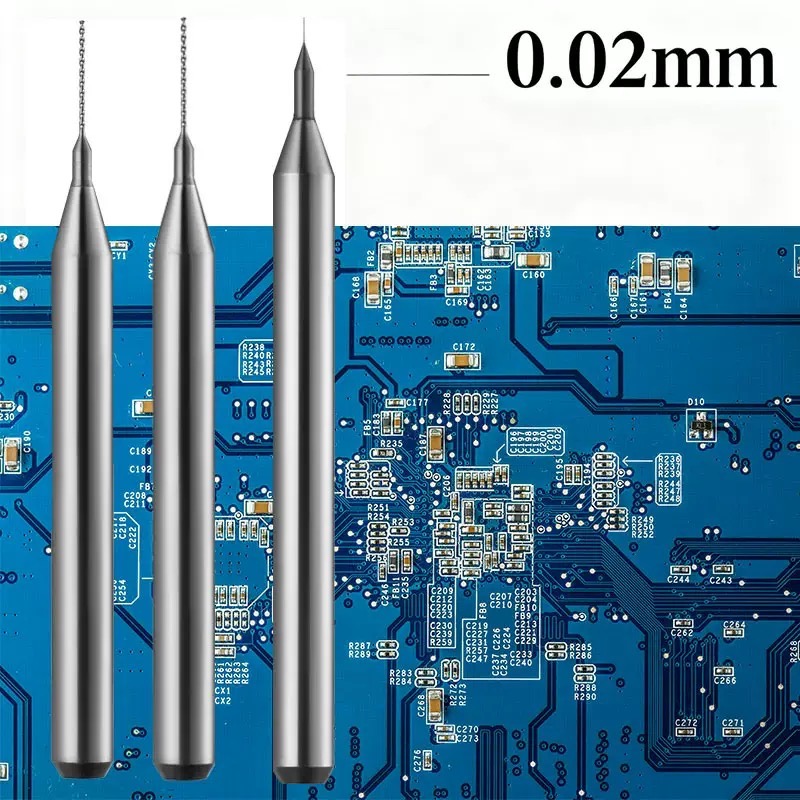
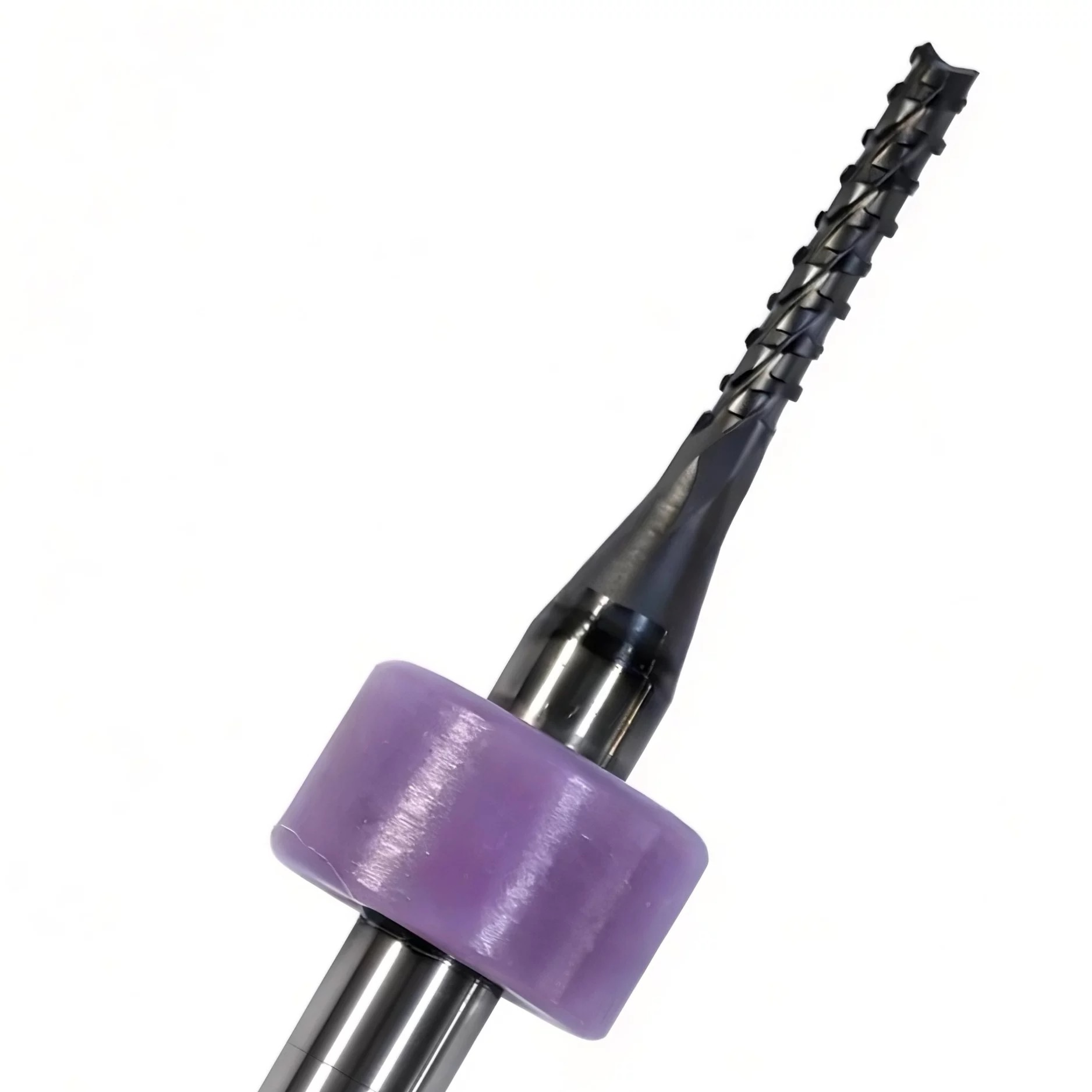
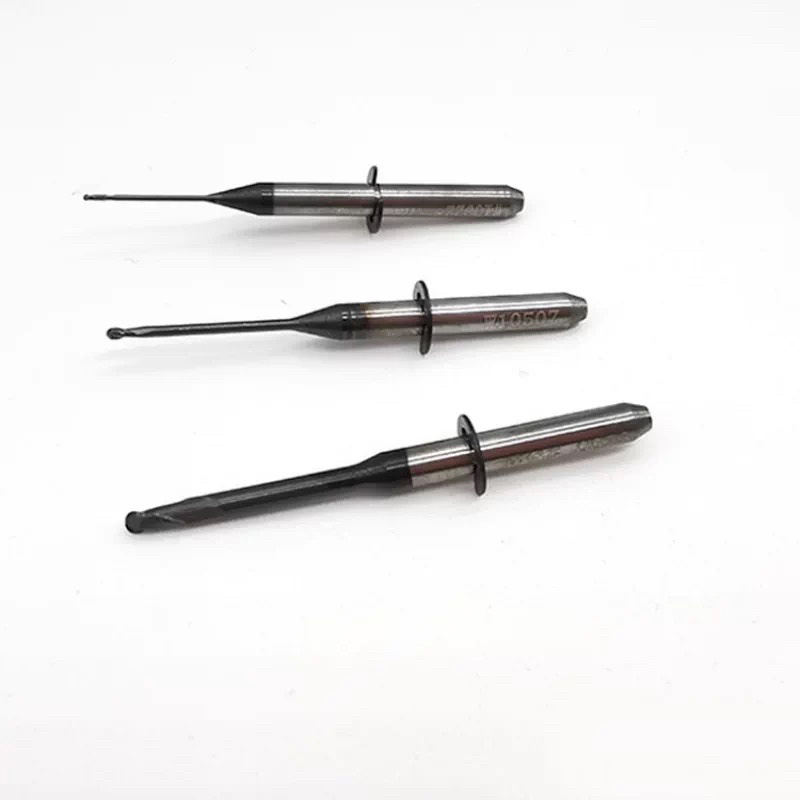
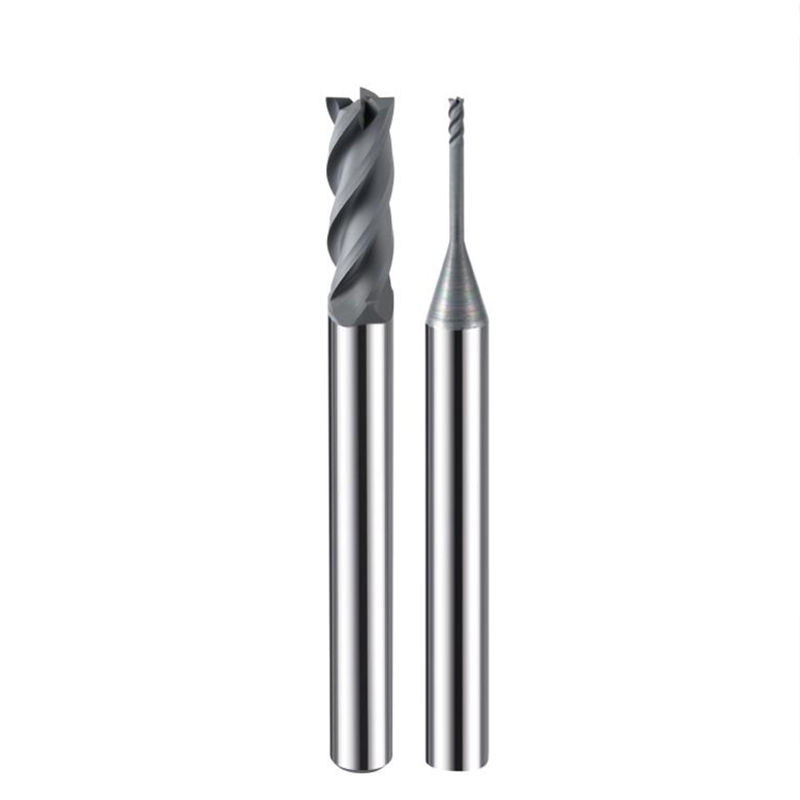
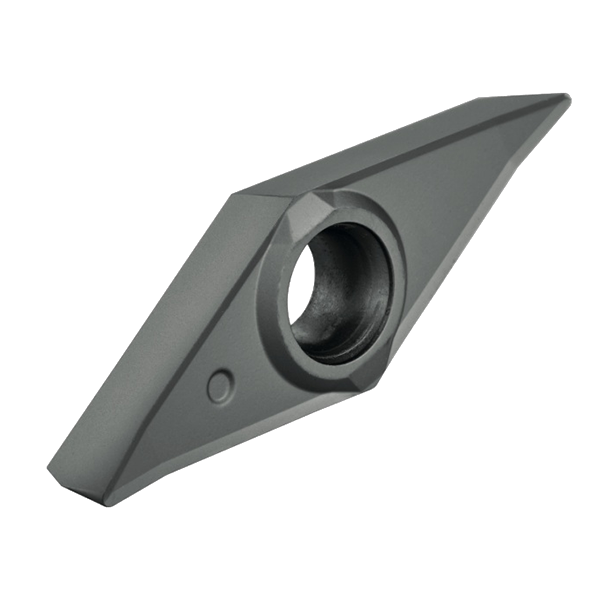
グラファイト、セラミック、カーボンファイバーは未来の素材だが、同時に「工具を駆逐する」存在でもある。もしあなたがまだ従来型のコーティングを使っているなら、負け戦を強いられていることになるだろう。
当社のCVD(化学気相成長法)ダイヤモンドコーティングは、炭化物基板上に本物の結晶ダイヤモンド層を形成します。これは単なる「表面処理」ではなく、保護膜としての役割を果たします。
トップディストリビューターが当社のCVDシリーズを選ぶ理由:
1.超低摩擦:切削屑の溶着や熱の蓄積を防ぎます。
2. 極めて高い耐摩耗性:切れ味の鋭さを20倍長く維持します。
3.表面仕上げ:加工対象物は鏡面仕上げとなり、二次研磨は不要です。